

Malabsorption
Overview
Malabsorption refers to impaired absorption of nutrients from the gastrointestinal tract into the bloodstream and lymphatic system. Rather than being a single disease, it is a clinical syndrome that can result from many underlying disorders affecting digestion, intestinal lining integrity, transport mechanisms, or lymphatic function. Depending on the cause, malabsorption may involve macronutrients such as fat, protein, and carbohydrate, or micronutrients such as iron, folate, vitamin B12, vitamin D, calcium, and trace minerals. Common manifestations can include chronic diarrhea, bloating, unintended weight loss, greasy or bulky stools, fatigue, anemia, bone loss, and signs of vitamin deficiency, although presentation varies widely.
The process of normal absorption depends on several coordinated steps: food must be adequately broken down by gastric acid, pancreatic enzymes, and bile; nutrients must then contact an intact small-intestinal surface; and absorbed molecules must be transported through blood vessels or lymphatics. Disruption at any of these stages can produce malabsorption. Major causes include celiac disease, chronic pancreatitis, exocrine pancreatic insufficiency, Crohn’s disease, small intestinal bacterial overgrowth, lactose intolerance and other carbohydrate malabsorption states, bile acid disorders, short bowel syndrome, and certain infections, surgeries, or medications. In some cases, malabsorption is subtle and detected only through nutrient deficiencies rather than dramatic gastrointestinal symptoms.
Malabsorption is clinically significant because prolonged nutrient deficits can affect nearly every organ system. Iron, folate, or vitamin B12 deficiency may contribute to anemia; vitamin D and calcium deficiency may contribute to osteopenia or osteoporosis; protein loss may contribute to edema and muscle wasting; and fat malabsorption can reduce absorption of fat-soluble vitamins A, D, E, and K. In children, malabsorption may affect growth and development. In adults, consequences may range from reduced energy and quality of life to more serious metabolic and skeletal complications.
From a broader health perspective, malabsorption often requires a cause-focused evaluation rather than symptom suppression alone. Conventional medicine typically emphasizes identifying the anatomical, inflammatory, enzymatic, infectious, or autoimmune driver. Traditional systems of medicine, while using different diagnostic frameworks, often interpret similar symptom patterns through concepts involving digestive weakness, impaired transformation of food, intestinal irritation, or imbalance in systemic metabolic function. Because malabsorption can sometimes reflect serious disease, persistent symptoms are generally considered appropriate for assessment by a qualified healthcare professional.
Medical Perspectives
Two Ways of Seeing Health

Western
scientific · clinical
Western medicine applies science, technology, and clinical experience to treat symptoms through testing, diagnosis, and targeted intervention.

Eastern
traditional · alternative
Eastern medicine focuses on treating the body naturally by applying traditional knowledge practiced for thousands of years, emphasizing balance and whole-person wellness.
Gold Bamboo presents both perspectives side-by-side so you can make informed decisions. We don't advocate for one over the other — your health choices are yours.
Western Medicine Perspective
Western Medicine Perspective
In conventional medicine, malabsorption is understood as a disorder of digestion, mucosal absorption, or post-absorptive transport. Clinicians often classify it by mechanism: intraluminal maldigestion (for example, pancreatic enzyme deficiency or inadequate bile salts), mucosal malabsorption (such as celiac disease, Crohn’s disease, tropical sprue, or intestinal infection), and postmucosal transport impairment (such as intestinal lymphangiectasia or lymphatic obstruction). A detailed history may consider stool pattern, weight change, prior intestinal surgery, medication exposure, family history, dietary triggers, alcohol use, and signs of nutrient deficiency.
Evaluation commonly includes laboratory testing for anemia, low albumin, iron deficiency, vitamin deficiencies, inflammatory markers, and markers of celiac disease; stool studies may assess fat content, elastase, infection, or inflammation. Depending on the suspected cause, additional tools may include endoscopy with biopsy, colonoscopy, breath testing for carbohydrate malabsorption or bacterial overgrowth, pancreatic imaging, and cross-sectional imaging of the bowel. In practice, the diagnostic goal is to determine what nutrient is not being absorbed, where the problem is occurring, and what disease process is responsible.
Management in conventional care is generally directed at the underlying condition. Examples include a gluten-free dietary pattern in celiac disease, treatment of inflammatory bowel disease, management of pancreatic insufficiency, addressing bacterial overgrowth, or nutritional repletion when deficiencies are documented. Research supports cause-specific approaches particularly in well-characterized disorders such as celiac disease and pancreatic insufficiency. Because the syndrome spans many diseases, the quality of evidence is strongest for individual causes and weaker for malabsorption as a single umbrella entity.
Conventional medicine also emphasizes monitoring for complications, especially anemia, osteoporosis, electrolyte abnormalities, and protein-calorie undernutrition. In severe or prolonged cases, multidisciplinary care may involve gastroenterology, nutrition professionals, and sometimes endocrinology or hematology. Since symptoms like chronic diarrhea, weight loss, rectal bleeding, fever, or nighttime bowel symptoms may indicate more serious pathology, formal medical evaluation is often considered important.
Eastern & Traditional Perspective
Eastern / Traditional Medicine Perspective
Traditional systems do not typically use the modern biomedical term malabsorption, but many describe symptom clusters that overlap with it. In Traditional Chinese Medicine (TCM), chronic loose stools, fatigue, abdominal distension, poor appetite, and weight loss are often interpreted through patterns such as Spleen Qi deficiency, Spleen Yang deficiency, Dampness accumulation, or in some cases Liver overacting on Spleen. In this framework, the “Spleen” is understood as a functional system responsible for transforming food into usable nourishment and transporting fluids. When this function is considered weak, food and fluids are thought to be incompletely transformed, contributing to diarrhea, bloating, lethargy, and nutritional depletion.
In Ayurveda, malabsorption-like states may be viewed through disturbances of Agni (digestive fire), formation of Ama (incompletely processed metabolic residue), and imbalance in doshas, particularly Vata and Kapha, depending on the presentation. Symptoms such as bloating, irregular stools, weakness, and poor assimilation may be interpreted as impaired digestion and tissue nourishment. Classical Ayurvedic thinking often distinguishes between weak digestive capacity and inflammatory or irritative states in the gut, with different constitutional patterns shaping symptom expression.
In naturopathic and other traditional frameworks, the emphasis is often placed on restoring digestive capacity, supporting intestinal integrity, and identifying food reactions or chronic irritants. These systems may also highlight the relationship between stress, appetite regulation, bowel motility, and digestive resilience. While these interpretations can offer holistic context, their diagnostic language differs substantially from conventional gastroenterology, and direct equivalence between traditional patterns and specific biomedical diseases is limited.
Evidence for traditional approaches in malabsorption itself is generally less robust than evidence for treatment of defined biomedical causes. Some studies suggest that selected herbal preparations, dietary approaches, and mind-body practices may influence symptoms such as bloating, bowel irregularity, or functional dyspepsia, but this should not be interpreted as evidence that traditional therapies resolve structural or autoimmune causes of malabsorption. For persistent symptoms, significant weight loss, anemia, or suspected nutrient deficiency, evaluation by an appropriately qualified healthcare professional remains important.
Related Topics
Crohn's Disease
Crohn's Disease — condition topic in the Gold Bamboo health ontology.
How They Relate
Crohn's Disease & Malabsorption
Crohn’s disease is a chronic inflammatory condition that can involve any part of the gastrointestinal tract, most commonly the terminal ileum and colon. Malabsorption is a downstream consequence wh...
Supplements & Products
Recommended Products

Mayo Clinic on Digestive 4th Ed: How to Prevent and Treat Common Stomach and Gut Problems: Khanna M.B.B.S., Sahil
Additionally, <strong>this book gives invaluable tips for diagnosing, treating, and preventing some of the most common digestive conditions and diseases affecting Americans today</strong>, like Crohn’
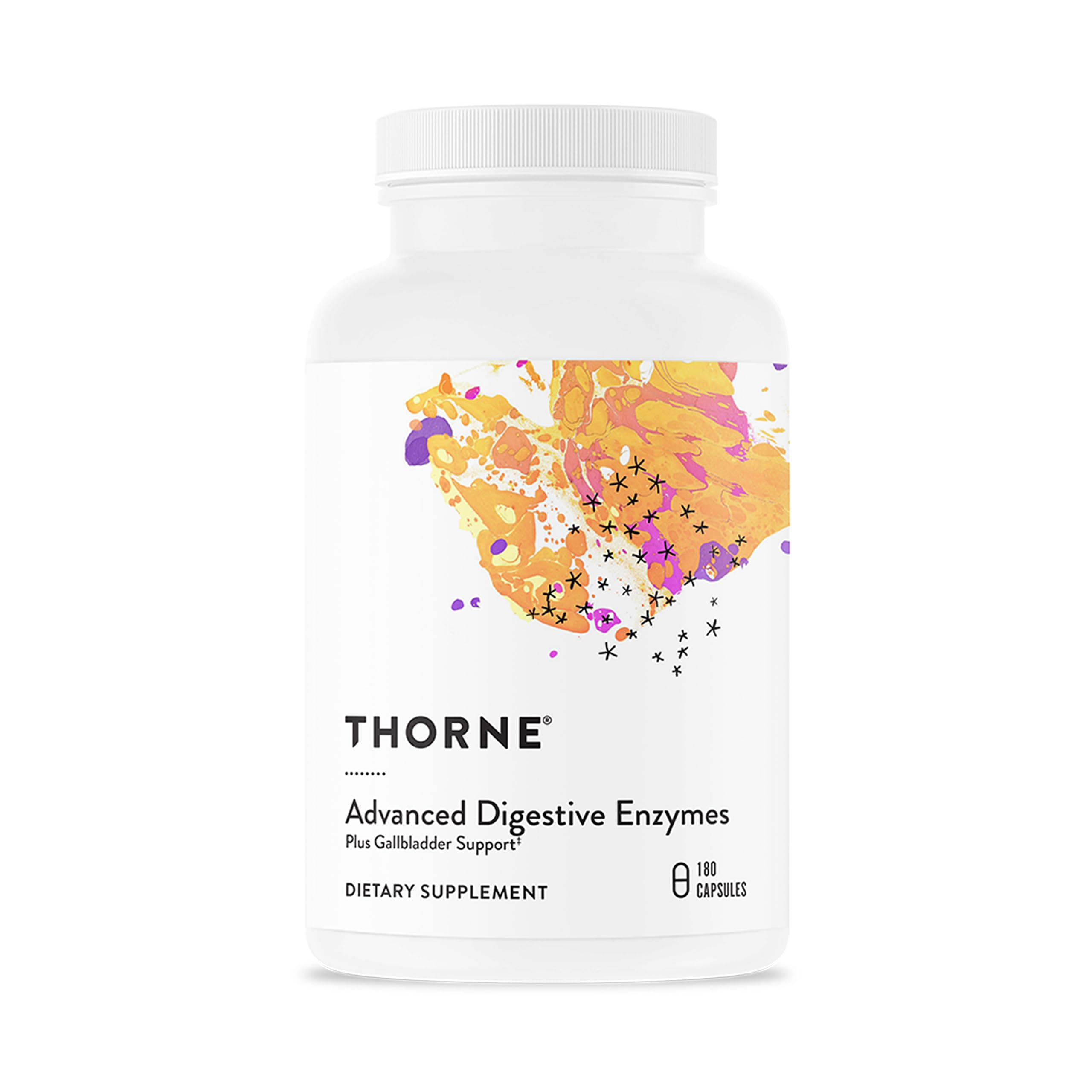
THORNE - Advanced Digestive Enzymes - Supplement with Pepsin, Ox Bile & Pancreatin for Indigestion & Constipation Relief - Minimizes Occasional Gas & Bloating* - Third-Party Certified - 180 Capsules
Comprehensive Formula: <strong>A blend of hydrochloric acid (HCl) , pepsin, pancreatin, and ox bile</strong> to promote the digestion and absorption of essential nutrients from the food we eat*

Nature’s Way Organic MCT Oil, Brain and Body Fuel*, Liquid Coconut MCT Oil with C8 Caprylic & C10 Capric Acids, 14 g Medium Chain Triglycerides per Serving, Keto & Paleo Certified, Non-GMO, 16 Fl Oz
Organic MCT Oil <strong>provides brain and body fuel for your day</strong>.* Fuel your brain and body with 100% MCT Oil.* MCT Oil helps you feel full and is quickly absorbed and converted into energy,
Evidence & Sources
Promising research with growing clinical support from multiple studies
- Merck Manual Professional Edition
- National Institute of Diabetes and Digestive and Kidney Diseases (NIDDK)
- American College of Gastroenterology
- World Gastroenterology Organisation
- The Lancet Gastroenterology & Hepatology
- New England Journal of Medicine
- American Journal of Gastroenterology
- National Center for Complementary and Integrative Health (NCCIH)
This content is for informational purposes only and does not constitute medical advice. Always consult a qualified healthcare provider before starting, stopping, or changing any supplement or medication regimen.