

Ankylosing spondylitis and Uveitis
Ankylosing spondylitis (AS) is a chronic inflammatory spondyloarthritis that primarily affects the spine and sacroiliac joints. Uveitis is inflammation of the uveal tract of the eye; in AS it most often presents as acute anterior uveitis (AAU). The connection matters: uveitis is the most common extra‑articular manifestation of AS, and timely, coordinated care can preserve vision and improve quality of life. Epidemiologically, about 20–40% of people with AS experience AAU at least once, while a substantial proportion of patients who present with HLA‑B27–associated AAU have undiagnosed axial spondyloarthritis. Both conditions are strongly linked to HLA‑B27, and share inflammatory pathways involving the IL‑23/IL‑17 axis and a proposed “gut–eye–joint” connection influenced by the intestinal microbiome. Smoking, family history, and coexisting spondyloarthritis features (psoriasis, inflammatory bowel disease, enthesitis) further increase risk. Clinically, HLA‑B27 AAU typically begins suddenly with one red, painful, light‑sensitive eye and blurred vision; it may recur in the same or the opposite eye. Red flags needing urgent ophthalmic assessment include severe eye pain, marked vision drop, photophobia, new floaters/flashers, a white layer in the anterior chamber (hypopyon), new halos, or headache with nausea. Uveitis can precede AS back symptoms by years, and its presence helps classify spondyloarthritis. Diagnosis relies on a slit‑lamp exam to confirm anterior chamber cells/flare, intraocular pressure measurement, and dilated fundus examination. Work‑up often includes HLA‑B27 testing, inflammatory markers, and—if axial disease is suspected—MRI of the sacroiliac joints. Infectious causes must be excluded before steroids are used. Close coordination between ophthalmology and rheumatology supports accurate classification, recurrence prevention, and safe escalation to systemic therapy when indicated. Management blends eye‑directed and systemic strategies. For AAU, first‑
Updated September 8, 2026This content is for informational purposes only and does not constitute medical advice. Always consult a qualified healthcare provider before starting, stopping, or changing any supplement or medication regimen.
Shared Risk Factors
HLA-B27 genotype
Strong EvidenceA class I MHC allele strongly associated with axial spondyloarthritis and with acute anterior uveitis; proposed mechanisms include aberrant peptide presentation, misfolding/ER stress, and IL‑23/IL‑17 pathway activation.
Th17/IL‑23 inflammatory axis
Moderate EvidenceShared immune pathway driving enthesitis and ocular inflammation; elevated IL‑17/IL‑23 signaling observed in both conditions.
Gut microbiome dysbiosis (gut–eye–joint axis)
Emerging ResearchIntestinal barrier dysfunction and dysbiosis may prime systemic immune activation affecting joints and eyes.
Smoking
Moderate EvidenceBehavioral risk linked to worse inflammatory disease course and ocular complications.
Family history/related spondyloarthritis features
Moderate EvidenceGenetic and phenotypic clustering of SpA traits (psoriasis, IBD, enthesitis) co‑occur with uveitis.
Male sex and young adult onset
Moderate EvidenceDemographic pattern typical for both AS and HLA‑B27–associated AAU.
Comorbidity Data
Prevalence
Approximately 20–40% of people with ankylosing spondylitis develop acute anterior uveitis at least once; conversely, a meaningful subset of patients presenting with HLA‑B27 AAU (up to ~20–30%) have undiagnosed axial spondyloarthritis.
Mechanistic Link
Shared HLA‑B27 genetics, misfolding/ER stress responses, and Th17/IL‑23 signaling underpin both conditions, with a proposed gut–eye–joint axis modulated by microbiome dysbiosis.
Clinical Implications
Any episode of AAU warrants screening for spondyloarthritis; in established AS, systemic therapy choice can influence uveitis recurrence risk. Coordinated ophthalmology–rheumatology care reduces vision‑threatening complications and guides safe immunomodulation.
Sources (4)
- Zeboulon N et al. Ann Rheum Dis. 2008;67:955‑959.
- Braun J, Sieper J. Lancet. 2007;369:1379‑1390.
- Rosenbaum JT, Asquith M. Curr Opin Rheumatol. 2018;30:1‑6.
- ASAS‑EULAR Recommendations. Ann Rheum Dis. 2022;81:1593‑1607.
Overlapping Treatments
TNF‑alpha monoclonal antibodies (adalimumab, infliximab)
Strong EvidenceReduce axial inflammation, pain, and improve function in AS; decrease flare rates.
Effective for noninfectious uveitis, including HLA‑B27 AAU; reduce recurrences and steroid exposure.
Screen for TB/hepatitis; injection/infusion reactions; etanercept is less protective against uveitis than monoclonal antibodies.
NSAIDs (e.g., naproxen, ibuprofen)
Moderate EvidenceFirst‑line for pain and stiffness; may slow radiographic progression in some.
May alleviate discomfort but do not control intraocular inflammation; adjunct only.
GI, renal, and cardiovascular risks; not a substitute for ophthalmic anti‑inflammatory therapy.
Sulfasalazine
Moderate EvidenceHelps peripheral arthritis; limited for purely axial disease.
Associated with reduced AAU recurrence in spondyloarthritis.
Hypersensitivity, cytopenias; periodic lab monitoring needed.
Methotrexate (systemic)
Moderate EvidenceLimited efficacy for axial disease; may help peripheral manifestations.
Steroid‑sparing option for noninfectious uveitis in some cohorts.
Hepatotoxicity, cytopenias, teratogenicity; monitoring and folate support required.
Systemic corticosteroids (short course)
Moderate EvidenceShort tapers may help severe extra‑articular flares; not for long‑term axial control.
Standard for sight‑threatening or refractory uveitis when topical therapy is insufficient.
Infection risk, hyperglycemia, bone loss, ocular hypertension/cataract with prolonged use.
JAK inhibitors (e.g., upadacitinib)
Emerging ResearchEffective for active axial spondyloarthritis refractory to biologics in RCTs.
Emerging evidence from case series for uveitis; robust trials pending.
Infection and thrombotic risks; long‑term ocular efficacy uncertain.
Smoking cessation (lifestyle)
Moderate EvidenceLinked to less disease activity and potentially slower progression.
Associated with fewer severe uveitis outcomes and complications.
Behavioral support improves success; benefits accrue over time.
Medical Perspectives
Two Ways of Seeing Health

Western
scientific · clinical
Western medicine applies science, technology, and clinical experience to treat symptoms through testing, diagnosis, and targeted intervention.
Surgeons · Pharmaceuticals · Clinical trials · Diagnostics 
Eastern
traditional · alternative
Eastern medicine focuses on treating the body naturally by applying traditional knowledge practiced for thousands of years, emphasizing balance and whole-person wellness.
Acupuncture · Herbal medicine · Yoga · Meditation
Gold Bamboo presents both perspectives side-by-side so you can make informed decisions. We don't advocate for one over the other — your health choices are yours.
Two Ways of Seeing Health
Western
scientific · clinical
Western medicine applies science, technology, and clinical experience to treat symptoms through testing, diagnosis, and targeted intervention.
Eastern
traditional · alternative
Eastern medicine focuses on treating the body naturally by applying traditional knowledge practiced for thousands of years, emphasizing balance and whole-person wellness.
Gold Bamboo presents both perspectives side-by-side so you can make informed decisions. We don't advocate for one over the other — your health choices are yours.
Western Perspective
Western medicine recognizes uveitis—especially acute anterior uveitis—as the most frequent extra‑articular manifestation of ankylosing spondylitis. The relationship is grounded in shared HLA‑B27 genetics and overlapping cytokine pathways. Epidemiology informs screening, and evidence‑based therapies can address both spinal and ocular inflammation while minimizing complications.
Key Insights
- AAU occurs in roughly 20–40% of AS patients; AAU presentation should prompt spondyloarthritis screening.
- HLA‑B27 and Th17/IL‑23 signaling underpin a mechanistic link across eye and axial skeleton.
- TNF‑alpha monoclonal antibodies treat AS and reduce uveitis flares; etanercept is less effective for ocular protection.
- IL‑17 inhibitors are effective for AS but have not demonstrated efficacy in noninfectious uveitis trials.
- Coordinated ophthalmology–rheumatology care improves diagnosis, recurrence prevention, and safe immunomodulation.
Treatments
- Topical ophthalmic corticosteroids and mydriatics for AAU
- Systemic immunomodulators (adalimumab/infliximab; methotrexate or sulfasalazine in select cases)
- NSAIDs and physical therapy for axial symptoms
- MRI‑guided diagnosis/classification and monitoring
- Preventive strategies: smoking cessation, vaccination, infection screening before biologics
Deep Dive
From a western clinical perspective, uveitis and ankylosing spondylitis (AS) are linked by genetics and immune pathways. HLA‑B27, present in man... From a western clinical perspective, uveitis and ankylosing spondylitis (AS) are linked by genetics and immune pathways. HLA‑B27, present in many with axial spondyloarthritis, is also common in acute anterior uveitis (AAU). Mechanistic work implicates misfolding‑induced ER stress and activation of the IL‑23/IL‑17 axis. Epidemiologically, AAU occurs in roughly one‑quarter to one‑third of AS patients, and a notable proportion of individuals presenting with HLA‑B27 AAU have unrecognized axial disease. This bidirectional relationship guides screening and treatment. Clinically, AAU presents abruptly with unilateral ocular pain, redness, and photophobia, often recurring and alternating between eyes. Complications—posterior synechiae, elevated intraocular pressure, cataract, and cystoid macular edema—underscore the need for urgent ophthalmology assessment. Uveitis can precede inflammatory back pain by years; thus, rheumatology referral is appropriate when AAU coexists with features such as buttock pain, heel enthesitis, psoriasis, or inflammatory bowel disease. Diagnostic anchors include slit‑lamp confirmation of anterior chamber cells/flare, intraocular pressure measurement, and a dilated fundus exam. Laboratory work may include HLA‑B27 and inflammatory markers; MRI of the sacroiliac joints (STIR sequences) helps confirm axial spondyloarthritis. Infectious causes of uveitis must be excluded before corticosteroids are used. Management integrates local and systemic care. Topical corticosteroids and mydriatics are first‑line for AAU. For recurrent or severe disease—or when axial disease is active—systemic therapy is considered. Monoclonal anti‑TNF agents (adalimumab, infliximab) are effective for AS and have strong evidence for reducing uveitis flares; etanercept is less protective for the eye. Sulfasalazine and methotrexate can reduce recurrence in some patients, particularly with peripheral arthritis. IL‑17 inhibitors treat axial disease but have not shown efficacy in noninfectious uveitis trials; JAK inhibitors are effective for AS with limited ocular data. Safety is central: screen for TB and hepatitis prior to biologics; monitor for steroid‑related ocular hypertension and cataract; and counsel on NSAID risks. Coordinated ophthalmology–rheumatology follow‑up supports flare prevention, vision preservation, and shared decision‑making.
Sources
- AAO Uveitis Preferred Practice Pattern. Ophthalmology. 2019/2023 update.
- Ward MM et al. 2019 ACR/SAA/SPARTAN AS guideline. Arthritis Rheumatol. 2019;71:1285‑1299.
- van der Heijde D et al. ASAS‑EULAR 2022. Ann Rheum Dis. 2022;81:1593‑1607.
- Jaffe GJ et al. N Engl J Med. 2016;375:932‑943 (VISUAL I/II).
- Dick AD et al. Ophthalmology. 2013;120:777‑787 (secukinumab uveitis trials).
Eastern Perspective
Traditional systems frame the eye and spine as connected through systemic imbalances. In Traditional Chinese Medicine (TCM), acute red, painful eyes reflect excess heat or wind‑heat affecting the Liver channel, while axial pain and stiffness align with ‘Bi syndrome’ from wind‑cold‑damp or damp‑heat obstruction in the Du and Bladder channels. Ayurveda groups inflammatory eye conditions under Abhishyanda and axial inflammatory arthritis within Ama‑driven disorders (Amavata). Integrative care emphasizes restoring systemic balance, calming inflammation, and supporting resilience alongside biomedical treatment.
Key Insights
- Pattern differentiation guides therapy: ocular ‘heat’ and lower‑body damp‑heat often co‑present in HLA‑B27 patterns.
- Acupuncture may reduce axial pain and improve function; evidence for direct uveitis control is limited.
- Herbal anti‑inflammatories such as turmeric (haridra/curcumin) and guduchi (Tinospora) are traditionally used to modulate inflammation; clinical evidence remains emerging.
- Diet and digestion are central: reducing ‘dampness/ama’ parallels modern anti‑inflammatory, whole‑food patterns and microbiome support.
- Mind–body practices (qigong, yoga, meditation) target stress pathways that can exacerbate flares.
Treatments
- Acupuncture for axial pain and stress modulation (adjunct to standard care)
- TCM herbal formulas tailored to heat/damp patterns under licensed supervision
- Ayurvedic rasayana and anti‑inflammatory botanicals (e.g., curcumin, guduchi) with practitioner guidance
- Dietary patterns emphasizing whole foods, omega‑3 sources, and fermented foods as tolerated
- Mind–body practices for pain coping and autonomic balance
Deep Dive
Eastern traditions view the eye and spine as expressions of whole‑body balance. In Traditional Chinese Medicine (TCM), a sudden, painful red eye... Eastern traditions view the eye and spine as expressions of whole‑body balance. In Traditional Chinese Medicine (TCM), a sudden, painful red eye with photophobia suggests exuberant heat or wind‑heat affecting the Liver channel, while axial stiffness and deep sacroiliac aching may reflect ‘Bi syndrome’—obstruction by wind, cold, and damp, or damp‑heat in the lower burner. Therapy aims to clear heat from the eye, dispel dampness, move qi and blood along the Du and Bladder channels, and support constitutional resilience. In Ayurveda, inflammatory eye conditions fall under Abhishyanda; axial inflammatory arthritis is linked to ama (toxic, undigested material) obstructing channels. Approaches emphasize pacifying excess heat/inflammation, improving digestion (agni), and gentle detoxification under supervision. As adjuncts to biomedical care, acupuncture may help relieve axial pain, stiffness, and stress reactivity—factors that can influence flare perception—though direct evidence for preventing uveitis is limited. Herbal strategies (e.g., formulas to clear heat/damp in TCM; botanicals such as turmeric/haridra and guduchi in Ayurveda) are traditionally used to modulate inflammatory tone. Modern research on curcumin suggests anti‑inflammatory activity, but robust trials in uveitis or axial spondyloarthritis are still emerging. Dietary guidance aligns with whole‑food, anti‑inflammatory patterns—emphasizing vegetables, omega‑3–rich foods, and fermented items as tolerated—paralleling interest in the microbiome’s role in HLA‑B27 conditions. Mind–body practices (qigong, yoga, meditation) can improve pain coping and autonomic balance, potentially reducing stress‑related exacerbations. Importantly, all complementary measures should be coordinated with ophthalmology and rheumatology to avoid interactions (e.g., herbs with immunomodulators) and to ensure prompt steroid and biologic therapy when indicated to protect vision.
Sources
- Zaslawski C et al. Acupunct Med. 2017; systematic reviews on chronic pain.
- Daily JW et al. J Med Food. 2016; curcumin meta‑analysis in inflammatory conditions.
- Rosenbaum JT, Asquith M. Curr Opin Rheumatol. 2018; microbiome in HLA‑B27 disease.
- WHO Benchmarks for TCM and Ayurveda practice (safety/standards).
Evidence Ratings
About 20–40% of people with ankylosing spondylitis develop acute anterior uveitis during their disease course.
Zeboulon N et al. Ann Rheum Dis. 2008;67:955‑959.
HLA‑B27 is strongly associated with both ankylosing spondylitis and acute anterior uveitis.
Braun J, Sieper J. Lancet. 2007;369:1379‑1390.
TNF‑alpha monoclonal antibodies (adalimumab, infliximab) reduce uveitis flares and treat axial disease.
Jaffe GJ et al. N Engl J Med. 2016;375:932‑943; ASAS‑EULAR 2022.
Etanercept is less protective against uveitis flares than monoclonal anti‑TNF agents.
Song IH et al. Ann Rheum Dis. 2011;70:1844‑1847 (observational comparative data).
IL‑17 inhibitors are effective for ankylosing spondylitis but failed to meet primary endpoints in noninfectious uveitis RCTs.
Dick AD et al. Ophthalmology. 2013;120:777‑787.
Uveitis can precede axial symptoms and supports classification of spondyloarthritis; AAU presentation should trigger rheumatology referral.
ASAS classification criteria. Ann Rheum Dis. 2009;68:777‑783.
Smoking is associated with worse AS outcomes and with more severe uveitis course.
Poddubnyy D et al. Ann Rheum Dis. 2012;71:809‑814; Lin P et al. Am J Ophthalmol. 2010;150:857‑862.
JAK inhibitors are effective for axial spondyloarthritis; evidence for uveitis control is emerging from case series.
van der Heijde D et al. Lancet. 2019; upadacitinib RCT; small ocular case reports 2020–2022.
Sources
- Zeboulon N, Dougados M, Gossec L. Prevalence and characteristics of uveitis in spondyloarthropathies: a systematic literature review. Ann Rheum Dis. 2008;67:955‑959.
- Braun J, Sieper J. Ankylosing spondylitis. Lancet. 2007;369:1379‑1390.
- van der Heijde D et al. 2022 update of the ASAS‑EULAR recommendations for the management of axial spondyloarthritis. Ann Rheum Dis. 2022;81:1593‑1607.
- Ward MM et al. 2019 Update of the ACR/SAA/SPARTAN recommendations for the treatment of ankylosing spondylitis. Arthritis Rheumatol. 2019;71:1285‑1299.
- American Academy of Ophthalmology. Uveitis Preferred Practice Pattern. Ophthalmology. 2019/2023.
- Jaffe GJ et al. Adalimumab in patients with active or inactive, noninfectious uveitis (VISUAL I and II). N Engl J Med. 2016;375:932‑943.
- Dick AD et al. Secukinumab in noninfectious uveitis: randomized controlled trials (SHIELD/INSURE/ENDURE). Ophthalmology. 2013;120:777‑787.
- ASAS classification criteria for axial spondyloarthritis. Ann Rheum Dis. 2009;68:777‑783.
- Rosenbaum JT, Asquith M. The microbiome and HLA‑B27‑associated uveitis and spondyloarthritis. Curr Opin Rheumatol. 2018;30:1‑6.
- Poddubnyy D et al. Cigarette smoking is associated with higher disease activity in axial spondyloarthritis. Ann Rheum Dis. 2012;71:809‑814.
- Lin P et al. Smoking and risk of uveitis. Am J Ophthalmol. 2010;150:857‑862.
- Hamilton M et al. The Dublin Uveitis Evaluation Tool (DUET) for identifying spondyloarthritis in acute anterior uveitis. Rheumatology (Oxford). 2015;54:1025‑1030.
Related Topics
Recommended Products
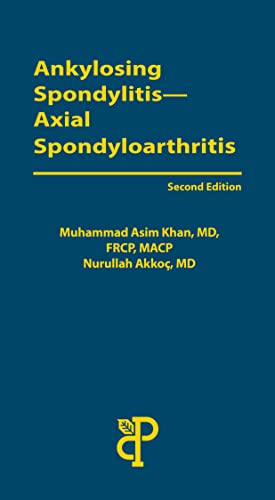
Ankylosing Spondylitis and Axial Spondyloarthritis (The Facts Series)
The combination of scientific knowledge and personal experience results in a unique book which will prove invaluable for patients and their families and friends, as well as allied health professionals

Nordic Naturals Ultimate Omega, Lemon Flavor - 90 Soft Gels - 1280 mg Omega-3 - High-Potency Omega-3 Fish Oil Supplement with EPA & DHA - Promotes Brain & Heart Health - Non-GMO - 45 Servings
Buy Nordic Naturals Ultimate Omega, Lemon Flavor - 90 Soft Gels - 1280 mg Omega-3 - High-Potency Omega-3 Fish Oil Supplement with EPA & DHA - Promotes Brain & Heart Health - Non-GMO - 45 Servi
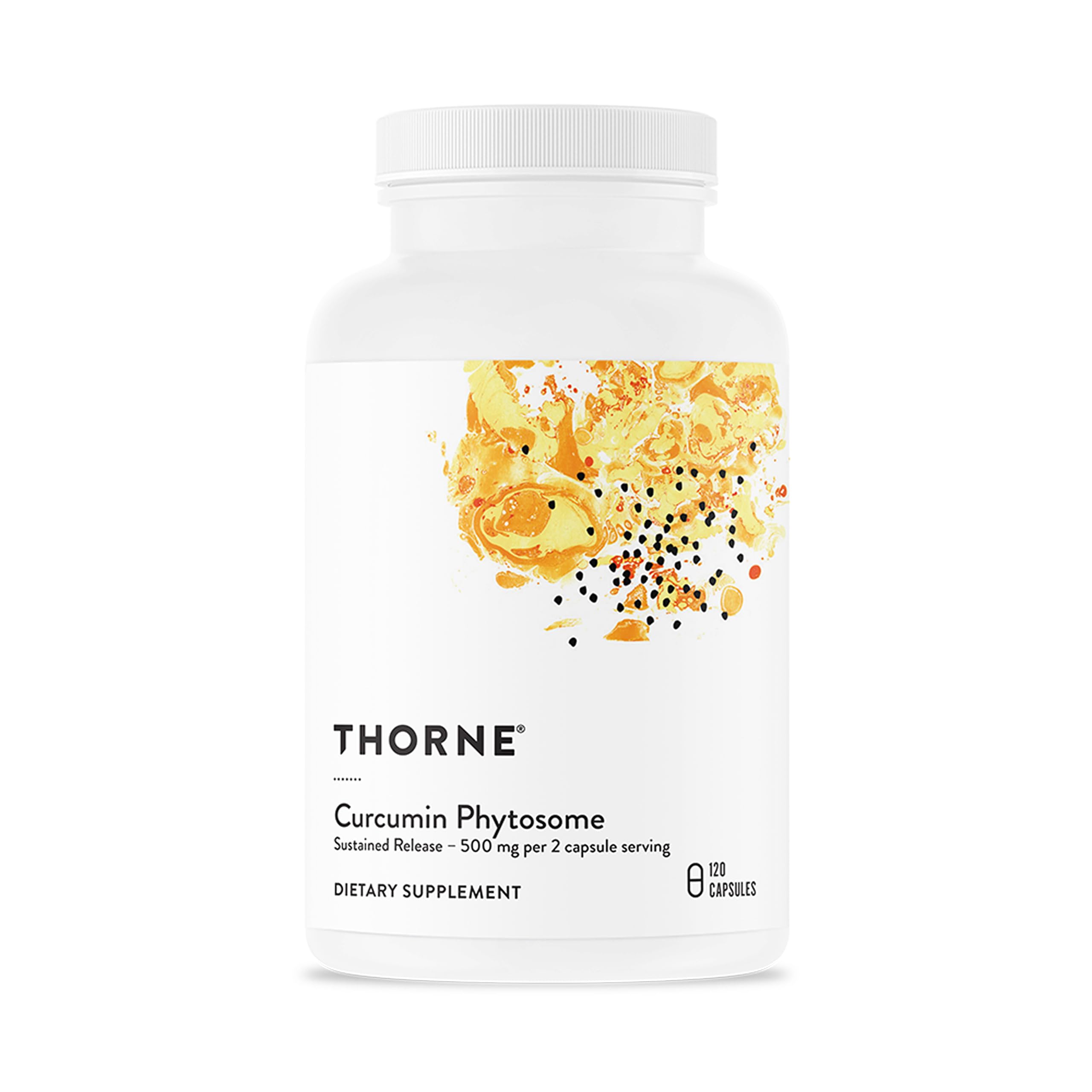
THORNE - Curcumin Phytosome 500 mg (Meriva) - Sustained Release, Clinically Studied - Supports Healthy Inflammatory Response in Joints, Muscles, GI Tract, Liver, Brain & Nerves* - 60 Servings
Buy THORNE - Curcumin Phytosome 500 mg (Meriva) - Sustained Release, Clinically Studied - <strong>Supports Healthy Inflammatory Response in Joints, Muscles, GI Tract, Liver, Brain & Nerves</strong
Health Disclaimer
This content is for informational purposes only and does not constitute medical advice. Always consult a qualified healthcare provider before starting, stopping, or changing any supplement or medication regimen.