

Ankylosing spondylitis
Overview
Ankylosing spondylitis (AS) is a chronic inflammatory condition that primarily affects the spine and sacroiliac joints, though it can also involve the hips, shoulders, ribs, and sites where tendons and ligaments attach to bone, known as entheses. It belongs to a broader family of disorders called axial spondyloarthritis, which includes both radiographic disease (traditionally called ankylosing spondylitis) and non-radiographic forms. Over time, persistent inflammation may contribute to pain, stiffness, reduced spinal mobility, and structural changes, including new bone formation that can limit flexibility.
The condition often begins in early adulthood, commonly before age 45, and is associated with characteristic features such as inflammatory back pain, morning stiffness, improvement with movement rather than rest, and alternating buttock pain. AS may also have systemic and extra-articular manifestations, including uveitis, inflammatory bowel disease, psoriasis, fatigue, and, in some cases, osteoporosis or cardiovascular complications. The genetic marker HLA-B27 is strongly associated with AS, although not everyone with HLA-B27 develops the disease, and not all people with AS carry the marker.
From a public health perspective, ankylosing spondylitis can have a major effect on daily function, sleep, mood, work capacity, and quality of life. Diagnosis is sometimes delayed because symptoms may be mistaken for mechanical back pain, especially in younger adults. Current understanding emphasizes the importance of recognizing early inflammatory patterns, evaluating imaging findings, and considering the broader spectrum of spondyloarthritis rather than focusing only on advanced spinal fusion.
In both conventional and traditional medical systems, ankylosing spondylitis is viewed as a long-term, whole-person condition rather than only a localized back disorder. Conventional medicine centers on immune-mediated inflammation, structural monitoring, and symptom control, while Eastern and traditional frameworks often interpret the pattern through concepts involving stagnation, chronic obstruction, constitutional imbalance, and impaired circulation of vital substances. Because AS varies widely in severity and progression, assessment by qualified healthcare professionals is important, particularly when symptoms involve the eyes, bowels, chest expansion, or worsening mobility.
Medical Perspectives
Two Ways of Seeing Health

Western
scientific · clinical
Western medicine applies science, technology, and clinical experience to treat symptoms through testing, diagnosis, and targeted intervention.

Eastern
traditional · alternative
Eastern medicine focuses on treating the body naturally by applying traditional knowledge practiced for thousands of years, emphasizing balance and whole-person wellness.
Gold Bamboo presents both perspectives side-by-side so you can make informed decisions. We don't advocate for one over the other — your health choices are yours.
Western Medicine Perspective
Western Medicine Perspective
In conventional medicine, ankylosing spondylitis is understood as an immune-mediated inflammatory disease with strong genetic influence and complex interactions between the immune system, gut microbiome, and environmental factors. Inflammation is often concentrated at the sacroiliac joints and entheses, and over time may lead to erosions, repair responses, and pathologic new bone formation. Key cytokine pathways implicated in the disease include tumor necrosis factor (TNF) and interleukin-17 (IL-17), which has informed modern biologic treatment research.
Diagnosis typically involves a combination of clinical history, physical examination, inflammatory markers, HLA-B27 testing, and imaging. Conventional assessment distinguishes inflammatory back pain from more common mechanical causes and may use X-ray or MRI to identify sacroiliitis or other signs of active inflammation. Management in mainstream care generally focuses on reducing inflammation, preserving function, monitoring complications, and supporting mobility, often through a combination of medication-based strategies, exercise-based rehabilitation, and ongoing rheumatologic follow-up. Research also supports the value of patient education, posture and mobility work, and attention to associated conditions such as uveitis, osteoporosis, bowel disease, and mental health burden.
The evidence base for AS in Western medicine is relatively strong compared with many chronic pain-related disorders. Multiple professional societies, including rheumatology organizations, have published classification criteria and treatment guidelines, and there is substantial literature on NSAIDs, biologics, targeted therapies, imaging, and long-term outcomes. Even so, disease expression is highly variable, and clinicians increasingly recognize the need for individualized assessment rather than a one-size-fits-all model.
Eastern & Traditional Perspective
Eastern/Traditional Medicine Perspective
In Traditional Chinese Medicine (TCM), ankylosing spondylitis is not defined by the same biomedical category, but symptoms may overlap with patterns historically described under Bi syndrome, especially forms involving chronic obstruction of the channels by wind, cold, dampness, and heat, often combined with blood stasis and underlying kidney and liver deficiency. Longstanding spinal stiffness, limited bending, deep aching pain, and worsening with cold or inactivity may be interpreted as a mixture of channel obstruction and constitutional weakness. Traditional assessment emphasizes the evolving pattern: early disease may be framed more as excess obstruction, while longstanding disease may be viewed as involving deficiency, depletion, and impaired nourishment of bones and sinews.
TCM-informed approaches have traditionally included acupuncture, moxibustion, herbal formulas, bodywork, and movement practices such as tai chi or qigong, selected according to the individual pattern rather than the disease name alone. Some contemporary studies suggest acupuncture and certain integrative approaches may help with pain, stiffness, fatigue, and quality of life, but the quality of evidence is mixed, and study methods are often heterogeneous. For this reason, these approaches are generally discussed as supportive or complementary frameworks rather than replacements for rheumatologic care.
In Ayurveda, symptoms resembling ankylosing spondylitis are often interpreted through disturbances of Vata along with the accumulation of Ama and inflammatory involvement of joints and connective tissues. Depending on presentation, some practitioners relate the pattern to conditions within the spectrum of Amavata or chronic Vata disorders affecting the spine and sacroiliac region. Traditional Ayurvedic care may involve individualized use of diet, herbal preparations, external therapies, and restorative routines intended to reduce stiffness and improve function. In naturopathic and integrative medicine, practitioners may emphasize anti-inflammatory lifestyle patterns, stress regulation, gut health, and supportive nonpharmacologic modalities, though evidence quality varies considerably by intervention.
Across traditional systems, a consistent theme is that ankylosing spondylitis reflects both local musculoskeletal restriction and broader systemic imbalance. These systems often place strong emphasis on function, resilience, circulation, and long-term self-regulation. Because AS can involve irreversible structural changes and serious extra-articular complications, traditional therapies are best understood within an informed, coordinated care context with licensed healthcare professionals.
Related Topics
Uveitis
Uveitis — condition topic in the Gold Bamboo health ontology.
How They Relate
Ankylosing spondylitis & Uveitis
Ankylosing spondylitis (AS) is a chronic inflammatory spondyloarthritis that primarily affects the spine and sacroiliac joints. Uveitis is inflammation of the uveal tract of the eye; in AS it most ...
Supplements & Products
Recommended Products

Yoga for Arthritis: The Complete Guide: Loren Fishman, Ellen Saltonstall
Drugs, surgeries, and steroids can alleviate some of the discomforts, but study after study has shown that exercise is most beneficial to most forms of arthritis, specifically low-impact, flexibility-
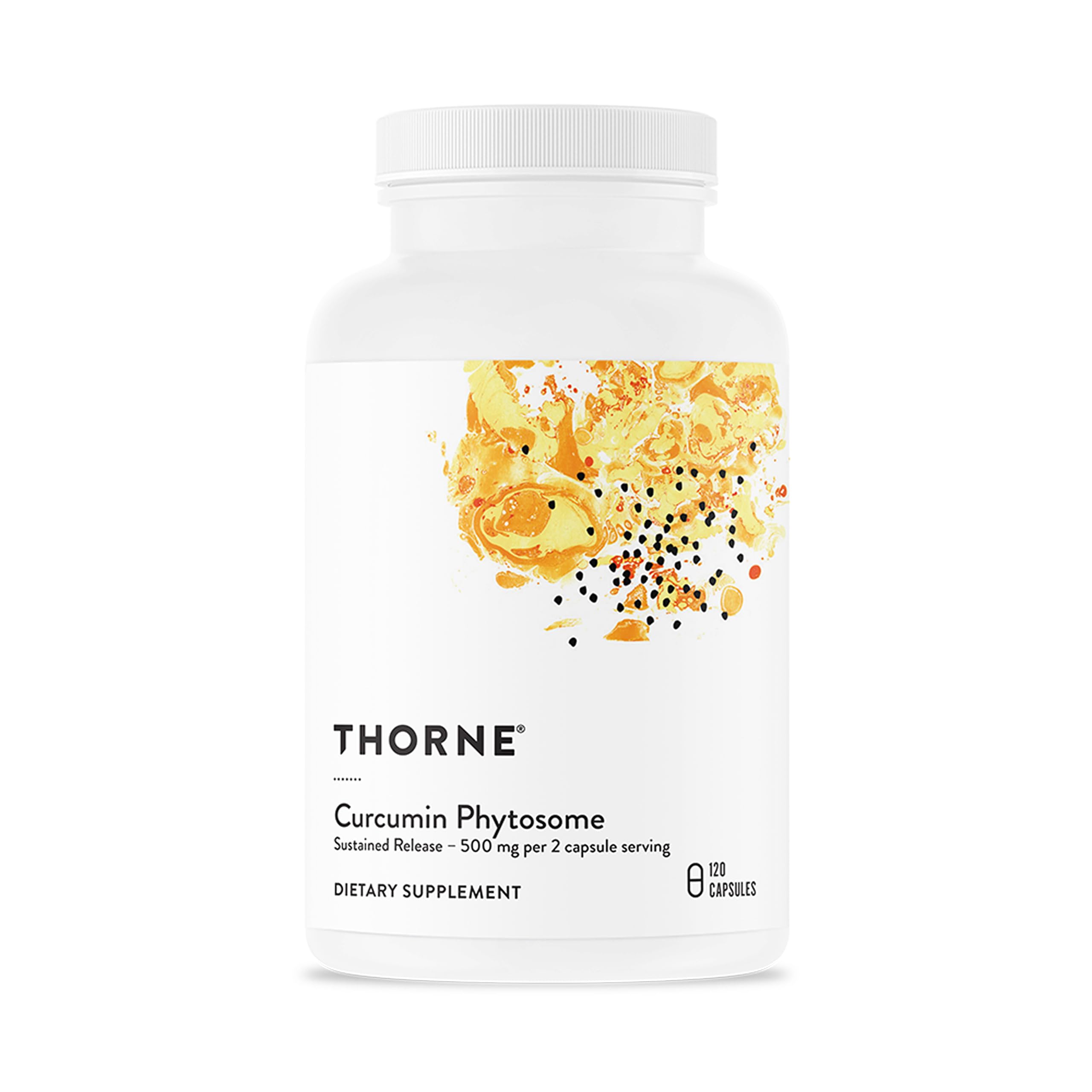
THORNE - Curcumin Phytosome 500 mg (Meriva) - Sustained Release, Clinically Studied - Supports Healthy Inflammatory Response in Joints, Muscles, GI Tract, Liver, Brain & Nerves* - 60 Servings
Buy THORNE - Curcumin Phytosome 500 mg (Meriva) - Sustained Release, Clinically Studied - <strong>Supports Healthy Inflammatory Response in Joints, Muscles, GI Tract, Liver, Brain & Nerves</strong
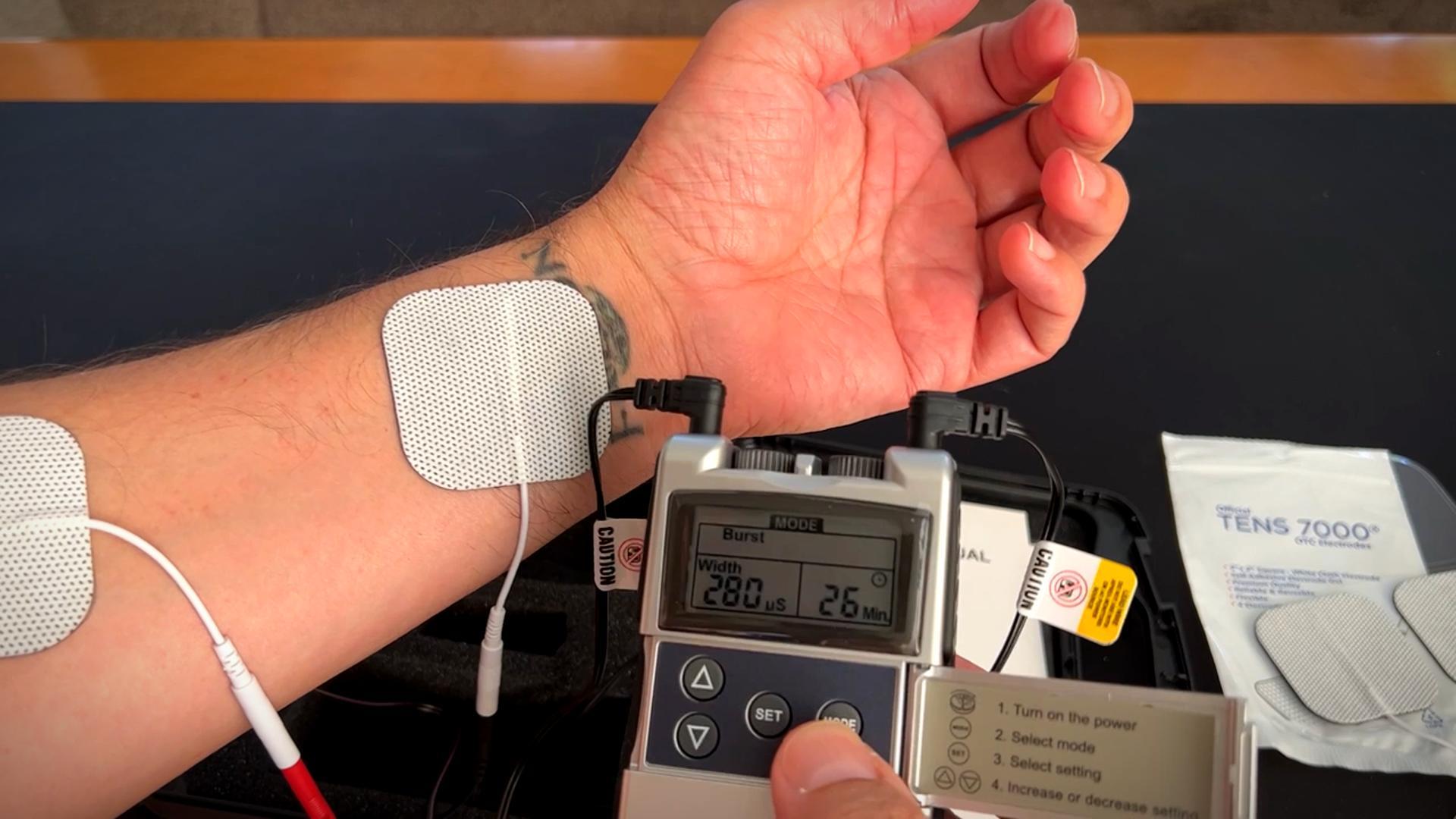
TENS 7000 Digital TENS Unit with Accessories - Muscle ...
Explore a variety of products designed to provide relief from sciatica, back pain, and muscle discomfort, including TENS therapy and ergonomic cushions.
Evidence & Sources
Supported by multiple clinical trials and systematic reviews
- National Institute of Arthritis and Musculoskeletal and Skin Diseases (NIAMS)
- Spondylitis Association of America
- Assessment of SpondyloArthritis international Society (ASAS)
- American College of Rheumatology
- Annals of the Rheumatic Diseases
- Arthritis & Rheumatology
- The Lancet
- Nature Reviews Rheumatology
- National Center for Complementary and Integrative Health (NCCIH)
- World Health Organization (WHO)
This content is for informational purposes only and does not constitute medical advice. Always consult a qualified healthcare provider before starting, stopping, or changing any supplement or medication regimen.