

Uveitis
Overview
Uveitis refers to inflammation of the uveal tract—the middle layer of the eye that includes the iris, ciliary body, and choroid—but in clinical practice the term often also includes inflammation affecting nearby structures such as the retina, vitreous, and optic nerve. It is commonly classified by location: anterior uveitis (front of the eye), intermediate uveitis, posterior uveitis, and panuveitis when multiple regions are involved. The condition may develop suddenly or gradually, and symptoms can include eye pain, redness, light sensitivity, blurred vision, floaters, and reduced visual acuity, though some forms are relatively silent at first.
Uveitis is medically significant because it can threaten vision if inflammation is persistent, recurrent, or associated with retinal or optic nerve complications. Studies indicate that uveitis contributes meaningfully to preventable visual impairment and blindness, particularly among working-age adults. The condition may occur as an isolated eye disorder, but it can also be linked to autoimmune disease, inflammatory conditions, infections, or trauma. In some cases, no clear cause is identified, and the condition is described as idiopathic.
From a broader health perspective, uveitis is less a single disease than a group of inflammatory syndromes with diverse triggers and patterns. Autoimmune associations may include conditions such as ankylosing spondylitis, inflammatory bowel disease, psoriasis, juvenile idiopathic arthritis, Behçet disease, and sarcoidosis. Infectious causes can include herpes viruses, toxoplasmosis, tuberculosis, syphilis, and other region-specific infections. Because management depends heavily on the underlying cause, accurate evaluation is central to both short-term symptom control and long-term protection of vision.
A balanced understanding of uveitis benefits from recognizing both the urgency of ophthalmic assessment in conventional medicine and the broader systemic frameworks used in traditional systems. Across perspectives, there is shared recognition that eye inflammation may reflect whole-body imbalance, immune dysregulation, or underlying illness. Given the potential for serious complications, any integrative discussion is generally framed as complementary to professional eye care rather than a substitute for it.
Medical Perspectives
Two Ways of Seeing Health

Western
scientific · clinical
Western medicine applies science, technology, and clinical experience to treat symptoms through testing, diagnosis, and targeted intervention.

Eastern
traditional · alternative
Eastern medicine focuses on treating the body naturally by applying traditional knowledge practiced for thousands of years, emphasizing balance and whole-person wellness.
Gold Bamboo presents both perspectives side-by-side so you can make informed decisions. We don't advocate for one over the other — your health choices are yours.
Western Medicine Perspective
Western / Conventional Medicine Perspective
In conventional medicine, uveitis is understood as an intraocular inflammatory condition with multiple possible causes. The first priority is typically to determine the anatomic classification, severity, and whether the process appears infectious or noninfectious, since these distinctions shape management and prognosis. Evaluation often includes a detailed eye examination, slit-lamp assessment, measurement of intraocular pressure, and retinal imaging when needed. Depending on the presentation, clinicians may also investigate for systemic disease with selected laboratory testing or imaging rather than broad untargeted screening.
Research and clinical guidelines describe treatment as focused on controlling inflammation, preserving vision, preventing recurrence, and addressing the underlying cause. Conventional approaches may involve corticosteroids, pupil-dilating agents for comfort and to reduce complications in some cases, and for recurrent or severe noninfectious disease, immunomodulatory therapies such as antimetabolites, biologic agents, or other steroid-sparing medications under specialist supervision. When infection is identified or strongly suspected, management is directed at the infectious organism rather than suppressing immunity alone.
Complications recognized in ophthalmology include cataract, glaucoma, macular edema, retinal damage, scarring, and permanent vision loss. For this reason, ongoing monitoring is often emphasized in the medical literature, especially in chronic or recurrent disease. Conventional medicine generally views uveitis as a condition where prompt diagnosis matters because the same symptom pattern can represent very different underlying disease processes with substantially different risks.
Eastern & Traditional Perspective
Eastern / Traditional Medicine Perspective
In Traditional Chinese Medicine (TCM), inflammatory eye conditions resembling uveitis are not mapped one-to-one onto a single biomedical diagnosis, but are often interpreted through patterns such as Liver heat, Liver and Gallbladder fire, toxic heat, yin deficiency with empty heat, blood stasis, or damp-heat affecting the channels that open to the eyes. The eyes are traditionally seen as closely connected to the Liver system, while chronic or recurrent inflammation may also be viewed in relation to deficiencies of Kidney yin, blood, or qi. Pattern differentiation is central, meaning the same biomedical diagnosis may be understood differently depending on associated systemic signs.
In Ayurveda, inflammatory eye disorders may be considered through disturbances involving Pitta dosha, especially when symptoms include redness, burning, light sensitivity, and irritation. Broader formulations may also involve rakta (blood) imbalance, accumulated metabolic byproducts often conceptualized as ama, or systemic inflammatory tendencies affecting ocular tissues. Traditional frameworks frequently place emphasis on digestion, constitution, environmental exposure, and whole-body balance rather than the eye in isolation.
Naturopathic and other traditional systems often interpret recurrent ocular inflammation as a sign of systemic immune or inflammatory imbalance, and may discuss supportive strategies related to stress, diet, restorative care, and constitutional assessment. However, from an evidence-based standpoint, high-quality research on traditional modalities specifically for uveitis remains limited. Because uveitis can progress to serious visual complications, traditional and integrative practitioners commonly note the importance of coordinating care with ophthalmology and medical specialists, particularly when symptoms are acute, recurrent, or associated with infection or autoimmune disease.
Related Topics
Ankylosing spondylitis
Ankylosing spondylitis — condition topic in the Gold Bamboo health ontology.
How They Relate
Ankylosing spondylitis & Uveitis
Ankylosing spondylitis (AS) is a chronic inflammatory spondyloarthritis that primarily affects the spine and sacroiliac joints. Uveitis is inflammation of the uveal tract of the eye; in AS it most ...
Supplements & Products
Recommended Products
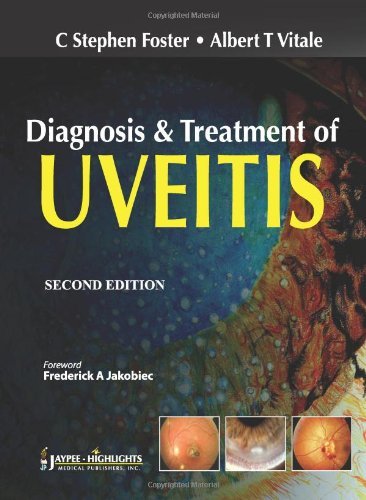
Diagnosis and Treatment of Uveitis by Foster, C. Stephen, Vitale, Albert T. (2013) Hardcover: C. Stephen Foster: Amazon.com
Foster's focus on agressive treatment therapies, as well as his twenty-five years of experience at the Massachusetts Eye & Ear Infirmary, makes him a true leader in the field.1. PART I. BASIC

Nordic Naturals ProOmega, Lemon Flavor - 180 Soft Gels - 1280 mg Omega-3 - High-Potency Fish Oil with EPA & DHA - Promotes Brain, Eye, Heart, & Immune Health - Non-GMO - 90 Servings
Buy Nordic Naturals ProOmega, Lemon Flavor - 180 Soft Gels - 1280 mg Omega-3 - High-Potency Fish Oil with EPA & DHA - Promotes Brain, Eye, Heart, & Immune Health - Non-GMO - 90 Servings on Ama
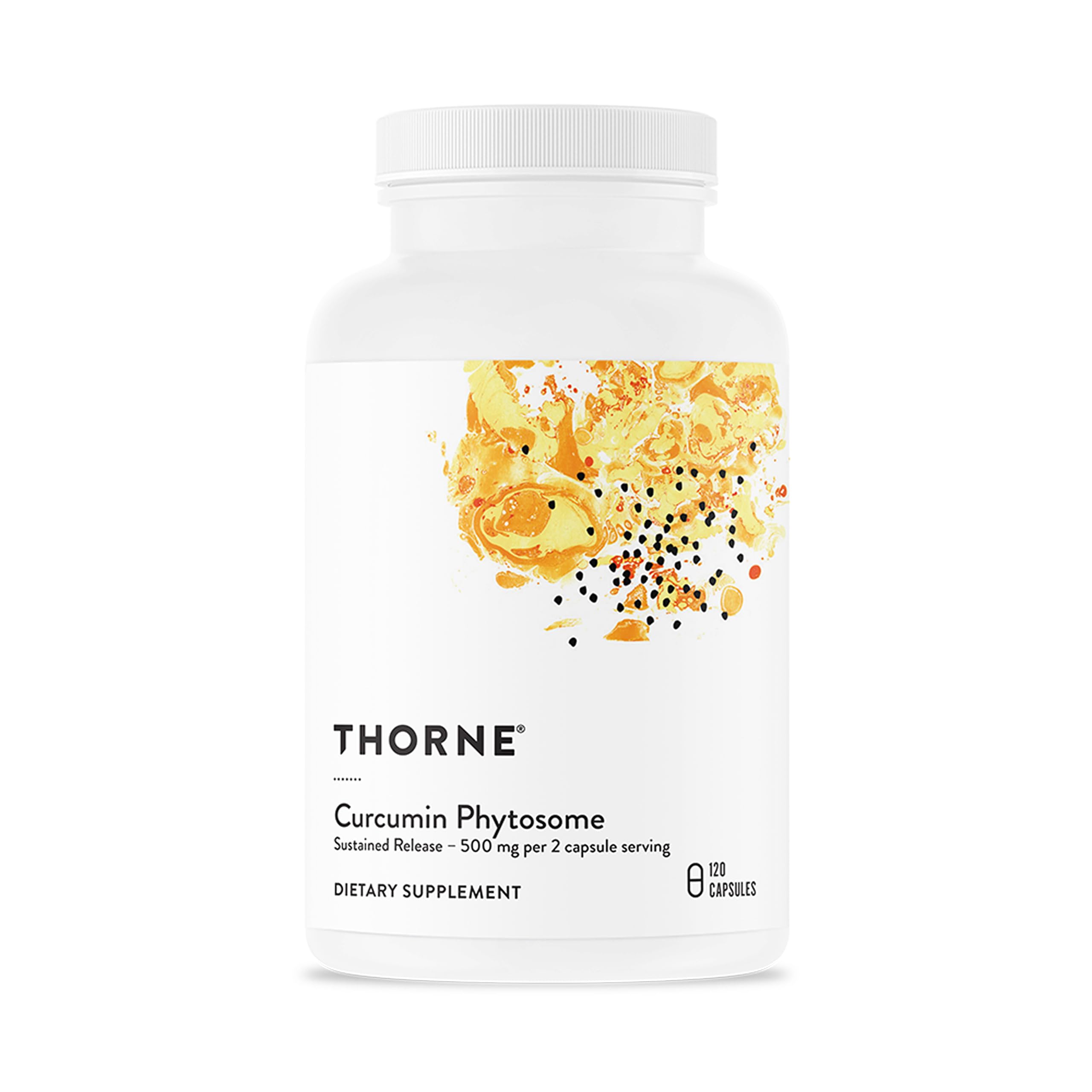
THORNE - Curcumin Phytosome 500 mg (Meriva) - Sustained Release, Clinically Studied - Supports Healthy Inflammatory Response in Joints, Muscles, GI Tract, Liver, Brain & Nerves* - 60 Servings
Buy THORNE - Curcumin Phytosome 500 mg (Meriva) - Sustained Release, Clinically Studied - <strong>Supports Healthy Inflammatory Response in Joints, Muscles, GI Tract, Liver, Brain & Nerves</strong
Evidence & Sources
Promising research with growing clinical support from multiple studies
- American Academy of Ophthalmology
- National Eye Institute (NIH)
- National Center for Complementary and Integrative Health (NCCIH)
- Standardization of Uveitis Nomenclature (SUN) Working Group
- The Lancet
- New England Journal of Medicine
- Journal of the American Medical Association (JAMA) Ophthalmology
- Survey of Ophthalmology
This content is for informational purposes only and does not constitute medical advice. Always consult a qualified healthcare provider before starting, stopping, or changing any supplement or medication regimen.