

Spironolactone
Overview
Spironolactone is a prescription medication classified as a potassium-sparing diuretic and mineralocorticoid receptor antagonist. It has been used for decades in conventional medicine for conditions linked to excess aldosterone activity, fluid retention, and certain hormone-related concerns. Depending on the clinical context, it may be used in the management of heart failure, hypertension, primary hyperaldosteronism, edematous states such as those associated with liver cirrhosis or nephrotic syndrome, and some androgen-related dermatologic conditions such as acne or hirsutism. Its broad range of use reflects the fact that aldosterone and androgen signaling affect multiple body systems, including the cardiovascular, renal, and endocrine systems.
At a physiological level, spironolactone works mainly by blocking the action of aldosterone, a hormone that promotes sodium and water retention while increasing potassium excretion in the kidneys. By reducing these effects, the medication can help decrease fluid overload and lower certain forms of blood pressure burden while conserving potassium. Spironolactone also has anti-androgenic properties, which helps explain its role in some hormone-sensitive skin and hair conditions. This dual action makes it pharmacologically distinct from many other diuretics.
The clinical significance of spironolactone is substantial. In cardiovascular medicine, major studies have associated mineralocorticoid receptor antagonism with improved outcomes in selected patients with heart failure with reduced ejection fraction. In endocrinology, it is an established option in disorders involving aldosterone excess. In dermatology and reproductive endocrinology, research suggests it may reduce acne lesions and unwanted hair growth in appropriately selected patients. At the same time, its benefits must be balanced with important safety considerations, especially the risk of hyperkalemia (elevated potassium), changes in kidney function, menstrual irregularities, breast tenderness, and endocrine-related adverse effects.
Because spironolactone affects electrolyte balance, blood pressure, and hormone pathways, its use typically involves medical supervision and periodic laboratory monitoring. It is not usually viewed as a general wellness product or casual fluid-reduction aid. The medication may interact with other drugs that influence potassium levels or kidney function, and its appropriateness can vary widely depending on age, sex, pregnancy status, kidney health, and underlying medical conditions. For readers exploring both conventional and traditional perspectives, spironolactone is best understood as a well-established pharmaceutical agent whose role is clearly defined in modern medicine, while traditional systems may frame its effects through patterns of fluid accumulation, heat, hormonal imbalance, or organ-system disharmony rather than through the drug itself.
Medical Perspectives
Two Ways of Seeing Health

Western
scientific · clinical
Western medicine applies science, technology, and clinical experience to treat symptoms through testing, diagnosis, and targeted intervention.

Eastern
traditional · alternative
Eastern medicine focuses on treating the body naturally by applying traditional knowledge practiced for thousands of years, emphasizing balance and whole-person wellness.
Gold Bamboo presents both perspectives side-by-side so you can make informed decisions. We don't advocate for one over the other — your health choices are yours.
Western Medicine Perspective
Western Medicine Perspective
In conventional medicine, spironolactone is understood primarily as a competitive antagonist of the mineralocorticoid receptor. By blocking aldosterone in the distal nephron, it promotes sodium excretion and reduces potassium loss. This mechanism is especially relevant in conditions where aldosterone contributes to pathophysiology, including heart failure, primary aldosteronism, resistant hypertension, and fluid retention related to cirrhosis. In cardiology, landmark trials such as RALES helped establish spironolactone as an important therapy in selected heart failure populations, where studies indicated reductions in morbidity and mortality when used alongside standard treatment.
In renal and metabolic terms, the major clinical concern is hyperkalemia, particularly in people with chronic kidney disease, diabetes, older age, or concurrent use of ACE inhibitors, ARBs, renin inhibitors, potassium supplements, or other potassium-sparing agents. Conventional prescribing therefore typically emphasizes patient selection, review of drug interactions, and follow-up assessment of serum potassium and kidney function. Other recognized adverse effects include hypotension, dehydration in some settings, gynecomastia, menstrual irregularities, reduced libido, and gastrointestinal symptoms. Because of anti-androgen effects and potential fetal risk, reproductive considerations are also important in routine medical assessment.
In dermatology, spironolactone is widely used off-label for hormonal acne, seborrhea, and hirsutism, especially in women with signs of androgen sensitivity or disorders such as polycystic ovary syndrome. Research in these areas is supportive, though the evidence base is generally less extensive than for major cardiovascular indications. In these settings, clinicians often view the medication not simply as a diuretic but as an endocrine-modulating agent. Overall, western medicine considers spironolactone a well-characterized and clinically valuable medication, provided it is used with appropriate supervision and individualized risk assessment.
Eastern & Traditional Perspective
Eastern / Traditional Medicine Perspective
Traditional systems of medicine such as Traditional Chinese Medicine (TCM) and Ayurveda do not historically classify health concerns in terms of aldosterone receptors, diuretic classes, or potassium balance. As a result, spironolactone itself is not a traditional remedy within these systems. Instead, eastern frameworks tend to interpret the conditions for which spironolactone is used through broader patterns. For example, edema may be described in TCM as involving dampness, phlegm-fluid retention, or dysfunction of the Spleen, Kidney, and Lung systems. Hormonal acne or hirsutism may be framed through patterns such as heat in the blood, liver qi stagnation, or accumulation of damp-heat.
In Ayurveda, fluid retention may be interpreted through disturbances in Kapha, impaired agni (metabolic fire), or obstruction in body channels, while acne and endocrine imbalance may be associated with Pitta-Kapha dysregulation or altered tissue metabolism. Naturopathic traditions may similarly emphasize terrain, elimination, endocrine balance, and dietary or botanical influences. These systems often focus on identifying a personalized pattern rather than assigning one diagnosis-one drug correspondences.
From an integrative perspective, eastern practitioners may regard spironolactone as a modern pharmaceutical that can influence manifestations of a deeper imbalance—such as swelling, inflammatory skin eruptions, or menstrual-hormonal symptoms—without necessarily addressing the full constitutional picture described in traditional models. Some integrative clinicians therefore discuss supportive lifestyle, dietary, mind-body, or traditional herbal approaches in parallel with conventional care. However, because spironolactone has meaningful effects on electrolytes, kidney function, blood pressure, and hormones, any combination with herbs, supplements, or traditional therapies warrants careful coordination with qualified healthcare professionals. Evidence for traditional approaches in the specific settings where spironolactone is used varies considerably, and much of it remains less standardized than the pharmaceutical literature.
Related Topics
ACE inhibitors
ACE inhibitors — medication topic in the Gold Bamboo health ontology.
How They Relate
ACE inhibitors & Spironolactone
ACE inhibitors and spironolactone both act on the renin–angiotensin–aldosterone system (RAAS) but at different points. ACE inhibitors block conversion of angiotensin I to angiotensin II, lowering v...
Supplements & Products
Recommended Products
Success With Heart Failure: Silver, Marc A.
... The Amazon Book Review Book recommendations, author interviews, editors' picks, and more. Read it now. ... Heart Failure: <strong>A Complete Guide to Understanding, Managing, and Overcoming t
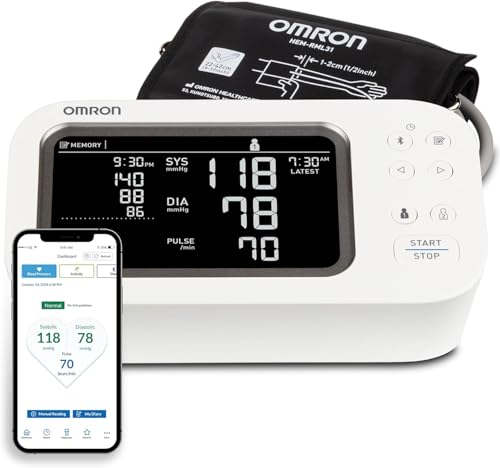
OMRON Platinum Blood Pressure Monitor for Home Use & Upper Arm Blood Pressure Cuff - #1 Doctor & Pharmacist Recommended Brand - Clinically Validated - AFib Detection - Connect App
CONFIDENCE IN EVERY READING: Monitor your heart health with the OMRON Platinum Upper Arm Blood Pressure Monitor's <strong>Advanced Accuracy with AFib Detection Technology</strong>; Store up to 10

WITHINGS Body Smart - Accurate Scale for Body Weight and Fat Percentage, Body Composition Wi-Fi and Bluetooth Weight Scale, Baby Weight Scale, Smart Scale Apple Health Compatible, Bathroom Scale
ACHIEVE YOUR WEIGHT GOALS FASTER - <strong>Reliably track your weight to within 50 g and view your weight trends directly on the scale's high-resolution color display</strong>. INCREASE MUSCLE MA
Evidence & Sources
Supported by multiple clinical trials and systematic reviews
- New England Journal of Medicine (RALES Trial)
- American Heart Association / American College of Cardiology Heart Failure Guidelines
- U.S. Food and Drug Administration (spironolactone labeling)
- StatPearls
- Journal of the American Academy of Dermatology
- Cochrane Database of Systematic Reviews
- National Institutes of Health
- National Center for Complementary and Integrative Health
This content is for informational purposes only and does not constitute medical advice. Always consult a qualified healthcare provider before starting, stopping, or changing any supplement or medication regimen.