

ACE inhibitors and Spironolactone
ACE inhibitors and spironolactone both act on the renin–angiotensin–aldosterone system (RAAS) but at different points. ACE inhibitors block conversion of angiotensin I to angiotensin II, lowering vasoconstriction and aldosterone release. Spironolactone antagonizes mineralocorticoid (aldosterone) receptors, reducing sodium and water retention while sparing potassium. Clinically, they are often combined in heart failure with reduced ejection fraction (HFrEF) to improve symptoms and survival, and in resistant hypertension to achieve blood pressure control. In cirrhosis, spironolactone is foundational for ascites management, while ACE inhibitors are generally avoided in decompensated disease due to renal and blood pressure risks. Therapeutic synergy is best established in HFrEF: landmark trials show ACE inhibitors reduce mortality and hospitalizations, and adding an aldosterone antagonist further cuts deaths and HF admissions when layered onto standard therapy. In resistant hypertension, spironolactone is an effective add‑on; when used with an ACE inhibitor (or ARB if ACE inhibitors are not tolerated), many patients achieve target blood pressure. Alternatives and complements include ARBs, the selective MRA eplerenone (less gynecomastia), loop or thiazide diuretics for volume control, SGLT2 inhibitors for HF and kidney protection, and sacubitril/valsartan for further outcome gains in HFrEF. Safety requires careful attention. Dual RAAS modulation raises the risk of hyperkalemia, renal impairment, and symptomatic hypotension, especially in older adults and those with chronic kidney disease or diabetes. Spironolactone can cause endocrine effects such as gynecomastia, breast tenderness, menstrual irregularities, and sexual side effects. Important interactions include potassium supplements, potassium‑containing salt substitutes, NSAIDs, trimethoprim (in TMP–SMX), heparins, cyclosporine/tacrolimus, and other RAAS blockers. Essential monitoring includes baseline and follow‑up
Updated September 8, 2026This content is for informational purposes only and does not constitute medical advice. Always consult a qualified healthcare provider before starting, stopping, or changing any supplement or medication regimen.
Shared Risk Factors
Chronic kidney disease (reduced eGFR)
Strong EvidenceImpaired renal potassium excretion and altered RAAS physiology increase risk of hyperkalemia and creatinine rise when ACE inhibitors and spironolactone are used, alone or together.
Diabetes mellitus (especially with nephropathy)
Strong EvidenceHyporeninemic hypoaldosteronism and nephropathy elevate potassium and sensitize kidneys to RAAS blockade.
Older age and frailty
Moderate EvidenceReduced renal reserve, comorbidities, and polypharmacy increase adverse effect risk.
High potassium intake (supplements, salt substitutes, very high‑K diets)
Strong EvidenceExogenous potassium loads can precipitate dangerous hyperkalemia with RAAS blockers and potassium‑sparing diuretics.
Concomitant medications that impair renal K+ excretion or renal perfusion
Strong EvidenceNSAIDs, trimethoprim (TMP–SMX), heparins, cyclosporine/tacrolimus, and aliskiren increase hyperkalemia/AKI risk when combined with RAAS agents.
Volume depletion, acute illness, or decompensated heart failure/cirrhosis
Moderate EvidencePrerenal azotemia and hemodynamic shifts reduce GFR and potassium excretion, increasing adverse events under RAAS blockade.
Overlapping Treatments
Low‑sodium dietary pattern (e.g., DASH modified for potassium when needed)
Moderate EvidenceImproves blood pressure control, complements ACE inhibitor effects, may allow lower doses.
Reduces edema burden so lower spironolactone exposure may suffice; supports ascites control in cirrhosis.
Traditional DASH is high in potassium; in CKD or with hyperkalemia risk, individualized counseling is important.
Loop diuretics (e.g., furosemide)
Strong EvidenceRelieve congestion and reduce afterload/volume, facilitating ACE inhibitor tolerance.
Counterbalance spironolactone’s potassium‑sparing effect; synergistic natriuresis in HF and ascites.
Monitor electrolytes (Na, K, Mg) and renal function; risk of over‑diuresis and hypotension.
Eplerenone (selective MRA) as alternative to spironolactone
Strong EvidenceSimilar outcome benefits when paired with ACE inhibitors in HFrEF/post‑MI settings.
Lower rates of gynecomastia/sexual side effects compared with spironolactone.
Hyperkalemia risk persists; similar monitoring needed; drug interactions via CYP3A4.
Angiotensin receptor blockers (ARBs) as alternative to ACE inhibitors
Strong EvidenceComparable RAAS blockade for patients with ACE inhibitor cough/angioedema.
Combine effectively with spironolactone for resistant hypertension/HFrEF, with similar hyperkalemia risk.
Avoid dual ACEi+ARB; monitor potassium/creatinine as risk remains.
SGLT2 inhibitors (HF/CKD indications)
Strong EvidenceReduce HF hospitalization and may improve renal hemodynamics, helping maintain ACE inhibitor therapy.
May reduce diuretic requirements and congestion, indirectly supporting spironolactone use.
Genitourinary side effects possible; volume status should be assessed when combined with diuretics.
Sacubitril/valsartan (ARNI) in place of ACE inhibitor for HFrEF
Strong EvidenceFurther reduces mortality/hospitalizations vs ACE inhibitor alone.
Used alongside MRAs like spironolactone in guideline‑directed therapy.
Do not combine with ACE inhibitor; washout needed when switching; monitor K+/renal function with concurrent MRA.
Medical Perspectives
Two Ways of Seeing Health

Western
scientific · clinical
Western medicine applies science, technology, and clinical experience to treat symptoms through testing, diagnosis, and targeted intervention.
Surgeons · Pharmaceuticals · Clinical trials · Diagnostics 
Eastern
traditional · alternative
Eastern medicine focuses on treating the body naturally by applying traditional knowledge practiced for thousands of years, emphasizing balance and whole-person wellness.
Acupuncture · Herbal medicine · Yoga · Meditation
Gold Bamboo presents both perspectives side-by-side so you can make informed decisions. We don't advocate for one over the other — your health choices are yours.
Two Ways of Seeing Health
Western
scientific · clinical
Western medicine applies science, technology, and clinical experience to treat symptoms through testing, diagnosis, and targeted intervention.
Eastern
traditional · alternative
Eastern medicine focuses on treating the body naturally by applying traditional knowledge practiced for thousands of years, emphasizing balance and whole-person wellness.
Gold Bamboo presents both perspectives side-by-side so you can make informed decisions. We don't advocate for one over the other — your health choices are yours.
Western Perspective
ACE inhibitors and spironolactone offer complementary RAAS modulation: ACE inhibitors reduce angiotensin II–mediated vasoconstriction and aldosterone secretion, while spironolactone blocks aldosterone’s downstream effects on sodium retention, myocardial fibrosis, and vascular remodeling. In HFrEF, combining an ACE inhibitor with an aldosterone antagonist on top of a beta‑blocker and diuretic is standard of care to improve survival and symptoms. In resistant hypertension, spironolactone is a preferred fourth‑line agent added to existing regimens, often including an ACE inhibitor. In cirrhosis, spironolactone is central for ascites; ACE inhibitors are generally avoided in decompensated disease due to renal hemodynamic risks.
Key Insights
- In HFrEF, adding spironolactone to ACE inhibitor–based therapy reduces all‑cause mortality and HF hospitalizations (e.g., RALES).
- ACE inhibitors independently reduce mortality and admissions in symptomatic LV dysfunction (CONSENSUS, SOLVD).
- In resistant hypertension, spironolactone outperforms other fourth‑line options and is effective when layered onto ACE inhibitors (PATHWAY‑2).
- Combined RAAS modulation increases hyperkalemia and renal impairment risk, especially in CKD and diabetes; careful monitoring is essential.
- In decompensated cirrhosis with ascites, ACE inhibitors may precipitate hypotension/renal failure and are generally avoided; spironolactone remains first‑line for ascites.
Treatments
- ACE inhibitors
- Spironolactone or eplerenone (MRA)
- Loop/thiazide diuretics
- SGLT2 inhibitors
- Sacubitril/valsartan and beta‑blockers
Deep Dive
From a Western clinical standpoint, ACE inhibitors and spironolactone address different but complementary limbs of the renin–angiotensin–aldoste... From a Western clinical standpoint, ACE inhibitors and spironolactone address different but complementary limbs of the renin–angiotensin–aldosterone system (RAAS). ACE inhibitors blunt the generation of angiotensin II, thereby reducing vasoconstriction and aldosterone secretion, which lowers preload and afterload and slows maladaptive cardiac remodeling. Spironolactone blocks aldosterone at its receptor in the kidney and heart, promoting natriuresis and countering myocardial fibrosis. This dual approach is a cornerstone of therapy in heart failure with reduced ejection fraction (HFrEF). Pivotal trials established that ACE inhibitors reduce mortality and hospitalizations in symptomatic LV dysfunction, and that adding an aldosterone antagonist like spironolactone to ACE inhibitor–based regimens confers additional survival and symptomatic benefits. The combination is also valuable in resistant hypertension, where spironolactone has shown superior blood pressure lowering as a fourth‑line agent when layered onto standard therapies, often including an ACE inhibitor. The benefits come with predictable risks. Because both agents diminish aldosterone activity and affect renal hemodynamics, hyperkalemia and creatinine elevation are the main safety concerns, particularly in chronic kidney disease and diabetes. Observational data after RALES highlighted increased hyperkalemia‑related hospitalizations when spironolactone was widely combined with ACE inhibitors, underscoring the importance of careful patient selection, avoidance of interacting medications (e.g., NSAIDs, trimethoprim), and regular laboratory monitoring. In decompensated cirrhosis with ascites, guidance recommends spironolactone (often with a loop diuretic) but generally discourages ACE inhibitors due to hypotension and renal failure risk. Clinical practice increasingly incorporates complementary or alternative options when risks or intolerance arise. Eplerenone may substitute for spironolactone in patients with gynecomastia or sexual side effects. If ACE inhibitors are not tolerated, ARBs offer similar benefits but with the same need for potassium monitoring. SGLT2 inhibitors and sacubitril/valsartan further improve outcomes in HFrEF and may reduce congestion, sometimes facilitating lower diuretic doses. Across scenarios, baseline and follow‑up measurement of serum potassium and creatinine, attention to diet (especially potassium‑containing salt substitutes), and vigilance during intercurrent illness are central to safe combination use.
Sources
- Pitt B et al. RALES. N Engl J Med. 1999;341:709-717.
- CONSENSUS Trial Study Group. N Engl J Med. 1987;316:1429-1435.
- SOLVD Investigators. N Engl J Med. 1991;325:293-302.
- Williams B et al. PATHWAY-2. Lancet. 2015;386:2059-2068.
- 2022 AHA/ACC/HFSA Guideline for the Management of Heart Failure. JACC. 2022;79:e263–e421.
- Juurlink DN et al. Rates of hyperkalemia after spironolactone. N Engl J Med. 2004;351:543-551.
- AASLD Practice Guidance: Ascites in Cirrhosis. Hepatology. 2021.
Eastern Perspective
Traditional and integrative systems view hypertension, edema, and heart failure as disturbances in fluid and energy regulation. In Traditional Chinese Medicine (TCM), patterns involving the Kidney, Spleen, and Liver may lead to fluid retention and elevated pressure; therapy emphasizes promoting urination, resolving dampness, and supporting qi. Ayurveda conceptualizes similar imbalances in mutravaha srotas (urinary channels) and hridaya (heart), using diuretic and cardiotonic botanicals, dietary regulation, and daily routines. Naturopathic and lifestyle medicine approaches focus on sodium restriction, weight management, physical activity, stress reduction, and individualized attention to potassium intake when RAAS‑modulating drugs are used.
Key Insights
- Sodium restriction and weight management are foundational and can amplify the benefits of ACE inhibitors and spironolactone on blood pressure and congestion.
- High‑potassium foods and potassium‑based salt substitutes—often encouraged in generalized dietary plans—may be inappropriate for those at hyperkalemia risk; individualized nutrition is emphasized.
- Herbal diuretics (e.g., dandelion, nettle, Punarnava) may compound natriuresis; practitioners caution that they can shift electrolytes when combined with RAAS blockers.
- Licorice (Glycyrrhiza glabra) can raise blood pressure and lower potassium via mineralocorticoid effects, potentially counteracting therapy and posing safety risks.
- Mind‑body practices (yoga, meditation, tai chi) may modestly lower blood pressure and improve quality of life, complementing medical therapy.
Treatments
- Tailored low‑sodium diet with potassium awareness rather than blanket high‑K recommendations
- TCM diuretic formulas (e.g., Wu Ling San) and herbs like Fu Ling (Poria), Ze Xie (Alisma) under practitioner supervision
- Ayurvedic botanicals such as Punarnava (Boerhavia diffusa) and Arjuna (Terminalia arjuna) with monitoring
- Lifestyle/mind‑body practices for BP reduction and stress management
Deep Dive
Traditional and integrative perspectives interpret the success and risks of ACE inhibitors and spironolactone through the lens of fluid, energy,... Traditional and integrative perspectives interpret the success and risks of ACE inhibitors and spironolactone through the lens of fluid, energy, and organ system balance. In Traditional Chinese Medicine (TCM), edema and hypertension often reflect disharmonies in the Kidney (water metabolism), Spleen (transformation and transport of fluids), and Liver (qi flow). Therapy focuses on promoting urination, resolving dampness, and strengthening underlying deficiencies. Formulas such as Wu Ling San, and herbs like Fu Ling (Poria), Ze Xie (Alisma), and Che Qian Zi (Plantago seed) are traditionally used to facilitate gentle diuresis and fluid movement. Ayurveda similarly addresses disturbances in mutravaha srotas and hridaya, using botanicals like Punarnava (Boerhavia diffusa) for edema and Arjuna (Terminalia arjuna) for cardiac support, along with dietary regulation and daily routines (dinacharya). When patients are treated with RAAS‑modulating drugs, integrative care emphasizes synergy without excess. Practitioners often prioritize sodium restriction, weight management, and stress reduction, which can augment blood pressure control and relieve congestion without adding pharmacologic burden. At the same time, awareness of potassium balance becomes critical: while many heart‑healthy diets encourage high‑potassium foods, individuals on ACE inhibitors and potassium‑sparing diuretics may need tailored guidance to avoid hyperkalemia, including caution with potassium‑based salt substitutes. Herbal diuretics (dandelion, nettle, juniper) can compound natriuresis and potentially disrupt electrolytes; experienced practitioners typically coordinate with prescribing clinicians and request periodic laboratory checks. Licorice (Glycyrrhiza glabra) is specifically cautioned against because it mimics mineralocorticoid effects, raising blood pressure and lowering potassium—counterproductive and potentially hazardous in this context. Mind–body practices such as yoga, tai chi, and meditation can modestly lower blood pressure and improve quality of life, fitting well within a comprehensive plan. Integrative clinicians encourage shared decision‑making: aligning medication regimens with individualized nutrition, prudent use of botanicals (if any), and lifestyle strategies, with clear red‑flag education (e.g., weakness, palpitations, swelling, dizziness) that should prompt timely medical review. Evidence for many traditional interventions is still emerging; thus, close collaboration and monitoring help ensure that traditional supports enhance, rather than complicate, the proven benefits of ACE inhibitors and spironolactone.
Sources
- WHO Monographs on Selected Medicinal Plants. 1999–2005.
- NCCIH: Hawthorn and Heart Disease—Evidence Review.
- Cochrane Review: Tai chi for hypertension—limited/modest effects.
- Ayurvedic Pharmacopoeia of India—Punarnava, Arjuna monographs.
- Li X et al. Traditional diuretic formulas in edema: narrative reviews (various).
Evidence Ratings
Adding spironolactone to ACE inhibitor–based therapy reduces mortality and HF hospitalizations in severe HFrEF.
Pitt B et al. RALES. N Engl J Med. 1999;341:709-717.
ACE inhibitors reduce mortality and hospitalizations in symptomatic left ventricular dysfunction.
CONSENSUS (1987) and SOLVD (1991). N Engl J Med.
Spironolactone is an effective fourth‑line agent for resistant hypertension when added to standard regimens.
Williams B et al. PATHWAY-2. Lancet. 2015;386:2059-2068.
Combined use of RAAS blockers and MRAs increases risk of hyperkalemia and acute kidney injury, especially in CKD and diabetes.
Juurlink DN et al. N Engl J Med. 2004;351:543-551.
ACE inhibitors are generally avoided in decompensated cirrhosis with ascites due to hypotension and renal failure risk.
AASLD Practice Guidance: Ascites in Cirrhosis. Hepatology. 2021.
Eplerenone provides similar cardiovascular benefits with fewer endocrine side effects than spironolactone.
Pitt B et al. EPHESUS. N Engl J Med. 2003;348:1309-1321.
Trimethoprim–sulfamethoxazole substantially increases hyperkalemia risk when combined with ACEi/ARBs or MRAs.
Fralick M et al. BMJ. 2014;349:g6196.
Potassium‑based salt substitutes can precipitate hyperkalemia in patients on RAAS‑modulating drugs.
FDA safety communications; case series; KDIGO CKD guidance (monitoring).
Sources
- Pitt B, Zannad F, Remme WJ, et al. The effect of spironolactone on morbidity and mortality in patients with severe heart failure (RALES). N Engl J Med. 1999;341:709-717.
- CONSENSUS Trial Study Group. Effects of enalapril on mortality in severe congestive heart failure. N Engl J Med. 1987;316:1429-1435.
- The SOLVD Investigators. Effect of enalapril on survival in patients with reduced left ventricular ejection fractions and congestive heart failure. N Engl J Med. 1991;325:293-302.
- Williams B, MacDonald TM, Morant S, et al. Spironolactone versus placebo, bisoprolol, and doxazosin to determine the optimal treatment for resistant hypertension (PATHWAY-2). Lancet. 2015;386:2059-2068.
- Juurlink DN, Mamdani MM, Lee DS, et al. Rates of hyperkalemia after publication of the RALES trial. N Engl J Med. 2004;351:543-551.
- Heidenreich PA, Bozkurt B, Aguilar D, et al. 2022 AHA/ACC/HFSA Guideline for the Management of Heart Failure. J Am Coll Cardiol. 2022;79:e263–e421.
- Runyon BA; AASLD. Diagnosis and management of ascites in cirrhosis: 2021 Practice Guidance. Hepatology. 2021.
- Pitt B, Remme W, Zannad F, et al. Eplerenone post–MI heart failure (EPHESUS). N Engl J Med. 2003;348:1309-1321.
- McMurray JJV, Packer M, Desai AS, et al. PARADIGM‑HF. N Engl J Med. 2014;371:993-1004.
- McMurray JJV, Solomon SD, Inzucchi SE, et al. DAPA‑HF. N Engl J Med. 2019;381:1995-2008.
- Packer M, Anker SD, Butler J, et al. EMPEROR‑Reduced. N Engl J Med. 2020;383:1413-1424.
- Fralick M, Macdonald EM, Gomes T, et al. Co-trimoxazole and risk of sudden death in patients receiving ACE inhibitors or ARBs. BMJ. 2014;349:g6196.
- FDA Drug Safety Communications: Potassium salt substitutes and hyperkalemia risk in RAAS inhibitor users (various).
- KDIGO 2021 Clinical Practice Guideline for the Management of Blood Pressure in CKD.
- NCCIH. Hawthorn for cardiovascular conditions: Evidence overview.
- WHO Monographs on Selected Medicinal Plants (Poria, Alisma, Plantago).
- Ayurvedic Pharmacopoeia of India (Boerhavia diffusa, Terminalia arjuna).
Related Topics
Recommended Products

Heart Failure: A Companion to Braunwald's Heart Disease: Mann MD, Douglas L., Felker MD MHS FACC FAHA, G. Michael
Michael G. Felker ... Lead editor of Braunwald’s Heart Disease, Dr. Douglas L. Mann, and nationally and internationally recognized heart failure expert Dr. G. Michael Felker, bring you the latest, def
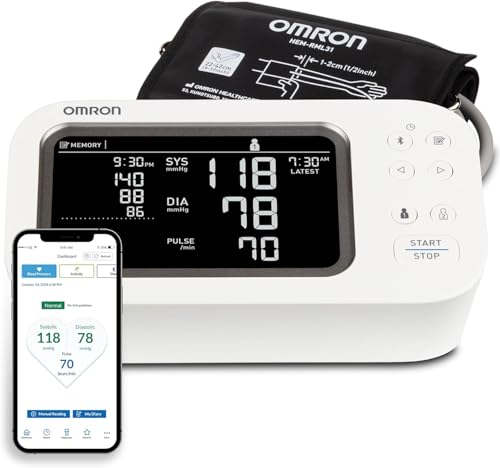
OMRON Platinum Blood Pressure Monitor for Home Use & Upper Arm Blood Pressure Cuff - #1 Doctor & Pharmacist Recommended Brand - Clinically Validated - AFib Detection - Connect App
CONFIDENCE IN EVERY READING: Monitor your heart health with the OMRON Platinum Upper Arm Blood Pressure Monitor's <strong>Advanced Accuracy with AFib Detection Technology</strong>; Store up to 10

WITHINGS Body Smart - Accurate Scale for Body Weight and Fat Percentage, Body Composition Wi-Fi and Bluetooth Weight Scale, Baby Weight Scale, Smart Scale Apple Health Compatible, Bathroom Scale
ACHIEVE YOUR WEIGHT GOALS FASTER - <strong>Reliably track your weight to within 50 g and view your weight trends directly on the scale's high-resolution color display</strong>. INCREASE MUSCLE MA
Health Disclaimer
This content is for informational purposes only and does not constitute medical advice. Always consult a qualified healthcare provider before starting, stopping, or changing any supplement or medication regimen.