

Aspirin
Overview
Aspirin (acetylsalicylic acid) is one of the most widely recognized medications in modern health care. It belongs to the nonsteroidal anti-inflammatory drug (NSAID) class and has long been used for its ability to reduce pain, fever, and inflammation. At lower doses, aspirin is also used in conventional medicine for its antiplatelet effects, meaning it can reduce blood clotting by making platelets less likely to stick together. This property has made it historically important in cardiovascular care.
Aspirin has a long medical history, with roots tracing back to willow bark and other salicylate-containing plants that were traditionally used for pain and fever. The modern pharmaceutical form became a landmark drug in the late 19th and early 20th centuries and remains a major subject of research. Despite its familiarity, aspirin is not a benign everyday remedy for everyone; its benefits depend heavily on context, dose, age, bleeding risk, and underlying medical conditions.
From a public health perspective, aspirin is significant because it sits at the intersection of common symptom relief and serious preventive medicine. Research has established roles for aspirin in selected cardiovascular settings, while also clarifying important risks such as gastrointestinal bleeding, hemorrhagic stroke, allergic reactions, kidney effects, and medication interactions. In children and teenagers with certain viral illnesses, aspirin has also been associated with Reye syndrome, a rare but serious condition.
Interest in aspirin extends beyond pain and heart health. Studies have explored possible effects in areas such as cancer prevention, pregnancy-related conditions, inflammation biology, and aging, but findings vary by population and indication. As a result, aspirin is best understood not as a universally appropriate wellness medication, but as a drug with clear pharmacologic actions, well-defined medical uses, and meaningful tradeoffs that warrant individualized assessment by qualified clinicians.
Medical Perspectives
Two Ways of Seeing Health

Western
scientific · clinical
Western medicine applies science, technology, and clinical experience to treat symptoms through testing, diagnosis, and targeted intervention.

Eastern
traditional · alternative
Eastern medicine focuses on treating the body naturally by applying traditional knowledge practiced for thousands of years, emphasizing balance and whole-person wellness.
Gold Bamboo presents both perspectives side-by-side so you can make informed decisions. We don't advocate for one over the other — your health choices are yours.
Western Medicine Perspective
Western Medicine Perspective
In conventional medicine, aspirin is understood primarily through its effect on the cyclooxygenase (COX) enzymes, especially COX-1 and COX-2. By irreversibly inhibiting these enzymes, aspirin decreases production of prostaglandins involved in pain, fever, and inflammation, and thromboxane A2, which promotes platelet aggregation. This mechanism explains why aspirin differs somewhat from many other NSAIDs: its platelet effect persists for the lifespan of the platelet, which is clinically important in clot prevention.
Modern medical use of aspirin falls into several distinct categories. One is symptom management, such as relief of mild to moderate pain and fever. Another is cardiovascular medicine, where aspirin has been widely studied for secondary prevention in people with established cardiovascular disease, such as prior heart attack, certain strokes, or other atherosclerotic disease. In those contexts, studies indicate aspirin can reduce the risk of recurrent vascular events. However, for primary prevention—use in people without known cardiovascular disease—the balance is more complex, because modest reductions in clotting events may be offset by bleeding risk.
Conventional medicine also pays close attention to aspirin’s adverse effects and contraindications. The best-known risks include stomach irritation, peptic ulcer disease, gastrointestinal bleeding, and intracranial bleeding. Aspirin can interact with anticoagulants, corticosteroids, some other NSAIDs, alcohol, and various prescription medications. Clinicians also consider conditions such as asthma sensitive to NSAIDs, kidney disease, bleeding disorders, and upcoming surgery. Public health guidance has become more selective over time, reflecting the reality that aspirin’s value depends on clinical setting rather than broad routine use.
In evidence-based practice, aspirin is considered a well-studied medication with strong data for certain indications and caution for others. Major organizations such as the U.S. Preventive Services Task Force, American Heart Association, FDA, and NICE have refined their guidance as new trials have clarified where aspirin offers net benefit and where harms may outweigh advantages.
Eastern & Traditional Perspective
Eastern/Traditional Medicine Perspective
Traditional medical systems generally do not discuss aspirin as a classical remedy, since it is a modern synthesized medication rather than a traditional herb or formula. However, many Eastern and traditional frameworks do address the symptom patterns aspirin is commonly used for—such as pain, fever, inflammation, and circulatory disturbance. In that sense, aspirin may be viewed not as part of the original materia medica, but as a modern agent used alongside or in contrast to traditional approaches.
In Traditional Chinese Medicine (TCM), symptoms such as pain and inflammatory swelling may be interpreted through patterns involving Qi stagnation, Blood stasis, Heat, or Wind invasion, depending on presentation and body system involved. Fever and acute aches might be categorized differently from chronic pain or vascular concerns. TCM traditionally approaches these patterns with individualized herbal formulas, acupuncture, dietary therapy, and broader constitutional assessment. While aspirin itself is not a TCM herb, salicylate-containing plants and anti-inflammatory botanicals have parallels in the broader history of natural medicine.
In Ayurveda, pain and inflammation are often discussed in relation to imbalances of Vata and Pitta, while circulatory or metabolic disturbances may be framed through concepts involving ama, rakta, or srotas. Classical Ayurvedic care aims to understand the terrain in which symptoms arise rather than focusing only on one molecular pathway. Similarly, naturopathic and integrative traditions may contextualize aspirin as one tool within a broader picture that includes diet, stress, inflammation, vascular health, and digestive resilience.
From an integrative perspective, an important practical consideration is that traditional herbs and supplements with antiplatelet or anticoagulant effects—such as ginkgo, garlic, ginger, turmeric, dong quai, and others—may theoretically or clinically increase bleeding risk when combined with aspirin. For that reason, integrative care models generally emphasize coordinated review of medications, supplements, and traditional remedies with qualified health professionals. The traditional perspective thus tends to focus less on aspirin as a healing substance in itself and more on how it fits into a person’s overall pattern, constitution, and combined therapy landscape.
Related Topics
Warfarin
Warfarin — medication topic in the Gold Bamboo health ontology.
How They Relate
Warfarin & Aspirin
Warfarin and aspirin both reduce blood clotting, but they act at different points in the clotting process. Warfarin is a vitamin K antagonist that lowers the activity of clotting factors produced b...
Supplements & Products
Recommended Products

Aspirin: The Remarkable Story of a Wonder Drug - Kindle edition by Jeffreys, Diarmuid. Professional & Technical Kindle eBooks @ Amazon.com.
Diarmuid Jeffreys is the author of Aspirin: The Remarkable Story of a Wonder Drug, which was <strong>nominated for the prestigious Aventis Prize for popular science books and chosen as one of the best

Bayer Aspirin Low Dose 81 mg, Enteric Coated Tablets, Doctor Recommended, Secondary Prevention of Cardiovascular Disease, 300 Safety Coated Tablets (Packaging may vary)
Bayer Aspirin 81mg Enteric Coated Tablets 300ct and 2 Count Travel Pack of Genuine Aspirin 325mg Coated Tablets · Amazon Basic Care Aspirin 81 mg Pain Reliever (NSAID) Chewable Tablets, Low Dose , Ora
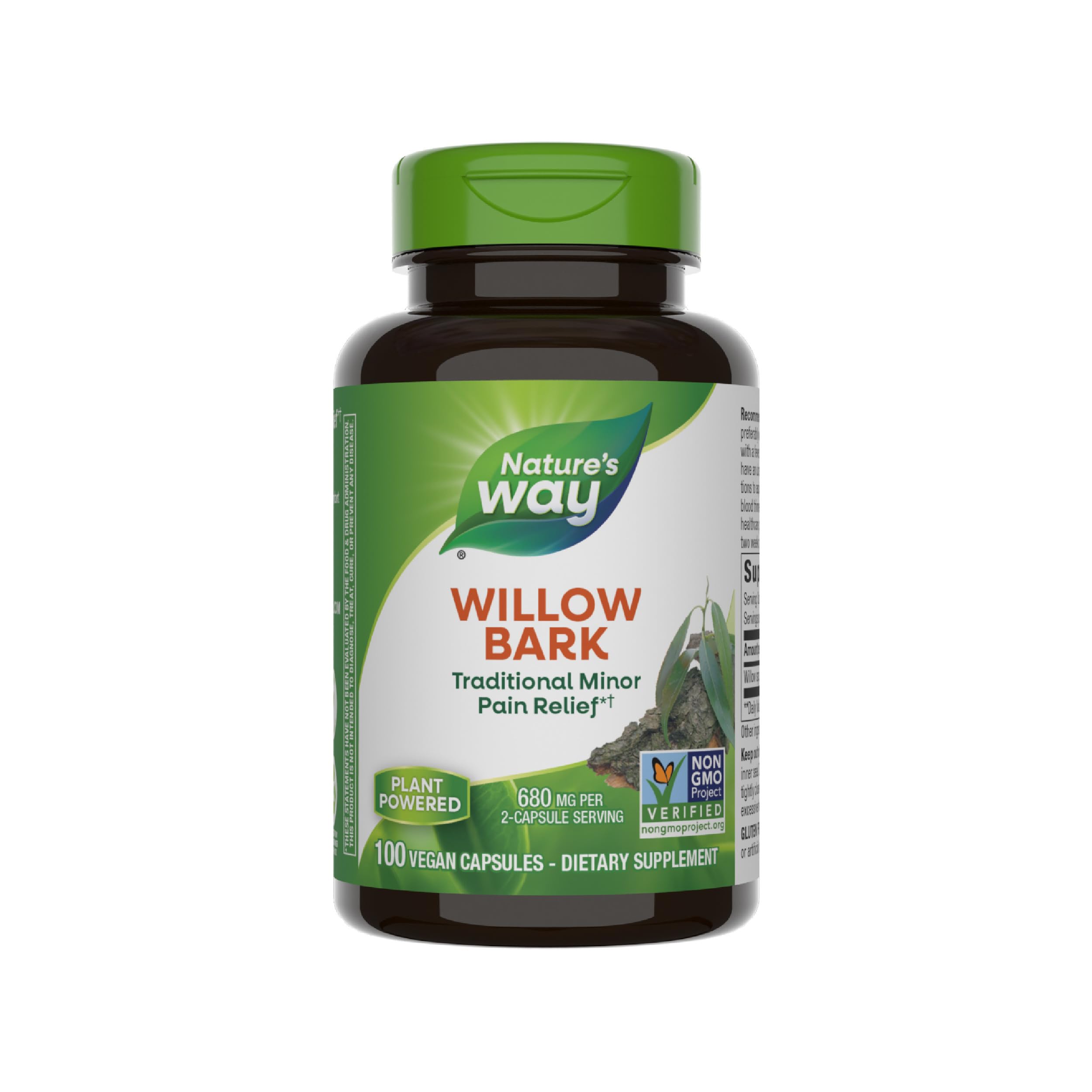
Nature's Way Willow Bark, Traditional Relief of Discomfort Due to Occasional Overexertion*, Non-GMO Project Verified, 680 mg per Serving, 100 Vegan Capsules : Everything Else
Buy Nature's Way Willow Bark, Traditional Relief of Discomfort Due to Occasional Overexertion*, Non-GMO Project Verified, 680 mg per Serving, 100 Vegan Capsules on Amazon.com ✓ FREE SHIPPING on q
Evidence & Sources
Supported by multiple clinical trials and systematic reviews
- U.S. Preventive Services Task Force (USPSTF)
- American Heart Association
- U.S. Food and Drug Administration (FDA)
- National Institute for Health and Care Excellence (NICE)
- The New England Journal of Medicine
- The Lancet
- Journal of the American Medical Association (JAMA)
- National Center for Complementary and Integrative Health (NCCIH)
This content is for informational purposes only and does not constitute medical advice. Always consult a qualified healthcare provider before starting, stopping, or changing any supplement or medication regimen.