

Warfarin and Aspirin
Warfarin and aspirin both reduce blood clotting, but they act at different points in the clotting process. Warfarin is a vitamin K antagonist that lowers the activity of clotting factors produced by the liver, which is tracked by the INR blood test. Aspirin is an antiplatelet drug that irreversibly blocks platelet activation and aggregation; it does not change the INR. Because they affect complementary pathways—coagulation factors and platelets—their combined effect can substantially increase protection against certain clot-related events but also amplifies bleeding risk. Clinically, the combination is reserved for specific situations where benefits clearly outweigh harms. Examples include some patients with mechanical heart valves (especially select prostheses or those with prior thromboembolism despite therapeutic INR), and short, guideline-limited periods after acute coronary syndromes or coronary stenting when an oral anticoagulant is already indicated (such as atrial fibrillation). Even in these settings, contemporary guidance favors minimizing the duration of overlap and, after stenting, often dropping aspirin early while continuing warfarin plus a P2Y12 inhibitor to reduce bleeding. In stable atrial fibrillation without recent coronary events, adding aspirin to warfarin generally increases bleeding without clear reduction in stroke or heart attack risk. Risks are quantifiable. Across cohorts, adding aspirin to warfarin increases major bleeding roughly 1.5–2-fold compared with warfarin alone, with little or no ischemic benefit outside select indications. Aspirin does not alter INR values, so a patient can have a therapeutic INR and still bleed more easily due to impaired platelet function. Warning signs include black or tarry stools, blood in urine or vomit, prolonged nose or gum bleeding, large or unexplained bruises, unusual weakness or dizziness, or sudden severe headache or neurologic symptoms. Monitoring typically includes regular INR checks for warfarn
Updated September 8, 2026This content is for informational purposes only and does not constitute medical advice. Always consult a qualified healthcare provider before starting, stopping, or changing any supplement or medication regimen.
Shared Risk Factors
Advanced age (≥65–75 years)
Strong EvidenceAge-related vascular fragility, comorbidities, and polypharmacy raise bleeding risk when anticoagulants and antiplatelets are combined.
History of gastrointestinal ulcer or bleed / H. pylori infection
Strong EvidencePrior GI injury and active H. pylori increase mucosal vulnerability, compounding antithrombotic-related bleeding.
Concomitant NSAIDs, corticosteroids, or SSRIs/SNRIs
Strong EvidenceThese agents either injure GI mucosa (NSAIDs/steroids) or impair platelet function (SSRIs/SNRIs), elevating bleed risk with both drugs.
Renal or hepatic impairment
Moderate EvidenceOrgan dysfunction alters drug metabolism and hemostasis, increasing bleeding tendency.
Alcohol use and poor INR stability (low time-in-therapeutic-range)
Moderate EvidenceAlcohol and variable vitamin K intake destabilize INR; unstable anticoagulation plus aspirin heightens bleed risk.
Low body weight, frailty, and high fall risk
Moderate EvidenceTrauma-related and spontaneous bleeding are more likely when reserve is low and falls are common.
Overlapping Treatments
Proton pump inhibitor (PPI) gastroprotection
Strong EvidenceReduces upper GI bleeding when warfarin is required and gastric risk is high.
Mitigates aspirin-related ulceration and bleeding.
Consider drug–drug interactions and long-term PPI risks; tailor to individual GI risk.
Helicobacter pylori testing and eradication in ulcer-prone patients
Strong EvidenceLowers risk of warfarin-associated GI bleeding precipitated by ulcers.
Reduces aspirin-related recurrent ulcer bleeding.
Confirm eradication per local practice; coordinate with prescribers.
Careful antithrombotic regimen selection post-PCI (e.g., favoring warfarin + single P2Y12 inhibitor and minimizing aspirin duration when appropriate)
Strong EvidenceMaintains anticoagulation for stroke prevention while lowering bleeding versus prolonged triple therapy.
Limits aspirin exposure to periods of highest stent thrombosis risk.
Requires cardiology guidance; patient-specific ischemic vs. bleeding risk assessment.
Optimize INR management (time in therapeutic range)
Strong EvidenceStable INR lowers warfarin-related hemorrhage and thromboembolism.
While aspirin does not affect INR, a stable INR narrows total hemostatic disturbance when agents are combined.
Frequent monitoring during medication or diet changes; use standardized management protocols.
Blood pressure control and fall-prevention strategies
Moderate EvidenceReduces traumatic and spontaneous intracranial hemorrhage risk on anticoagulation.
Lowers severity of bleeding events while on aspirin.
Multifactorial approach: home safety, vision/hearing, physical therapy as indicated.
Gastrointestinal risk reduction behaviors (avoid nonessential NSAIDs/alcohol; treat reflux)
Moderate EvidenceFewer mucosal bleeds while anticoagulated.
Reduces additive GI toxicity with aspirin.
Coordinate with clinicians for alternative pain strategies and alcohol counseling as needed.
Medical Perspectives
Two Ways of Seeing Health

Western
scientific · clinical
Western medicine applies science, technology, and clinical experience to treat symptoms through testing, diagnosis, and targeted intervention.
Surgeons · Pharmaceuticals · Clinical trials · Diagnostics 
Eastern
traditional · alternative
Eastern medicine focuses on treating the body naturally by applying traditional knowledge practiced for thousands of years, emphasizing balance and whole-person wellness.
Acupuncture · Herbal medicine · Yoga · Meditation
Gold Bamboo presents both perspectives side-by-side so you can make informed decisions. We don't advocate for one over the other — your health choices are yours.
Two Ways of Seeing Health
Western
scientific · clinical
Western medicine applies science, technology, and clinical experience to treat symptoms through testing, diagnosis, and targeted intervention.
Eastern
traditional · alternative
Eastern medicine focuses on treating the body naturally by applying traditional knowledge practiced for thousands of years, emphasizing balance and whole-person wellness.
Gold Bamboo presents both perspectives side-by-side so you can make informed decisions. We don't advocate for one over the other — your health choices are yours.
Western Perspective
Western clinical practice views warfarin and aspirin as mechanistically complementary—warfarin suppresses vitamin K–dependent clotting factors (tracked by INR), and aspirin irreversibly inhibits platelet aggregation—so the combination can reduce thrombosis in select high-risk scenarios. However, the combination substantially increases major bleeding, so guidelines restrict its use to clearly defined indications and for the shortest necessary duration.
Key Insights
- Combined warfarin–aspirin therapy increases major bleeding by roughly 1.5–2× versus warfarin alone, with limited ischemic benefit in most indications.
- In atrial fibrillation without recent acute coronary events or mechanical valves, adding aspirin to warfarin generally confers harm without stroke reduction.
- After PCI or acute coronary syndrome in patients who require oral anticoagulation, contemporary guidance favors minimizing or avoiding triple therapy and dropping aspirin early, maintaining warfarin plus a P2Y12 inhibitor.
- For mechanical heart valves, adjunctive aspirin may be considered in specific prostheses or in patients with prior thromboembolism despite therapeutic INR; routine use for all valves is no longer universal.
- PPIs, H. pylori eradication, NSAID avoidance, and blood pressure control reduce bleeding complications when overlap is necessary.
Treatments
- Warfarin titrated to guideline INR targets; aspirin used only when a clear indication exists
- Early transition from triple therapy to dual therapy after PCI when feasible
- Proton pump inhibitor co-therapy for high GI risk
- Testing and eradication of H. pylori in ulcer-prone patients
Deep Dive
From a western clinical standpoint, warfarin and aspirin target distinct but complementary steps in hemostasis. Warfarin reduces the hepatic syn... From a western clinical standpoint, warfarin and aspirin target distinct but complementary steps in hemostasis. Warfarin reduces the hepatic synthesis of vitamin K–dependent clotting factors (II, VII, IX, X) and is monitored by the INR. Aspirin irreversibly acetylates platelet cyclooxygenase-1, blocking thromboxane A2–mediated aggregation for the lifespan of the platelet. When used together, the antithrombotic effect can be additive: fewer fibrin-rich clots due to diminished coagulation factors and fewer platelet-rich clots due to impaired primary hemostasis. This synergy can be lifesaving in carefully selected contexts but carries a well-quantified bleeding penalty. Evidence from registries and trials shows that the combination increases major bleeding by roughly 1.5–2 times compared with warfarin alone, with marginal or no additional protection from stroke or myocardial infarction in many patients. As a result, guidelines now limit combined therapy to specific scenarios. In atrial fibrillation without recent acute coronary syndrome (ACS) or stenting, warfarin alone is generally preferred; the addition of aspirin tends to harm. In patients with AF who undergo PCI or have recent ACS, early strategies once used prolonged triple therapy (warfarin, aspirin, and a P2Y12 inhibitor). Contemporary trials (e.g., WOEST, AUGUSTUS) and expert pathways support minimizing the duration of triple therapy and dropping aspirin promptly, continuing warfarin plus a P2Y12 inhibitor to reduce bleeding without more ischemic events. For mechanical valves, the 2020 ACC/AHA guideline no longer recommends routine aspirin for all prostheses; adjunctive low-dose aspirin is now considered in select valves (e.g., certain On‑X protocols) or in those with embolic events despite therapeutic INR. Aspirin does not alter INR, so patients can present with normal INR yet have substantial bleeding because platelet function is inhibited. Clinicians therefore monitor INR for warfarin effect, but also watch for clinical bleeding and hemoglobin drops. Risk mitigation includes PPI co-therapy in high GI-risk patients, testing and eradication of H. pylori in ulcer-prone individuals, avoidance of NSAIDs and interacting drugs (e.g., SSRIs/SNRIs where possible), and rigorous INR management to maximize time in therapeutic range. Perioperative plans typically hold warfarin before procedures, consider heparin bridging only for high thromboembolic risk (e.g., mechanical mitral valve), and individualize aspirin management based on procedural bleeding risk. The central clinical task is balancing ischemic and hemorrhagic risks using guideline frameworks and patient preferences.
Sources
- Barnes GD et al. JAMA Intern Med. 2019;179(4):533-541.
- Steinberg BA et al. Circulation. 2013;128(7):721-728.
- Levine GN et al. 2016 ACC/AHA Guideline Focused Update on DAPT.
- ACC 2020 Expert Consensus Decision Pathway for Anticoagulant and Antiplatelet Therapy in AF undergoing PCI.
- Otto CM et al. 2020 ACC/AHA Guideline for the Management of Patients With Valvular Heart Disease.
- Douketis JD et al. CHEST. 2022;161(5):e247S-e338S (Perioperative antithrombotic guideline).
- Dewilde WJM et al. WOEST. Lancet. 2013;381:1107-1115.
- Lopes RD et al. AUGUSTUS. N Engl J Med. 2019;380:1509-1524.
Eastern Perspective
Traditional and integrative medicine emphasize individualized risk balance, protection of digestive integrity, and avoidance of herb–drug combinations that intensify bleeding. Within systems like Traditional Chinese Medicine (TCM) and Ayurveda, many botanicals are considered “blood-moving” and may synergize with pharmaceutical antithrombotics, so the focus is on safety: preventing mucosal injury, stabilizing diet, and coordinating care to avoid additive effects.
Key Insights
- Herbs with blood-thinning or antiplatelet properties (e.g., ginkgo, garlic, ginger, turmeric/curcumin, danshen, dong quai) may potentiate bleeding when combined with warfarin and/or aspirin.
- Digestive protection aligns with TCM concepts of safeguarding the Stomach and Spleen; practical measures include gentle diet, managing reflux, and avoiding irritants to reduce GI bleeding risk.
- Acupuncture and manual therapies are sometimes modified (shallower needling, avoiding aggressive cupping) in people on antithrombotics to minimize bruising and bleeding.
- Dietary consistency—especially stable intake of vitamin K–rich greens—helps maintain steady warfarin effect; sudden changes are discouraged in integrative counseling.
- Mind–body practices (e.g., tai chi, yoga) are used for fall-prevention and cardiovascular wellness without increasing bleeding risk.
Treatments
- Avoid or carefully review blood-moving herbs and high-dose nutraceuticals with antithrombotic effects
- Gentle, noninvasive modalities (mind–body exercise, fall-prevention, stress reduction)
- Digestive support and reflux management to protect mucosa
- Dietary counseling for consistent vitamin K intake rather than avoidance
Deep Dive
Traditional and integrative perspectives approach the warfarin–aspirin combination by centering safety, digestive integrity, and whole-person ri... Traditional and integrative perspectives approach the warfarin–aspirin combination by centering safety, digestive integrity, and whole-person risk reduction. In Traditional Chinese Medicine (TCM) and Ayurveda, many botanicals are classified as “blood-moving” or “rakta-pravartaka,” reflecting their historical use to disperse stasis. Examples include ginkgo, garlic, ginger, turmeric (curcumin), danshen (Salvia miltiorrhiza), and dong quai (Angelica sinensis). While these agents may have desirable circulatory effects in isolation, integrative practice cautions that, when layered onto pharmaceutical antithrombotics, they can tip the balance toward “reckless bleeding.” Case reports and pharmacologic studies support this concern, particularly with ginkgo and danshen in patients taking warfarin. Integrative care emphasizes protecting the gastrointestinal lining, a theme consonant with TCM concepts of safeguarding the Stomach and Spleen. Practical measures include gentle dietary patterns, managing reflux, and avoiding mucosal irritants such as alcohol and unnecessary NSAIDs, which otherwise interact additively with aspirin and complicate warfarin management. Dietary consistency—especially stable intake of vitamin K–rich greens—is encouraged to keep warfarin effect steady rather than eliminating healthy foods. Where antithrombotic overlap is clinically necessary, supportive strategies like proton pump inhibitor co-therapy and assessment for H. pylori can be framed as protecting the body’s ability to maintain hemostatic balance while still addressing thrombotic risk. Nonpharmacologic modalities are tailored to minimize trauma: acupuncture may be performed with gentler techniques and careful point selection to avoid bruising; vigorous cupping or deep tissue manipulation is often avoided. Mind–body and movement practices (tai chi, yoga, balance training) are used to reduce fall risk and support cardiovascular health without increasing bleeding. Communication is paramount: practitioners routinely cross-check herbs, supplements, and over-the-counter products with prescribers to prevent unintended interactions. In this way, integrative medicine aligns with western goals—optimize benefit and reduce harm—while attending to the lived experience of patients managing complex antithrombotic regimens.
Sources
- NCCIH. Anticoagulants and Herb–Drug Interactions (fact sheets).
- Izzo AA, Ernst E. Drugs. 2009;69(13):1777-1798 (Herb–drug interactions).
- Jiang X et al. Ann Pharmacother. 2005;39(12):2086-2090 (Ginkgo–warfarin case reports).
- Chan FKL et al. N Engl J Med. 2001;344:967-973 (H. pylori and aspirin-related ulcer bleeding).
- WHO Benchmarks for Training in Traditional Chinese Medicine (context for safety adaptations).
Evidence Ratings
Adding aspirin to warfarin increases major bleeding compared with warfarin alone by approximately 1.5–2-fold.
Barnes GD et al. JAMA Intern Med. 2019;179:533-541; Steinberg BA et al. Circulation. 2013;128:721-728.
In atrial fibrillation without recent ACS/PCI or mechanical valves, warfarin plus aspirin does not reduce ischemic events but increases bleeding.
Steinberg BA et al. Circulation. 2013;128:721-728.
After PCI in patients needing oral anticoagulation, minimizing triple therapy and discontinuing aspirin early reduces bleeding without more ischemic events.
Dewilde WJM et al. WOEST. Lancet. 2013;381:1107-1115; ACC 2020 Expert Consensus Pathway; Lopes RD et al. AUGUSTUS. N Engl J Med. 2019;380:1509-1524.
Adjunctive aspirin may be considered for specific mechanical heart valve scenarios; routine use for all mechanical valves is not universal in recent guidelines.
Otto CM et al. 2020 ACC/AHA Valve Guideline.
Aspirin does not affect INR; its bleeding effect is independent of INR because it impairs platelet function.
Holbrook A et al. CHEST. 2012;141(2 Suppl):e152S-e184S (Antithrombotic therapy and monitoring).
PPIs reduce upper GI bleeding in patients taking antithrombotic therapy.
Bhatt DL et al. Circulation. 2008;118:1894-1909 (Consensus); Moayyedi P et al. Am J Gastroenterol. 2019;114:130-139.
H. pylori eradication lowers recurrent ulcer bleeding in aspirin users.
Chan FKL et al. N Engl J Med. 2001;344:967-973.
SSRIs/SNRIs and NSAIDs increase bleeding risk when combined with antithrombotics.
Jiang HY et al. J Clin Psychopharmacol. 2015;35:559-565; Lanas A et al. Am J Gastroenterol. 2011;106:973-980.
Sources
- Barnes GD et al. Association of Adding Aspirin to Warfarin Therapy Without an Apparent Indication With Bleeding and Other Adverse Events. JAMA Intern Med. 2019;179(4):533-541.
- Steinberg BA et al. Use and Associated Risks of Concomitant Aspirin Therapy With Oral Anticoagulation in Atrial Fibrillation. Circulation. 2013;128(7):721-728.
- Dewilde WJM et al. Use of clopidogrel with or without aspirin in patients taking oral anticoagulant therapy (WOEST). Lancet. 2013;381:1107-1115.
- Lopes RD et al. Antithrombotic Therapy after Acute Coronary Syndrome or PCI in Atrial Fibrillation (AUGUSTUS). N Engl J Med. 2019;380:1509-1524.
- Otto CM et al. 2020 ACC/AHA Guideline for the Management of Patients With Valvular Heart Disease. Circulation. 2021;143:e72–e227.
- Levine GN et al. 2016 ACC/AHA Guideline Focused Update on Duration of Dual Antiplatelet Therapy. Circulation. 2016;134:e123–e155.
- ACC 2020 Expert Consensus Decision Pathway on Management of Bleeding and on Anticoagulant and Antiplatelet Therapy in AF/PCI (Journal of the American College of Cardiology).
- Douketis JD et al. Perioperative Management of Antithrombotic Therapy. CHEST. 2022;161(5):e247S–e338S.
- Holbrook A et al. Evidence-Based Management of Anticoagulant Therapy. CHEST. 2012;141(2 Suppl):e152S–e184S.
- Bhatt DL et al. ACCF/ACG/AHA 2008 Expert Consensus Document on Reducing the GI Risks of Antiplatelet Therapy and NSAID Use. Circulation. 2008;118:1894–1909.
- Moayyedi P et al. PPIs and Risk of Upper GI Bleeding while on Antithrombotics. Am J Gastroenterol. 2019;114:130–139.
- Chan FKL et al. Eradication of Helicobacter pylori and risk of recurrent bleeding in aspirin users. N Engl J Med. 2001;344:967–973.
- Jiang HY et al. Use of SSRIs and risk of upper GI bleeding: a meta-analysis. J Clin Psychopharmacol. 2015;35:559–565.
- Izzo AA, Ernst E. Interactions Between Herbal Medicines and Prescribed Drugs. Drugs. 2009;69(13):1777–1798.
Related Topics
Recommended Products
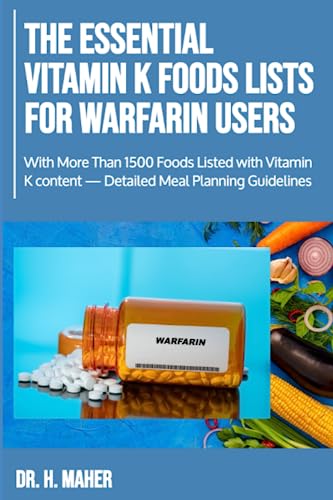
The Essential Vitamin K Foods Lists for Warfarin Users: With More Than 1500 Foods Listed with Vitamin K content — Detailed Meal Planning Guidelines: Maher, Dr. H.
Drawing upon the latest scientific insights, this book is <strong>designed to serve as your vital aid in maintaining a steady Vitamin K intake while keeping your INR within its therapeutic range durin

Dolceoro Medical Alert ID Bracelet for Medication COUMADIN - Stretchable Modular Charm Link for Women and Men - Stainless Steel : Clothing, Shoes & Jewelry
Buy Dolceoro Medical Alert ID Bracelet for Medication COUMADIN - Stretchable Modular Charm Link for Women and Men - Stainless Steel: Shop top fashion brands Clothing, Shoes & Jewelry at Amazon.com
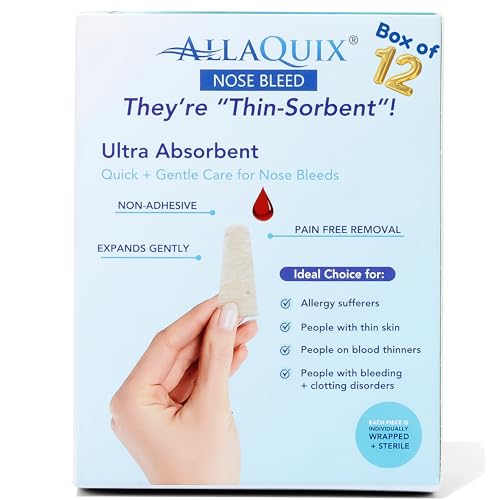
AllaQuix Nose Bleed Stopper – Hemostatic Gauze Plugs Made with Calcium Alginate (Box of 12) – Fast Relief for Nosebleeds | Highly Absorbent, Soft, Sterile, Safe for Blood Thinners
Stops Nosebleeds Quickly With Dual-Action Hemostatic Power – <strong>made from calcium alginate to absorb blood and accelerate clotting for fast, effective relief</strong> · Medical-Grade Solution for
Health Disclaimer
This content is for informational purposes only and does not constitute medical advice. Always consult a qualified healthcare provider before starting, stopping, or changing any supplement or medication regimen.