

Stroke
Overview
Stroke is a medical condition in which blood flow to part of the brain is interrupted or a blood vessel in the brain ruptures, leading to injury of brain tissue. The two major categories are ischemic stroke, caused by a blocked artery, and hemorrhagic stroke, caused by bleeding in or around the brain. A related event, transient ischemic attack (TIA), involves temporary neurologic symptoms from reduced blood flow without lasting infarction, but it is widely recognized as an important warning sign for future stroke risk. Because brain cells are highly dependent on oxygen and glucose, stroke can rapidly impair movement, speech, vision, sensation, cognition, swallowing, and consciousness.
Stroke remains one of the leading causes of death and long-term disability worldwide. Research from major public health organizations indicates that age, high blood pressure, diabetes, smoking, atrial fibrillation, elevated cholesterol, obesity, physical inactivity, and prior cardiovascular disease all contribute substantially to risk. Stroke burden also reflects social and structural factors, including access to preventive care, emergency services, rehabilitation, nutrition, and long-term support. Outcomes vary widely depending on the area of the brain affected, the size of the injury, the speed of treatment, and the person’s overall health status.
Clinically, stroke is considered a time-sensitive emergency. Sudden facial drooping, arm weakness, speech difficulty, severe headache, loss of balance, confusion, or visual changes are among the hallmark warning signs. Conventional neurology emphasizes urgent evaluation because some ischemic strokes may be eligible for clot-dissolving therapy or mechanical clot retrieval within carefully defined time windows, while hemorrhagic stroke requires a different emergency approach focused on bleeding control and intracranial pressure management. Early rehabilitation is also central, as recovery may continue over months to years through neuroplasticity, compensatory strategies, and supportive therapies.
From an integrative health standpoint, stroke is not only an acute neurologic event but also a condition with long-term physical, cognitive, emotional, and social dimensions. Many people live with persistent challenges such as weakness, spasticity, aphasia, fatigue, depression, pain, or difficulty with activities of daily living. This broader picture has led to interest in multidisciplinary care that includes rehabilitation medicine, nursing, speech therapy, psychology, nutrition, and, in some settings, traditional and complementary approaches used alongside standard care. Evidence quality varies considerably across these complementary modalities, and any post-stroke integrative care is generally framed as adjunctive and individualized in consultation with qualified healthcare professionals.
Medical Perspectives
Two Ways of Seeing Health

Western
scientific · clinical
Western medicine applies science, technology, and clinical experience to treat symptoms through testing, diagnosis, and targeted intervention.

Eastern
traditional · alternative
Eastern medicine focuses on treating the body naturally by applying traditional knowledge practiced for thousands of years, emphasizing balance and whole-person wellness.
Gold Bamboo presents both perspectives side-by-side so you can make informed decisions. We don't advocate for one over the other — your health choices are yours.
Western Medicine Perspective
Western Medicine Perspective
In conventional medicine, stroke is understood primarily as a cerebrovascular disorder resulting from vessel occlusion or rupture. Diagnostic evaluation typically aims to distinguish ischemic from hemorrhagic stroke rapidly, since treatment strategies differ substantially. Brain imaging such as CT or MRI is central, often accompanied by vascular imaging, cardiac assessment, blood pressure evaluation, glucose testing, and investigation of potential causes such as atrial fibrillation, carotid disease, small vessel disease, or hypercoagulable states. Modern stroke care also classifies stroke by mechanism, including large artery atherosclerosis, cardioembolism, small vessel occlusion, and other less common etiologies.
For acute ischemic stroke, research supports highly time-dependent interventions such as intravenous thrombolysis in selected patients and mechanical thrombectomy for eligible large-vessel occlusions. For hemorrhagic stroke, management may include blood pressure control, reversal of anticoagulation when relevant, neurosurgical evaluation, and monitoring for complications like hydrocephalus or raised intracranial pressure. Across both major stroke types, hospital-based stroke units are associated with improved outcomes, reflecting the importance of coordinated acute care, complication prevention, and early mobilization.
Longer-term conventional management focuses on secondary prevention and rehabilitation. Studies indicate that controlling blood pressure, managing diabetes, addressing atrial fibrillation, reducing tobacco exposure, improving lipid profiles, and using antiplatelet or anticoagulant strategies when appropriate can reduce recurrent stroke risk. Rehabilitation commonly includes physical therapy, occupational therapy, speech-language therapy, cognitive rehabilitation, and psychosocial support. Western medicine also recognizes post-stroke depression, caregiver strain, and social determinants of health as important factors influencing recovery and quality of life. While some complementary practices are being studied in rehabilitation settings, they are generally viewed as adjuncts rather than replacements for evidence-based stroke care.
Eastern & Traditional Perspective
Eastern/Traditional Medicine Perspective
In Traditional Chinese Medicine (TCM), stroke has often been discussed under concepts historically translated as disorders resembling “wind stroke,” in which sudden collapse, paralysis, speech disturbance, or facial deviation may be interpreted through patterns involving internal wind, phlegm, blood stasis, liver yang rising, qi deficiency, or heat. Rather than focusing solely on a blocked or ruptured vessel, TCM pattern differentiation considers the overall terrain of imbalance before and after the event. In traditional practice, the acute and recovery phases may be conceptualized differently, with the recovery phase often emphasizing restoration of qi and blood circulation, support for functional recovery, and reduction of residual numbness, weakness, or speech difficulties.
Modalities used in East Asian traditional medicine may include acupuncture, moxibustion, herbal formulations, tui na, and movement practices such as tai chi or qigong during rehabilitation-oriented phases. Contemporary research has explored acupuncture in post-stroke recovery, particularly for motor function, spasticity, swallowing impairment, and aphasia. Findings are mixed: some studies and meta-analyses suggest possible benefit in selected rehabilitation outcomes, while overall evidence quality is often limited by heterogeneity, small sample sizes, and variable trial methodology. As a result, these approaches are generally described in the literature as complementary rather than definitive.
In Ayurveda, stroke-like conditions are often discussed in relation to pakshaghata and broader disturbances of vata dosha, especially when paralysis, impaired movement, speech disruption, or sensory deficits are present. Traditional Ayurvedic frameworks may interpret the condition as involving deranged vata obstructed by other doshas or tissue factors, with recovery-oriented care aimed at supporting nervous system function, circulation, digestion, and strength. Practices described in traditional sources and contemporary Ayurvedic settings may include herbal preparations, oil-based external therapies, massage, sudation, dietary regulation, and restorative routines, though rigorous modern evidence for these interventions in stroke recovery remains limited.
Naturopathic and other traditional systems often emphasize whole-person recovery, including nutrition, stress regulation, sleep, mood, gentle physical reconditioning, and caregiver support. These themes overlap with rehabilitation medicine, even where the explanatory models differ. Across all traditional approaches, the strongest contemporary caveat is that stroke is an emergency condition requiring prompt conventional diagnosis and treatment, while traditional therapies—if used—are typically considered part of longer-term supportive care under appropriate professional supervision.
Related Topics
Migraine
Migraine — condition topic in the Gold Bamboo health ontology.
Sleep Apnea
Sleep Apnea — condition topic in the Gold Bamboo health ontology.
How They Relate
Migraine & Stroke
Migraine is a common neurological disorder marked by recurrent headaches and sensory disturbances; stroke is an acute cerebrovascular event that can cause lasting disability. Understanding how they...
Stroke & Sleep Apnea
Stroke and sleep apnea are tightly linked conditions with important implications for prevention, acute care, and recovery. Sleep-disordered breathing—especially obstructive sleep apnea (OSA)—is com...
Supplements & Products
Recommended Products
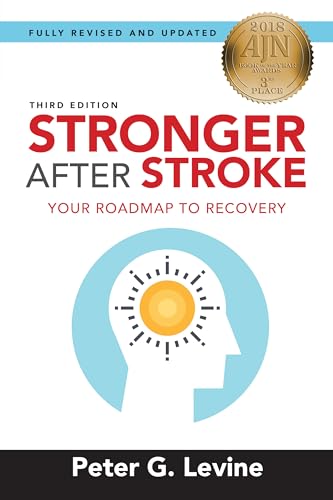
Stronger After Stroke, Third Edition: Your Roadmap to Recovery: Levine, Peter G
Now in its third edition, Stronger After Stroke <strong>puts the power of recovery in the reader's hands by providing simple-to-follow instructions for reaching the highest possible level of reco
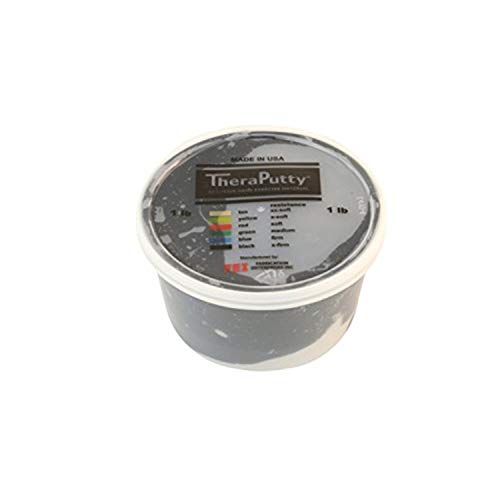
CanDo Theraputty Plus Hand Exercise Putty for Rehabilitation, Exercises, Hand Thearpy, Occupational Therapy, Hand Strengthening, Improve Motor Skills, Stress Relief 1-Pound 6-Piece Set
<strong>Available in six industry standard color-coded resistance levels</strong>, CanDo TheraPutty Plus hand putty has different firmnesses ranging from xx-soft for strengthening the weakest grasp to
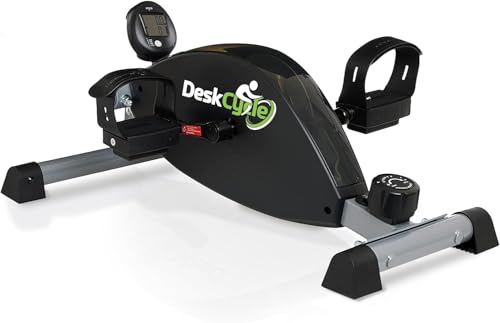
DeskCycle Under Desk Bike Pedal Exerciser - Stationary Bikes for Home & Office - Standard and Adjustable Height Versions
Adjustable Height: The DeskCycle 2 exercise bike is adjustable from 9"-10" tall. Drop it down to 9" for the desk bike pedal exerciser to be compatible with desks as low as 27" ...
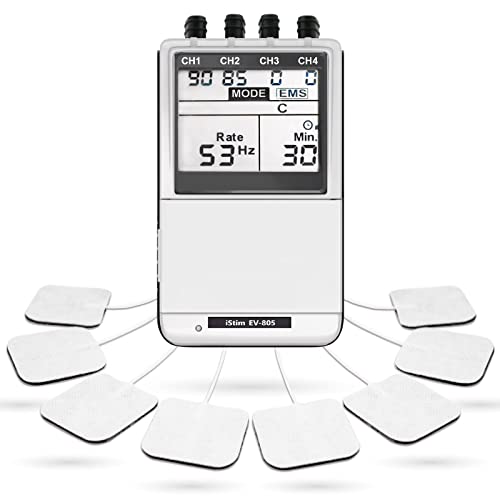
iSTIM EV-805 TENS EMS 4 Channel Rechargeable Combo Machine Unit - Muscle Stimulator + Back Pain Relief and Management- 24 Programs/Backlit (Including Electrodes Pads)
4 in 1 - D.I.Y & Tens Unit & EMS & Massage Muscle Stimulator, Dual Channel TENS Units Therapy Machine for Pain Relief, <strong>FDA Cleared Rechargeable Electronic Pulse Massager,with 12pcs
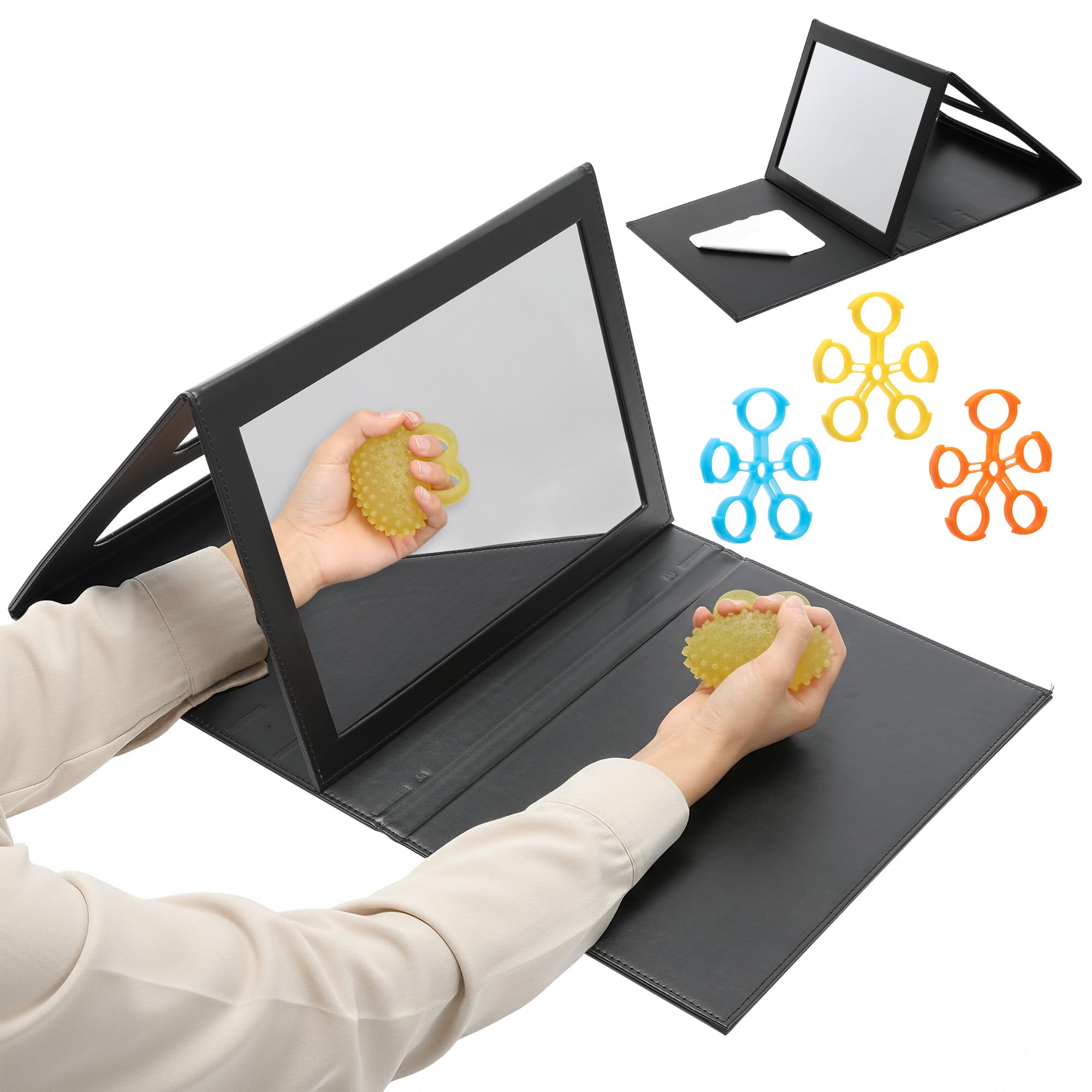
Mirror Therapy Box for Stroke Rehabilitation - Large Visual Range, Folding & Adjustable Mirror Box for Hand & Arm Exercise
Achieva SMART Mirror Box Therapy, One Hand Use. Mirror Position Adjusts. Cutout for Air Flow and Therapist View for Occupational, Physical Rehab, Phantom Limb Pain, Stroke Rehabilitation, CRPS.
Evidence & Sources
Supported by multiple clinical trials and systematic reviews
- World Health Organization (WHO)
- American Heart Association/American Stroke Association
- National Institute of Neurological Disorders and Stroke (NINDS)
- Centers for Disease Control and Prevention (CDC)
- The Lancet Neurology
- Stroke
- New England Journal of Medicine
- Cochrane Database of Systematic Reviews
- National Center for Complementary and Integrative Health (NCCIH)
- BMJ
This content is for informational purposes only and does not constitute medical advice. Always consult a qualified healthcare provider before starting, stopping, or changing any supplement or medication regimen.