

Migraine and Stroke
Migraine is a common neurological disorder marked by recurrent headaches and sensory disturbances; stroke is an acute cerebrovascular event that can cause lasting disability. Understanding how they relate helps patients and clinicians balance vigilance with perspective. Epidemiologically, people with migraine—especially migraine with aura—have a higher relative risk of ischemic stroke than those without migraine. Meta-analyses and large cohort studies estimate about a twofold increase for migraine with aura, with the association strongest in women under 45 and in those who smoke or use estrogen-containing contraceptives. Absolute risk in younger adults remains low: in otherwise healthy young women, ischemic stroke may occur on the order of a few to several cases per 10,000 person-years, rising with combined risk factors. A smaller, less consistent increase has been seen for hemorrhagic stroke in women with active aura; the absolute risk is very low. Biologically, several pathways may connect migraine and stroke. Cortical spreading depression, which underlies aura, alters cerebral blood flow and may promote metabolic stress. Endothelial dysfunction, inflammation, platelet activation, and hypercoagulability have been observed in migraine, potentially predisposing to ischemia. Patent foramen ovale (PFO), more prevalent in migraine with aura, could enable paradoxical emboli in a subset of patients. Rarely, a prolonged aura with corresponding ischemic lesions is termed migrainous infarction. Shared and modifying risk factors include smoking, hypertension, oral contraceptives with estrogen, and migraine frequency/severity. Smoking and estrogen-containing contraceptives together with aura markedly amplify relative stroke risk compared with either factor alone. Genetic predispositions and coexisting vascular risk burdens further modify risk. Clinically, distinguishing migrainous aura from transient ischemic attack (TIA) is crucial: aura typically features gradually “sp-"
Updated September 8, 2026This content is for informational purposes only and does not constitute medical advice. Always consult a qualified healthcare provider before starting, stopping, or changing any supplement or medication regimen.
Shared Risk Factors
Smoking (especially with migraine with aura)
Moderate EvidenceCigarette smoking independently increases vascular risk and appears to synergize with migraine with aura to further elevate ischemic stroke risk.
Estrogen-containing hormonal contraception
Strong EvidenceCombined hormonal contraceptives (CHCs) are associated with higher ischemic stroke risk, particularly in women with migraine with aura; risk varies with estrogen dose and individual factors.
Hypertension and vascular risk burden (lipids, diabetes, obesity)
Strong EvidenceTraditional cardiovascular risk factors additively raise stroke risk and may coexist in people with migraine.
Migraine with aura and attack frequency
Moderate EvidenceMigraine with aura confers higher stroke risk than migraine without aura; some data suggest higher attack frequency may relate to higher risk.
Patent foramen ovale (PFO) and thrombophilia
Moderate EvidencePFO is more prevalent in migraine with aura; thrombophilic states and paradoxical embolism may link to cryptogenic stroke in a subset.
Pregnancy/postpartum and hypertensive disorders of pregnancy
Emerging ResearchPregnancy-related hemodynamic and coagulation changes, and disorders such as preeclampsia, interact with migraine to modify stroke risk.
Comorbidity Data
Prevalence
Meta-analyses indicate ~2-fold increased relative risk of ischemic stroke in migraine with aura vs non-migraine; risk is smaller or null for migraine without aura. Absolute risk in young adults remains low (on the order of several per 10,000 person-years), higher with combined risk factors (smoking, estrogen-containing contraceptives). Hemorrhagic stroke risk shows a smaller increase in women with active aura but remains rare.
Mechanistic Link
Proposed links include cortical spreading depression causing transient perfusion/metabolic mismatch; endothelial dysfunction and microvascular reactivity; platelet activation and prothrombotic states; inflammation; paradoxical embolism through PFO; and, rarely, vasospasm or reversible cerebral vasoconstriction leading to ischemia or hemorrhage.
Clinical Implications
Clinicians should differentiate aura from TIA/stroke, screen and manage vascular risk factors in migraine patients (especially with aura), avoid or individualize exposure to estrogen-containing contraceptives in high-risk individuals, and consider non-vasoconstrictive acute migraine therapies in patients with cerebrovascular disease. Acute new focal deficits warrant emergency stroke evaluation.
Sources (5)
- Schürks M et al. Migraine and cardiovascular disease: systematic review and meta-analysis. BMJ. 2009.
- Adelborg K et al. Migraine and risk of cardiovascular diseases: Danish nationwide cohort. BMJ. 2018.
- Kurth T et al. Migraine and risk of hemorrhagic stroke in women. JAMA. 2010.
- Sacco S et al. European Headache Federation consensus on migraine and stroke. J Headache Pain. 2013.
- AHA/ASA Guideline: Stroke prevention in women. Stroke. 2014.
Overlapping Treatments
Smoking cessation and lifestyle modification (exercise, Mediterranean-style diet, sleep, weight management)
Strong EvidenceMay reduce migraine frequency/severity and improve triggers such as poor sleep and stress.
Substantially lowers ischemic stroke risk and improves blood pressure, lipids, and glycemic control.
Requires sustained behavioral change; diet/exercise plans should consider comorbidities.
Blood pressure control with antihypertensives (e.g., candesartan, propranolol)
Strong EvidenceCertain agents (candesartan, propranolol) have evidence for migraine prevention.
Lowering blood pressure is one of the most effective strategies to prevent stroke.
Agent selection individualized; monitor for side effects and contraindications.
Antiplatelet therapy (e.g., low-dose aspirin) when otherwise indicated
Moderate EvidenceSome data suggest modest reduction in migraine frequency in subgroups.
Reduces risk of ischemic stroke in appropriate primary/secondary prevention contexts.
Not recommended solely for migraine prevention; bleeding risk must be weighed; follow guideline indications.
Statins (lipid lowering)
Moderate EvidenceLimited evidence suggests potential reduction in migraine frequency in some patients.
Strong evidence for reducing ischemic stroke risk via LDL lowering and plaque stabilization.
Use driven by cardiovascular risk; monitor for myopathy and interactions.
Non-vasoconstrictive acute migraine therapies (ditans, gepants)
Moderate EvidenceEffective acute relief without vasoconstriction.
Preferred in patients with prior stroke/TIA or significant vascular risk where triptans/ergots are contraindicated.
Newer agents; long-term vascular safety data continue to accumulate; driving precautions for ditans.
Magnesium (nutrient repletion)
Emerging ResearchMay help reduce migraine frequency, particularly in menstrual-related migraine.
Supports blood pressure and endothelial function; observational links to lower stroke risk.
Supplement form and tolerance vary; consider renal function and drug interactions.
Acupuncture
Moderate EvidenceModerate evidence supports prophylaxis and symptom relief.
Used adjunctively in stroke rehabilitation for spasticity and recovery in some protocols.
Efficacy varies by practitioner and protocol; ensure qualified providers and sterile technique.
Medical Perspectives
Two Ways of Seeing Health

Western
scientific · clinical
Western medicine applies science, technology, and clinical experience to treat symptoms through testing, diagnosis, and targeted intervention.
Surgeons · Pharmaceuticals · Clinical trials · Diagnostics 
Eastern
traditional · alternative
Eastern medicine focuses on treating the body naturally by applying traditional knowledge practiced for thousands of years, emphasizing balance and whole-person wellness.
Acupuncture · Herbal medicine · Yoga · Meditation
Gold Bamboo presents both perspectives side-by-side so you can make informed decisions. We don't advocate for one over the other — your health choices are yours.
Two Ways of Seeing Health
Western
scientific · clinical
Western medicine applies science, technology, and clinical experience to treat symptoms through testing, diagnosis, and targeted intervention.
Eastern
traditional · alternative
Eastern medicine focuses on treating the body naturally by applying traditional knowledge practiced for thousands of years, emphasizing balance and whole-person wellness.
Gold Bamboo presents both perspectives side-by-side so you can make informed decisions. We don't advocate for one over the other — your health choices are yours.
Western Perspective
Western medicine recognizes migraine—especially with aura—as a marker of increased relative risk for ischemic stroke, with absolute risk that is generally low in young adults but rises with additional vascular risk factors. The relationship is multifactorial, involving neurovascular, endothelial, and thromboembolic mechanisms.
Key Insights
- Migraine with aura is associated with about a twofold increase in ischemic stroke risk; the association is weaker or absent for migraine without aura.
- Risk is most evident in women under 45 and is amplified by smoking and estrogen-containing contraceptives.
- A smaller, less consistent increase has been observed for hemorrhagic stroke in women with active aura; absolute risk remains very low.
- Mechanisms include cortical spreading depression, endothelial dysfunction, hypercoagulability, and paradoxical embolism via PFO.
- Clinical focus is on risk-factor modification, careful contraceptive selection, and use of non-vasoconstrictive acute therapies in patients with cerebrovascular disease.
Treatments
- Aggressive management of blood pressure, lipids, diabetes, and smoking cessation
- Consideration of progestin-only or nonhormonal contraception in women with aura at elevated vascular risk
- Use of non-vasoconstrictive migraine abortives (ditans/gepants) in patients with cerebrovascular contraindications
- Antiplatelet therapy when indicated for stroke prevention (not solely for migraine)
- Evaluation for PFO in selected cases of cryptogenic stroke
Deep Dive
From a Western clinical standpoint, migraine and stroke intersect through epidemiology, mechanisms, and management decisions. Large meta-analyse... From a Western clinical standpoint, migraine and stroke intersect through epidemiology, mechanisms, and management decisions. Large meta-analyses and nationwide cohorts consistently show that migraine with aura carries about a twofold increased relative risk of ischemic stroke, with the signal strongest in women younger than 45. The absolute risk in this age group remains low, but it is meaningfully modified by other exposures—most notably smoking and estrogen-containing contraceptives. The risk increment for hemorrhagic stroke is smaller and less consistent, observed primarily in women with active aura. Mechanistically, migraine is a neurovascular disorder. Cortical spreading depression (CSD)—a wave of neuronal and glial depolarization—underlies the aura and creates transient perfusion and metabolic mismatch. In parallel, evidence points to endothelial dysfunction, altered nitric oxide signaling, platelet activation, and a proinflammatory, prothrombotic milieu in some patients. PFO is more prevalent among those with aura and provides a conduit for paradoxical emboli, explaining cryptogenic events in a subset. Rarely, aura persists beyond 60 minutes with an infarct in the corresponding territory—termed migrainous infarction. Clinically, the first priority is accurate triage. Aura typically evolves gradually with positive symptoms (scintillations, paresthesias) that spread over minutes and may migrate between modalities, whereas TIA or stroke deficits often start abruptly, are negative (loss of function), and peak at onset. Yet features can overlap, so sudden new focal deficits, atypical or first/worst headaches, prolonged aura, motor weakness, or symptoms in pregnancy/postpartum warrant emergency stroke evaluation with imaging and neurology input. For prevention, clinicians focus on rigorous control of blood pressure, lipids, diabetes, and smoking cessation. In women with aura, guidelines advise careful selection of contraception, often favoring progestin-only or nonhormonal options in those with additional vascular risks. For acute migraine in patients with cerebrovascular disease or high risk, non-vasoconstrictive agents (ditans, gepants) are favored over triptans or ergots. Antiplatelet therapy is reserved for standard vascular indications rather than for migraine alone. Ongoing research is clarifying the long-term vascular safety of CGRP-pathway therapies and the clinical utility of PFO evaluation beyond cryptogenic stroke.
Sources
- Schürks M et al. BMJ. 2009.
- Adelborg K et al. BMJ. 2018.
- Kurth T et al. JAMA. 2010.
- Bushnell C et al. AHA/ASA Guideline. Stroke. 2014.
- Sacco S et al. J Headache Pain. 2013.
- Tronvik E et al. JAMA. 2003 (candesartan for migraine prevention).
Eastern Perspective
Traditional East Asian medicine and Ayurveda view migraine and stroke within shared patterns of disrupted circulation and internal wind. Migraine is often framed as Liver yang rising, wind-phlegm, or blood stasis; stroke is a manifestation of ‘Wind-stroke’—a sudden derangement of qi and blood in the channels. This creates a conceptual bridge emphasizing prevention by calming wind, nourishing blood, and resolving phlegm, alongside modern risk-factor control.
Key Insights
- Both conditions share patterns of internal wind and blood stasis; stress and diet can aggravate these patterns.
- Acupuncture modulates pain pathways and autonomic tone; it’s used for migraine prophylaxis and post-stroke rehabilitation.
- Herbal formulas that subdue wind and support vascular health (e.g., Tian Ma Gou Teng Yin, Chuanxiong-based formulas) are traditionally used; modern studies suggest effects on endothelial function and microcirculation.
- Mind–body practices (qigong, tai chi, mindfulness) may reduce stress, improve sleep, and support blood pressure control.
Treatments
- Acupuncture (e.g., GB20, LI4, LR3, Taiyang) individualized by pattern
- Herbal formulas such as Tian Ma Gou Teng Yin; Chuanxiong, Gastrodia, and Uncaria-containing prescriptions
- Dietary therapy emphasizing moderation, reduced alcohol, and avoidance of personal triggers
- Tai chi/qigong and meditation for stress and autonomic balance
Deep Dive
Traditional and integrative frameworks offer a complementary lens. In Traditional Chinese Medicine (TCM), migraine patterns commonly reflect Liv... Traditional and integrative frameworks offer a complementary lens. In Traditional Chinese Medicine (TCM), migraine patterns commonly reflect Liver yang rising, wind, phlegm, and blood stasis—internal dynamics that can also culminate in ‘Wind-stroke,’ a sudden disruption of qi and blood in the channels. Ayurveda similarly points to vata aggravation with rakta (blood) involvement. These models emphasize the terrain—stress reactivity, diet, sleep, and constitution—rather than a single trigger, aligning with modern recognition that vascular tone, autonomic balance, and inflammation shape both migraine expression and cerebrovascular vulnerability. Therapeutically, acupuncture seeks to calm internal wind, harmonize Liver and Gallbladder channels, and regulate autonomic tone. Modern trials support acupuncture as a prophylactic option for migraine and as an adjunct in stroke rehabilitation for selected outcomes such as spasticity and functional recovery. Herbal strategies often employ wind-subduing and blood-activating formulas—such as Tian Ma Gou Teng Yin (Gastrodia and Uncaria) and Chuanxiong-containing prescriptions—to ease headache, support endothelial function, and modulate blood pressure. Mind–body practices (tai chi, qigong, meditation) are used to reduce stress, improve sleep, and gently lower blood pressure, potentially affecting both migraine frequency and vascular risk. In integrative care, these approaches are combined with Western risk-factor management: tobacco cessation, dietary pattern changes (e.g., Mediterranean-style), weight and sleep optimization, and tailored pharmacotherapy. Importantly, traditional practitioners also note red flags—sudden severe headache, new neurological deficits, or headaches during pregnancy/postpartum—prompting urgent biomedical evaluation. While the language differs—qi stagnation and blood stasis versus endothelial dysfunction and hypercoagulability—both traditions converge on the principle that stabilizing the internal environment reduces episodic attacks and lowers the chance of catastrophic vascular events. Collaboration between licensed acupuncturists/herbalists and medical clinicians can support individualized, safe plans, particularly around herb–drug interactions and contraindications in patients with established cerebrovascular disease.
Sources
- Linde K et al. Cochrane Review: Acupuncture for migraine prophylaxis. 2016.
- Zhang SH et al. Acupuncture in post-stroke rehabilitation: meta-analyses. Neural Regen Res. 2018.
- Bensky D, Clavey S. Chinese Herbal Medicine: Materia Medica. 3rd ed.
- Ni H. The Yellow Emperor’s Classic of Medicine (translation).
- Liu L et al. Tian Ma Gou Teng Yin and blood pressure/endothelial effects: Pharmacological reviews.
Evidence Ratings
Migraine with aura approximately doubles the risk of ischemic stroke compared with no migraine.
Schürks M et al. BMJ. 2009; Adelborg K et al. BMJ. 2018.
The combination of migraine with aura, smoking, and estrogen-containing contraceptives substantially amplifies ischemic stroke risk in young women.
Bushnell C et al. AHA/ASA Guideline. Stroke. 2014; MacClellan LR et al. Neurology. 2007.
Women with active migraine with aura have a small increased risk of hemorrhagic stroke.
Kurth T et al. JAMA. 2010.
Patent foramen ovale is more prevalent in people with migraine with aura, but closing PFO solely to treat migraine is not supported by consistent randomized evidence.
Schwedt TJ & Dodick DW. Cephalalgia. 2006; MIST/PRIMA/PREMIUM trials.
Antihypertensives such as candesartan and propranolol reduce migraine frequency and lower stroke risk via blood pressure control.
Tronvik E et al. JAMA. 2003; AHA/ACC Hypertension Guidelines.
Aspirin reduces ischemic stroke risk in indicated populations and may modestly help migraine in some individuals.
Antithrombotic Trialists’ Collaboration. Lancet. 2009; Women’s Health Study subgroup analyses.
Triptans are contraindicated in patients with prior stroke/TIA; non-vasoconstrictive agents (ditans/gepants) are alternatives.
FDA labeling; AHS consensus statements 2021–2022.
Acupuncture provides prophylactic benefit for migraine and is used adjunctively in stroke rehabilitation.
Linde K et al. Cochrane. 2016; Zhang SH et al. Neural Regen Res. 2018.
Sources
- Schürks M, et al. Migraine and cardiovascular disease: systematic review and meta-analysis. BMJ. 2009;339:b3914.
- Adelborg K, et al. Migraine and risk of cardiovascular diseases: Danish nationwide cohort study. BMJ. 2018;360:k96.
- Kurth T, et al. Migraine and risk of hemorrhagic stroke in women. JAMA. 2010;303(22):2501-2507.
- Sacco S, et al. European Headache Federation consensus on risk of stroke in migraine. J Headache Pain. 2013;14:95.
- Bushnell C, et al. Guidelines for the prevention of stroke in women. Stroke. 2014;45:1545-1588.
- Tronvik E, et al. Prophylactic treatment of migraine with an angiotensin II receptor blocker: a randomized controlled trial. JAMA. 2003;289(1):65-69.
- Linde K, et al. Acupuncture for the prevention of episodic migraine. Cochrane Database Syst Rev. 2016;6:CD001218.
- Zhang SH, et al. Acupuncture as adjunct in stroke rehabilitation: meta-analyses. Neural Regen Res. 2018;13(3):477-486.
- MacClellan LR, et al. Probable migraine with visual aura and risk of ischemic stroke: the stroke prevention in young women study. Neurology. 2007;69:970-975.
- Lidegaard Ø, et al. Hormonal contraception and risk of thrombotic stroke. BMJ. 2012;344:e2382.
- AHS Consensus: Cardiovascular safety of acute migraine treatments (ditans/gepants). Headache. 2021–2022.
- Kruit MC, et al. Migraine as a risk factor for subclinical brain lesions. JAMA. 2004;291:427-434.
- MIST, PRIMA, PREMIUM trials on PFO closure and migraine: various journals 2008–2017.
Related Topics
Recommended Products

The Migraine Brain: Your Breakthrough Guide to Fewer Headaches, Better Health: Bernstein M.D., Carolyn, McArdle, Elaine
Now, with The Migraine Brain, <strong>the most comprehensive, up-to-the-minute book on migraines ever written</strong>, you will be able to do the same—reduce the frequency and intensity of your migra
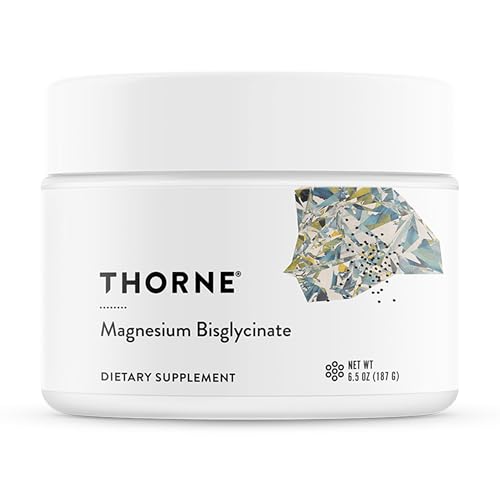
THORNE - Magnesium Bisglycinate - Powdered Magnesium Formula - Supports Restful Sleep, Muscle Relaxation, Heart Health & Metabolism* - NSF Certified for Sport - Gluten, Dairy & Soy-Free - 60 Servings
THORNE - Magnesium Glycinate - <strong>Supports Restful Sleep, Muscle Relaxation, Heart Health & Metabolism</strong>* - Chelated Magnesium Capsules - Third-Party Certified - Gluten, Dairy & So
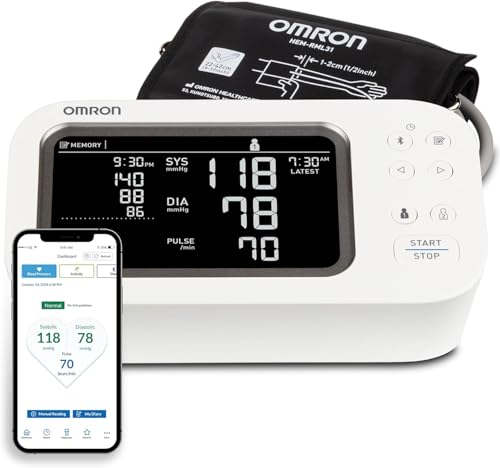
OMRON Platinum Blood Pressure Monitor for Home Use & Upper Arm Blood Pressure Cuff - #1 Doctor & Pharmacist Recommended Brand - Clinically Validated - AFib Detection - Connect App
CONFIDENCE IN EVERY READING: Monitor your heart health with the OMRON Platinum Upper Arm Blood Pressure Monitor's <strong>Advanced Accuracy with AFib Detection Technology</strong>; Store up to 10
Health Disclaimer
This content is for informational purposes only and does not constitute medical advice. Always consult a qualified healthcare provider before starting, stopping, or changing any supplement or medication regimen.