

Stroke and Sleep Apnea
Stroke and sleep apnea are tightly linked conditions with important implications for prevention, acute care, and recovery. Sleep-disordered breathing—especially obstructive sleep apnea (OSA)—is common after stroke and also precedes many first events. Meta-analyses and guideline statements report that 50–70% of people with stroke or transient ischemic attack (TIA) have OSA, with about one-third to one-half meeting criteria for moderate-to-severe disease. Central sleep apnea (CSA) also occurs after stroke, though less often. Prospective cohort studies show OSA raises the risk of first-time stroke roughly 1.5–2 times, particularly in men and those with severe OSA, and may increase the risk of recurrence. At-risk groups include older adults, men and postmenopausal women, people with obesity, resistant hypertension, atrial fibrillation, type 2 diabetes, and those with heavy alcohol use. Multiple biological pathways plausibly connect sleep apnea to stroke. Repeated nighttime airway obstruction drives intermittent hypoxia and carbon dioxide swings, surges in sympathetic activity and blood pressure, endothelial dysfunction, and systemic inflammation. Large negative intrathoracic pressure swings may promote atrial stretch and atrial fibrillation, a major cardioembolic stroke risk. Prothrombotic changes (e.g., platelet activation, increased fibrinogen) and impaired cerebrovascular reactivity further tip the balance toward ischemia. Clinically, untreated OSA after stroke is associated with worse neurological deficits, longer hospital stays, depression, cognitive problems, higher mortality, and more recurrent vascular events. Warning signs such as loud snoring, witnessed apneas or gasping, nocturnal awakenings, morning headaches, uncontrolled or nocturnal hypertension, and excessive daytime sleepiness merit attention. Because questionnaires can miss OSA in the immediate post-stroke period, many experts advise formal sleep testing (portable or in-lab) during recovery when safe
Updated September 8, 2026This content is for informational purposes only and does not constitute medical advice. Always consult a qualified healthcare provider before starting, stopping, or changing any supplement or medication regimen.
Shared Risk Factors
Hypertension (especially nocturnal and resistant)
Strong EvidenceOSA contributes to nondipping and blood-pressure surges; hypertension is the leading modifiable risk factor for stroke.
Obesity and metabolic syndrome
Strong EvidenceExcess adiposity narrows the upper airway (OSA) and drives insulin resistance, dyslipidemia, and inflammation that elevate stroke risk.
Atrial fibrillation (AF) and other arrhythmias
Moderate EvidenceOSA-related hypoxia and intrathoracic pressure swings promote AF; AF substantially increases embolic stroke risk.
Age, male sex, and postmenopausal status
Strong EvidenceOSA and stroke risks both rise with age; men and postmenopausal women have higher OSA prevalence.
Alcohol use and smoking
Moderate EvidenceAlcohol relaxes upper-airway muscles and deepens apneas; smoking drives vascular inflammation and endothelial dysfunction.
Systemic inflammation and prothrombotic state
Moderate EvidenceIntermittent hypoxia elevates inflammatory cytokines and promotes platelet activation and hypercoagulability.
Comorbidity Data
Prevalence
OSA (AHI ≥5) occurs in ~50–70% of stroke/TIA patients; moderate-to-severe OSA in ~30–50%. CSA patterns appear in a minority (approximately 7–20%), more often with brainstem involvement or heart failure.
Mechanistic Link
Intermittent hypoxia, nocturnal BP surges, sympathetic activation, endothelial dysfunction, inflammation, hypercoagulability, impaired cerebrovascular reactivity, and arrhythmia (notably AF) connect sleep apnea to cerebrovascular injury.
Clinical Implications
Coexisting OSA is associated with greater stroke severity, poorer functional recovery, depression and cognitive impairment, higher mortality, and increased risk of recurrent vascular events. Early identification and management may improve rehabilitation engagement and blood-pressure control.
Sources (3)
- Johnson KG, Johnson DC. Frequency of sleep apnea in stroke and TIA: a meta-analysis. J Clin Sleep Med. 2010;6(2):131-137.
- Kleindorfer DO et al. 2021 Guideline for the Prevention of Stroke in Patients With Stroke and TIA. Stroke. 2021;52:e364–e467.
- Bassetti CL, Aldrich MS. Sleep apnea in acute ischemic stroke. Sleep. 1999;22(2):217–223.
Overlapping Treatments
Continuous positive airway pressure (CPAP)
Moderate EvidenceMay aid BP control and reduce AF recurrence; observational data link adherence with fewer recurrent vascular events and improved rehab participation.
First-line therapy for moderate-to-severe OSA; reduces apneas, hypoxemia, and daytime sleepiness.
Large RCT in non-sleepy OSA with cardiovascular disease did not lower composite events overall; benefits appear in adherent users; adherence is challenging post-stroke.
Weight management (nutrition + activity)
Strong EvidenceReduces stroke risk via improvements in BP, lipids, and insulin resistance.
Substantial reductions in AHI in many patients; some achieve OSA remission.
Requires multidisciplinary support; monitor for sarcopenia in older or post-stroke individuals.
Blood pressure optimization (e.g., antihypertensives, nocturnal control)
Strong EvidenceMajor reduction in first and recurrent stroke risk.
OSA treatment plus antihypertensives improve nocturnal surges; some agents aid nocturnal BP control.
Overly aggressive nocturnal BP lowering in acute stroke requires clinician oversight.
Mandibular advancement device (oral appliance)
Moderate EvidenceModest BP reductions may contribute to stroke prevention.
Effective for many with mild-to-moderate OSA or CPAP-intolerant patients.
Less effective than CPAP for severe OSA; requires dental evaluation.
Exercise training and rehabilitation
Moderate EvidenceImproves functional recovery, cognition, and vascular risk profile.
Reduces AHI modestly, improves autonomic balance and sleep quality.
Tailor intensity post-stroke; professional supervision recommended.
Positional therapy (for positional OSA)
Emerging ResearchPotential indirect benefit via reduced apnea burden and improved nocturnal BP patterns.
Can significantly reduce AHI in supine-dependent OSA.
Limited evidence on stroke outcomes; not suitable if aspiration risk or significant CSA.
Alcohol moderation and sleep hygiene
Moderate EvidenceLowers BP and atrial arrhythmia triggers; supports secondary prevention.
Reduces upper-airway collapsibility and nocturnal desaturation.
Behavioral adherence varies; integrate with broader risk-factor management.
Medical Perspectives
Two Ways of Seeing Health

Western
scientific · clinical
Western medicine applies science, technology, and clinical experience to treat symptoms through testing, diagnosis, and targeted intervention.
Surgeons · Pharmaceuticals · Clinical trials · Diagnostics 
Eastern
traditional · alternative
Eastern medicine focuses on treating the body naturally by applying traditional knowledge practiced for thousands of years, emphasizing balance and whole-person wellness.
Acupuncture · Herbal medicine · Yoga · Meditation
Gold Bamboo presents both perspectives side-by-side so you can make informed decisions. We don't advocate for one over the other — your health choices are yours.
Two Ways of Seeing Health
Western
scientific · clinical
Western medicine applies science, technology, and clinical experience to treat symptoms through testing, diagnosis, and targeted intervention.
Eastern
traditional · alternative
Eastern medicine focuses on treating the body naturally by applying traditional knowledge practiced for thousands of years, emphasizing balance and whole-person wellness.
Gold Bamboo presents both perspectives side-by-side so you can make informed decisions. We don't advocate for one over the other — your health choices are yours.
Western Perspective
Western medicine recognizes sleep apnea—especially OSA—as common in stroke patients and an independent risk factor for incident stroke. Mechanistic and epidemiologic evidence supports screening and managing sleep-disordered breathing to optimize vascular risk and rehabilitation, though definitive trials on recurrent stroke reduction with CPAP remain mixed.
Key Insights
- OSA prevalence in stroke/TIA is ~50–70%, with moderate-to-severe disease in ~30–50%.
- OSA increases first-time stroke risk by roughly 1.5–2x; CSA occurs post-stroke but is less prevalent and its independent risk contribution is less certain.
- Pathways include intermittent hypoxia, nocturnal BP surges, sympathetic activation, endothelial dysfunction, inflammation, hypercoagulability, and AF.
- CPAP improves apnea severity, sleepiness, and BP modestly; large trials show no overall CV event reduction, but adherent users may benefit.
- Guidelines deem it reasonable to screen stroke/TIA patients for OSA and address modifiable risk factors.
Treatments
- CPAP or auto-PAP for moderate-to-severe OSA when tolerated
- Weight loss and dietary patterns (e.g., DASH/Mediterranean) for risk reduction
- Antihypertensive therapy with attention to nocturnal control
- Oral appliances for CPAP-intolerant patients with mild-to-moderate OSA
- Structured exercise and stroke rehabilitation
Deep Dive
From a western clinical perspective, sleep apnea and stroke intersect through both epidemiology and pathophysiology. Sleep-disordered breathing ... From a western clinical perspective, sleep apnea and stroke intersect through both epidemiology and pathophysiology. Sleep-disordered breathing is highly prevalent—present in roughly two-thirds of stroke and TIA patients—and obstructive sleep apnea (OSA) stands out as an independent risk factor for incident stroke, particularly when severe and in men. Repeated upper-airway obstruction during sleep precipitates intermittent hypoxia and hypercapnia, sympathetic surges, and abrupt blood-pressure spikes that can persist into daytime as nondipping or resistant hypertension. These hemodynamic stresses, combined with endothelial dysfunction, oxidative stress, inflammation, and a prothrombotic milieu, accelerate atherogenesis and impair cerebrovascular reactivity. Large negative intrathoracic pressure swings also stretch atrial tissue, helping to trigger and maintain atrial fibrillation, a potent cardioembolic source of stroke. Clinically, coexisting OSA is linked to more severe neurological deficits at presentation, poorer functional recovery, longer hospitalizations, cognitive complaints, depression, higher mortality, and increased risk of recurrent vascular events. Because symptom questionnaires underperform in the acute setting, guidelines consider it reasonable to screen stroke/TIA patients for OSA using objective testing when safe. Management centers on two fronts: addressing OSA and optimizing vascular risk. CPAP, the standard for moderate-to-severe OSA, reliably reduces apneas, hypoxemia, and daytime sleepiness and modestly lowers blood pressure. However, large randomized trials in largely non-sleepy patients with cardiovascular disease have not shown broad reductions in major events, with potential benefits concentrated among adherent users. Oral appliances help in mild-to-moderate OSA and may modestly improve blood pressure. Weight reduction via nutrition and activity can markedly reduce OSA severity and improve metabolic and hemodynamic risk. Exercise-based rehabilitation supports recovery and may modestly reduce AHI. Practical care includes early identification of nocturnal hypoxemia, attention to nocturnal blood pressure patterns, and coordination with sleep medicine for testing and individualized therapy. Ongoing research aims to clarify which stroke subgroups and OSA phenotypes derive the greatest secondary-prevention benefit from CPAP and multimodal treatment.
Sources
- Kleindorfer DO et al. 2021 Guideline for the Prevention of Stroke in Patients With Stroke and TIA. Stroke. 2021;52:e364–e467.
- Yaggi HK et al. Obstructive Sleep Apnea as a Risk Factor for Stroke and Death. N Engl J Med. 2005;353:2034–2041.
- Redline S et al. Obstructive Sleep Apnea–Hypopnea and Incident Stroke. Am J Respir Crit Care Med. 2010;182:269–277.
- McEvoy RD et al. CPAP for Prevention of Cardiovascular Events (SAVE). N Engl J Med. 2016;375:919–931.
- Iftikhar IH et al. Effect of CPAP on Blood Pressure in OSA: Meta-analysis. J Clin Sleep Med. 2014;10(10):1051–1057.
Eastern Perspective
Traditional systems view sleep apnea and stroke as expressions of disturbed systemic balance. In Traditional Chinese Medicine (TCM), OSA often reflects phlegm-damp accumulation obstructing the throat with qi deficiency; stroke aligns with internal wind and phlegm obstructing meridians. Ayurveda associates OSA with Kapha aggravation and Udana Vata dysfunction, while stroke (pakshaghata) stems from deranged Vata affecting circulation and neuromuscular control. Treatments aim to clear obstructions, harmonize qi/prana, and restore circulatory balance.
Key Insights
- Acupuncture and acupressure seek to reduce airway collapsibility and improve autonomic tone; limited trials suggest modest AHI reductions.
- Herbal strategies target phlegm-damp (e.g., formulations addressing mucus/edema) or Kapha balance alongside weight management.
- Breathwork (qigong, pranayama) and meditative practices may lower sympathetic drive and aid BP control.
- Post-stroke acupuncture and movement therapies (e.g., Tai Chi, yoga) are used to support neuroplasticity and functional recovery.
Treatments
- Acupuncture for OSA symptoms and post-stroke rehabilitation
- Qigong or pranayama breathing practices for autonomic balance
- Dietary modification emphasizing lighter, low-mucus-forming foods (TCM/Kapha-pacifying)
- Herbal formulas individualized by practitioner
- Mind–body exercise (Tai Chi, yoga) during stroke recovery
Deep Dive
Traditional/eastern frameworks interpret sleep apnea and stroke as manifestations of disrupted systemic harmony affecting breath, circulation, a... Traditional/eastern frameworks interpret sleep apnea and stroke as manifestations of disrupted systemic harmony affecting breath, circulation, and consciousness. In Traditional Chinese Medicine (TCM), obstructive sleep apnea often reflects phlegm-damp accumulation and qi deficiency obstructing the throat, while stroke corresponds to internal wind and phlegm blocking the channels. Treatment aims to clear phlegm, calm wind, boost qi, and restore free flow through techniques such as acupuncture, herbal formulas, breathing exercises (qigong), and diet emphasizing lighter, non-phlegm-forming foods. In Ayurveda, OSA aligns with Kapha aggravation and impaired Udana Vata (governing speech and breath), whereas stroke (pakshaghata) arises from deranged Vata affecting movement and circulation. Therapies seek to pacify Kapha and balance Vata through tailored diet, herbal support, oil therapies, and pranayama. Integrative practitioners see plausible bridges between traditions and biomedicine: breathwork and acupuncture may reduce sympathetic tone and support blood-pressure control; mind–body movement (Tai Chi, yoga) can aid balance, mood, and cardiometabolic health during recovery; and constitutionally informed nutrition often aligns with weight management, a cornerstone of OSA care. Evidence for these modalities ranges from traditional to emerging. Small randomized trials suggest acupuncture can reduce apnea–hypopnea indices in some patients with OSA, though effects are modest and studies limited by size and bias. Systematic reviews of acupuncture for stroke rehabilitation indicate uncertain benefit overall, yet individual patients may experience improvements in pain, spasticity, or mood that facilitate therapy participation. Breath-focused practices have demonstrated blood-pressure and stress reductions in broader populations, potentially relevant to stroke prevention and recovery. In an integrative care plan, these approaches complement—rather than replace—medical therapies such as CPAP, antihypertensives, antithrombotics, and structured rehabilitation. Shared decision-making with qualified practitioners ensures safety (for example, avoiding prone positions in those with aspiration risk) and emphasizes consistent practice, sleep timing, alcohol moderation, and sustainable nutrition.
Sources
- Freire AO et al. Acupuncture in the Treatment of OSA: A Randomized, Placebo-Controlled Trial. Sleep. 2007;30(5):631–637.
- Cochrane Review: Acupuncture for Stroke Rehabilitation (various authors; evidence limited due to bias).
- Cramer H et al. Yoga for Hypertension: Systematic Review and Meta-analysis. Am J Hypertens. 2014;27(9):1146–1151.
- World Health Organization. Acupuncture: Review and Analysis of Controlled Clinical Trials. 2002.
Evidence Ratings
Obstructive sleep apnea approximately doubles the risk of incident stroke, particularly in severe OSA.
Yaggi HK et al. N Engl J Med. 2005;353:2034–2041; Redline S et al. Am J Respir Crit Care Med. 2010;182:269–277.
Sleep-disordered breathing affects roughly 50–70% of patients after stroke/TIA.
Johnson KG, Johnson DC. J Clin Sleep Med. 2010;6(2):131–137.
CPAP lowers blood pressure modestly in patients with OSA.
Iftikhar IH et al. J Clin Sleep Med. 2014;10(10):1051–1057.
Large RCTs have not shown a reduction in major cardiovascular events with CPAP in non-sleepy OSA overall, though adherent subgroups may benefit.
McEvoy RD et al. N Engl J Med. 2016;375:919–931.
Coexisting OSA is associated with worse functional outcomes and higher mortality after stroke.
Kleindorfer DO et al. Stroke. 2021;52:e364–e467 (guideline synthesis of observational studies).
Central sleep apnea occurs in a minority of stroke patients; its independent contribution to future stroke risk is less certain.
Bassetti CL, Aldrich MS. Sleep. 1999;22(2):217–223.
Acupuncture may reduce AHI in some patients with OSA, but evidence quality is low and effects are modest.
Freire AO et al. Sleep. 2007;30(5):631–637; Cochrane reviews note methodological limitations.
Sources
- Kleindorfer DO et al. 2021 Guideline for the Prevention of Stroke in Patients With Stroke and TIA. Stroke. 2021;52:e364–e467.
- Johnson KG, Johnson DC. Frequency of sleep apnea in stroke and TIA: a meta-analysis. J Clin Sleep Med. 2010;6(2):131–137.
- Yaggi HK et al. Obstructive Sleep Apnea as a Risk Factor for Stroke and Death. N Engl J Med. 2005;353:2034–2041.
- Redline S et al. Obstructive Sleep Apnea–Hypopnea and Incident Stroke. Am J Respir Crit Care Med. 2010;182:269–277.
- McEvoy RD et al. CPAP for Prevention of Cardiovascular Events in OSA (SAVE). N Engl J Med. 2016;375:919–931.
- Iftikhar IH et al. Effect of CPAP on BP in OSA: Meta-analysis. J Clin Sleep Med. 2014;10(10):1051–1057.
- Bassetti CL, Aldrich MS. Sleep apnea in acute ischemic stroke. Sleep. 1999;22(2):217–223.
- Freire AO et al. Acupuncture in the Treatment of OSA: Randomized, Placebo-Controlled Trial. Sleep. 2007;30(5):631–637.
- U.S. Preventive Services Task Force. Screening for Obstructive Sleep Apnea in Adults: Evidence Report and Recommendation (I Statement). 2017/2022.
Related Topics
Recommended Products
The Mystery of Sleep: Why a Good Night's Rest Is Vital to a Better, Healthier Life: Kryger M.D., Meir
In The Mystery of Sleep, Dr. Meir Kryger, one of the foremost authorities on sleep and sleep disorders, shares his experience, knowledge, and wisdom, showing that if we’re going to truly thrive, we mu

for Resmed Airsense 10 Supplies, CPAP Power Cord for ResMed Airsense 10 Power Supply AirStart 10 CPAP BiPAP Machines & AirCurve 10, Lumis VPAP BiLevel Series 90W ResMed S10 370001 DC Converter Adapter
ResMed R270-7468 R2707468 IP21 R370-7296 R370-7407 R3707407 DA-90F24 R3707296 DA90D24 37006 370006 IP22 Resmed CPAP and BiPAP Machines S10 370001 37297 37344 37028 +24V 3.75A 90W ... ResMed Airsense 1
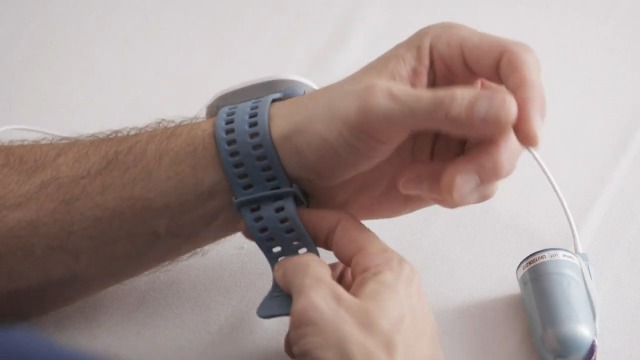
WatchPAT ONE at
ABC Sleep Disorders Center offers ... kit for 1 night use, <strong>measuring 7 channels (PAT signal, heart rate, oximetry, actigraphy, body position, snoring and chest motion) via three points of cont
Health Disclaimer
This content is for informational purposes only and does not constitute medical advice. Always consult a qualified healthcare provider before starting, stopping, or changing any supplement or medication regimen.