

Atrial Fibrillation
Overview
Atrial fibrillation (AF or AFib) is the most common sustained cardiac arrhythmia, defined by rapid, disorganized electrical activity in the atria that leads to an irregularly irregular heartbeat. Instead of the atria contracting in a coordinated way, they quiver, which can reduce cardiac efficiency and contribute to blood pooling in the heart. This is clinically important because AF is associated with a substantially increased risk of stroke, heart failure, hospitalization, reduced quality of life, and premature mortality. Some people experience palpitations, shortness of breath, fatigue, exercise intolerance, chest discomfort, or dizziness, while others have no noticeable symptoms and are diagnosed incidentally.
AF becomes more common with age, but it can occur across a wide range of adults, especially in the setting of high blood pressure, coronary artery disease, valvular disease, obesity, diabetes, sleep apnea, thyroid disorders, chronic kidney disease, and heavy alcohol use. Episodes may be classified as paroxysmal (intermittent), persistent, long-standing persistent, or permanent, reflecting duration and the overall rhythm-management approach. Researchers also recognize that AF is not a single uniform disorder; it often reflects a combination of electrical instability, structural remodeling of the atria, inflammation, fibrosis, and autonomic nervous system influences.
From a public health perspective, AF is significant because its prevalence rises as populations age. Studies indicate that it contributes to a major burden of ischemic stroke and healthcare utilization worldwide. Risk may be shaped both by nonmodifiable factors, such as age and genetics, and modifiable factors, such as body weight, blood pressure, alcohol intake, physical inactivity, and untreated sleep-disordered breathing. As a result, contemporary discussion of AF increasingly includes not only rhythm disturbance itself, but also broader cardiometabolic health and long-term risk reduction.
In integrative health contexts, AF is often discussed through two complementary lenses. Conventional cardiology focuses on rhythm mechanisms, thromboembolic risk, and evidence-based prevention of complications. Traditional systems may frame AF in terms of disturbed circulation, constitutional imbalance, stress, depletion, or dysregulation of heart-related energetics. Because AF can be associated with serious complications, any interpretation—whether biomedical or traditional—generally benefits from evaluation by a qualified healthcare professional, particularly when symptoms are new, severe, or accompanied by chest pain, fainting, or neurologic changes.
Medical Perspectives
Two Ways of Seeing Health

Western
scientific · clinical
Western medicine applies science, technology, and clinical experience to treat symptoms through testing, diagnosis, and targeted intervention.

Eastern
traditional · alternative
Eastern medicine focuses on treating the body naturally by applying traditional knowledge practiced for thousands of years, emphasizing balance and whole-person wellness.
Gold Bamboo presents both perspectives side-by-side so you can make informed decisions. We don't advocate for one over the other — your health choices are yours.
Western Medicine Perspective
Western Medicine Perspective
In conventional medicine, atrial fibrillation is understood as a disorder of abnormal impulse generation and conduction in the atria, often involving triggers from the pulmonary veins and a substrate of atrial remodeling. Diagnostic evaluation typically centers on electrocardiography (ECG), ambulatory rhythm monitoring when needed, echocardiography to assess cardiac structure and function, and laboratory testing for contributing conditions such as thyroid disease or electrolyte abnormalities. Clinical assessment also considers symptom burden, duration of AF, associated cardiovascular disease, and the person’s estimated risk of stroke and bleeding.
Management in modern cardiology is often organized around several major goals: stroke prevention, rate control, rhythm control, and treatment of underlying drivers. Stroke prevention is a central priority because AF can allow clots to form in the atria and travel to the brain. Research strongly supports risk stratification frameworks and the use of anticoagulation in appropriately selected patients to reduce thromboembolic events. Rate control aims to moderate the ventricular response when AF is present, while rhythm control may involve antiarrhythmic drugs, electrical cardioversion, or catheter ablation in selected cases. In recent years, trials have suggested that earlier rhythm-control strategies may improve outcomes in some populations.
Lifestyle and risk-factor modification are increasingly recognized as core elements of AF care. Studies indicate that weight reduction, blood pressure control, treatment of obstructive sleep apnea, reduction of excess alcohol intake, physical conditioning, and management of diabetes and other cardiometabolic conditions may reduce AF burden and improve outcomes. This reflects a broader shift in cardiology toward treating AF not only as an isolated rhythm problem, but as part of a systemic cardiovascular disorder.
From an evidence standpoint, AF is one of the better-studied cardiac conditions, with extensive guidance from major societies such as the American Heart Association, American College of Cardiology, Heart Rhythm Society, and European Society of Cardiology. Even so, treatment decisions remain individualized, particularly for older adults, those with multiple chronic conditions, and those exploring integrative approaches alongside standard cardiovascular care.
Eastern & Traditional Perspective
Eastern and Traditional Medicine Perspective
In Traditional Chinese Medicine (TCM), atrial fibrillation does not correspond exactly to a single classical disease category, but its presentations may be interpreted through patterns associated with palpitations, irregular pulse, chest oppression, anxiety, deficiency, phlegm, blood stasis, or disturbance of the Heart spirit (Shen). Depending on the pattern, traditional practitioners may describe the condition in terms of Heart qi deficiency, Heart yin deficiency, phlegm-heat harassing the Heart, blood stasis obstructing the vessels, or disharmony involving the Heart and Kidney. The emphasis is typically on restoring systemic balance rather than isolating one electrical abnormality. TCM literature has historically used acupuncture, herbal formulas, breathing practices, and regulation of emotional stress as part of a broader constitutional approach.
In Ayurveda, symptoms associated with irregular heartbeat may be viewed through the lens of Vata disturbance, sometimes with involvement of Pitta or depletion of ojas, depending on the individual presentation. Classical interpretations often connect palpitations and rhythm instability to dysregulation in circulation, nervous system activity, digestion/metabolism, and stress reactivity. Traditional approaches may include individualized botanical preparations, dietary balancing, daily routine regulation, and mind-body practices intended to calm the system and support cardiovascular resilience.
Naturopathic and integrative medicine frameworks often emphasize contributors such as inflammation, autonomic imbalance, poor sleep, stimulant or alcohol excess, mineral imbalance, and metabolic dysfunction. Mind-body interventions such as meditation, yoga, breath regulation, and stress-reduction practices are frequently discussed because autonomic tone may influence arrhythmia burden in some people. Some small studies suggest acupuncture and certain complementary practices may improve symptoms, anxiety, or quality of life in selected patients, but the evidence remains limited and heterogeneous compared with standard AF therapies.
A key caveat across traditional systems is that while they may offer useful frameworks for symptom patterning and whole-person support, atrial fibrillation carries recognized risks such as stroke and heart failure. For that reason, traditional and complementary approaches are generally best understood as potentially adjunctive rather than substitutes for appropriate medical evaluation. Coordination with licensed healthcare professionals is especially important when herbs, supplements, or body-based therapies are being considered in the context of anticoagulants, antiarrhythmic drugs, or structural heart disease.
Related Topics
Anticoagulants
Anticoagulants — treatment topic in the Gold Bamboo health ontology.
Sleep Apnea
Sleep Apnea — condition topic in the Gold Bamboo health ontology.
How They Relate
Atrial Fibrillation & Anticoagulants
Atrial fibrillation (AF) is a common heart rhythm disorder that increases the risk of stroke because blood can pool and form clots in the heart, especially in the left atrial appendage. Anticoagula...
Sleep Apnea & Atrial Fibrillation
Sleep apnea—both obstructive (OSA) and central (CSA)—and atrial fibrillation (AF) frequently travel together. Observational studies and meta-analyses show OSA is common in AF clinics (roughly one-t...
Supplements & Products
Recommended Products

The AFib Cure: Get Off Your Medications, Take Control of Your Health, and Add Years to Your Life: Day, John D., Bunch, T. Jared, LaPlante, Matthew
. . Written with in-depth yet ... of The AFib Reportat AFibbers.org ""The AFib Cure is <strong>a thorough, evidence-based guide to help patients with atrial fibrillation</strong>....
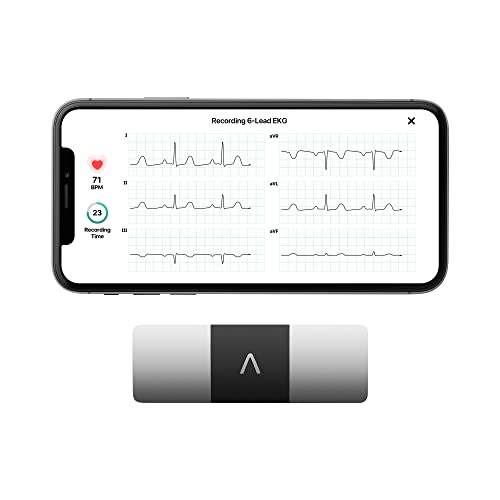
KardiaMobile 6-Lead Personal EKG Monitor – Six Views of ...
Stay on top of your health with heart rate monitors that provide accurate real-time data, seamless device integration, and long-lasting battery life.

Doctor's Best High Absorption Magnesium Glycinate Lysinate Supplement for Sleep Support - Chelated Magnesium Tablets for Women & Men, 200mg per Serving, Supports Calm & Relaxation, Vegan - 240 Count
Doctor's Best High Absorption Magnesium Glycinate Lysinate Supplement for Sleep Support - Chelated Magnesium Capsules for Women & Men, 105 mg per Serving, Calm Support, Vegan - 120 Veg Caps
Evidence & Sources
Supported by multiple clinical trials and systematic reviews
- 2023 ACC/AHA/ACCP/HRS Guideline for the Diagnosis and Management of Atrial Fibrillation
- 2020 European Society of Cardiology Guidelines for the diagnosis and management of atrial fibrillation
- Circulation
- Journal of the American College of Cardiology
- The New England Journal of Medicine
- Lancet
- National Heart, Lung, and Blood Institute (NHLBI)
- National Center for Complementary and Integrative Health (NCCIH)
This content is for informational purposes only and does not constitute medical advice. Always consult a qualified healthcare provider before starting, stopping, or changing any supplement or medication regimen.