

Anticoagulants
Anticoagulants: Overview
Anticoagulants are medicines or therapeutic agents used to reduce the blood’s ability to form harmful clots. They are widely used in modern healthcare to help prevent or treat venous thromboembolism (VTE), atrial fibrillation-related stroke, deep vein thrombosis (DVT), pulmonary embolism (PE), and clotting risks associated with certain heart valve conditions or prolonged immobility. Rather than “thinning” the blood in a literal sense, anticoagulants act on the body’s clotting pathways to decrease the likelihood that a clot will form or enlarge.
These therapies are significant because abnormal clot formation can lead to serious complications, including stroke, heart strain, limb damage, and life-threatening pulmonary embolism. Conventional anticoagulants include warfarin, heparin, low-molecular-weight heparins, and direct oral anticoagulants (DOACs) such as apixaban, rivaroxaban, dabigatran, and edoxaban. Their use is common in both inpatient and outpatient medicine, but they also require careful risk assessment because reducing clotting can increase the likelihood of bleeding, including gastrointestinal bleeding or, more rarely, intracranial hemorrhage.
The clinical importance of anticoagulants lies in balancing two competing concerns: preventing thrombosis while minimizing bleeding risk. Research has shown that anticoagulation can substantially reduce stroke and clot-related events in selected populations, but the decision to use these agents depends on multiple factors such as age, kidney function, coexisting conditions, drug interactions, procedural needs, and pregnancy status. In some settings, routine monitoring is necessary, while in others, newer agents are designed to offer more predictable effects.
From a broader health perspective, anticoagulants also intersect with nutrition, herbal medicine, surgery, trauma care, and chronic disease management. Many supplements and botanicals commonly used in integrative health—such as ginkgo, garlic, ginger, turmeric, dong quai, and fish oil—are discussed in the context of potential anticoagulant or antiplatelet effects, though the quality and consistency of evidence vary considerably. For this reason, anticoagulants are a major topic in both conventional and integrative medicine, especially regarding safety, interaction awareness, and individualized care planning in consultation with qualified healthcare professionals.
Medical Perspectives
Two Ways of Seeing Health

Western
scientific · clinical
Western medicine applies science, technology, and clinical experience to treat symptoms through testing, diagnosis, and targeted intervention.

Eastern
traditional · alternative
Eastern medicine focuses on treating the body naturally by applying traditional knowledge practiced for thousands of years, emphasizing balance and whole-person wellness.
Gold Bamboo presents both perspectives side-by-side so you can make informed decisions. We don't advocate for one over the other — your health choices are yours.
Western Medicine Perspective
Western Medicine Perspective
In conventional medicine, anticoagulants are understood through the lens of hemostasis and thrombosis biology. Blood clotting is regulated by platelets, clotting factors, and the vascular endothelium. Anticoagulant drugs target specific parts of the coagulation cascade: heparins enhance antithrombin activity, warfarin reduces vitamin K-dependent clotting factor synthesis, and DOACs directly inhibit either factor Xa or thrombin. Their clinical use is guided by evidence from large randomized trials and professional society guidelines.
Common indications include stroke prevention in nonvalvular atrial fibrillation, treatment and secondary prevention of DVT/PE, and thrombosis prevention in selected hospitalized or postoperative patients. Conventional care emphasizes risk stratification tools, laboratory monitoring when appropriate, kidney and liver function review, and careful attention to contraindications. Warfarin typically requires INR monitoring because of its narrow therapeutic range and numerous food and drug interactions, whereas DOACs generally have more predictable pharmacokinetics but still require clinical oversight.
A major focus of western practice is bleeding risk management. This includes recognizing high-risk scenarios such as recent surgery, active gastrointestinal lesions, trauma, severe thrombocytopenia, or concomitant use of NSAIDs and antiplatelet drugs. Research and guideline statements also address reversal strategies, perioperative interruption, and the management of overdose or emergency bleeding. Overall, conventional medicine views anticoagulants as highly effective, often life-saving therapies when used in the right clinical context, but also as treatments that demand careful supervision and shared decision-making with licensed clinicians.
Eastern & Traditional Perspective
Eastern and Traditional Medicine Perspective
In Traditional Chinese Medicine (TCM) and other traditional systems, there is no exact one-to-one equivalent to the modern pharmacologic category of “anticoagulants.” Instead, similar therapeutic concepts may be discussed in terms such as invigorating blood, dispelling blood stasis, or improving circulation. Herbs traditionally used within these frameworks may be selected based on broader pattern assessment rather than a single clotting diagnosis. Examples sometimes discussed in TCM literature include Dan Shen (Salvia miltiorrhiza), Hong Hua (Carthamus tinctorius), and Dang Gui (Angelica sinensis), though traditional use does not mean these herbs function identically to prescription anticoagulant drugs.
In Ayurveda, related ideas may involve supporting circulation, balancing doshas, and addressing stagnation or inflammatory patterns. Certain botanicals and dietary practices have traditionally been used in ways that may overlap conceptually with vascular health, but traditional formulations are typically individualized and embedded in a broader constitutional approach. Naturopathic and integrative medicine may also discuss lifestyle, inflammatory burden, and the potential effects of herbs or nutrients on platelet function, endothelial health, or coagulation markers.
A key point from an eastern and integrative perspective is interaction awareness. Many herbs and supplements traditionally associated with circulation or “blood-moving” effects are also discussed in the biomedical literature for possible interactions with anticoagulant drugs. In practice, this makes collaboration between traditional practitioners and conventional clinicians especially important. The traditional medicine perspective often emphasizes whole-person assessment, but in the context of active anticoagulant therapy, safety considerations—particularly bleeding risk and peri-procedural management—remain central.
Overall, eastern and traditional systems may offer frameworks for understanding circulation and vascular balance, but they generally do not replace the precision dosing, indication-specific evidence, and emergency management capabilities of conventional anticoagulant therapy. Integrative care models therefore tend to focus on context, symptom patterns, and supportive strategies, while recognizing the importance of coordinated care with healthcare professionals managing clotting risk.
Related Topics
Atrial Fibrillation
Atrial Fibrillation — condition topic in the Gold Bamboo health ontology.
How They Relate
Atrial Fibrillation & Anticoagulants
Atrial fibrillation (AF) is a common heart rhythm disorder that increases the risk of stroke because blood can pool and form clots in the heart, especially in the left atrial appendage. Anticoagula...
Supplements & Products
Recommended Products
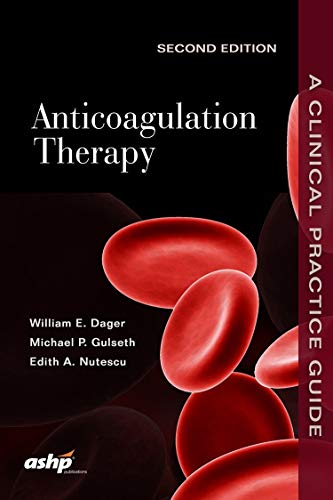
Anticoagulation Therapy: A Point-of-Care Guide: A Point-of-Care Guide
Comparison with Other Related Books: A comparative anticoagulation therapy resource, Antithrombotic Therapy, by Becker, Fintel, and Green, is a handbook that was recently released in its 5th edition.
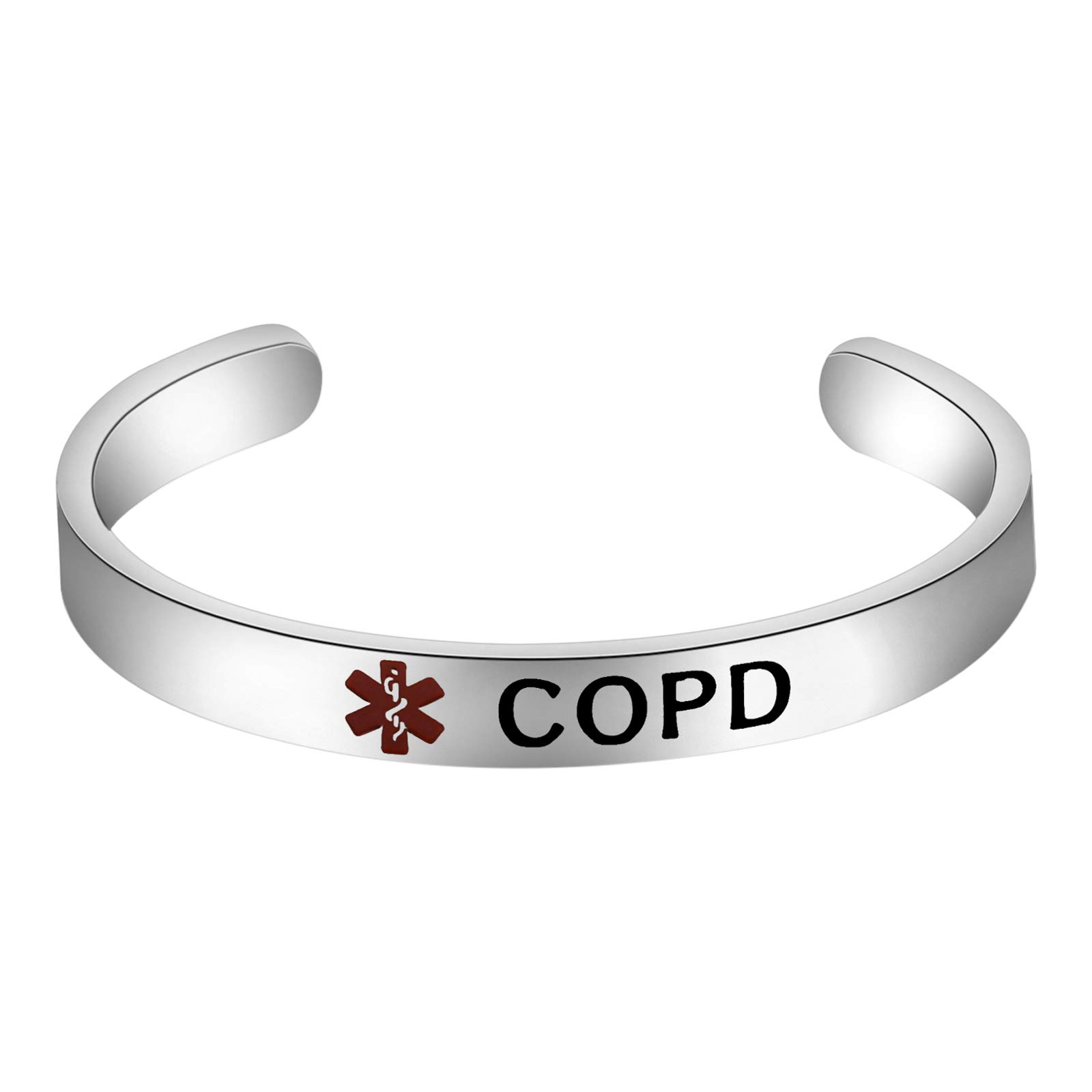
Surgical Steel Medical Alert Bracelet for Blood THINNER ID 9/16 inch Wide, 9 inch Long
Hypoallergenic Stainless Steel · See more About this item · Report an issue with this product or seller · See product specifications · This item: Surgical Steel Medical Alert Bracelet for Blood THINNE
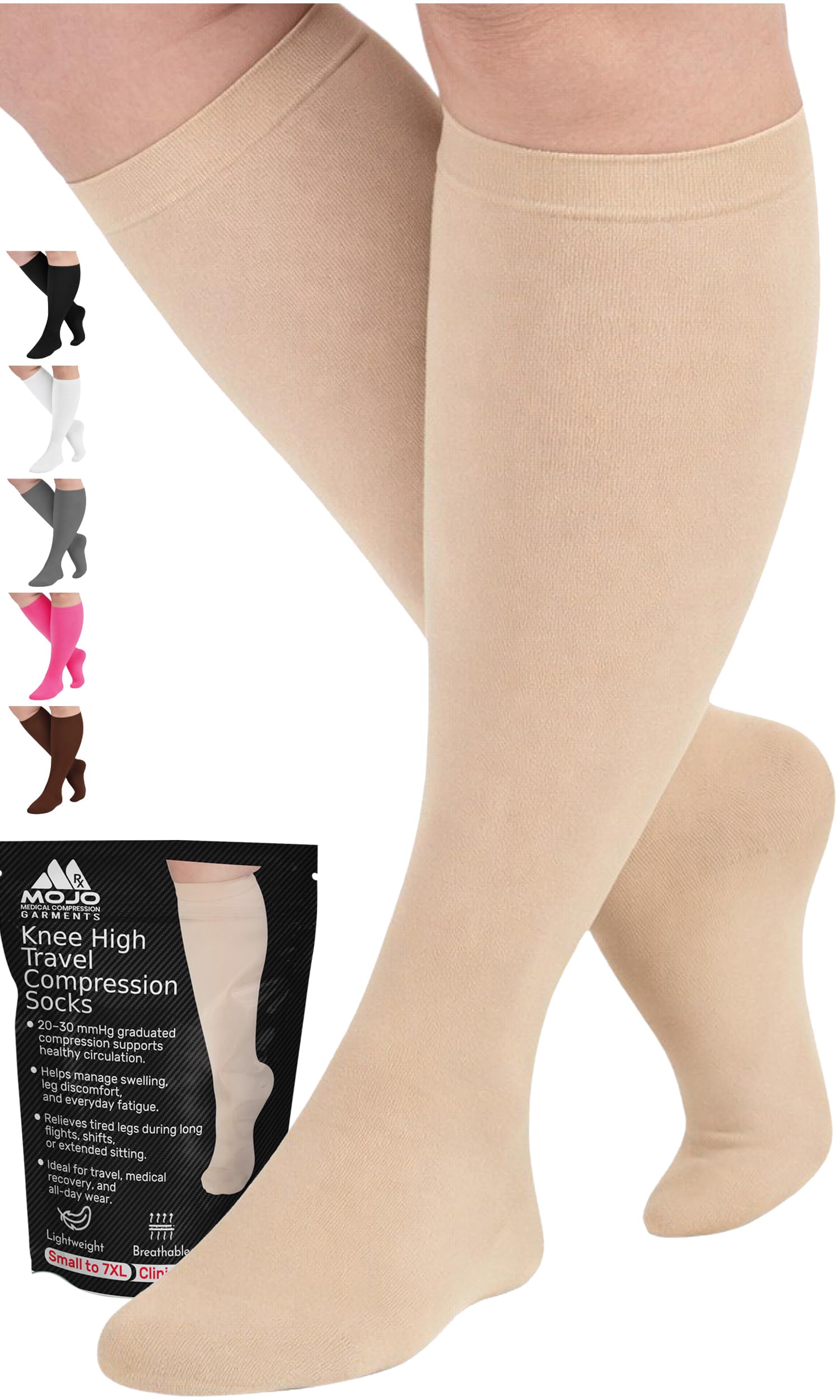
Travel Compression Socks 20-30mmHg Knee High – Graduated Compression Stockings for Men & Women Swollen Legs, DVT Prevention, Flight, Nursing & Everyday Support, Beige, Small
<strong>Crafted from a durable 80% Nylon, 20% Lycra Spandex blend, these stockings deliver firm graduated compression that stimulates circulation, reduces swelling, and prevents discomfort</strong>.
Evidence & Sources
Supported by multiple clinical trials and systematic reviews
- American Heart Association (AHA)
- American Society of Hematology (ASH) Guidelines
- CHEST Antithrombotic Therapy Guidelines
- New England Journal of Medicine
- Journal of the American College of Cardiology (JACC)
- National Heart, Lung, and Blood Institute (NHLBI)
- U.S. Food and Drug Administration (FDA)
- National Center for Complementary and Integrative Health (NCCIH)
This content is for informational purposes only and does not constitute medical advice. Always consult a qualified healthcare provider before starting, stopping, or changing any supplement or medication regimen.