

Sleep Apnea and Atrial Fibrillation
Sleep apnea—both obstructive (OSA) and central (CSA)—and atrial fibrillation (AF) frequently travel together. Observational studies and meta-analyses show OSA is common in AF clinics (roughly one-third to over one-half of patients, higher in ablation cohorts), while people with OSA carry about a twofold higher risk of developing AF compared with those without sleep-disordered breathing. CSA, often tied to heart failure, also associates with AF but follows a somewhat different physiologic pathway. Understanding this link matters because sleep apnea can shape how AF presents, how often it returns after treatments like cardioversion or ablation, and which lifestyle and medical strategies may help reduce AF burden. Mechanistically, sleep-disordered breathing promotes AF through repetitive drops in oxygen (intermittent hypoxia), surges in sympathetic nervous system activity, and large negative intrathoracic pressure swings during obstructed breaths. These stresses foster oxidative stress, systemic inflammation, atrial stretch, and structural/electrical remodeling—conditions favorable to AF. Autonomic imbalance and rostral fluid shifts during sleep also contribute. OSA typically features airway collapse and strong pressure swings; CSA more often reflects unstable respiratory control and is prevalent in heart failure, with prominent autonomic and chemoreflex disturbances. Clinically, untreated sleep apnea is linked with higher AF recurrence after cardioversion or catheter ablation. Professional guidelines note the high prevalence of sleep apnea in AF and consider screening reasonable, especially in patients with obesity, hypertension, heart failure, or recurrent AF. Red flags that can prompt referral for sleep evaluation include loud habitual snoring, witnessed apneas or gasping, resistant hypertension, excessive daytime sleepiness, nocturnal palpitations, morning headaches, or AF that keeps returning despite therapy. Treating sleep apnea can support AF care. Continuous
Updated September 8, 2026This content is for informational purposes only and does not constitute medical advice. Always consult a qualified healthcare provider before starting, stopping, or changing any supplement or medication regimen.
Shared Risk Factors
Obesity and visceral adiposity
Strong EvidenceExcess adiposity narrows the upper airway and increases collapsibility (OSA) and promotes systemic inflammation and atrial stretch/remodeling (AF).
Older age
Strong EvidenceAdvancing age reduces airway muscle tone and increases prevalence of sleep-disordered breathing; age is also a major nonmodifiable AF risk factor.
Hypertension
Strong EvidenceElevated blood pressure contributes to atrial enlargement and remodeling; it also correlates with OSA via sympathetic activation and endothelial dysfunction.
Alcohol use (especially evening/binge)
Moderate EvidenceAlcohol relaxes upper-airway muscles and fragments sleep (worsening OSA); it acutely increases AF susceptibility (“holiday heart”).
Diabetes and insulin resistance
Moderate EvidenceMetabolic dysfunction promotes inflammation and autonomic imbalance, increasing both OSA severity and AF risk.
Heart failure and rostral fluid shifts
Moderate EvidenceSupine fluid shift into the neck increases upper-airway edema (OSA) and lung congestion; HF also destabilizes respiratory control (CSA) and predisposes to AF.
Comorbidity Data
Prevalence
OSA is detected in approximately 30–60% of patients with AF in specialty cohorts, with higher rates reported in ablation candidates (often >50%). CSA is less common overall but more frequent in AF patients with heart failure.
Mechanistic Link
Intermittent hypoxia, sympathetic surges, negative intrathoracic pressure, oxidative stress, inflammation, and atrial stretch/remodeling create an AF-promoting substrate; CSA adds chemoreflex instability prominent in HF.
Clinical Implications
Sleep apnea increases AF incidence and recurrence after cardioversion/ablation. Screening is considered reasonable in AF management. Treating OSA with CPAP and risk-factor modification is associated with lower AF recurrence, particularly post-ablation.
Sources (4)
- AHA Scientific Statement: Obstructive Sleep Apnea and Cardiovascular Disease. Circulation. 2021.
- Qureshi WT et al. Obstructive sleep apnea and AF: meta-analysis. Am J Cardiol. 2015.
- Kanagala R et al. OSA and AF recurrence after cardioversion. Circulation. 2003.
- 2023 ACC/AHA/ACCP/HRS Guideline for the Management of Patients With AF.
Overlapping Treatments
Continuous positive airway pressure (CPAP)
Moderate EvidenceFirst-line therapy for moderate–severe OSA; improves oxygenation, reduces apnea–hypopnea index, blood pressure, and daytime symptoms.
Observational studies show lower AF recurrence, especially after ablation; small RCTs show mixed effects on AF burden.
Benefits depend on adherence; randomized evidence for AF-specific outcomes is limited and mixed.
Weight loss and structured risk-factor management
Strong EvidenceReduces OSA severity; some patients move from moderate/severe to mild ranges.
Sustained weight loss is linked to fewer AF episodes and improved post-ablation outcomes.
Requires sustained lifestyle change; weight cycling may blunt benefits.
Oral appliance therapy (mandibular advancement)
Emerging ResearchImproves airway patency in mild–moderate OSA and in CPAP-intolerant patients.
May indirectly reduce nocturnal AF triggers by lessening hypoxemia and arousals; direct AF evidence limited.
Less effective than CPAP for severe OSA; dental side effects and need for titration.
Positional therapy (avoiding supine sleep)
Emerging ResearchReduces events in positional OSA phenotypes.
May diminish nocturnal autonomic surges that can precipitate AF; data indirect.
Effect limited to positional OSA; adherence varies.
Aerobic exercise and cardiorespiratory fitness
Moderate EvidenceImproves sleep quality and modestly reduces OSA severity in some patients.
Improved fitness correlates with lower AF burden and better post-ablation outcomes.
Excessive late-evening vigorous exercise may impair sleep in some individuals.
Alcohol reduction, especially in the evening
Moderate EvidenceLessens upper-airway collapsibility and sleep fragmentation.
Associated with fewer AF episodes, particularly paroxysmal AF.
Behavioral adherence varies; effects are dose and timing dependent.
Oropharyngeal (myofunctional) therapy
Emerging ResearchStrengthens upper-airway muscles and can reduce AHI in mild–moderate OSA.
Potential autonomic benefits; direct AF outcome data limited.
Requires daily practice under guidance; best evidence in non-severe OSA.
Stress reduction (yoga, slow breathing, mindfulness)
Emerging ResearchImproves sleep quality and autonomic balance; may reduce arousals.
Small studies report fewer AF episodes and symptom improvement with yoga/relaxation.
Adjunctive to, not a replacement for, guideline-directed therapy.
Medical Perspectives
Two Ways of Seeing Health

Western
scientific · clinical
Western medicine applies science, technology, and clinical experience to treat symptoms through testing, diagnosis, and targeted intervention.
Surgeons · Pharmaceuticals · Clinical trials · Diagnostics 
Eastern
traditional · alternative
Eastern medicine focuses on treating the body naturally by applying traditional knowledge practiced for thousands of years, emphasizing balance and whole-person wellness.
Acupuncture · Herbal medicine · Yoga · Meditation
Gold Bamboo presents both perspectives side-by-side so you can make informed decisions. We don't advocate for one over the other — your health choices are yours.
Two Ways of Seeing Health
Western
scientific · clinical
Western medicine applies science, technology, and clinical experience to treat symptoms through testing, diagnosis, and targeted intervention.
Eastern
traditional · alternative
Eastern medicine focuses on treating the body naturally by applying traditional knowledge practiced for thousands of years, emphasizing balance and whole-person wellness.
Gold Bamboo presents both perspectives side-by-side so you can make informed decisions. We don't advocate for one over the other — your health choices are yours.
Western Perspective
Western medicine recognizes sleep-disordered breathing as a common, modifiable contributor to AF risk and recurrence. OSA is prevalent in AF populations and is mechanistically linked to AF through hypoxia, autonomic surges, intrathoracic pressure swings, and atrial remodeling. Guidelines consider screening for sleep apnea reasonable in AF care, and treating OSA—alongside weight loss and risk-factor management—may improve rhythm-control outcomes.
Key Insights
- OSA approximately doubles the risk of incident AF in observational data.
- OSA presence predicts higher AF recurrence after cardioversion and catheter ablation.
- CPAP is associated with reduced AF recurrence in observational cohorts, with mixed RCT data on AF burden.
- Weight loss and comprehensive risk-factor modification substantially reduce AF burden and improve ablation success.
- CSA is particularly linked with heart failure and autonomic instability and also associates with AF.
Treatments
- CPAP for moderate–severe OSA; oral appliances for mild–moderate OSA or CPAP intolerance
- Weight reduction programs and structured risk-factor management
- Catheter ablation or antiarrhythmic drugs for AF when indicated
- Alcohol moderation and exercise to improve fitness
- Positional therapy and myofunctional therapy for selected OSA phenotypes
Deep Dive
From a western clinical lens, the relationship between sleep-disordered breathing and atrial fibrillation (AF) is both epidemiologically robust ... From a western clinical lens, the relationship between sleep-disordered breathing and atrial fibrillation (AF) is both epidemiologically robust and biologically plausible. Obstructive sleep apnea (OSA) is detected in roughly one-third to over one-half of patients seen in AF clinics, particularly those evaluated for catheter ablation. Meta-analytic data indicate about a twofold higher risk of incident AF in individuals with OSA compared with those without. Central sleep apnea (CSA), while less common overall, is prevalent in heart failure and also correlates with AF, reflecting a distinct physiology of chemoreflex instability and oscillatory ventilation. Mechanistically, repetitive airway obstruction produces intermittent hypoxia, large negative intrathoracic pressure swings, and recurrent arousals. These events trigger sympathetic surges, oxidative stress, endothelial injury, inflammation, and atrial stretch—all factors that promote substrate remodeling and electrical heterogeneity favoring AF. Autonomic imbalance, including impaired vagal–sympathetic coordination, further destabilizes atrial electrophysiology. In CSA, pronounced fluctuations in CO2 and ventilatory drive amplify autonomic instability, especially in heart failure. Clinically, untreated sleep apnea relates to greater AF burden and higher recurrence after cardioversion or catheter ablation. Observational cohorts consistently show that OSA predicts arrhythmia recurrence; further, adherence to continuous positive airway pressure (CPAP) associates with lower recurrence, particularly in post-ablation populations. Randomized trials assessing CPAP’s effect on AF burden are smaller and yield mixed results, underscoring the need for definitive trials. Guidelines acknowledge the high co-prevalence and consider screening for sleep apnea reasonable as part of comprehensive AF care—especially in patients with obesity, resistant hypertension, heart failure, or recurrent AF. Management prioritizes proven OSA therapies (CPAP; oral appliances for selected patients), weight loss and structured risk-factor modification (which strongly improve AF outcomes), and standard AF treatments (rate/rhythm control, ablation) tailored to the patient. Positional therapy, aerobic conditioning, alcohol moderation, and oropharyngeal exercises can complement care in appropriate phenotypes. Coordinated cardiology–sleep medicine collaboration is central to optimizing outcomes while the field refines evidence on causal impact and treatment effects.
Sources
- 2023 ACC/AHA/ACCP/HRS Atrial Fibrillation Guideline.
- AHA Scientific Statement on OSA and Cardiovascular Disease, 2021.
- Shukla A et al. CPAP and AF recurrence after ablation: meta-analysis. JACC Clin Electrophysiol. 2015.
- Kanagala R et al. OSA and AF recurrence after cardioversion. Circulation. 2003.
- Pathak RK et al. LEGACY and CARDIO-FIT studies. J Am Coll Cardiol. 2015–2016.
- AASM Clinical Practice Guidelines for PAP and Oral Appliance Therapy.
Eastern Perspective
Traditional and integrative systems view the sleep–heart connection through the lens of energy balance, circulation, and airway patency. In Traditional Chinese Medicine (TCM), palpitations and disturbed sleep may involve Heart Qi/Blood deficiency with Phlegm-Damp obstruction, while Ayurveda frames irregular heart rhythm and disordered sleep in terms of Vata aggravation with Kapha-related airway congestion. Interventions aim to restore autonomic balance, reduce airway obstruction risk, and calm the nervous system.
Key Insights
- Breathwork (pranayama) and yoga improve vagal tone and heart rate variability, potentially lowering AF triggers and improving sleep quality.
- Acupuncture is used for palpitations and sleep disturbance in TCM and may modulate autonomic tone; limited clinical studies suggest symptom reduction in AF.
- Mind–body practices (tai chi/qigong, mindfulness) reduce sympathetic arousal and stress-related triggers for both conditions.
- Dietary patterns emphasizing anti-inflammatory, whole foods (Ayurveda’s sattvic approach; TCM dietary therapy) support weight management and reduce inflammatory load relevant to OSA and AF.
Treatments
- Yoga with slow, nasal breathing; guided relaxation/meditation
- Acupuncture for palpitations, stress, and sleep disturbance
- Myofunctional/oropharyngeal exercises to tone upper-airway muscles (used in integrative sleep care)
- Tai chi/qigong for autonomic balance and gentle conditioning
- Anti-inflammatory dietary frameworks drawn from traditional systems
Deep Dive
Traditional and integrative perspectives converge on the idea that nocturnal breathing disturbance and heart rhythm instability share common ter... Traditional and integrative perspectives converge on the idea that nocturnal breathing disturbance and heart rhythm instability share common terrain: disordered flow, excess internal “wind,” and imbalance between activating and calming forces. In Traditional Chinese Medicine (TCM), palpitations and poor-quality sleep may reflect Heart Qi or Blood deficiency with Phlegm-Damp obstructing the chest and throat. This mirrors modern observations that inflammation, edema, and airway crowding can disrupt breathing and strain the heart. Treatment focuses on moving phlegm, nourishing the Heart, and calming the shen (spirit)—often with acupuncture and herbal strategies individualized to the pattern, alongside lifestyle changes. Ayurveda similarly frames the link as Vata aggravation (irregularity, rapidity) superimposed on Kapha accumulation (congestion, heaviness), particularly at night. Practices that steady the nervous system and clear heaviness—gentle yoga, nasal and diaphragmatic breathing (pranayama), meditation, and light, anti-inflammatory evening meals—are used to promote restorative sleep and reduce triggers for palpitations. Slow, nasal breathing and relaxation practices enhance vagal tone and heart rate variability, potentially reducing AF susceptibility while improving sleep continuity. Integrative clinicians often blend these traditions with contemporary sleep science. Myofunctional/oropharyngeal exercises tone the upper-airway muscles and can lessen OSA severity in select patients, complementing medical therapies like CPAP or oral appliances. Tai chi and qigong support autonomic balance and gradual conditioning, helpful for people deconditioned by poor sleep. Dietary guidance aligns with weight management goals central to both OSA and AF care, emphasizing whole foods and reduced evening alcohol. While the evidence base for these traditional approaches in AF-specific outcomes is still emerging, they are generally positioned as adjuncts that improve symptoms, stress resilience, and adherence to cornerstone therapies. As always, collaboration between cardiology, sleep medicine, and qualified traditional practitioners helps ensure safe, coordinated, and culturally attuned care.
Sources
- Lakkireddy D et al. Yoga for AF (YOGA My Heart). J Am Coll Cardiol. 2013.
- Small RCTs and observational studies on acupuncture in AF and insomnia (various).
- Guimarães KC et al. Oropharyngeal exercises for OSA. Am J Respir Crit Care Med. 2009.
- Systematic reviews on yoga/pranayama and autonomic function.
Evidence Ratings
OSA is associated with approximately a twofold increased risk of incident AF.
Qureshi WT et al. Meta-analysis. Am J Cardiol. 2015.
In AF patients, untreated OSA is linked to higher AF recurrence after cardioversion.
Kanagala R et al. Circulation. 2003.
CPAP therapy is associated with reduced AF recurrence after catheter ablation.
Shukla A et al. Meta-analysis. JACC Clin Electrophysiol. 2015.
Sustained weight loss markedly reduces AF burden and improves rhythm-control outcomes.
Pathak RK et al. LEGACY study. J Am Coll Cardiol. 2015.
Oropharyngeal (myofunctional) therapy reduces AHI in mild–moderate OSA.
Guimarães KC et al. Am J Respir Crit Care Med. 2009; and subsequent meta-analyses.
Yoga-based interventions can reduce AF symptoms/episodes and improve quality of life.
Lakkireddy D et al. J Am Coll Cardiol. 2013.
Guidelines consider screening for sleep apnea reasonable in AF management due to high prevalence.
2023 ACC/AHA/ACCP/HRS AF Guideline.
Sources
- 2023 ACC/AHA/ACCP/HRS Guideline for the Management of Patients With Atrial Fibrillation.
- AHA Scientific Statement: Obstructive Sleep Apnea and Cardiovascular Disease. Circulation. 2021.
- Qureshi WT et al. Association between obstructive sleep apnea and atrial fibrillation: A meta-analysis. Am J Cardiol. 2015.
- Shukla A et al. Effect of CPAP therapy on recurrence of atrial fibrillation after catheter ablation: A meta-analysis. JACC Clin Electrophysiol. 2015.
- Kanagala R et al. Obstructive sleep apnea and recurrence of atrial fibrillation following cardioversion. Circulation. 2003.
- Pathak RK et al. Long-term effect of goal-directed weight management on AF burden (LEGACY). J Am Coll Cardiol. 2015.
- Guimarães KC et al. Effects of oropharyngeal exercises on patients with moderate OSA. Am J Respir Crit Care Med. 2009.
- Lakkireddy D et al. Effect of yoga on arrhythmia burden (YOGA My Heart). J Am Coll Cardiol. 2013.
Related Topics
Recommended Products

The AFib Cure: Get Off Your Medications, Take Control of Your Health, and Add Years to Your Life: Day, John D., Bunch, T. Jared, LaPlante, Matthew
. . Written with in-depth yet ... of The AFib Reportat AFibbers.org ""The AFib Cure is <strong>a thorough, evidence-based guide to help patients with atrial fibrillation</strong>....
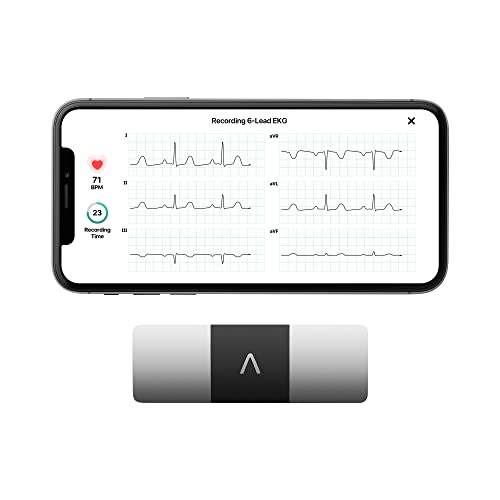
KardiaMobile 6-Lead Personal EKG Monitor – Six Views of ...
Stay on top of your health with heart rate monitors that provide accurate real-time data, seamless device integration, and long-lasting battery life.

Wellue O2Ring Oxygen Monitor with Vibration Reminder -Bluetooth O2 Pulse Oximeter Rechargeable, Continuous Recording of SpO2 & PR, Blood Oxygen Saturation Tracker with Free APP & PC Reports
All-day Monitoring: <strong>It can be used continuously tracking of blood oxygen level, pulse rate and body motion for the whole day</strong>.
Health Disclaimer
This content is for informational purposes only and does not constitute medical advice. Always consult a qualified healthcare provider before starting, stopping, or changing any supplement or medication regimen.