

Moderate Evidence

Promising research with growing clinical support from multiple studies

Vitiligo

Vitiligo is an autoimmune skin condition in which melanocytes—the pigment-producing cells—are lost, leading to well‑defined white patches on the skin and sometimes hair. It affects an estimated 0.5–2% of people worldwide, across all skin tones. While vitiligo is not physically painful or contagious, it can carry significant psychosocial impact, including stigma, anxiety, and reduced quality of life. Because visible change unfolds over months to years and responses to therapy vary, many people explore both biomedical and traditional options. This comparison outlines how Western dermatology understands, diagnoses, and treats vitiligo, and how Eastern systems—especially Traditional Chinese Medicine (TCM) and Ayurveda—frame and approach it, to help readers evaluate “alternative” or complementary options alongside standard care. Western medicine views vitiligo primarily as an autoimmune process with contributions from genetics and oxidative stress. Diagnosis is clinical: dermatologists look for depigmented (not just hypopigmented) patches, often accentuated under a Wood’s lamp. They classify nonsegmental (more common, often symmetric) versus segmental (localized, earlier onset) forms and rule out other causes of light patches. Blood tests are not universally required but may be considered to screen for associated autoimmune conditions (for example, thyroid disease) based on history and risk. Biopsy is reserved for atypical cases. Evidence‑based Western treatments aim to halt immune attack and stimulate repigmentation. For limited areas, topical corticosteroids or topical calcineurin inhibitors (tacrolimus, pimecrolimus) have strong clinical evidence, especially for facial/intertriginous sites. For more widespread disease, narrowband ultraviolet B (NB‑UVB) phototherapy is a mainstay with strong evidence; the 308‑nm excimer laser targets smaller lesions. In 2022, topical ruxolitinib (a JAK inhibitor) showed meaningful repigmentation in randomized trials and received U.S.

skin-conditions Updated March 20, 2026

This content is for informational purposes only and does not constitute medical advice. Always consult a qualified healthcare provider before starting, stopping, or changing any supplement or medication regimen.

Western Medicine

Diagnosis

Clinical diagnosis based on well‑demarcated depigmented macules/patches, accentuated with Wood’s lamp. Classify as nonsegmental vs segmental. Differentiate from tinea versicolor, post‑inflammatory hypopigmentation, pityriasis alba, morphea, and nevus depigmentosus. Dermoscopy may assist. Biopsy if atypical. Consider screening for associated autoimmune conditions (e.g., thyroid disease) guided by history and risk.

Treatments

  • Topical corticosteroids for limited, nonfacial lesions (time‑limited courses)
  • Topical calcineurin inhibitors (tacrolimus, pimecrolimus), especially for face and folds
  • Phototherapy: narrowband UVB (whole‑body) for widespread disease; 308‑nm excimer laser for focal lesions
  • Topical JAK inhibitor (ruxolitinib cream) for nonsegmental vitiligo
  • Systemic corticosteroids (short courses or ‘mini‑pulse’) to slow rapid progression (specialist‑directed)
  • Surgical options for stable, localized lesions: suction blister grafting, split‑thickness grafts, melanocyte‑keratinocyte transplantation
  • Adjuncts: camouflage cosmetics; psychological support; sun protection; depigmentation therapy (monobenzyl ether of hydroquinone) for extensive, treatment‑refractory disease in select adults

Medications

  • Clobetasol propionate
  • Betamethasone dipropionate
  • Triamcinolone acetonide
  • Tacrolimus
  • Pimecrolimus
  • Ruxolitinib (topical)
  • Methoxsalen (for PUVA in select cases)
  • Methylprednisolone (short systemic courses, specialist‑directed)
  • Tofacitinib (off‑label systemic in select cases, specialist‑directed)

Limitations

Responses are variable and typically gradual over months. Relapse can occur after treatment stops. Some areas (hands/feet) respond less predictably. Adherence to frequent clinic phototherapy can be challenging. Adverse effects include skin atrophy/striae from topical steroids; irritation/burning with calcineurin inhibitors; phototherapy burns and, with PUVA, cumulative photoaging risks; and class warnings for JAK inhibitors (serious infections, thrombosis, malignancy), though systemic absorption of topical formulations is low. Surgery is suited only to stable, localized disease and carries risks (scarring, cobblestoning).

Evidence: Strong Evidence

Sources

  • Guidelines from the American Academy of Dermatology (AAD) recommend topical corticosteroids/calcineurin inhibitors for limited disease and NB‑UVB for more widespread vitiligo.
  • A 2021 Cochrane review of interventions for vitiligo found NB‑UVB and topical corticosteroids effective; excimer laser and topical calcineurin inhibitors showed benefit for localized lesions.
  • Phase 3 randomized trials (TRuE‑V1 and TRuE‑V2) published in 2022 reported significant facial and total repigmentation with topical ruxolitinib vs vehicle.
  • British Association of Dermatologists guidelines (2021) support NB‑UVB, topical immunomodulators, and surgical grafting in stable disease.
  • Systematic reviews of surgical grafting techniques report favorable outcomes in stable segmental/focal vitiligo with appropriate patient selection.

Eastern & Traditional Medicine

Traditional Chinese Medicine (TCM)

Vitiligo (Bai Dian Feng, “white patch wind”) is viewed as a disharmony of qi and blood with patterns such as liver‑kidney deficiency, blood stasis, and wind invading the skin. Treatment aims to tonify liver and kidney, nourish blood/essence, dispel wind, and promote circulation to the skin, while gently stimulating melanogenesis.

Techniques

  • Herbal formulas individualized around Psoralea corylifolia (Bu Gu Zhi; internal and topical), often combined with Angelica sinensis (Dang Gui), Rehmannia glutinosa (Shu Di Huang), Paeonia lactiflora (Bai Shao), Polygonum multiflorum (He Shou Wu), Tribulus terrestris (Bai Ji Li)
  • Topical psoralea preparations with controlled light exposure (photosensitizing)
  • Acupuncture with local ‘surround the dragon’ technique around lesions and systemic points (e.g., ST36, SP6, LR3, BL17) to move qi/blood
  • Moxibustion or warm needling over/around lesions to warm channels and support yang
Licensed acupuncturists/TCM herbalists Integrative dermatology practitioners with TCM training
Evidence: Emerging Research

Ayurveda

Vitiligo is described as Shvitra/Switra, often arising from aggravated Pitta affecting Bhrajaka Pitta and Rakta dhatu, with roles for Vata and Kapha. Goals include pacifying Pitta, purifying vitiated doshas, and restoring normal skin coloration through shodhana (purification), shamana (palliation), and rasayana (rejuvenation).

Techniques

  • Panchakarma procedures such as virechana (purgation) in select patients, followed by shamana therapies
  • Topical and internal use of Bakuchi (Psoralea corylifolia) preparations, sometimes combined with controlled sun exposure
  • Herbal supports such as Neem (Azadirachta indica), Manjistha (Rubia cordifolia), Guduchi (Tinospora cordifolia), Haridra (Curcuma longa), and Amalaki (Emblica officinalis)
  • Diet and lifestyle guidance to avoid ‘viruddha ahara’ (food incompatibilities) and emphasize Pitta‑pacifying routines; stress reduction and gentle sun exposure as directed by the practitioner
Ayurvedic physicians (BAMS/MD Ayurveda) Integrative medicine clinicians with Ayurveda training
Evidence: Emerging Research

Naturopathy/Functional nutrition

Frames vitiligo as an immune‑oxidative imbalance influenced by stress, micronutrient status, and gut‑skin interactions. Aims to reduce oxidative stress, support immune balance, and complement dermatologic therapies.

Techniques

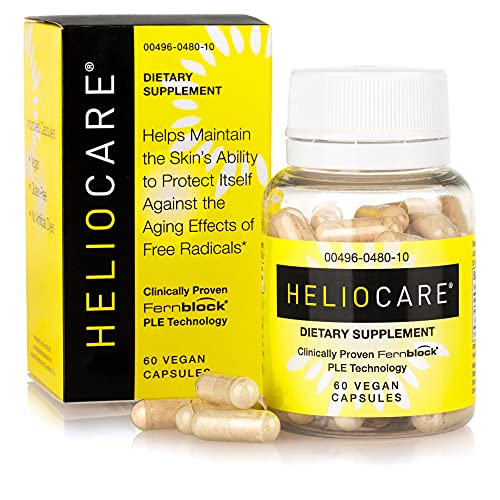
  • Targeted antioxidant supplementation (e.g., Polypodium leucotomos extract, vitamin D repletion when deficient)
  • Botanical immune/oxidative modulators such as Ginkgo biloba
  • Dietary strategies (whole‑food, anti‑inflammatory patterns; address B12/folate insufficiency if present)
  • Stress‑reduction practices and sleep optimization
  • Use as adjuvant to phototherapy or topical therapies
Licensed naturopathic doctors (jurisdiction‑dependent) Integrative/functional medicine clinicians Dietitians with integrative focus
Evidence: Moderate Evidence

Sources

  • A 2021–2022 set of Chinese systematic reviews reported that Chinese herbal medicine combined with NB‑UVB increased repigmentation compared with NB‑UVB alone; overall certainty was low due to risk of bias and heterogeneity.
  • Small randomized and observational studies suggest acupuncture or moxibustion may enhance localized repigmentation, but trials are few and methods vary.
  • Safety reports note hepatotoxicity and phototoxic reactions with Psoralea corylifolia and rare liver injury with Polygonum multiflorum; quality control is essential.
  • Small randomized and comparative studies suggest psoralea‑based Ayurvedic regimens with sunlight may induce repigmentation, but sample sizes are small and adverse phototoxic events occur.
  • Classical Ayurvedic texts (Charaka and Sushruta Samhitas) describe Shvitra pathogenesis and therapies including shodhana and use of Bakuchi.
  • Case reports and pharmacovigilance data document hepatotoxicity and severe phototoxicity with psoralea; product quality and monitoring are important.
  • Randomized trials suggest Ginkgo biloba may slow progression and promote repigmentation in nonsegmental vitiligo compared with placebo, though studies are small.
  • Clinical trials indicate Polypodium leucotomos extract can enhance repigmentation outcomes when combined with NB‑UVB or excimer therapy.
  • Observational studies link vitamin D insufficiency with vitiligo; interventional evidence for supplementation targets deficiency rather than vitiligo specifically.

Integrative Perspective

Convergences exist across traditions: immune modulation, oxidative stress reduction, and controlled light exposure are shared themes. In practice, many patients use NB‑UVB plus a topical (steroid or calcineurin inhibitor) as foundational therapy, then layer evidence‑informed adjuncts. Data suggest antioxidants like Polypodium leucotomos or Ginkgo biloba may enhance phototherapy results; clinicians can consider these adjuvants with attention to interactions (e.g., Ginkgo and anticoagulants/antiplatelets). Some TCM/Ayurvedic preparations (especially psoralea‑containing products) photosensitize skin; combining them with phototherapy or aggressive sun exposure can increase burn risk. Hepatotoxicity has been reported with Psoralea corylifolia and Polygonum multiflorum; if such herbs are used, coordination with the prescribing dermatologist and baseline/periodic liver function monitoring may be prudent. Systemic JAK inhibitors (used off‑label in select cases) are metabolized by CYP pathways; polyherb regimens that affect CYP3A4 could, in theory, alter exposure—disclose all botanicals to your clinician. Psychological support, camouflage cosmetics, and sun protection integrate well with any plan. Red flags that warrant specialist input include rapid expansion of lesions, new facial/genital involvement, blistering after treatments, or systemic symptoms suggestive of associated autoimmune disease. Research on combined East‑West protocols is growing but remains limited; pragmatic trials comparing NB‑UVB plus standardized herbal or nutraceutical regimens versus NB‑UVB alone would help clarify benefits and safety. Consult your healthcare provider before making changes to your health regimen.

Sources

  1. AAD clinical guidelines for vitiligo (2020–2024) summarize diagnosis, topical therapy, phototherapy, and surgical options.
  2. A 2021 Cochrane review of treatments for vitiligo supports NB‑UVB and topical corticosteroids; calcineurin inhibitors help localized lesions.
  3. NEJM 2022: Phase 3 TRuE‑V trials showed topical ruxolitinib improved repigmentation outcomes in nonsegmental vitiligo.
  4. British Association of Dermatologists 2021 guideline outlines phototherapy, topical agents, and surgery for stable vitiligo.
  5. Systematic reviews (2021–2022) suggest Chinese herbal medicine plus NB‑UVB may increase repigmentation vs NB‑UVB alone but with low‑certainty evidence.
  6. Randomized trials report benefits of Polypodium leucotomos as an adjuvant to phototherapy and small RCTs report Ginkgo biloba slowed vitiligo progression.
  7. LiverTox and case reports describe hepatotoxicity from Psoralea corylifolia and Polygonum multiflorum; caution and monitoring are advised.
  8. FDA labeling for ruxolitinib cream (2022) details class warnings for JAK inhibitors and topical absorption considerations.

Related Content

comparisons

Natural Remedies for Vitiligo: East vs West

Natural Remedies for Vitiligo. Vitiligo is a chronic skin condition in which pigment-producing cells (melanocytes) are lost, leading to sharply defined white patches. From a Western biomedical view, immune dysregulation—especially autoreactive T cells and cytokine signaling—appears central, with oxidative stress and genetic susce

comparisons

Holistic Treatment for Vitiligo: East vs West

Holistic Treatment for Vitiligo. Vitiligo is a chronic skin condition characterized by well-defined depigmented patches caused by loss of melanocytes (the pigment-producing cells). It commonly presents on the face, hands, genital and periorificial areas, and can occur at any age. Subtypes include non-segmental (generalized) vitilig

comparisons

Holistic Treatment for Melasma: East vs West

Holistic Treatment for Melasma. Melasma is a chronic skin condition marked by patchy, symmetric hyperpigmentation—most often on the cheeks, forehead, upper lip, and chin. It is influenced by ultraviolet and visible light exposure, hormones (e.g., pregnancy, oral contraceptives), genetics, and skin inflammation. Comparing Western b

comparisons

Alopecia Areata: East vs West

Alopecia Areata. Alopecia areata is an autoimmune form of hair loss that typically presents as round or oval bald patches on the scalp or body. Understanding both Western biomedical care and Eastern healing traditions can help people assemble a more holistic plan that addresses immune activity, hair regrowth, and qu

comparisons

Alternatives for Alopecia Areata (Hair Loss): East vs West

Alternatives for Alopecia Areata (Hair Loss). Alopecia areata (AA) is a non-scarring hair loss condition driven by the immune system mistakenly attacking hair follicles. It often appears as round, smooth patches on the scalp or beard, and can progress to involve the entire scalp (alopecia totalis) or the whole body (alopecia universalis). From

relationships

Psoriasis and Phototherapy

Psoriasis and Phototherapy. Psoriasis is a chronic, immune‑mediated skin disease marked by well‑demarcated, scaly plaques that can itch, crack, and bleed. Variants include chronic plaque (most common), guttate, inverse, pustular, and erythrodermic psoriasis. Beyond the skin, many people experience nail changes and joint inflam

Health Disclaimer

This content is for informational purposes only and does not constitute medical advice. Always consult a qualified healthcare provider before starting, stopping, or changing any supplement or medication regimen.