Emerging ResearchEarly-stage research, mostly preclinical or preliminary human studies
Holistic Treatment for Melasma
Melasma is a chronic skin condition marked by patchy, symmetric hyperpigmentation—most often on the cheeks, forehead, upper lip, and chin. It is influenced by ultraviolet and visible light exposure, hormones (e.g., pregnancy, oral contraceptives), genetics, and skin inflammation. Comparing Western biomedical and Eastern medical perspectives can help people understand both well-studied depigmenting strategies and broader, whole-person approaches that address triggers, lifestyle, and constitutional patterns. No single therapy suits everyone, and relapse is common; careful, sustained care is usually needed.
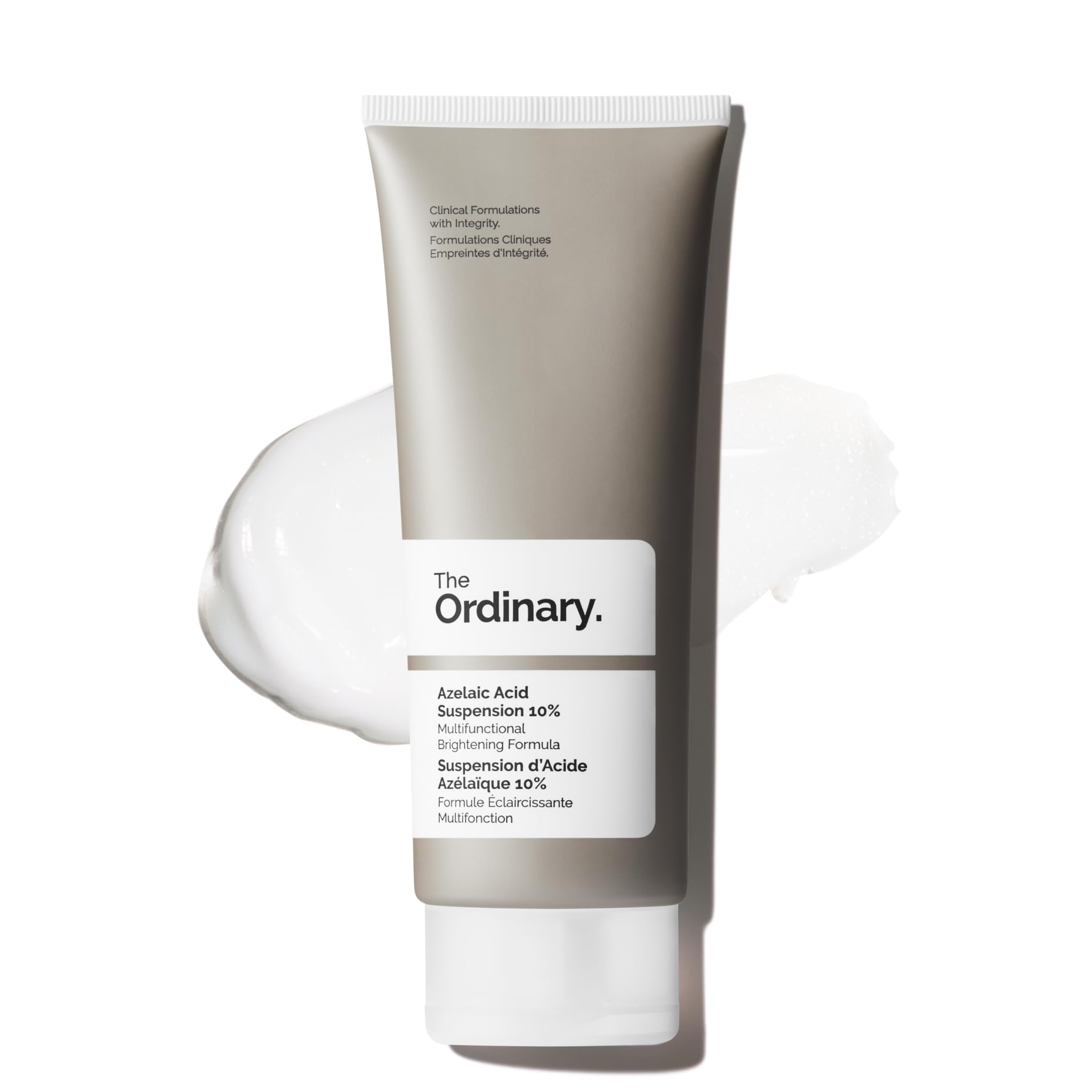
From a Western perspective, melasma involves overactive melanogenesis (excess melanin production), increased melanosome transfer to skin cells, and dysregulated signaling pathways triggered by UV/visible light, estrogen/progesterone, and local inflammation. Vascular factors and dermal changes (e.g., solar elastosis) may contribute to persistence. Diagnosis is clinical, sometimes aided by Wood’s lamp, dermoscopy, or reflectance confocal microscopy to estimate epidermal vs dermal pigment and to guide treatment expectations. Standard care prioritizes broad-spectrum photoprotection (including visible light protection with tinted/iron-oxide products), topical depigmenting agents (hydroquinone, azelaic acid, retinoids, kojic acid, cysteamine, vitamin C, niacinamide), and, when appropriate, oral or topical tranexamic acid. Chemical peels, microneedling-assisted delivery of agents, and selective laser/light devices may be considered for resistant cases, though they carry a risk of irritation and post-inflammatory hyperpigmentation—particularly in darker skin types. Evidence is strongest for sunscreen use, hydroquinone-containing regimens (including triple-combination cream with a retinoid and mild corticosteroid), azelaic acid, and tranexamic acid; devices have more variable outcomes.
A holistic biomedical extension recognizes that triggers like sunlight, heat, certain h
skin-conditions
Updated March 17, 2026