Moderate EvidencePromising research with growing clinical support from multiple studies
Natural Remedies for Alzheimer’s Disease
Alzheimer’s disease (AD) is a progressive neurodegenerative condition characterized by memory loss, cognitive decline, and functional impairment. Western biomedicine defines AD by pathological protein changes—amyloid-β plaques and tau tangles—leading to synaptic failure and brain atrophy. Diagnosis is increasingly supported by biomarkers such as cerebrospinal fluid Aβ42 and phospho‑tau, amyloid or tau PET imaging, and emerging plasma assays, alongside neuropsychological testing and MRI. This lens leads to treatments that target neurotransmission and, more recently, amyloid clearance, with lifestyle measures to support function. Eastern frameworks approach AD differently. In Traditional Chinese Medicine (TCM), cognitive decline can reflect patterns such as “kidney essence deficiency,” “phlegm‑dampness obscuring the orifices,” or “blood stasis,” guiding individualized herbal formulas and acupuncture. Ayurveda frames memory loss (smriti‑bhramsha) as disturbances of vata and kapha with depletion of ojas (vitality), emphasizing medhya rasayana (nootropic rejuvenatives), cleansing therapies, and mind‑body practices. These distinct maps of the condition lead to overlapping yet distinct natural‑remedy choices.
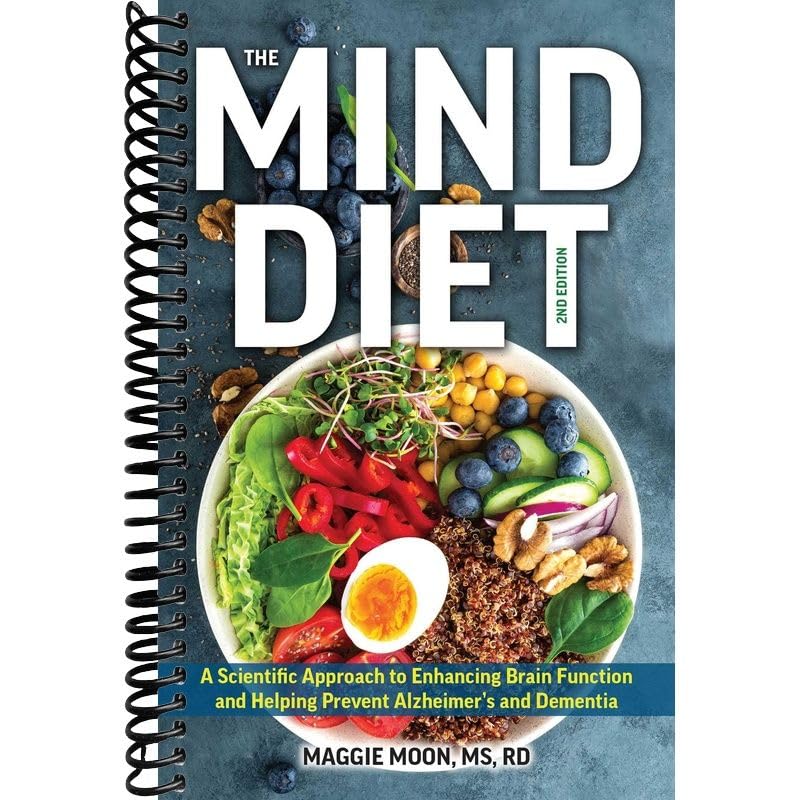
From a Western evidence‑based perspective, “natural” strategies focus on risk reduction and symptomatic support. Multi‑domain lifestyle programs—Mediterranean or MIND‑style diets, regular aerobic and resistance exercise, cognitive training, social engagement, sleep optimization, and vascular risk control—show the most consistent signals, particularly for preventing or slowing decline in at‑risk older adults and those with mild cognitive impairment (MCI). Omega‑3 fatty acids (especially DHA) have mixed trial results, with possible benefit earlier (MCI) but little effect in established AD. Curcumin has anti‑inflammatory and anti‑amyloid properties in preclinical work, yet trials in AD are small and limited by bioavailability. B‑vitamins (B6, folate, B12) can lower homc
neurological
Updated March 17, 2026