

Moderate Evidence

Promising research with growing clinical support from multiple studies

High Cholesterol — Herbal and Integrative Approaches

High cholesterol (hypercholesterolemia) refers to unhealthy patterns of blood lipids—primarily elevated low-density lipoprotein cholesterol (LDL-C), sometimes high triglycerides, and often low high-density lipoprotein (HDL-C). Clinically, LDL-C is the main driver of atherosclerotic cardiovascular disease (ASCVD) risk. Severe hypercholesterolemia is often defined as LDL-C at or above 190 mg/dL, while most adults are managed based on overall ASCVD risk plus lipid levels. Because heart disease remains a leading cause of death, controlling LDL-C is a major prevention goal. Many people explore herbal or complementary options to enhance lifestyle changes or when prescription medications are not tolerated. Understanding how Western and Eastern perspectives align—and where they differ—can help you make informed decisions with your care team. Western medicine identifies high cholesterol with fasting or nonfasting lipid panels and risk assessment tools. Causes may be genetic (such as familial hypercholesterolemia) or secondary to conditions like diabetes, hypothyroidism, kidney disease, or certain medications. First-line care emphasizes food pattern quality (e.g., Mediterranean-style eating, soluble fiber), physical activity, weight management, and smoking cessation. When needed, medications with strong outcome evidence are added. Statins reduce LDL-C by roughly 30–50% or more and lower heart attack and stroke risk. Ezetimibe modestly lowers LDL-C and further reduces events when combined with statins. PCSK9 inhibitors and inclisiran produce large LDL-C reductions and improve outcomes in high-risk groups. Bempedoic acid has shown event reduction in statin-intolerant patients. For rare, severe cases, LDL apheresis may be considered. What about herbs and supplements? Evidence varies: - Red yeast rice (RYR) contains monacolin K, chemically identical to lovastatin. Trials—especially in standardized extracts—report LDL-C reductions often comparable to low- to moderate-intensity,

cardiovascular Updated March 20, 2026

This content is for informational purposes only and does not constitute medical advice. Always consult a qualified healthcare provider before starting, stopping, or changing any supplement or medication regimen.

Western Medicine

Diagnosis

Assessment uses fasting or nonfasting lipid panels (total cholesterol, LDL-C, HDL-C, triglycerides) and ASCVD risk estimation. Severe primary hypercholesterolemia is often defined as LDL-C ≥190 mg/dL. Clinicians evaluate secondary causes (e.g., diabetes, hypothyroidism, nephrotic syndrome, medications) and consider familial hypercholesterolemia when LDL-C is very high or there is premature ASCVD in relatives.

Treatments

  • Heart-healthy dietary patterns (e.g., Mediterranean-style), reduced saturated fat, increased soluble fiber
  • Regular aerobic and resistance exercise
  • Weight management and smoking cessation
  • Statin therapy as first-line pharmacotherapy for most at-risk adults
  • Add-on ezetimibe for additional LDL-C lowering
  • PCSK9 inhibitors or inclisiran for very high risk or statin-intolerant patients
  • Bempedoic acid as an option for statin-intolerant or as add-on therapy
  • Bile acid sequestrants in selected cases
  • LDL apheresis for severe, refractory familial hypercholesterolemia
  • Evidence-supported nutraceuticals (e.g., plant sterols/stanols, soluble fiber) as adjuncts

Medications

  • atorvastatin
  • rosuvastatin
  • simvastatin
  • pravastatin
  • lovastatin
  • pitavastatin
  • ezetimibe
  • evolocumab
  • alirocumab
  • inclisiran
  • bempedoic acid
  • cholestyramine
  • colesevelam
  • colestipol
  • niacin

Limitations

Some patients experience statin-associated muscle symptoms or prefer nonpharmacologic options. Access and cost can limit use of PCSK9 inhibitors. Residual cardiovascular risk may persist despite LDL-C lowering. For supplements, product quality and standardization vary widely, and evidence strength differs across agents. Monitoring and potential interactions are important considerations.

Evidence: Strong Evidence

Sources

  • 2018/2019 and 2022 ACC/AHA cholesterol management guidelines and expert consensus documents
  • IMPROVE-IT trial (ezetimibe added to statin reduced cardiovascular events)
  • FOURIER and ODYSSEY OUTCOMES trials (PCSK9 inhibitors reduced events in high-risk populations)
  • CLEAR Outcomes 2023 (bempedoic acid reduced events in statin-intolerant patients)
  • National Lipid Association statements on lifestyle and adjunctive nutraceuticals

Eastern & Traditional Medicine

Traditional Chinese Medicine (TCM)

TCM conceptualizes dyslipidemia as patterns such as phlegm-damp accumulation, blood stasis, spleen qi deficiency, and liver qi constraint. Treatment is individualized by pattern differentiation, aiming to transform phlegm, invigorate blood, strengthen spleen, and soothe the liver. Herbs and formulas may address both lipid imbalance and underlying constitutional tendencies.

Techniques

  • Herbal formulas: Hong Qu (red yeast rice); Shan Zha (Crataegus/hawthorn) for 'food stagnation'; Huang Lian or Coptis spp. (berberine-containing) to clear damp-heat; Dan Shen (Salvia miltiorrhiza) to invigorate blood; Jue Ming Zi (Cassia semen) to clear liver and improve lipid balance
  • Classical or modified formulas such as Er Chen Tang (for phlegm-damp) or Xue Fu Zhu Yu Tang (for blood stasis), adapted to lipid concerns
  • Acupuncture for metabolic regulation and stress modulation (adjunctive role)
  • Dietary therapy aligned with TCM principles (avoiding damp-forming foods, emphasizing vegetables and whole grains)
Licensed acupuncturists (L.Ac.) with Chinese herbal training TCM herbalists Integrative physicians trained in Chinese herbal medicine
Evidence: Moderate Evidence

Ayurveda

Dyslipidemia is understood as Medoroga—an imbalance of Meda Dhatu (adipose/lipid tissue) often driven by Kapha aggravation and the accumulation of Ama (metabolic residue) blocking Srotas (channels). Management addresses diet and lifestyle (ahara/vihara), agni (digestive/metabolic fire), and herbs that 'scrape' excess lipids (lekhana) and support cardiovascular balance.

Techniques

  • Herbal compounds: Guggul (Commiphora mukul) preparations; Arjuna (Terminalia arjuna) for cardiac support; Triphala for gut and metabolic balance; Turmeric (Curcuma longa) and other spices; Fenugreek (Trigonella foenum-graecum); Garlic (Lashuna) in classical texts
  • Formulations such as Triphala Guggulu or Yogaraja Guggulu under practitioner guidance
  • Kapha-pacifying diet and lifestyle; yoga and pranayama for stress and weight management
Ayurvedic physicians (e.g., BAMS) Ayurvedic practitioners Integrative physicians with Ayurvedic training
Evidence: Emerging Research

Naturopathic/Western Herbalism

Focuses on targeting intestinal cholesterol absorption, bile acid recycling, hepatic synthesis, and oxidative stress alongside diet and exercise. Emphasizes standardized extracts and food-based nutraceuticals with measurable lipid effects.

Techniques

  • Plant sterol/stanol-enriched foods to reduce intestinal cholesterol absorption
  • Soluble fibers (e.g., psyllium, beta-glucan) to increase bile acid excretion
  • Artichoke leaf extract (Cynara scolymus) targeting bile flow and cholesterol synthesis enzymes
  • Garlic preparations for mild lipid and antiplatelet effects
  • Berberine-containing botanicals used as standardized extracts
Licensed naturopathic doctors (ND) Registered dietitians (RDN) with integrative focus Integrative and functional medicine clinicians
Evidence: Moderate Evidence

Sources

  • Systematic reviews (2019–2022) report clinically meaningful LDL-C reductions with standardized red yeast rice extracts; event reduction shown in a large Chinese RCT of a red yeast rice preparation
  • Meta-analyses suggest berberine lowers LDL-C and triglycerides, possibly via AMPK activation and PCSK9 modulation
  • Hawthorn has traditional use for digestion and circulation; small trials suggest modest lipid effects; evidence quality varies
  • Modern TCM texts describe dyslipidemia patterns (phlegm-damp, blood stasis) and corresponding formulas
  • Classical sources (Charaka Samhita, Sushruta Samhita) describe Medoroga and lekhana herbs
  • Randomized trials of guggul show mixed lipid effects; a 2003 RCT in hypercholesterolemic adults reported no LDL-C reduction and some adverse events
  • Meta-analyses of curcumin suggest small improvements in triglycerides and modest LDL-C changes
  • Fenugreek and garlic have shown modest lipid changes in small trials; evidence heterogeneity is high
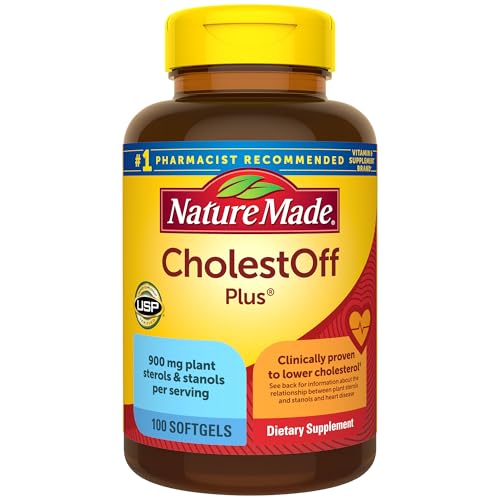
  • Guidelines and meta-analyses report plant sterols/stanols reduce LDL-C by approximately 5–15%
  • Soluble fiber meta-analyses show modest LDL-C lowering and additional glycemic benefits
  • Artichoke leaf extract RCTs suggest small LDL-C reductions; trial quality variable
  • Garlic meta-analyses show modest total cholesterol reductions; LDL-C effects are inconsistent
  • Berberine systematic reviews report LDL-C and triglyceride lowering with gastrointestinal side effects

Integrative Perspective

Thoughtful integration can pair evidence-based pharmaceuticals and lifestyle with select herbal or nutraceutical options, especially when LDL-C targets are not met or when medication intolerance is an issue. Research supports plant sterols/stanols and soluble fibers as safe adjuncts to diet and medications. Standardized red yeast rice can meaningfully lower LDL-C, but because it contains a statin-like compound (monacolin K), clinicians often monitor liver enzymes and muscle symptoms as they would with statins; quality control and variable monacolin content are major concerns, and some products may contain contaminants such as citrinin. Berberine may complement therapy through LDL receptor upregulation and PCSK9 modulation but can interact with cytochrome P450 enzymes and P-glycoprotein, potentially affecting drugs with narrow therapeutic indices (e.g., calcineurin inhibitors). Garlic’s antiplatelet properties can add to bleeding risk when combined with anticoagulants or antiplatelet drugs. Artichoke leaf extract appears to have a favorable safety profile, though lipid effects are modest. Policosanol has shown inconsistent results outside of a limited set of early trials; most independent studies have not confirmed meaningful lipid lowering. In integrated care, clinicians commonly reassess lipid panels after therapy changes and may check liver enzymes when using agents that affect hepatic metabolism (e.g., statins, red yeast rice, niacin) or if symptoms arise. Creatine kinase is sometimes measured if muscle symptoms occur. Quality matters: third-party–tested supplements (e.g., USP, NSF) can reduce variability and contamination risk. Red flags that warrant conventional evaluation include very high LDL-C levels (suggesting familial hypercholesterolemia), established cardiovascular disease, or symptoms suggestive of acute coronary syndromes. In such settings, herbs are generally considered adjunctive rather than substitutes for therapies with proven outcome benefits. Research gaps include: head-to-head trials comparing standardized herbal preparations with modern nonstatin drugs; long-term cardiovascular outcome data for most botanicals; rigorous evaluation of herb–drug interactions; and improved standardization and regulatory oversight to ensure consistent active constituents across products. Consult your healthcare provider before making changes to your health regimen.

Sources

  1. ACC/AHA Blood Cholesterol Guidelines (2018/2019) and 2022 Expert Consensus on nonstatin therapies
  2. IMPROVE-IT (ezetimibe + statin reduced cardiovascular events)
  3. FOURIER and ODYSSEY OUTCOMES (PCSK9 inhibitors reduced events in high-risk patients)
  4. CLEAR Outcomes 2023 (bempedoic acid reduced events in statin-intolerant populations)
  5. Systematic reviews of red yeast rice (RYR) showing significant LDL-C reductions; large Chinese RCT of Xuezhikang showing event reduction
  6. Meta-analyses on plant sterols/stanols and soluble fiber demonstrating modest LDL-C reductions
  7. Systematic reviews of berberine reporting LDL-C and triglyceride reductions with gastrointestinal adverse effects
  8. Garlic meta-analyses reporting small total cholesterol reductions; inconsistent LDL-C effects
  9. Artichoke leaf extract trials showing small LDL-C changes; mixed quality
  10. Independent reviews finding policosanol generally ineffective outside early regional studies

Related Content

comparisons

High Cholesterol (Hyperlipidemia) — Western and Eastern Perspectives: East vs West

High Cholesterol (Hyperlipidemia) — Western and Eastern Perspectives. High cholesterol (hyperlipidemia) refers to elevated levels of lipids—primarily LDL cholesterol and triglycerides—in the blood. Persistently high LDL contributes to atherosclerotic plaque formation, raising the risk of heart attack and stroke. Western medicine frames this as a modifiable cardiovascu

comparisons

Holistic Treatment for High Cholesterol: East vs West

Holistic Treatment for High Cholesterol. High cholesterol—more precisely, dyslipidemia—refers to unfavorable levels of LDL (“bad”) cholesterol, HDL (“good”) cholesterol, and triglycerides that increase the risk of atherosclerotic cardiovascular disease (ASCVD), including heart attack and stroke. A holistic view looks at both risk reduction

comparisons

Natural Remedies for High Cholesterol: East vs West

Natural Remedies for High Cholesterol. High cholesterol is a modifiable risk factor for atherosclerosis and cardiovascular disease. In Western medicine, the biology centers on lipoproteins: low-density lipoprotein cholesterol (LDL‑C) carries cholesterol into artery walls and is a major target for risk reduction, while high-density lipopr

relationships

High Cholesterol (Hypercholesterolemia) and Statins (HMG‑CoA Reductase Inhibitors)

High Cholesterol (Hypercholesterolemia) and Statins (HMG‑CoA Reductase Inhibitors). High cholesterol—especially elevated low-density lipoprotein cholesterol (LDL-C)—is a major driver of atherosclerosis, the process that leads to plaque buildup in arteries and, ultimately, heart attacks and strokes. LDL-C and other apolipoprotein B–containing particles carry cholesterol into the art

comparisons

Coronary Artery Disease — Herbal Remedies (West vs East): East vs West

Coronary Artery Disease — Herbal Remedies (West vs East). Coronary artery disease (CAD) arises when atherosclerotic plaque narrows or blocks the coronary arteries, reducing blood flow to the heart muscle. The biomedical goals of care are clear: prevent heart attacks and strokes, reduce symptoms like angina, and extend healthy life through risk-factor contr

comparisons

Natural Remedies for Obesity — West vs East: East vs West

Natural Remedies for Obesity — West vs East. Obesity is a chronic, relapsing condition shaped by biology, behavior, and environment. Western medicine typically defines it by body mass index (BMI ≥30 kg/m² for adults), waist circumference, and body composition, alongside metabolic markers such as fasting glucose, HbA1c, lipid profile, blood pre

Health Disclaimer

This content is for informational purposes only and does not constitute medical advice. Always consult a qualified healthcare provider before starting, stopping, or changing any supplement or medication regimen.