

High Cholesterol (Hypercholesterolemia) and Statins (HMG‑CoA Reductase Inhibitors)
High cholesterol—especially elevated low-density lipoprotein cholesterol (LDL-C)—is a major driver of atherosclerosis, the process that leads to plaque buildup in arteries and, ultimately, heart attacks and strokes. LDL-C and other apolipoprotein B–containing particles carry cholesterol into the artery wall; high triglycerides can contribute via cholesterol-rich remnant particles, while high-density lipoprotein (HDL-C) generally reflects reverse cholesterol transport. Decades of research show that lowering LDL-C reduces cardiovascular events across a broad range of people. Statins, the most-studied LDL-lowering medicines, work by inhibiting HMG‑CoA reductase in the liver, decreasing cholesterol synthesis and upregulating LDL receptors that clear LDL from the bloodstream. Large randomized trials and meta-analyses consistently link statin therapy to fewer heart attacks, strokes, and cardiovascular deaths, with especially strong benefits in people who already have cardiovascular disease (secondary prevention). In primary prevention, benefits depend on a person’s overall 10‑year risk and other risk-enhancing factors. Safety is well characterized. Common issues include muscle aches; rare but serious complications such as myopathy or rhabdomyolysis occur infrequently. Liver enzyme elevations are usually mild and transient, so routine liver testing beyond baseline is not generally required unless symptoms arise. Statins are associated with a small increase in new-onset diabetes, most notably in people with prediabetes or metabolic risk; the absolute cardiovascular benefits typically outweigh this risk for those at elevated risk. Drug and supplement interactions matter: certain statins interact with strong CYP3A4 inhibitors (some antibiotics, antifungals, HIV medications) and grapefruit juice; gemfibrozil increases myopathy risk; red yeast rice contains a statin-like compound that can compound side effects. Lifestyle approaches remain foundational and synergize with,,
Updated September 8, 2026This content is for informational purposes only and does not constitute medical advice. Always consult a qualified healthcare provider before starting, stopping, or changing any supplement or medication regimen.
Overlapping Treatments
Mediterranean diet
Strong EvidenceConsistently lowers LDL-C and improves overall cardiovascular risk profile; associated with reduced cardiovascular events.
Enhances statin benefit by improving lipid milieu and may allow achievement of LDL targets with lower statin intensity in some cases.
Dietary adherence varies; benefits accrue over time; monitor for adequate nutrient intake.
Portfolio diet (viscous fiber, plant sterols, nuts, soy)
Strong EvidenceCan reduce LDL-C by approximately 15–30% when fully implemented.
Provides additive LDL lowering alongside statins, potentially reducing the need for dose escalation.
Full protocol may be challenging; plant sterol-enriched foods can affect absorption of fat-soluble vitamins if used excessively.
Physical activity and weight management
Moderate EvidenceImproves triglycerides, modestly raises HDL-C, and can lower LDL-C; reduces overall ASCVD risk.
Supports statin therapy by addressing metabolic syndrome and diabetes risk; may mitigate statin-associated fatigue in some individuals.
Individualize plans for comorbidities and mobility limits.
Ezetimibe
Strong EvidenceLowers LDL-C ~18–25% by reducing intestinal cholesterol absorption; improves outcomes when added to statins post-ACS.
Add-on to statins for further LDL reduction; alternative in statin intolerance strategies.
Generally well tolerated; modest LDL effect compared with high-intensity statins.
PCSK9 inhibitors (evolocumab, alirocumab)
Strong EvidenceLower LDL-C by ~50–60% and reduce major adverse cardiovascular events.
Powerful adjunct to statins for very high risk or familial hypercholesterolemia; statin-sparing in intolerance.
Injectable; cost and access considerations; monitor for injection-site reactions.
Bempedoic acid
Moderate EvidenceLowers LDL-C ~15–25% and reduced cardiovascular events in statin-intolerant patients.
Oral add-on or alternative when statins are not tolerated or insufficient.
May raise uric acid and risk of gout; monitor for tendon symptoms.
Icosapent ethyl (pure EPA) for elevated triglycerides
Strong EvidenceLowers triglycerides and significantly reduces cardiovascular events when added to statins in selected high-risk patients.
Complements statins by targeting residual risk linked to triglyceride-rich remnants and inflammation.
Monitor for atrial fibrillation/flutter and bleeding risk in predisposed individuals.
Red yeast rice (Monascus purpureus)
Moderate EvidenceCan lower LDL-C due to monacolin K (lovastatin analogue).
Pharmacologically overlaps with statins; effects may duplicate therapy and increase myopathy/hepatotoxicity risk if combined.
Product potency varies; potential contaminants (citrinin); interactions similar to statins; avoid combining without clinician oversight.
Medical Perspectives
Two Ways of Seeing Health

Western
scientific · clinical
Western medicine applies science, technology, and clinical experience to treat symptoms through testing, diagnosis, and targeted intervention.
Surgeons · Pharmaceuticals · Clinical trials · Diagnostics 
Eastern
traditional · alternative
Eastern medicine focuses on treating the body naturally by applying traditional knowledge practiced for thousands of years, emphasizing balance and whole-person wellness.
Acupuncture · Herbal medicine · Yoga · Meditation
Gold Bamboo presents both perspectives side-by-side so you can make informed decisions. We don't advocate for one over the other — your health choices are yours.
Two Ways of Seeing Health
Western
scientific · clinical
Western medicine applies science, technology, and clinical experience to treat symptoms through testing, diagnosis, and targeted intervention.
Eastern
traditional · alternative
Eastern medicine focuses on treating the body naturally by applying traditional knowledge practiced for thousands of years, emphasizing balance and whole-person wellness.
Gold Bamboo presents both perspectives side-by-side so you can make informed decisions. We don't advocate for one over the other — your health choices are yours.
Western Perspective
Western medicine identifies elevated LDL-C and other apoB-containing lipoproteins as causal in atherosclerosis. Statins lower LDL-C by upregulating hepatic LDL receptors through HMG‑CoA reductase inhibition, producing large, consistent reductions in cardiovascular events. Therapy intensity and add-on agents are tailored to absolute risk, LDL-C level, and treatment tolerance.
Key Insights
- Risk reduction is proportional to the absolute LDL-C decrease, with no clear lower threshold identified for benefit.
- Secondary prevention benefits of statins are robust across ages and sexes; primary prevention benefits scale with baseline risk.
- Nonstatin add-ons (ezetimibe, PCSK9 inhibitors, bempedoic acid) further reduce events when LDL-C remains above targets or intolerance limits statin dose.
- Statins slightly increase diabetes incidence, but absolute cardiovascular benefits usually outweigh this for those at elevated risk.
- Monitoring focuses on baseline lipids and liver enzymes, early follow-up of lipid response, and symptom-guided evaluation for muscle effects.
Treatments
- High- and moderate-intensity statins
- Ezetimibe
- PCSK9 inhibitors
- Bempedoic acid
- Icosapent ethyl for residual hypertriglyceridemia
Deep Dive
From a western clinical perspective, high cholesterol drives atherosclerosis primarily through elevated concentrations of atherogenic apolipopro... From a western clinical perspective, high cholesterol drives atherosclerosis primarily through elevated concentrations of atherogenic apolipoprotein B–containing particles, notably LDL. These particles penetrate the arterial intima, become retained and modified, and trigger inflammation and plaque formation. Biomarkers map onto this biology: LDL-C tracks the atherogenic burden; non–HDL-C and apoB can refine risk; high triglycerides reflect remnant lipoproteins that also promote atherogenesis; HDL-C often inversely correlates with risk but is not a primary treatment target. Randomized trial evidence shows that the absolute reduction in LDL-C, rather than the agent used, is tightly linked to fewer cardiovascular events, with no clear threshold below which benefit ceases. Statins inhibit hepatic HMG‑CoA reductase, lowering intracellular cholesterol and upregulating LDL receptors, thereby increasing clearance of circulating LDL. Across primary and secondary prevention trials, statins reduce myocardial infarction, ischemic stroke, and cardiovascular death. Benefits are most pronounced in secondary prevention and in those with higher baseline risk, aligning with risk-based treatment algorithms. Ezetimibe, PCSK9 inhibitors, and, for certain patients, bempedoic acid, extend LDL lowering when statins alone are insufficient or not tolerated. For patients with elevated triglycerides on statins, icosapent ethyl can further reduce events, likely by addressing remnant lipoproteins and inflammation. Safety data are extensive. Myalgias are relatively common, though true myopathy is rare; severe rhabdomyolysis is very uncommon. Transaminase elevations usually resolve without sequelae; routine liver enzyme monitoring beyond baseline is not generally required unless symptoms suggest hepatotoxicity. Statins modestly increase the risk of diabetes, particularly at higher intensities and in people with metabolic risk, but for most at-risk individuals the cardiovascular benefits outweigh this hazard. Clinicians consider drug interactions—especially with CYP3A4 inhibitors (for simvastatin, lovastatin, atorvastatin), grapefruit juice, and gemfibrozil—and tailor regimens accordingly. Baseline lipids and liver enzymes are typically assessed, with repeat lipids 4–12 weeks after initiation or dose change to confirm response and guide adjustments. Lifestyle modification remains foundational. Mediterranean and Portfolio dietary patterns, regular physical activity, weight management, and smoking cessation each contribute to risk reduction and often enhance pharmacologic effects. Shared decision-making uses global risk estimation, patient values, and tolerance history to select therapy intensity, consider nonstatin options, and plan monitoring over time, including special considerations for older adults, statin intolerance, chronic kidney disease, and pregnancy.
Sources
- CTT Collaboration. Lancet. 2012;380:581-590.
- Collins R et al. Lancet. 2016;388:2532-2561.
- Grundy SM et al. 2018/2019 ACC/AHA Guideline on the Management of Blood Cholesterol.
- USPSTF. JAMA. 2022;328(8):746-753.
- IMPROVE-IT Investigators. N Engl J Med. 2015;372:2387-2397.
- FOURIER. N Engl J Med. 2017;376:1713-1722.
- ODYSSEY OUTCOMES. N Engl J Med. 2018;379:2097-2107.
- CLEAR Outcomes. N Engl J Med. 2023;388:1353-1364.
- REDUCE-IT. N Engl J Med. 2019;380:11-22.
Eastern Perspective
Traditional systems frame dyslipidemia within broader patterns of imbalance and aim to restore harmony in digestion, metabolism, and circulation. Many approaches emphasize dietary patterns, botanical formulas, and mind–body balance. Some remedies, such as red yeast rice, overlap pharmacologically with statins; others, like hawthorn or guggul, are understood to support lipid metabolism and circulatory health from a traditional standpoint, with varying levels of modern evidence.
Key Insights
- Traditional Chinese Medicine often attributes hyperlipidemia to phlegm-damp accumulation and spleen–kidney deficiency, guiding use of herbs (e.g., hawthorn, salvia) and acupuncture to move blood and resolve dampness.
- Ayurveda considers high lipids part of medoroga (fat tissue disorder) related to kapha aggravation; diet, exercise (vyayama), and herbs such as guggul are used to normalize fat metabolism.
- Red yeast rice (Hong Qu) illustrates convergence: a traditional food yielding modern statin-like effects; careful integration is needed to avoid duplication with prescribed statins.
- Integrative clinicians frequently combine whole-food dietary patterns, soluble fiber, stress reduction, and targeted botanicals with conventional therapy to address residual risk and side effects.
- Evidence for some traditional therapies is emerging, while dietary patterns and fiber have stronger modern evidence bases.
Treatments
- Whole-food, plant-forward or Mediterranean-style diets
- Acupuncture for metabolic syndrome support (emerging evidence)
- Hawthorn (Crataegus) for circulatory support (traditional; limited modern lipid data)
- Guggul (Commiphora mukul) for lipid balance (evidence mixed)
- Red yeast rice (statin-like; requires interaction awareness)
Deep Dive
Traditional and integrative frameworks view high cholesterol as one manifestation of broader imbalances in digestion, metabolism, and circulatio... Traditional and integrative frameworks view high cholesterol as one manifestation of broader imbalances in digestion, metabolism, and circulation. In Traditional Chinese Medicine, dyslipidemia is frequently interpreted as phlegm-damp accumulation, sometimes coupled with spleen or kidney deficiency. Treatment aims to transform phlegm, resolve dampness, and move blood, using dietary therapy, exercise (qigong/taiji), acupuncture, and botanicals such as hawthorn (shan zha) and salvia (dan shen) to support circulation. Ayurveda groups lipid disorders within medoroga, often linked to kapha aggravation, and emphasizes a kapha-pacifying diet, daily movement (vyayama), digestive fire (agni) support, and herbs such as guggul. Across these systems, food is central medicine, privileging whole, minimally processed plants, legumes, and spices, while moderating saturated fats and refined carbohydrates—an approach consonant with modern evidence for Mediterranean- and Portfolio-style diets. Red yeast rice (Hong Qu) illustrates the bridge between traditions and biomedicine. Historically used to color and ferment foods, certain preparations contain monacolin K, chemically identical to lovastatin. Clinical studies show LDL-C lowering, but product potency varies widely and contaminants can occur; because effects and interactions mirror prescription statins, concurrent use requires caution and professional oversight. Other botanicals (e.g., guggul, hawthorn) have longer traditional pedigrees with mixed or limited modern lipid data, yet may support circulation, digestive function, or weight management when used as part of a broader lifestyle program. Integrative care often blends conventional medications with high-fiber, plant-forward eating, stress reduction, and, when appropriate, acupuncture or select nutraceuticals. The intent is to optimize lipid profiles, reduce residual risk, and improve quality of life while respecting patient preferences and cultural practices. Practitioners emphasize individualized plans, careful attention to herb–drug interactions, and ongoing monitoring. In this way, eastern perspectives complement western risk-based frameworks: both prioritize addressing underlying diet and lifestyle, and both recognize the value—and limits—of pharmacologic LDL lowering in preventing atherosclerotic disease.
Sources
- Bensky D, Clavey S. Chinese Herbal Medicine: Materia Medica. 3rd ed.
- Zhao SP et al. J Altern Complement Med. 2012;18(12):1109-1120 (acupuncture & lipids, small trials).
- Ulbricht C et al. Hawthorn monograph. J Diet Suppl. 2010.
- Szapary PO et al. Ann Intern Med. 2003;139:996-1004 (guggul; mixed results).
- NIH ODS: Red yeast rice fact sheet. 2021 update.
Evidence Ratings
Each 1 mmol/L (≈39 mg/dL) reduction in LDL-C lowers major vascular events by about 22%.
CTT Collaboration. Lancet. 2012;380:581-590.
Statins reduce myocardial infarction, stroke, and cardiovascular mortality, with strongest effects in secondary prevention.
Collins R et al. Lancet. 2016;388:2532-2561; HPS, 4S trials.
For primary prevention, statins reduce events when baseline 10-year ASCVD risk is elevated; decisions are individualized.
USPSTF. JAMA. 2022;328(8):746-753; HOPE-3; JUPITER.
Statin therapy modestly increases new-onset diabetes risk, particularly in people with metabolic risk.
Sattar N et al. Lancet. 2010;375:735-742.
Adding ezetimibe to statins after acute coronary syndrome further reduces cardiovascular events.
IMPROVE-IT. N Engl J Med. 2015;372:2387-2397.
PCSK9 inhibitors on top of statins lower LDL-C markedly and reduce cardiovascular events.
FOURIER. N Engl J Med. 2017;376:1713-1722; ODYSSEY OUTCOMES. 2018.
Icosapent ethyl reduces cardiovascular events in high-risk patients with elevated triglycerides on statins.
REDUCE-IT. N Engl J Med. 2019;380:11-22.
Red yeast rice lowers LDL-C but potency varies and safety concerns exist.
NIH Office of Dietary Supplements. Red Yeast Rice Fact Sheet (2021).
Sources
- CTT Collaboration. Efficacy and safety of more intensive lowering of LDL cholesterol. Lancet. 2012;380:581-590.
- Collins R et al. Interpretation of the evidence for the efficacy and safety of statin therapy. Lancet. 2016;388:2532-2561.
- Grundy SM et al. 2018/2019 ACC/AHA Multisociety Guideline on the Management of Blood Cholesterol.
- US Preventive Services Task Force. Statin Use for the Primary Prevention of CVD in Adults. JAMA. 2022;328(8):746-753.
- IMPROVE-IT Investigators. Ezetimibe added to statin after ACS. N Engl J Med. 2015;372:2387-2397.
- Sabatine MS et al. FOURIER. N Engl J Med. 2017;376:1713-1722.
- Schwartz GG et al. ODYSSEY OUTCOMES. N Engl J Med. 2018;379:2097-2107.
- Nissen SE et al. CLEAR Outcomes. N Engl J Med. 2023;388:1353-1364.
- Bhatt DL et al. REDUCE-IT. N Engl J Med. 2019;380:11-22.
- Estruch R et al. PREDIMED (re-analysis). N Engl J Med. 2018;378:e34.
- Jenkins DJA et al. Portfolio diet. JAMA. 2011;306(8):857-865.
- Sattar N et al. Statins and diabetes risk. Lancet. 2010;375:735-742.
- FDA Drug Safety Communication. Statins and pregnancy labeling update. 2021.
- NIH Office of Dietary Supplements. Red Yeast Rice Fact Sheet. 2021 update.
Related Topics
Recommended Products
Mayo Clinic Healthy Heart for Life!: The Mayo Clinic Plan for Preventing and Conquering Heart Disease: Mayo Clinic
Now, Mayo Clinic provides a ... Mayo Clinic <strong>provides up-to-date, clinically proven information that addresses the key causes of heart disease and provides clear, actionable advice in an easy-t
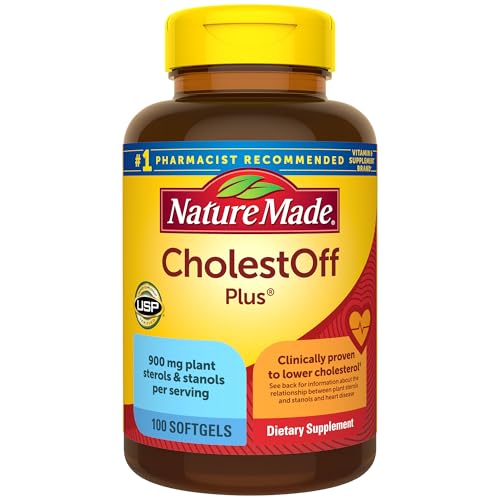
Nature Made CholestOff Plus, Dietary Supplement for Heart Health Support, 100 Softgels, 25 Day Supply
Nature Made CholestOff Plus is ... Phytosterols (plant sterols and stanols) <strong>lower cholesterol by reducing the absorption of dietary cholesterol into the bloodstream</strong>(1). Adults, take t

NOW Foods Supplements, Psyllium Husk Powder, Non-GMO Project Verified, Soluble Fiber, 24-Ounce
Soluble fiber from foods such as psyllium seed husks, as part of a diet low in saturated fat and cholesterol, may reduce the risk of heart disease. A serving of psyllium husk powder supplies 6 grams o
Health Disclaimer
This content is for informational purposes only and does not constitute medical advice. Always consult a qualified healthcare provider before starting, stopping, or changing any supplement or medication regimen.