

High Cholesterol
Also known as: Hypercholesterolemia, High Cholesterol (Hypercholesterolemia)
Overview
High cholesterol, or hypercholesterolemia, refers to elevated levels of cholesterol in the blood, particularly low-density lipoprotein cholesterol (LDL-C), which is strongly associated with atherosclerotic cardiovascular disease. Cholesterol itself is a waxy, fat-like substance that plays essential roles in cell membranes, hormone production, bile acid synthesis, and vitamin D metabolism. The clinical concern arises when cholesterol transport and metabolism become imbalanced, allowing cholesterol-rich particles to accumulate in blood vessel walls over time.
Hypercholesterolemia is common worldwide and is considered one of the major modifiable risk factors for heart attack, stroke, and peripheral arterial disease. It may occur as an isolated finding or alongside broader lipid abnormalities such as high triglycerides, low high-density lipoprotein cholesterol (HDL-C), or mixed dyslipidemia. Risk can stem from multiple factors, including genetics, dietary patterns, body weight, physical inactivity, insulin resistance, hypothyroidism, kidney disease, and certain medications. In some people, especially those with familial hypercholesterolemia, LDL cholesterol can be markedly elevated due to inherited changes in lipid metabolism.
From a clinical standpoint, high cholesterol is often described as a silent condition because it usually causes no symptoms until vascular disease has progressed. For that reason, screening blood tests are central to detection. Modern assessment looks beyond total cholesterol alone and typically includes LDL-C, HDL-C, triglycerides, and sometimes apolipoprotein B, non-HDL cholesterol, or lipoprotein(a). Conventional medicine evaluates cholesterol in the context of overall cardiovascular risk, while traditional systems often interpret it as part of a broader pattern involving digestion, circulation, metabolism, inflammation, or constitutional imbalance.
Research consistently indicates that lowering elevated atherogenic lipoproteins—especially LDL-C—reduces cardiovascular risk in many populations. At the same time, a comprehensive understanding of hypercholesterolemia increasingly includes lifestyle, metabolic health, inflammatory processes, genetics, and social determinants of health. Integrative discussions of this topic often emphasize that people considering conventional, nutritional, or traditional approaches may benefit from individualized evaluation by qualified healthcare professionals, particularly because cholesterol abnormalities can reflect both primary and secondary causes.
Medical Perspectives
Two Ways of Seeing Health

Western
scientific · clinical
Western medicine applies science, technology, and clinical experience to treat symptoms through testing, diagnosis, and targeted intervention.

Eastern
traditional · alternative
Eastern medicine focuses on treating the body naturally by applying traditional knowledge practiced for thousands of years, emphasizing balance and whole-person wellness.
Gold Bamboo presents both perspectives side-by-side so you can make informed decisions. We don't advocate for one over the other — your health choices are yours.
Western Medicine Perspective
Western / Conventional Medicine Perspective
In conventional medicine, hypercholesterolemia is understood primarily as a disorder of lipoprotein metabolism and a major contributor to atherosclerosis. LDL particles can penetrate the arterial wall, become oxidized or otherwise modified, and trigger inflammatory processes that lead to plaque formation. Over time, this can narrow arteries or create unstable plaques that rupture, causing myocardial infarction or ischemic stroke. Clinical emphasis is therefore placed not only on the cholesterol number itself, but on the patient’s overall atherosclerotic cardiovascular disease (ASCVD) risk.
Evaluation typically includes a fasting or nonfasting lipid panel, review of family history, and assessment for related conditions such as diabetes, obesity, metabolic syndrome, liver disease, thyroid disorders, and chronic kidney disease. Certain cases warrant additional investigation for inherited causes, especially when LDL-C is severely elevated or cardiovascular disease appears early in multiple family members. Contemporary guidelines often stratify treatment intensity according to baseline LDL-C, established ASCVD, diabetes status, age, and estimated long-term cardiovascular risk. Studies from large randomized trials have shown that reducing LDL-C with lifestyle measures and, when clinically appropriate, lipid-lowering medications is associated with lower rates of cardiovascular events.
Conventional management frameworks commonly focus on nutrition, physical activity, weight management, smoking cessation, and medication when indicated. Pharmacologic options may include statins, ezetimibe, PCSK9 inhibitors, bempedoic acid, and in select cases other lipid-lowering agents. These therapies differ in mechanism, potency, cost, and evidence base, but the strongest body of evidence supports LDL-C reduction as a central strategy for cardiovascular prevention. Clinical monitoring also considers safety, treatment adherence, residual risk, and whether the lipid abnormality is predominantly driven by LDL cholesterol, triglycerides, or mixed dyslipidemia.
A key feature of the western approach is its reliance on measurable biomarkers and outcomes data. However, even within conventional care, there is growing recognition that cholesterol exists within a larger network involving diet quality, inflammation, insulin resistance, sleep, stress, and health equity. As a result, many clinicians view hypercholesterolemia less as a single isolated lab abnormality and more as one component of broader cardiometabolic health.
Eastern & Traditional Perspective
Eastern / Traditional Medicine Perspective
Traditional medical systems generally do not describe hypercholesterolemia in the exact biochemical terms used in modern lipidology, but they often recognize symptom patterns and constitutional states that may parallel it. In Traditional Chinese Medicine (TCM), elevated lipids are frequently interpreted through patterns such as phlegm-damp accumulation, spleen deficiency, liver qi stagnation, blood stasis, or heat in the channels. From this perspective, impaired transformation and transportation of fluids and nutrients may contribute to internal “turbidity,” while poor circulation and stagnation may reflect the longer-term vascular consequences seen in cardiovascular disease.
TCM approaches have traditionally included individualized pattern differentiation using pulse, tongue, digestion, energy level, emotional state, and associated symptoms. Modalities discussed in the literature include dietary therapy, movement practices, acupuncture, and multi-herb formulations historically used to address phlegm, dampness, or blood stasis. Some modern studies suggest certain herbal formulas and acupuncture protocols may influence lipid markers, inflammatory pathways, or metabolic parameters, but the quality of evidence is variable, and standardization remains challenging. Herb-drug interactions and product quality are important considerations, especially for people already using prescription lipid-lowering therapies.
In Ayurveda, hypercholesterolemia is often viewed through the lens of meda dhatu imbalance (adipose/lipid tissue), impaired agni (digestive/metabolic fire), and accumulation of ama (metabolic byproducts or toxic residue). It may also be associated with kapha aggravation, sluggish metabolism, and impaired channel function. Traditional Ayurvedic interpretation tends to place cholesterol abnormalities within a whole-person framework that includes digestion, body constitution, daily routine, mental state, and long-term metabolic resilience.
Naturopathic and other traditional or integrative systems often frame high cholesterol as part of a broader disturbance in metabolic balance, diet quality, inflammatory burden, liver function, and lifestyle rhythm. These traditions may emphasize whole-food dietary patterns, stress regulation, sleep, movement, and selected botanicals or nutraceuticals that have been traditionally used or are under contemporary study. While some complementary approaches show emerging or moderate evidence for effects on lipid biomarkers, the most robust outcomes data for preventing heart attack and stroke remain in conventional lipid-lowering care. For that reason, integrative management is generally discussed as requiring careful coordination with qualified healthcare practitioners.
Related Topics
Statins
Statins — medication topic in the Gold Bamboo health ontology.
How They Relate
High Cholesterol (Hypercholesterolemia) & Statins (HMG‑CoA Reductase Inhibitors)
High cholesterol—especially elevated low-density lipoprotein cholesterol (LDL-C)—is a major driver of atherosclerosis, the process that leads to plaque buildup in arteries and, ultimately, heart at...
Supplements & Products
Recommended Products
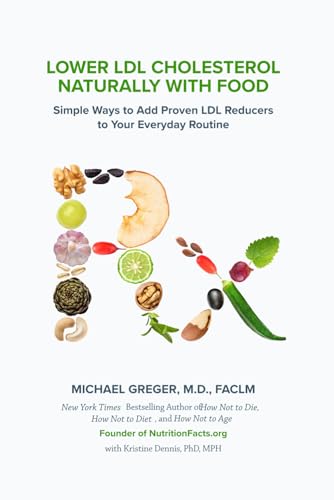
Cholesterol Down: Ten Simple Steps to Lower Your Cholesterol in Four Weeks-Without Prescription Drugs: Brill, Janet
Janet Brill offers you a revolutionary ... Cholesterol Down Plan, you simply <strong>add nine “miracle foods” to your regular diet and thirty minutes of walking to your daily routine</strong>....
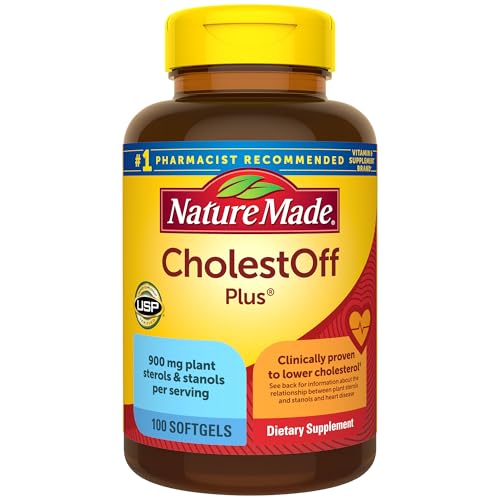
Nature Made CholestOff Plus, Dietary Supplement for Heart Health Support, 100 Softgels, 25 Day Supply
Nature Made CholestOff Plus is ... Phytosterols (plant sterols and stanols) <strong>lower cholesterol by reducing the absorption of dietary cholesterol into the bloodstream</strong>(1). Adults, take t

NOW Foods Supplements, Psyllium Husk Powder, Non-GMO Project Verified, Soluble Fiber, 24-Ounce
Soluble fiber from foods such as psyllium seed husks, as part of a diet low in saturated fat and cholesterol, may reduce the risk of heart disease. A serving of psyllium husk powder supplies 6 grams o
Heart 411: The Only Guide to Heart Health You'll Ever Need: Gillinov M.D., Marc, Nissen M.D., Steven
MARC GILLINOV, M.D., is <strong>Chairman of the Department of Thoracic and Cardiovascular Surgery at the Sydell and Arnold Miller Family Heart & Vascular Institute at Cleveland Clinic</strong>. ST

Jarrow Formulas Red Yeast Rice 1200 mg & CoQ10 100 mg Per Serving - 120 Veggie Caps, 60 Servings - Herbal Heart Health Dietary Supplement - Supports Cardiovascular & Cellular Health - Vegan
Red Yeast Rice with CoQ10 Supplement | Healthy Cholesterol Levels & Heart Health Support | Extra Strength Red Yeast Rice 1200 MG (600 MG Per Capsule) with Monakolin K | No Citrinin, Non-GMO | 120
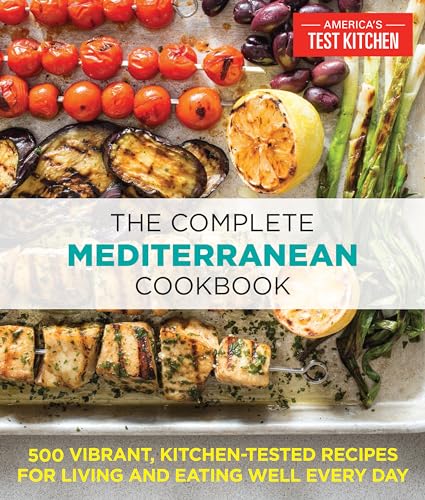
The Complete Mediterranean Cookbook: 500 Vibrant, Kitchen-Tested Recipes for Living and Eating Well Every Day (The Complete ATK Cookbook Series): America's Test Kitchen
The Complete Mediterranean Cookbook: <strong>500 Vibrant, Kitchen-Tested Recipes for Living and Eating Well Every Day</strong> (The Complete ATK Cookbook Series) [America's Test Kitchen] on Amazo

Metamucil, Psyllium Husk Powder, Unflavored with No Added Sweeteners, 114 Servings, 4-in-1 Fiber Supplement, Daily Psyllium Husk Fiber Powder Help Support Digestive Health by Promoting Regularity*
Metamucil psyllium husk powders ... levels*, and appetite control*. This Metamucil psyllium husk powder is <strong>unflavored with no added sweeteners</strong> and made with plant-based psyllium husk,
Evidence & Sources
Supported by multiple clinical trials and systematic reviews
- American Heart Association
- American College of Cardiology/American Heart Association Cholesterol Guidelines
- National Heart, Lung, and Blood Institute (NHLBI)
- World Health Organization
- The Lancet
- New England Journal of Medicine
- Journal of the American College of Cardiology
- Circulation
- National Center for Complementary and Integrative Health (NCCIH)
- European Heart Journal
This content is for informational purposes only and does not constitute medical advice. Always consult a qualified healthcare provider before starting, stopping, or changing any supplement or medication regimen.