Moderate EvidencePromising research with growing clinical support from multiple studies
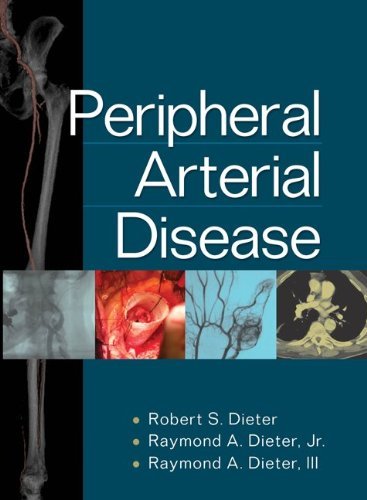
Alternatives for Peripheral Arterial Disease (PAD)
Peripheral arterial disease (PAD) is a common circulation problem caused largely by atherosclerosis—plaque buildup that narrows arteries supplying the legs. Reduced blood flow (ischemia) limits oxygen delivery to muscles and skin, leading to leg pain with walking (intermittent claudication), slow‑healing wounds, and, in advanced cases, limb‑threatening ischemia. While Western medicine explains PAD through cholesterol plaques, endothelial dysfunction, inflammation, and sometimes coexisting microvascular disease (especially with diabetes), Traditional Chinese Medicine (TCM) frames similar symptoms as patterns of Qi and blood stasis, often aggravated by cold, dampness, and constitutional deficiencies. Understanding both perspectives can help people weigh options that may complement one another.
Beyond immediate surgery, Western care emphasizes non‑surgical alternatives with strong evidence. Diagnosis typically involves the ankle–brachial index (ABI), toe–brachial index for people with diabetes, duplex ultrasound, and when needed, CT/MR angiography. Supervised exercise therapy (SET) is a cornerstone: structured walking programs reliably increase pain‑free and maximal walking distance and improve quality of life. Pharmacologic options target risk and symptoms: antiplatelet therapy (such as aspirin or clopidogrel) lowers cardiovascular events; high‑intensity statins slow atherosclerosis and reduce limb events; cilostazol can improve walking distance in claudication (though it is generally avoided in heart failure). In selected cases, endovascular approaches (angioplasty, stenting, atherectomy) offer minimally invasive revascularization to restore flow, with wound care and infection control vital when ulcers are present. Lifestyle measures—smoking cessation, blood pressure and glucose control, and nutrition—remain foundational. Evidence supporting these approaches is generally strong, with large randomized trials and contemporary guidelines outlining benefits and risks.
cardiovascular
Updated March 17, 2026