Supported by multiple clinical trials and meta-analyses
Lactase Supplements for Lactose Intolerance: What Actually Helps
Research-backed look at lactase supplements for lactose intolerance—what works, what doesn’t, and how it compares to lactose-free milk and fermented dairy.
·7 min read
This content is for informational purposes only and does not constitute medical advice. Always consult a qualified healthcare provider before starting, stopping, or changing any supplement or medication regimen.
Digestive Enzymes and Food Intolerance (Supporting Focus: Lactase for Lactose Intolerance)
Key points at a glance
Lactase supplements may help people with lactose intolerance enjoy dairy with fewer symptoms (strong evidence)
Pre-treated lactose-free milk achieves similar benefits (strong evidence)
Fermented dairy like yogurt may be easier to tolerate for some (moderate evidence)
Lactase does not address milk protein allergy or non-lactose food triggers (strong evidence)
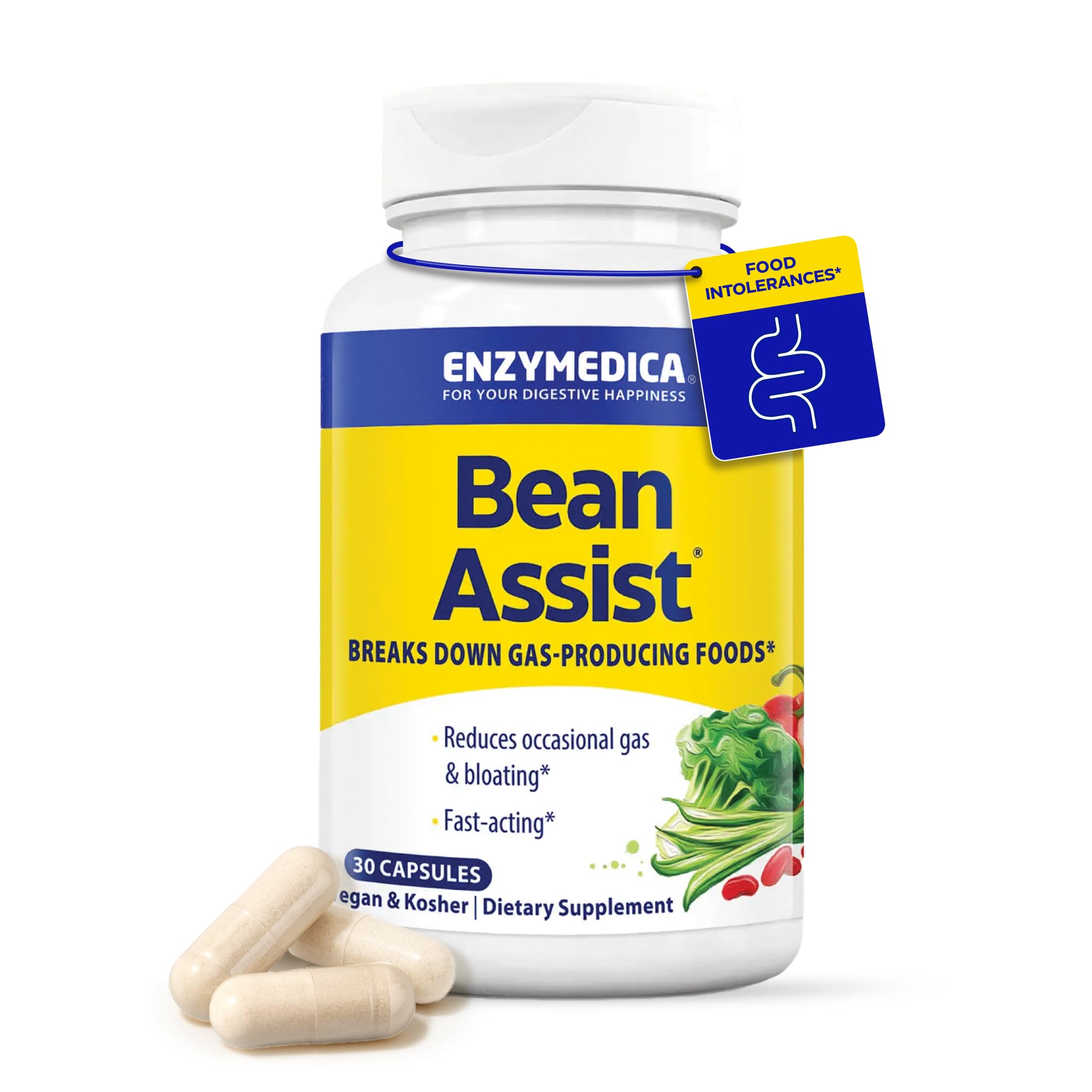
If beans or certain vegetables cause gas, a different enzyme (alpha-galactosidase) is usually required (moderate evidence)
Why focus on lactase?
Many digestive enzyme blends promise relief from bloating and gas, but only a few have solid research behind them for specific food intolerances. Lactase—the enzyme that breaks down the milk sugar lactose—is one of those exceptions. For people with lactose malabsorption (often called lactose intolerance), research suggests that taking lactase with lactose-containing foods may reduce symptoms like gas, bloating, and diarrhea.
What lactose intolerance is—and isn’t
Definition (strong evidence): Lactose intolerance refers to gastrointestinal symptoms that occur when undigested lactose reaches the colon and is fermented by microbes. Most adults worldwide produce less lactase after weaning (lactase nonpersistence), which can lead to lactose malabsorption.
Testing (strong evidence): The hydrogen breath test is commonly used to confirm lactose malabsorption. Genetics and symptom-based assessments can also contribute to diagnosis, but they don’t always align perfectly with what people experience.
Not a milk allergy (strong evidence): Cow’s milk protein allergy involves the immune system and is different from lactose intolerance. Lactase will not help with a true milk protein allergy.
What the evidence says about lactase supplements
Randomized trials and systematic reviews (strong evidence): Multiple randomized, double-blind, placebo-controlled trials report that exogenous lactase reduces breath hydrogen (a marker of malabsorption) and improves symptoms after lactose ingestion. A 2010 systematic review in Annals of Internal Medicine concluded that many individuals with lactose malabsorption can tolerate modest amounts of lactose and that lactase supplementation and lactose-reduced products can lessen symptoms for those who are symptomatic. European Food Safety Authority (EFSA) also approved the health claim that lactase improves lactose digestion in individuals who have difficulty digesting lactose.
Real-world outcomes (strong evidence): Studies show symptom reductions when people take lactase with lactose-containing foods or consume milk pretreated with lactase (lactose-free milk). Both strategies reduce the lactose load that reaches the colon.
Limits of benefit (moderate evidence): Benefits are most reliable when the trigger is indeed lactose and when lactose is consumed in typical serving sizes with food. High doses of lactose or coexisting gut conditions may blunt the improvement.
Pre-treated lactose-free milk vs lactase tablets/drops
Lactose-free dairy (strong evidence): Milk or dairy products treated with lactase before consumption are consistently associated with reduced symptoms in malabsorbers, because the lactose has already been broken down into glucose and galactose.
On-the-spot lactase (strong evidence): Lactase is also available as tablets, chewables, or liquid drops to take with lactose-containing foods. Clinical studies indicate symptom relief when used at the time of lactose exposure. Product potency and the amount of lactose in the meal can influence outcomes.
What about yogurt, cheese, and probiotics?
Yogurt and fermented dairy (moderate evidence): Live cultures in yogurt carry their own beta-galactosidase activity and may aid lactose digestion in the small intestine. Several trials report that yogurt is better tolerated than milk among lactose malabsorbers. Hard cheeses naturally contain very little lactose due to fermentation and aging, so many people with lactose intolerance tolerate them well.
Probiotics (emerging to moderate evidence): Some probiotic strains may improve lactose digestion through microbial lactase activity or by influencing gut transit. Results vary by strain and study, and benefits are generally smaller and less predictable than with direct lactase supplementation or lactose-free products.
When lactase may not help
Non-lactose triggers (strong evidence): If your symptoms arise after eating beans, lentils, or certain cruciferous vegetables, the culprit may be oligosaccharides rather than lactose. Research suggests alpha-galactosidase (e.g., Beano) may reduce gas from these foods, whereas lactase will not.
Milk protein allergy or sensitivity (strong evidence): Lactase will not address immune reactions to milk proteins.
IBS and broader sensitivities (moderate evidence): In irritable bowel syndrome, lactose may be one of several triggers. Even with lactase, some individuals continue to experience symptoms due to fat content, other FODMAPs, or visceral hypersensitivity. Low-FODMAP approaches are sometimes used short term in IBS under professional guidance.
SIBO or other GI conditions (moderate evidence): Small intestinal bacterial overgrowth and other conditions can mimic lactose intolerance. Addressing the underlying condition may be necessary for full relief.
Quality and safety considerations
Source and labeling (moderate evidence): Over-the-counter lactase is often derived from microbial sources (e.g., Aspergillus or Kluyveromyces). Potency and stability can vary by product and storage conditions. Reputable manufacturing and third-party testing may help ensure product quality.
Safety (moderate evidence): Lactase supplements are generally well tolerated in clinical trials. As with any supplement, individuals with underlying conditions or those taking medications should consult a clinician before use.
Traditional and eastern perspectives
Fermented dairy as a traditional workaround (moderate evidence/traditional use): Across cultures, fermentation has long been used to improve dairy tolerance. Yogurt, kefir, and certain cheeses reduce lactose content and introduce microbial enzymes that may aid digestion—a traditional practice now supported by modern studies showing better tolerance to fermented dairy versus milk among malabsorbers.
Ayurvedic approaches (traditional): Ayurveda often emphasizes buttermilk (takra) and spiced yogurt-based drinks after meals to support digestion. While these practices are rooted in tradition, their rationale aligns with the modern concept that fermentation and culinary spices can modify how foods are tolerated. Clinical evidence specific to Ayurvedic preparations for lactose intolerance is limited.
How to think about using lactase—practical takeaways
Confirm the trigger: If dairy reliably causes symptoms, consider whether lactose is the likely culprit. Not all dairy contains the same lactose load, and some products (aged cheeses, strained yogurt) are naturally lower in lactose.
Match the solution to the problem: For clearly lactose-related symptoms, research suggests either lactose-free products or lactase taken with lactose-containing foods may help. If symptoms stem from other carbohydrates (e.g., beans), alpha-galactosidase may be more relevant.
Keep expectations realistic: Lactase can reduce, but not always eliminate, symptoms—especially with large lactose loads or overlapping gut conditions. Assess your personal response and choose strategies that are sustainable for you.
What the research says—citations at a glance
Systematic reviews/meta-analyses (strong evidence): Annals of Internal Medicine (2010) reported that lactase supplementation and lactose-reduced products lessen symptoms in lactose malabsorbers, with many individuals tolerating modest lactose amounts. EFSA (2010) approved the claim that lactase improves lactose digestion in those with difficulty digesting lactose.
Randomized controlled trials (strong evidence): Multiple RCTs have demonstrated reduced breath hydrogen and symptom scores when lactase is taken with lactose-containing foods or when lactose is pre-hydrolyzed in milk prior to consumption.
Fermented dairy and probiotics (moderate evidence): Trials indicate yogurt is better tolerated than milk among malabsorbers; probiotic effects vary by strain, with smaller and less consistent benefits than direct lactase or lactose-free milk.
Bottom line
If lactose is your main trigger, lactase supplements or lactose-free dairy may help reduce gas, bloating, and diarrhea, supported by randomized trials and systematic reviews (strong evidence).
Fermented dairy like yogurt is often better tolerated than milk, a traditional practice now backed by modern research (moderate evidence).
Lactase won’t help with milk protein allergy or with gas from beans and certain vegetables; different issues call for different solutions (strong to moderate evidence).
Individual responses vary. If symptoms persist despite targeted strategies, consider evaluation for other causes or professional guidance.
This content is for informational purposes only and does not constitute medical advice. Always consult a qualified healthcare provider before starting, stopping, or changing any supplement or medication regimen.
Overview
Lactose intolerance is common worldwide and typically stems from low activity of lactase, the enzyme that breaks lactose (milk sugar) into absorbable sugars. This article focuses on a single
Digestive Enzymes and Food Intolerance: What Actually Helps vs. Hype
Food-related discomfort—bloating, gas, cramping—often gets labeled as “intolerance,” and enzyme supplements are commonly marketed
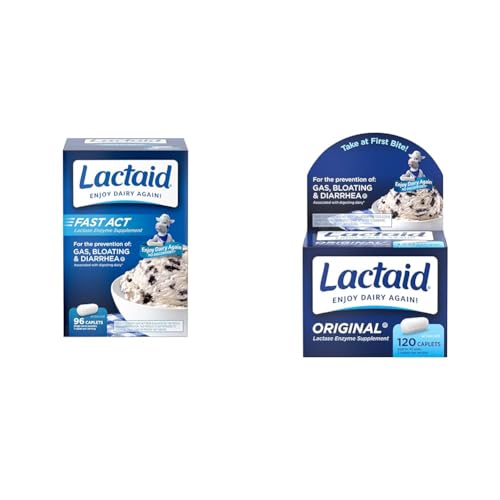
Lactase. Lactaid Enzyme, Milk Sugar Enzyme. ## Overview
**Lactase** is a digestive enzyme that breaks down **lactose**, the natural sugar found in milk and many dairy products, into the simpler sugars glucose and galactose so they can be absorbed in the small intestine. When lactase activity is reduced, lactose may pass into the colon undige
Best Digestive Health Supplements: Probiotics, Enzymes, L‑Glutamine, and What the Evidence Says. If you’re wrestling with bloating, gas, constipation, reflux, or irritable bowel syndrome (IBS), it’s natural to search for the best digestive health supplements. Research suggests some supplements can meaningfully support digestion, while others are overhyped. This guide compares top options—probio
Digestive Enzymes. . ## Digestive Enzymes: Overview
**Digestive enzymes** are proteins that help break food into smaller components that can be absorbed and used by the body. Different enzymes act on different nutrients: **amylases** help digest carbohydrates, **proteases** break down proteins, and **lipases** help pro