

Ulcerative Colitis and Biologic Therapy
Ulcerative colitis (UC) is a chronic inflammatory disease of the colon characterized by continuous mucosal inflammation starting in the rectum and extending proximally. Its biology centers on an inappropriate immune response to intestinal antigens in genetically susceptible individuals, with cytokines such as TNF-α and interleukins 12/23 driving T-cell–mediated inflammation. Biologic therapy refers to monoclonal antibody drugs engineered to target specific immune pathways. In UC, three major biologic classes are used: anti-TNF agents (infliximab, adalimumab, golimumab), anti-integrin therapy (vedolizumab, which blocks α4β7-mediated gut homing of lymphocytes), and anti–IL-12/23 or IL-23–selective agents (ustekinumab targets the p40 subunit; mirikizumab and risankizumab target the p19 subunit). Biologics differ from other advanced therapies like small molecules (JAK inhibitors such as tofacitinib/upadacitinib; S1P modulator ozanimod) in structure, mechanism, metabolism, and monitoring. Biologics reduce disease activity by dampening key inflammatory signals or limiting immune cell trafficking to the gut. Across randomized trials, they improve symptoms, induce clinical remission, promote endoscopic mucosal healing, decrease corticosteroid exposure, and reduce hospitalization and colectomy risk. Expected onset varies: anti-TNF agents often act within 2–6 weeks, ustekinumab and IL‑23 inhibitors within ~4–8 weeks, and vedolizumab may be slower (6–14+ weeks). Response is measured using patient-reported symptoms and composite scores (Mayo, partial Mayo), biomarkers (C-reactive protein, fecal calprotectin), and endoscopic healing targets; histologic improvement is increasingly valued in treat-to-target strategies. Biologics are indicated for moderate to severe UC, steroid-dependent or steroid-refractory disease, and for patients who fail 5‑ASA and/or immunomodulators. Choice and timing consider disease severity, need for rapid control, extraintestinal manifestations, prior‑
Updated September 8, 2026This content is for informational purposes only and does not constitute medical advice. Always consult a qualified healthcare provider before starting, stopping, or changing any supplement or medication regimen.
Shared Risk Factors
High inflammatory burden (CRP, fecal calprotectin, severe endoscopic activity)
Moderate EvidenceReflects active mucosal inflammation in UC and predicts the need for advanced therapy. High burden can increase drug clearance (especially anti‑TNF) and reduce biologic response durability.
Low albumin/altered pharmacokinetics
Moderate EvidenceHypoalbuminemia from active UC increases monoclonal antibody clearance, impacting exposure.
Latent/active infections (TB, hepatitis B, C. difficile)
Strong EvidenceUnderlying infections increase risk when starting immunosuppression and can mimic or worsen UC flares.
Concomitant immunomodulators (thiopurines, methotrexate)
Strong EvidenceCombination therapy can reduce anti‑drug antibody formation but increases infection and malignancy risk.
Age and comorbidities (elderly, cardiopulmonary disease)
Moderate EvidenceOlder adults have higher infection and adverse event risks; comorbidities influence agent selection.
Vitamin D deficiency and lifestyle factors (diet, stress)
Emerging ResearchLow vitamin D and high stress correlate with more active UC; vitamin D status may relate to biologic response.
Medical Perspectives
Two Ways of Seeing Health

Western
scientific · clinical
Western medicine applies science, technology, and clinical experience to treat symptoms through testing, diagnosis, and targeted intervention.
Surgeons · Pharmaceuticals · Clinical trials · Diagnostics 
Eastern
traditional · alternative
Eastern medicine focuses on treating the body naturally by applying traditional knowledge practiced for thousands of years, emphasizing balance and whole-person wellness.
Acupuncture · Herbal medicine · Yoga · Meditation
Gold Bamboo presents both perspectives side-by-side so you can make informed decisions. We don't advocate for one over the other — your health choices are yours.
Two Ways of Seeing Health
Western
scientific · clinical
Western medicine applies science, technology, and clinical experience to treat symptoms through testing, diagnosis, and targeted intervention.
Eastern
traditional · alternative
Eastern medicine focuses on treating the body naturally by applying traditional knowledge practiced for thousands of years, emphasizing balance and whole-person wellness.
Gold Bamboo presents both perspectives side-by-side so you can make informed decisions. We don't advocate for one over the other — your health choices are yours.
Western Perspective
From a western clinical standpoint, biologic therapy is a cornerstone for moderate to severe ulcerative colitis. It targets discrete immune pathways—TNF-α, α4β7 integrin–mediated lymphocyte trafficking, and IL‑12/23 or IL‑23 signaling—to induce and maintain remission, heal mucosa, and reduce steroid exposure, hospitalizations, and colectomy risk.
Key Insights
- Anti‑TNF (infliximab, adalimumab, golimumab), anti‑integrin (vedolizumab), and anti‑IL‑12/23 or IL‑23 (ustekinumab, mirikizumab/risankizumab) all outperform placebo for induction and maintenance.
- Time to benefit differs: anti‑TNF tends to be faster; vedolizumab is gut‑selective with a slower onset but favorable systemic safety; IL‑12/23 and IL‑23 agents show robust efficacy in bio‑naïve and bio‑exposed patients.
- Therapeutic drug monitoring (TDM) is useful for anti‑TNF loss of response; early trough levels correlate with outcomes.
- Pre‑treatment screening (TB, hepatitis B), vaccinations, and infection risk stratification are essential.
- Treat‑to‑target (clinical, biomarker, endoscopic) improves long‑term outcomes and guides optimization or switching.
Treatments
- Infliximab, Adalimumab, Golimumab (anti‑TNF)
- Vedolizumab (anti‑integrin α4β7)
- Ustekinumab (anti‑IL‑12/23), Mirikizumab/Risankizumab (anti‑IL‑23)
- Small‑molecule comparators (JAK inhibitors, S1P modulator) for sequencing context
Deep Dive
Ulcerative colitis is driven by dysregulated mucosal immunity, with cytokine networks and lymphocyte trafficking sustaining inflammation. Biolog... Ulcerative colitis is driven by dysregulated mucosal immunity, with cytokine networks and lymphocyte trafficking sustaining inflammation. Biologic therapy leverages monoclonal antibodies to interrupt these processes. Anti‑TNF agents such as infliximab, adalimumab, and golimumab neutralize TNF‑α, a master cytokine upstream of multiple inflammatory cascades. Across ACT, ULTRA, and PURSUIT trials, these agents induced clinical remission, achieved endoscopic improvement, and reduced corticosteroid dependence versus placebo. Vedolizumab, an α4β7 integrin antagonist, prevents gut‑homing of activated lymphocytes, offering gut‑selective immunosuppression. In GEMINI 1, it was effective for induction and maintenance, with a slower onset but favorable systemic safety. Ustekinumab, targeting the shared p40 subunit of IL‑12/23, and newer IL‑23 p19 inhibitors (mirikizumab, risankizumab) have expanded options, showing efficacy in both biologic‑naïve and biologic‑experienced patients (UNIFI; LUCENT; recent NEJM trials). In practice, biologics are introduced for moderate–severe UC, steroid‑refractory or ‑dependent disease, or early in high‑risk presentations under treat‑to‑target frameworks (STRIDE‑II). Choice reflects clinical priorities: need for rapid control (often anti‑TNF), systemic versus gut‑selective safety (vedolizumab), extraintestinal manifestations, and prior therapy exposure. Response assessment integrates patient reports, Mayo scores, biomarkers (CRP, fecal calprotectin), and endoscopic healing, with histologic improvement gaining prominence. Therapeutic drug monitoring is particularly useful in anti‑TNF secondary loss of response, where low trough levels or anti‑drug antibodies can guide optimization or class switching. Safety considerations are central. Baseline screening for tuberculosis and hepatitis B, ensuring up‑to‑date inactivated vaccinations, and counseling on avoidance of live vaccines during therapy help mitigate risks. Anti‑TNF therapy modestly increases serious infections and, with thiopurines, the risk of lymphoma and non‑melanoma skin cancer; vedolizumab’s gut selectivity confers a lower systemic infection risk. Ustekinumab and IL‑23 inhibitors have reassuring safety profiles to date. Infusion or injection reactions, immunogenicity, and rare events (demyelination with anti‑TNF, worsening heart failure) are monitored. Pregnancy data from registries are generally reassuring, especially for anti‑TNF, vedolizumab, and ustekinumab, with attention to infant vaccine timing after third‑trimester exposure. In older adults, infection vigilance is heightened. Overall, biologics substantially improve patient outcomes when paired with systematic monitoring and shared decision‑making.
Sources
- Rutgeerts P et al. N Engl J Med. 2005 (ACT 1/2, infliximab in UC)
- Reinisch W et al. Gastroenterology. 2012 (ULTRA adalimumab)
- Sandborn WJ et al. N Engl J Med. 2013 (GEMINI 1 vedolizumab)
- Sands BE et al. N Engl J Med. 2019 (UNIFI ustekinumab)
- D’Haens G et al. N Engl J Med. 2023 (LUCENT mirikizumab)
- NEJM 2024 (risankizumab phase 3 in UC)
- AGA/ECCO Guidelines 2020–2024 on moderate–severe UC
- IOIBD STRIDE‑II treat‑to‑target recommendations, 2021
Eastern Perspective
Traditional systems frame UC as a disorder of gut heat, dampness, and weakened digestive vitality. While biologics are modern targeted tools, many integrative clinicians pair them with time‑honored therapies aimed at restoring digestive balance, calming inflammation, and reducing relapse risk. Evidence suggests some traditional approaches can complement standard care, particularly for symptom relief and quality of life, though they are not substitutes for biologics in moderate–severe disease.
Key Insights
- Traditional Chinese Medicine (TCM) often characterizes UC as damp‑heat in the Large Intestine with Spleen Qi deficiency; formulas such as Bai Tou Weng Tang and Shen Ling Bai Zhu San are used alongside diet and acupuncture.
- Acupuncture and moxibustion have shown improvements in symptom scores and biomarkers in small trials; larger, standardized studies are needed.
- Ayurveda relates UC to Pittaja atisara/raktatisara; botanicals like Boswellia serrata and turmeric (curcumin) have anti‑inflammatory properties and RCT signals in mild‑moderate UC or as adjuncts.
- Probiotics (e.g., E. coli Nissle 1917, multi‑strain blends) may support maintenance in mild UC; caution is advised in immunosuppressed states.
- Integrative care emphasizes anti‑inflammatory, whole‑food dietary patterns, stress reduction, and sleep hygiene to support remission.
Treatments
- Acupuncture and moxibustion (adjunctive)
- Curcumin (adjunct to 5‑ASA; exploratory with biologics)
- Boswellia serrata (traditional use; small RCTs)
- TCM herbal formulas individualized by pattern diagnosis
- Mind–body practices (meditation, yoga)
Deep Dive
Traditional and integrative frameworks approach ulcerative colitis as a disturbance of digestive balance. In Traditional Chinese Medicine, patte... Traditional and integrative frameworks approach ulcerative colitis as a disturbance of digestive balance. In Traditional Chinese Medicine, patterns such as damp‑heat in the Large Intestine and Spleen Qi deficiency are addressed through individualized herbal formulas (e.g., Bai Tou Weng Tang for heat‑toxicity, Shen Ling Bai Zhu San for spleen support), acupuncture, and moxibustion. Small randomized studies and meta‑analyses suggest acupuncture and moxibustion may reduce symptom scores and inflammatory markers, though heterogeneity limits firm conclusions. Ayurveda conceptualizes UC within Pittaja atisara/raktatisara, emphasizing cooling, demulcent herbs, and digestive strengthening; Boswellia serrata and turmeric (curcumin) have demonstrated anti‑inflammatory effects, with RCT signals in mild to moderate UC or as adjuncts to conventional therapy. Naturopathic and integrative care often include anti‑inflammatory dietary patterns (e.g., Mediterranean‑style, careful fiber titration), mind‑body practices (meditation, yoga) to reduce stress reactivity, sleep hygiene, and nutrient optimization (such as vitamin D sufficiency), aligning with modern insights on the gut–brain–immune axis. In the context of biologic therapy, integrative strategies are most useful as complements rather than replacements, particularly for patients with moderate–severe disease. Coordination with gastroenterology care ensures herb–drug safety and appropriate infection precautions. While monoclonal antibodies are catabolized rather than metabolized via cytochrome P450 pathways—reducing classic pharmacokinetic herb interactions—immunomodulatory botanicals may have theoretical effects on host immunity and infection risk, warranting caution. Probiotics can support remission in milder disease, yet rare infections have occurred in immunocompromised hosts; clinical judgment is essential. Practical integration includes attention to diet tolerance during flares, stress management to improve quality of life, and structured follow‑up using shared targets (symptoms, biomarkers, endoscopy). This collaborative model respects traditional wisdom focused on restoring digestive harmony while leveraging the precision and strong evidence base of biologics to control inflammation and protect long‑term colon health.
Sources
- Hanai H et al. Clin Gastroenterol Hepatol. 2006 (curcumin adjunct)
- Lang A et al. Clin Gastroenterol Hepatol. 2015 (curcumin)
- Kruis W et al. Aliment Pharmacol Ther. 2004 (E. coli Nissle)
- Chinese RCTs/reviews on acupuncture+moxibustion in UC (various)
- Kimmatkar N et al. Phytomedicine. 2003 (Boswellia)
- Integrative IBD reviews (e.g., J Altern Complement Med; World J Gastroenterol)
Evidence Ratings
Anti‑TNF, vedolizumab, and ustekinumab induce and maintain remission and promote mucosal healing in moderate–severe UC.
AGA/ECCO Guidelines; ACT, GEMINI 1, UNIFI trials
Vedolizumab has a favorable systemic infection profile compared with anti‑TNF due to gut‑selective action.
GEMINI 1 and long‑term safety extensions; pooled safety analyses
IL‑23 p19 inhibitors (mirikizumab, risankizumab) demonstrate efficacy in UC, including in anti‑TNF–exposed patients.
NEJM 2023–2024 phase 3 programs (LUCENT; risankizumab UC trials)
Therapeutic drug monitoring improves management of anti‑TNF loss of response.
AGA Technical Review/Guideline on TDM in IBD, 2017–2021
Biologics reduce hospitalization and colectomy risk in UC compared with conventional therapy alone.
Trial extensions and observational cohorts of anti‑TNF and vedolizumab
Pre‑therapy screening for TB and hepatitis B reduces serious infection/reactivation risk with biologics.
IBD infection prevention guidelines (ECCO/ACG) and CDC recommendations
Curcumin may aid maintenance as adjunct to 5‑ASA in mild‑moderate UC; evidence as adjunct to biologics is preliminary.
Hanai 2006; Lang 2015; integrative reviews
Vitamin D sufficiency is associated with better UC outcomes and may relate to biologic response.
Ananthakrishnan AN et al. Inflamm Bowel Dis. 2017 (observational)
Sources
- Rutgeerts P, et al. Infliximab for ulcerative colitis. N Engl J Med. 2005 (ACT 1/2).
- Reinisch W, et al. Adalimumab for UC. Gastroenterology. 2012 (ULTRA).
- Sandborn WJ, et al. Vedolizumab as induction and maintenance therapy for UC. N Engl J Med. 2013 (GEMINI 1).
- Sands BE, et al. Ustekinumab for UC. N Engl J Med. 2019 (UNIFI).
- D’Haens G, et al. Mirikizumab for UC. N Engl J Med. 2023 (LUCENT 1/2).
- NEJM. 2024. Risankizumab Phase 3 in UC (induction and maintenance).
- AGA Clinical Practice Guideline on Moderate–Severe UC. 2020–2024 updates.
- ECCO Guidelines for UC Management and Infection Prevention. 2023.
- IOIBD STRIDE‑II (treat‑to‑target in IBD). Gastroenterology. 2021.
- AGA Guideline/Technical Review on Therapeutic Drug Monitoring in IBD. 2017–2021.
- Ananthakrishnan AN, et al. Vitamin D and IBD activity. Inflamm Bowel Dis. 2017.
- Hanai H, et al. Curcumin for maintenance in UC. Clin Gastroenterol Hepatol. 2006.
- Lang A, et al. Curcumin as adjunct. Clin Gastroenterol Hepatol. 2015.
- Kruis W, et al. E. coli Nissle vs mesalazine in UC. Aliment Pharmacol Ther. 2004.
- PIANO pregnancy registry (anti‑TNF, vedolizumab, ustekinumab safety). Various reports 2012–2022.
Related Topics
Recommended Products

Crohn's and Colitis For Dummies: Ali
Manage your symptoms — explore ... monitoring medications and surviving school ... Tauseef Ali, MD, is <strong>an expert in the field of inflammatory bowel disease</strong>....
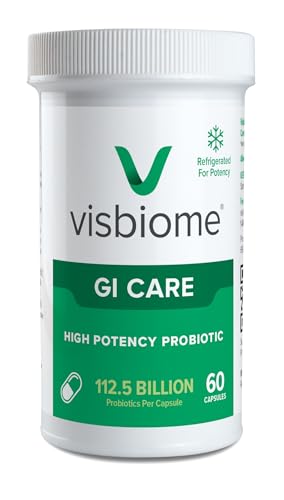
Visbiome® GI Care - High Potency Probiotic - 112.5 Billion CFU Live Probiotics, Original De Simone Formulation, Made in USA, 60 Capsules.
Buy Visbiome® GI Care - High Potency Probiotic - 112.5 Billion CFU Live Probiotics, Original De Simone Formulation, Made in USA, 60 Capsules. on Amazon.com ✓ FREE SHIPPING on qualified orders

FRIO Cooling Wallet - Insulin Cooler for 45+ Hours of Stress Free On The Go - Black - Individual
THE INDIVIDUAL FRIO IS IDEAL FOR CARRYING 1 PEN OR VIAL - FRIO comes in many different sizes to accommodate your medication needs. Not the right FRIO size? See the size guide below. You can also use t
Health Disclaimer
This content is for informational purposes only and does not constitute medical advice. Always consult a qualified healthcare provider before starting, stopping, or changing any supplement or medication regimen.