

Ulcerative Colitis
Overview
Ulcerative colitis (UC) is a chronic inflammatory bowel disease (IBD) that causes ongoing inflammation of the colon and rectum, primarily affecting the innermost lining of the intestinal wall. It is characterized by periods of active flare-ups and remission, and commonly involves symptoms such as diarrhea, rectal bleeding, urgency, abdominal pain, fatigue, and unintended weight changes. Unlike Crohn’s disease, which can affect any part of the gastrointestinal tract and may involve deeper layers of the bowel wall, ulcerative colitis is typically limited to the large intestine and follows a more continuous pattern of inflammation.
UC is considered a multifactorial immune-mediated condition. Current understanding suggests that it arises from a combination of genetic susceptibility, immune dysregulation, alterations in the gut microbiome, and environmental influences. Researchers continue to investigate how diet, infections, antibiotic exposure, stress, smoking patterns, and industrialized living conditions may contribute to disease onset or progression. The condition can begin at almost any age, though it is often diagnosed in adolescence or early adulthood, with another smaller peak later in life.
From a public health standpoint, ulcerative colitis has a significant impact on quality of life, healthcare utilization, nutrition, mental health, and work productivity. In addition to intestinal symptoms, some people experience extraintestinal manifestations, including joint pain, skin conditions, eye inflammation, liver and bile duct disorders, and effects on bone health. Longstanding inflammation may also increase the risk of colorectal cancer, which is why long-term monitoring is an important part of conventional care.
Although there is no single framework that fully explains UC, most medical systems recognize it as a condition involving both local gut inflammation and whole-body imbalance. Conventional medicine emphasizes inflammation control, mucosal healing, complication prevention, and cancer surveillance. Traditional and integrative systems often place additional focus on digestive resilience, stress regulation, constitutional patterns, and restoration of systemic balance. Because disease severity and complications can vary widely, evaluation by qualified healthcare professionals is important, especially when symptoms include persistent bleeding, severe abdominal pain, fever, dehydration, or rapid worsening.
Compare Treatment Options
Ulcerative colitis (UC) is a chronic inflammatory bowel disease that causes continuous inflammation of the lining of the colon and rectum. Symptoms often include diarrhea, urgency, rectal bleeding, abdominal cramping, fatigue, and periods of flare followed by remission. Unlike irritable bowel syndrome, UC involves measurable intestinal inflammation and can lead to complications such as anemia, dehydration, hospitalization, and over time, increased colorectal cancer risk in some patients. Disease severity, location, and response to prior therapy often shape how treatment is approached. Treatment options vary because UC exists on a spectrum: some people have mild disease limited to the rectum, while others have extensive colitis with systemic symptoms. Western care often focuses on reducing inflammation, inducing remission, maintaining remission, and monitoring for complications with medications, endoscopy, and lab markers. Integrative and Eastern approaches may emphasize symptom modulation, diet pattern support, stress regulation, acupuncture, and selected herbal therapies, though the evidence base is uneven and herb–drug interactions matter. A balanced review is especially important because some complementary options may support quality of life, while others are best considered adjunctive rather than disease-controlling therapy.
View treatment comparison (7 options)Medical Perspectives
Two Ways of Seeing Health

Western
scientific · clinical
Western medicine applies science, technology, and clinical experience to treat symptoms through testing, diagnosis, and targeted intervention.

Eastern
traditional · alternative
Eastern medicine focuses on treating the body naturally by applying traditional knowledge practiced for thousands of years, emphasizing balance and whole-person wellness.
Gold Bamboo presents both perspectives side-by-side so you can make informed decisions. We don't advocate for one over the other — your health choices are yours.
Western Medicine Perspective
Western Medicine Perspective
In conventional medicine, ulcerative colitis is understood as a chronic inflammatory disease driven by an inappropriate immune response in the colon. Diagnosis generally relies on a combination of clinical history, blood work, stool testing, endoscopy with biopsy, and imaging when needed. Colonoscopy is especially important because it helps confirm the pattern and extent of inflammation and distinguish UC from Crohn’s disease, infection, ischemic colitis, microscopic colitis, and other causes of chronic diarrhea or rectal bleeding.
Treatment goals in western care typically include inducing remission, maintaining remission, promoting mucosal healing, reducing steroid exposure, preventing hospitalization, and lowering complication risk. Common therapeutic categories include 5-aminosalicylates, corticosteroids, immunomodulators, biologic therapies, and small-molecule agents. In severe or refractory cases, surgery may be considered, particularly when there is uncontrolled disease, toxic megacolon, major bleeding, perforation, dysplasia, or cancer risk. Nutritional assessment, vaccination review, bone health monitoring, and colorectal cancer surveillance are also recognized as important components of ongoing management.
Research increasingly highlights the role of the gut microbiome, epithelial barrier function, cytokine signaling, and personalized risk stratification in UC. There is also growing recognition that mental health, sleep, and stress can influence symptom burden and flare perception, even though they are not considered the primary cause of the disease. Evidence supports coordinated care that may include gastroenterology, nutrition, mental health support, and primary care, with treatment decisions individualized according to disease extent, severity, prior response, and safety considerations.
Eastern & Traditional Perspective
Eastern / Traditional Medicine Perspective
In Traditional Chinese Medicine (TCM), ulcerative-colitis-like presentations are not defined by modern pathology alone but are interpreted through patterns such as damp-heat in the intestines, spleen qi deficiency, large intestine heat, liver-spleen disharmony, or kidney deficiency in longstanding disease. Symptoms like urgent loose stools with mucus or blood, abdominal cramping, fatigue, and recurrent flares may be viewed as reflecting both excess patterns (such as dampness, heat, stagnation) and deficiency patterns (such as weakness of digestive and constitutional energy). TCM approaches have traditionally included herbal formulas, acupuncture, dietary patterning, and regulation of stress and emotional strain, with treatment adjusted to the individual pattern rather than the disease label alone.
In Ayurveda, UC is often discussed in relation to disturbances involving Pitta, Agni (digestive fire), and intestinal tissue integrity, sometimes alongside Vata imbalance when there is pain, urgency, or irregularity. Bloody diarrhea, burning sensations, inflammation, and weakness may be interpreted through frameworks such as Pittaja grahani or related digestive imbalance patterns. Traditional Ayurvedic care has historically emphasized herbal preparations, dietary moderation, digestive support, and restoration of systemic balance, while also recognizing the influence of stress and overall constitution.
Naturopathic and integrative medicine perspectives often focus on the relationship between intestinal permeability, microbiome balance, inflammatory signaling, nutrition, and stress physiology. These systems may examine food tolerance patterns, micronutrient status, sleep, and mind-body regulation as factors that can influence symptom burden and resilience. At the same time, because ulcerative colitis can involve serious complications, integrative practitioners generally frame supportive approaches as complementary to appropriate medical evaluation rather than replacements for emergency or specialist care.
The evidence base for eastern and traditional therapies in UC is mixed and still developing. Some studies and reviews suggest possible benefit from certain herbal combinations, curcumin, acupuncture, or microbiome-oriented strategies as adjunctive care, but results vary in quality, standardization, and reproducibility. For this reason, these approaches are typically discussed in the context of individualized, professionally supervised, and integrative care, particularly when patients are also using immunosuppressive or biologic therapies.
Related Topics
Biologic Therapy
Biologic Therapy — treatment topic in the Gold Bamboo health ontology.
How They Relate
Ulcerative Colitis & Biologic Therapy
Ulcerative colitis (UC) is a chronic inflammatory disease of the colon characterized by continuous mucosal inflammation starting in the rectum and extending proximally. Its biology centers on an in...
Supplements & Products
Recommended Products

Crohn's and Colitis For Dummies: Ali, Tauseef, Rubin, David T.
Defining and diagnosing Crohn’s disease and ulcerative colitis · Seeking help from the right group of medical professionals ... Tauseef Ali, MD, is a <strong>consultant gastroenterologist and inflamma
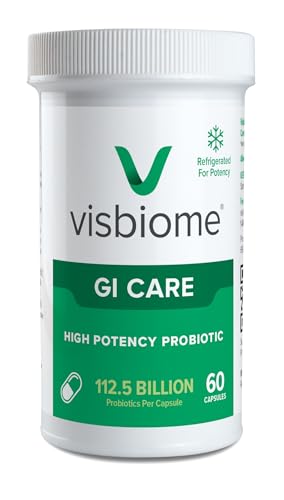
Visbiome® GI Care - High Potency Probiotic - 112.5 Billion CFU Live Probiotics, Original De Simone Formulation, Made in USA, 60 Capsules.
Buy Visbiome® GI Care - High Potency Probiotic - 112.5 Billion CFU Live Probiotics, Original De Simone Formulation, Made in USA, 60 Capsules. on Amazon.com ✓ FREE SHIPPING on qualified orders
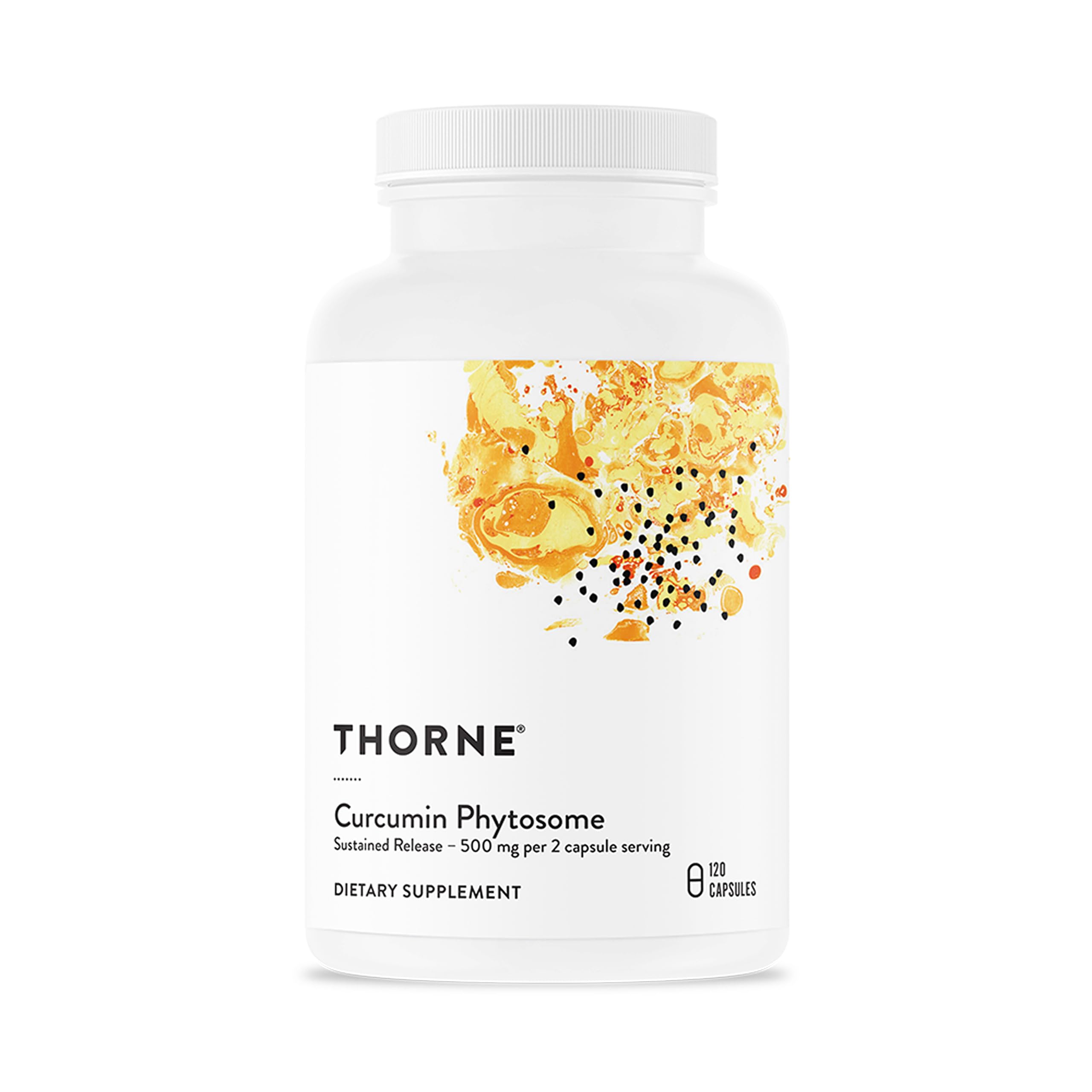
THORNE - Curcumin Phytosome 500 mg (Meriva) - Sustained Release, Clinically Studied - Supports Healthy Inflammatory Response in Joints, Muscles, GI Tract, Liver, Brain & Nerves* - 60 Servings
Buy THORNE - Curcumin Phytosome 500 mg (Meriva) - Sustained Release, Clinically Studied - <strong>Supports Healthy Inflammatory Response in Joints, Muscles, GI Tract, Liver, Brain & Nerves</strong
Evidence & Sources
Promising research with growing clinical support from multiple studies
- National Institute of Diabetes and Digestive and Kidney Diseases (NIDDK)
- American College of Gastroenterology Clinical Guidelines
- American Gastroenterological Association
- European Crohn’s and Colitis Organisation (ECCO)
- National Center for Complementary and Integrative Health (NCCIH)
- The Lancet
- New England Journal of Medicine
- Nature Reviews Gastroenterology & Hepatology
This content is for informational purposes only and does not constitute medical advice. Always consult a qualified healthcare provider before starting, stopping, or changing any supplement or medication regimen.