

Sunburn and Aloe vera
Sunburn is an acute inflammatory injury to skin from excessive ultraviolet (UV) exposure. Aloe vera gel—the clear mucilaginous inner-leaf extract—has long been used as a cooling, soothing after-sun remedy. Understanding how aloe may help, what the evidence shows, and how to use it safely can set realistic expectations and guide smart sun care. Aloe’s key constituents include polysaccharides (notably acemannan), glycoproteins, plant sterols, and antioxidants (vitamins C and E, phenolics). Laboratory and animal studies suggest these compounds can reduce inflammation (e.g., downregulating cyclooxygenase pathways, moderating cytokines), limit oxidative stress from UV-generated free radicals, support re-epithelialization and collagen organization, and improve skin hydration by forming a humectant film that reduces transepidermal water loss. These mechanisms map well onto sunburn pathophysiology, which involves inflammatory mediators, reactive oxygen species, barrier disruption, and pain. Human clinical research is suggestive but mixed. Systematic reviews indicate aloe vera can shorten healing time in minor thermal burns, but trials are small and heterogeneous. Evidence specifically for sunburn-related pain, redness, and peeling is limited; some small trials and observational data report symptom relief, while others (particularly studies in radiation dermatitis, a different but related skin injury) show little to no benefit. Quality and formulation appear to matter: inner-leaf gel at high concentration tends to soothe better than whole-leaf extracts that contain anthraquinones (e.g., aloin), which can irritate. Overall, the clinical signal for sunburn relief is modest, plausible, and not definitive. Practical considerations: Preparations include pure inner-leaf gel, commercial after-sun products, and whole-leaf extracts. Studies and expert reviews often reference high–aloe-content gels (frequently above 90%) applied soon after UV exposure and periodically during the fir
Updated September 8, 2026This content is for informational purposes only and does not constitute medical advice. Always consult a qualified healthcare provider before starting, stopping, or changing any supplement or medication regimen.
Overlapping Treatments
Cool water immersion or cool compresses (first aid)
Strong EvidencePre-cools skin so aloe gel does not trap residual heat; may enhance comfort when aloe is applied afterward.
Dissipates heat, limits ongoing tissue damage, and reduces pain in fresh sunburn.
Use cool, not ice-cold water; avoid prolonged soaking that can over-dry skin.
Oral OTC analgesics/anti-inflammatories (e.g., ibuprofen or acetaminophen)
Moderate EvidenceNo known adverse interaction with topical aloe; addresses pain and inflammation that aloe alone may not fully relieve.
Reduces pain and, for NSAIDs, prostaglandin-mediated inflammation after UV exposure.
Follow label directions and medical advice; NSAIDs may irritate the stomach or interact with other medicines.
Low-strength topical hydrocortisone (OTC)
Moderate EvidenceMay complement aloe’s soothing effect for erythema and itch.
Decreases inflammatory redness and itch in mild sunburn.
Avoid on broken skin or infected areas; short-term use only unless advised by a clinician.
Fragrance-free moisturizers with humectants/ceramides
Moderate EvidenceLayering after aloe (once heat has dissipated) can help lock in moisture and support barrier repair.
Reduces transepidermal water loss, easing tightness and dryness and potentially limiting peeling.
Immediately after a fresh burn, heavy occlusives may trap heat—cool first.
Oral rehydration and gentle fluids
Strong EvidenceCompatible with aloe; supports systemic recovery.
Replenishes fluid loss from vasodilation and heat exposure; helps overall comfort.
Seek care for signs of dehydration or heat illness.
Medical Perspectives
Two Ways of Seeing Health

Western
scientific · clinical
Western medicine applies science, technology, and clinical experience to treat symptoms through testing, diagnosis, and targeted intervention.
Surgeons · Pharmaceuticals · Clinical trials · Diagnostics 
Eastern
traditional · alternative
Eastern medicine focuses on treating the body naturally by applying traditional knowledge practiced for thousands of years, emphasizing balance and whole-person wellness.
Acupuncture · Herbal medicine · Yoga · Meditation
Gold Bamboo presents both perspectives side-by-side so you can make informed decisions. We don't advocate for one over the other — your health choices are yours.
Two Ways of Seeing Health
Western
scientific · clinical
Western medicine applies science, technology, and clinical experience to treat symptoms through testing, diagnosis, and targeted intervention.
Eastern
traditional · alternative
Eastern medicine focuses on treating the body naturally by applying traditional knowledge practiced for thousands of years, emphasizing balance and whole-person wellness.
Gold Bamboo presents both perspectives side-by-side so you can make informed decisions. We don't advocate for one over the other — your health choices are yours.
Western Perspective
From a western clinical standpoint, aloe vera gel is biologically plausible for soothing sunburn due to anti-inflammatory, antioxidant, and barrier-supporting actions. Clinical trials for minor burns suggest some benefit, but evidence specific to sunburn is limited and heterogeneous, with outcomes influenced by formulation and study quality.
Key Insights
- Aloe’s polysaccharides (e.g., acemannan) may support re-epithelialization and modulate inflammation; glycoproteins and chromones show anti-inflammatory activity in preclinical models.
- Systematic reviews indicate faster healing in minor burns with aloe versus comparators, but studies are small and variable; sunburn-specific RCTs are scarce and mixed.
- Formulation matters: high–inner-gel content products without anthraquinone-rich latex are less irritating; whole-leaf products with aloin may provoke irritation.
- Aloe is generally safe topically for intact, mildly burned skin; allergic contact dermatitis is uncommon but reported.
Treatments
- High-concentration, fragrance-free inner-leaf aloe gel (as an adjunct)
- Cool water first aid and oral analgesics (e.g., NSAIDs/acetaminophen)
- Low-strength topical hydrocortisone for short-term inflammation
- Barrier-repair moisturizers (humectants and ceramides)
- Broad-spectrum sunscreen and sun avoidance for prevention
Deep Dive
From a western medical perspective, sunburn reflects UV-induced DNA damage and a cascade of inflammatory mediators (e.g., prostaglandins via COX... From a western medical perspective, sunburn reflects UV-induced DNA damage and a cascade of inflammatory mediators (e.g., prostaglandins via COX-2, cytokines like IL-1 and TNF-α) alongside oxidative stress and barrier disruption that increases transepidermal water loss. Aloe vera gel—the clear inner-leaf extract—is rich in long-chain polysaccharides such as acemannan, glycoproteins, plant sterols, and antioxidant vitamins and phenolics. Preclinical work shows these constituents can modulate inflammation, scavenge reactive oxygen species, and foster re-epithelialization, matching several therapeutic targets in sunburn pathophysiology. In practice, a high–aloe-content, fragrance-free gel forms a light, humectant film that helps rehydrate the stratum corneum and may blunt erythema and discomfort. Clinical evidence is cautiously supportive but not definitive. Systematic reviews of minor burn care suggest aloe preparations may shorten healing time compared with some conventional treatments, but the literature is small and methodologically variable. For sunburn specifically, human trials are limited; symptom relief (pain, redness) is reported in some studies, whereas other contexts, notably radiation-induced dermatitis, show little or no benefit, underscoring the importance of injury type, timing, and formulation. Formulation matters: inner-leaf gel appears less irritating than whole-leaf extracts containing anthraquinones like aloin. Safety is generally favorable for topical use on intact, mildly sunburned skin, though rare cases of allergic contact dermatitis exist. Clinically, aloe gel can be considered an adjunct rather than a stand-alone treatment. Immediate cool-water first aid dissipates heat; oral analgesics can address pain and prostaglandin-driven inflammation; low-strength topical hydrocortisone may reduce erythema and itch; and barrier-repair moisturizers help restore hydration once heat subsides. Prevention remains paramount: broad-spectrum sunscreen, protective clothing, and sun-avoidance at peak UV hours. Patients should be advised about product quality (high aloe content, minimal irritants, IASC certification) and cautioned to avoid applying aloe to severe or extensively blistered burns or when signs of infection are present. Overall, aloe vera’s mechanistic plausibility and reasonable safety profile support its use as a comfort-focused adjunct for mild sunburn, while acknowledging that high-quality, sunburn-specific trials are still needed.
Sources
- Maenthaisong R et al. Burns. 2007;33(6):713-718.
- Jull AB et al. Cochrane Database Syst Rev. 2012;(2):CD008762.
- Hamman JH. Molecules. 2008;13(8):1599-1616.
- Radha MH, Laxmipriya NP. J Tradit Complement Med. 2015;5(1):21-26.
- Heggie S et al. Radiother Oncol. 2002;59(3):264-269.
Eastern Perspective
Traditional systems describe aloe as cooling and soothing to excessive ‘heat’ in the skin. Ayurveda (Kumari) and many naturopathic/herbal traditions apply fresh inner-leaf gel to minor burns to pacify heat (Pitta) and moisten dryness, aligning with aloe’s humectant and anti-inflammatory qualities. In Traditional Chinese Medicine (TCM), Lu Hui is classically internal for heat and constipation; contemporary integrative practice recognizes topical aloe gel’s cooling nature for minor heat-type skin irritation.
Key Insights
- Ayurveda characterizes aloe as sheeta (cooling) and snigdha (moistening), used externally for burns and sun-exposed skin to balance aggravated Pitta.
- Naturopathic and Western herbal traditions emphasize fresh inner-leaf gel for soothing and rehydrating minor burns, often alongside cool compresses and gentle emollients.
- TCM frames sunburn as exuberant heat damaging the skin and fluids; a cooling, moistening gel can counter heat and dryness while the body restores balance.
- Traditional guidance stresses prevention: avoiding midday sun (peak yang/heat) and using coverings; topical botanicals are adjuncts, not stand-alone cures.
Treatments
- Fresh inner-leaf aloe gel (topical)
- Adjuncts used traditionally: honey dressings (for minor, closed wounds), soothing hydrosols (e.g., sandalwood) after heat subsides
- Gentle, natural emollients once the skin is cool and intact
- Dietary cooling measures (e.g., fluids) to restore balance
Deep Dive
Traditional healing systems frame sunburn as an excess of heat damaging the skin and depleting its moisture. In Ayurveda, aloe (Kumari) is sheet... Traditional healing systems frame sunburn as an excess of heat damaging the skin and depleting its moisture. In Ayurveda, aloe (Kumari) is sheeta (cooling) and snigdha (moistening), properties that directly counter aggravated Pitta (fiery) states. Applying fresh inner-leaf gel to minor burns and sun-exposed skin is a longstanding practice intended to soothe heat, restore lost fluids in the tissues, and support the skin’s natural repair. Naturopathic and Western herbal traditions echo this approach, emphasizing the gentle, humectant gel as a first-line botanical for comfort after sun exposure. In Traditional Chinese Medicine, while Lu Hui (aloe) is classically used internally for heat and constipation, contemporary integrative practice recognizes the topical gel’s cooling nature to relieve superficial heat and dryness in the skin. These traditions commonly combine measures: immediate cooling (cool compresses or bathing) to disperse heat; then thin applications of fresh or high-quality gel to moisten and calm; later, once the skin is no longer hot, gentle emollients to protect the recovering barrier. Honey dressings and soothing hydrosols (e.g., sandalwood) may be used in some schools for minor, closed wounds, reflecting a principle of supporting the body’s innate healing rather than overpowering it. Diet and lifestyle are also considered: hydration and avoidance of peak sun (most intense yang/heat) are emphasized to prevent further imbalance. Importantly, traditional guidance delineates severity: extensive blistering, deep burns, or signs of infection warrant medical care rather than home treatment. Modern research aligns with these frameworks by demonstrating aloe’s humectant, antioxidant, and anti-inflammatory activities—scientific correlates of ‘cooling and moistening’ actions. Yet both traditions and research agree aloe is an adjunct, not a cure: it can enhance comfort and potentially support recovery in mild cases while prevention and appropriate clinical care remain central. This harmony between traditional wisdom and contemporary evidence offers a balanced, patient-centered approach to managing minor sunburn with aloe vera.
Sources
- Radha MH, Laxmipriya NP. J Tradit Complement Med. 2015;5(1):21-26.
- Ayurvedic Pharmacopoeia of India, Part I, Vol I (Aloe barbadensis).
- Bensky D et al. Chinese Herbal Medicine: Materia Medica. 3rd ed. 2004.
- Ulbricht C et al. Aloe vera monograph. J Herb Pharmacother. 2007.
Evidence Ratings
Aloe vera can modestly improve healing time in minor burns compared with some standard treatments.
Maenthaisong R et al. Burns. 2007;33(6):713-718.
Evidence specifically for sunburn symptom relief (pain, redness, peeling) is limited and mixed.
Jull AB et al. Cochrane Database Syst Rev. 2012;(2):CD008762.
Aloe polysaccharides (e.g., acemannan) and chromones exhibit anti-inflammatory and wound-modulating effects in preclinical models.
Hamman JH. Molecules. 2008;13(8):1599-1616; Hutter JA et al. J Nat Prod. 1996;59(5):541-543.
Topical aloe gel can increase skin hydration and reduce short-term dryness/discomfort.
West DP, Zhu YF. Am J Infect Control. 2003;31(1):40-42.
Aloe products did not prevent radiation dermatitis in several randomized trials, highlighting inconsistent clinical benefit across skin-injury contexts.
Heggie S et al. Radiother Oncol. 2002;59(3):264-269.
Whole-leaf aloe preparations containing anthraquinones (e.g., aloin) can irritate skin; inner-leaf gel is less irritating.
Surjushe A et al. Indian J Dermatol. 2008;53(4):163-166.
Allergic contact dermatitis to aloe is uncommon but reported.
Vogler BK, Ernst E. Br J Gen Pract. 1999;49(447):823-828.
Oral exposure to non-decolorized whole-leaf aloe extract has carcinogenic signals in animals; this does not directly apply to topical gel but supports avoiding anthraquinone-rich products.
IARC Monographs. Aloe vera whole leaf extract. Vol 108. 2016.
Sources
- Maenthaisong R, Chaiyakunapruk N, Niruntraporn S, Kongkaew C. The efficacy of aloe vera for burn wound healing: a systematic review. Burns. 2007;33(6):713-718.
- Jull AB, Cullum N, Dumville JC, Westby MJ, Deshpande S, Walker N. Aloe vera for treating acute and chronic wounds. Cochrane Database Syst Rev. 2012;(2):CD008762.
- Hamman JH. Composition and applications of Aloe vera leaf gel. Molecules. 2008;13(8):1599-1616.
- Radha MH, Laxmipriya NP. Evaluation of biological properties and clinical effectiveness of Aloe vera: A review. J Tradit Complement Med. 2015;5(1):21-26.
- Surjushe A, Vasani R, Saple DG. Aloe vera: A short review. Indian J Dermatol. 2008;53(4):163-166.
- Hutter JA, Salmon M, Stavinoha WB, et al. Anti-inflammatory C-glucosyl chromone from Aloe barbadensis. J Nat Prod. 1996;59(5):541-543.
- West DP, Zhu YF. Evaluation of Aloe vera gel gloves in the treatment of dry skin associated with occupational exposure. Am J Infect Control. 2003;31(1):40-42.
- Heggie S, Bryant GP, Tripcony L, et al. A phase III study on the efficacy of topical Aloe vera gel vs aqueous cream as prophylaxis for radiation-induced skin reactions. Radiother Oncol. 2002;59(3):264-269.
- IARC Monographs on the Evaluation of Carcinogenic Risks to Humans. Aloe vera whole leaf extract. Volume 108. 2016.
- Vogler BK, Ernst E. Aloe vera: A systematic review of its clinical effectiveness. Br J Gen Pract. 1999;49(447):823-828.
- Ayurvedic Pharmacopoeia of India. Part I, Vol I. Aloe barbadensis Mill.
- Bensky D, Clavey S, Stöger E. Chinese Herbal Medicine: Materia Medica. 3rd ed. Eastland Press; 2004.
Related Topics
Recommended Products

Herbal Medicine: Biomolecular and Clinical Aspects, Second Edition (Oxidative Stress and Disease Book 28) 2, Benzie, Iris F. F., Wachtel-Galor, Sissi - Amazon.com
Herbal Medicine: Biomolecular and Clinical Aspects, Second Edition (<strong>Oxidative Stress and Disease Book 28</strong>) - Kindle edition by Benzie, Iris F. F., Wachtel-Galor, Sissi. Download it onc
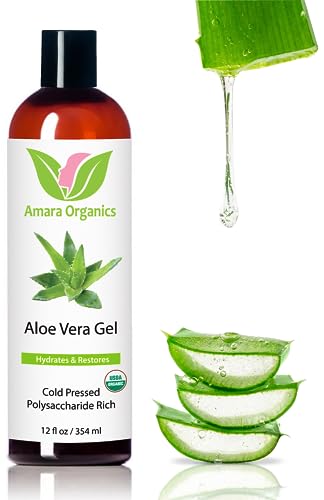
Organic Aloe Vera Gel for Skin, Face, Body, After Sun Care - USDA Certified Organic, 12 fl. oz.
<strong>Contains 99% pure, cold-pressed Aloe Vera</strong>. The remaining 1% are food grade preservatives required to keep the product safe. The Amara Difference: If the product isn’t a good fit for y
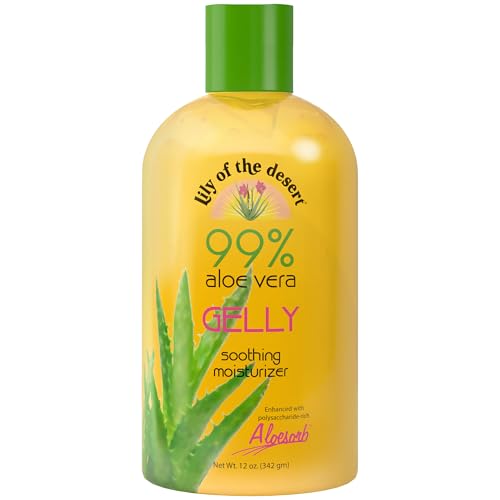
Lily Of The Desert Gelly Moisturizer - 99% Organic Aloe Vera Gel for Skin, After Sun Care with Aloe, Vitamin E Oil, and Vitamin C for Sunburn Relief, 12 Fl Oz : Aloe Vera Herbal Supplements
Amazon.com : Lily Of The Desert Gelly Moisturizer - <strong>99% Organic Aloe Vera Gel for Skin, After Sun Care with Aloe, Vitamin E Oil, and Vitamin C for Sunburn Relief</strong>, 12 Fl Oz : Aloe Vera
Health Disclaimer
This content is for informational purposes only and does not constitute medical advice. Always consult a qualified healthcare provider before starting, stopping, or changing any supplement or medication regimen.