

Smoking Cessation and Varenicline
Smoking cessation is one of the most impactful steps an individual can take to improve health, reducing risks for cancer, cardiovascular disease, and chronic lung disease. Varenicline is a prescription medication developed specifically to aid quitting. Understanding how varenicline works, its effectiveness and safety, and how it integrates with behavioral supports can help people make informed, collaborative decisions with their clinicians. Varenicline targets the brain’s nicotinic acetylcholine receptors (particularly the α4β2 subtype). As a partial agonist, it lightly stimulates these receptors to ease withdrawal while simultaneously blocking nicotine from cigarettes from binding and triggering larger dopamine surges. This dual action reduces cravings, dampens the reward from any lapse, and supports neurobiological stabilization during early abstinence. Across randomized trials and meta-analyses, varenicline increases long-term quit rates compared with placebo and is generally more effective than bupropion and single-form nicotine replacement therapy (NRT). Some evidence suggests that combining varenicline with a nicotine patch can further improve outcomes for highly dependent smokers, though side effects like nausea or sleep disturbance may be more frequent. Large safety trials and reviews indicate no significant increase in serious neuropsychiatric or cardiovascular adverse events versus placebo or other cessation aids, including in people with stable psychiatric conditions. Common side effects include nausea, vivid dreams, insomnia, and headache. Rare risks include allergic reactions and skin reactions. Monitoring mood or behavioral changes, sleep quality, and (when relevant) kidney function is prudent. Evidence in pregnancy is limited; behavioral therapy remains first-line. Effectiveness and safety have not been established for adolescents. Who might consider varenicline? Adults who smoke and seek pharmacologic support—particularly those with prior failed N
Updated August 8, 2026This content is for informational purposes only and does not constitute medical advice. Always consult a qualified healthcare provider before starting, stopping, or changing any supplement or medication regimen.
Overlapping Treatments
Behavioral counseling (brief advice, cognitive-behavioral support, quitlines)
Strong EvidenceIncreases abstinence rates and prevents relapse when delivered alongside pharmacotherapy.
Improves adherence and enhances the effectiveness of varenicline by building coping skills and structured follow-up.
Access and intensity matter; higher-contact programs tend to yield better outcomes.
Nicotine Replacement Therapy (combination patch + short-acting forms)
Moderate EvidenceCombination NRT increases quit rates versus single-form NRT and can aid withdrawal control.
When combined with varenicline in select cases, may further reduce cravings early in the quit attempt.
Higher rates of nausea and skin reactions reported in some studies; combination not necessary for all.
Mindfulness-based programs (e.g., mindfulness training for smoking)
Moderate EvidenceMay reduce craving reactivity and stress, supporting abstinence.
Can help manage irritability and sleep disruption, potentially improving persistence with varenicline.
Effects vary by program quality and participant engagement; evidence base still developing.
Acupuncture / auricular acupuncture
Emerging ResearchTraditionally used to reduce cravings and withdrawal; research shows mixed, generally modest effects.
May complement medication by promoting relaxation; direct synergistic effects not established.
Heterogeneous protocols; benefits may be short-term; select licensed practitioners.
Digital and text-message support (apps, SMS programs)
Moderate EvidenceModestly increases quit rates and provides ongoing prompts and encouragement.
Supports medication adherence and appointment reminders; facilitates timely troubleshooting of side effects.
Engagement declines over time; privacy and data security considerations apply.
Aerobic exercise and activity breaks
Emerging ResearchAcutely reduces cravings and negative affect; may help limit post-quit weight gain.
Can improve sleep and mood while on varenicline, supporting overall quit efforts.
Evidence for long-term abstinence benefit is limited; medical clearance may be needed for some.
Contingency management (financial or voucher incentives)
Strong EvidenceIncreases biochemically verified abstinence in various settings, including pregnancy.
Incentives can improve adherence to medication schedules and follow-up.
Program availability and funding vary; effects may diminish after incentives stop.
Medical Perspectives
Two Ways of Seeing Health

Western
scientific · clinical
Western medicine applies science, technology, and clinical experience to treat symptoms through testing, diagnosis, and targeted intervention.
Surgeons · Pharmaceuticals · Clinical trials · Diagnostics 
Eastern
traditional · alternative
Eastern medicine focuses on treating the body naturally by applying traditional knowledge practiced for thousands of years, emphasizing balance and whole-person wellness.
Acupuncture · Herbal medicine · Yoga · Meditation
Gold Bamboo presents both perspectives side-by-side so you can make informed decisions. We don't advocate for one over the other — your health choices are yours.
Two Ways of Seeing Health
Western
scientific · clinical
Western medicine applies science, technology, and clinical experience to treat symptoms through testing, diagnosis, and targeted intervention.
Eastern
traditional · alternative
Eastern medicine focuses on treating the body naturally by applying traditional knowledge practiced for thousands of years, emphasizing balance and whole-person wellness.
Gold Bamboo presents both perspectives side-by-side so you can make informed decisions. We don't advocate for one over the other — your health choices are yours.
Western Perspective
Western medicine views varenicline as a first-line pharmacologic aid for smoking cessation. It acts as a partial agonist at α4β2 nicotinic receptors, reducing withdrawal and blocking nicotine’s reinforcing effects. Clinical guidelines recommend pairing medication with behavioral counseling for best outcomes. Safety evidence—including in people with stable psychiatric conditions—supports its use with monitoring.
Key Insights
- Varenicline increases long-term quit rates versus placebo and outperforms bupropion and single-form NRT in many analyses.
- Combination therapy (varenicline + nicotine patch) can further improve abstinence for some, with a small increase in side effects.
- Large trials (e.g., EAGLES) show no significant increase in moderate-to-severe neuropsychiatric events compared with placebo or other aids.
- Observational and trial data do not show a meaningful increase in major adverse cardiovascular events.
- Common side effects include nausea, insomnia, vivid dreams; monitoring is advised, especially for mood changes and in renal impairment.
Treatments
- Varenicline monotherapy
- Behavioral counseling (individual, group, quitline)
- Combination therapy: varenicline + NRT in select cases
- Alternative pharmacotherapies: bupropion SR, NRT, cytisine (where available)
Deep Dive
From a western clinical perspective, varenicline is designed to address the neurobiology of nicotine addiction. Nicotine binds to α4β2 nicotinic... From a western clinical perspective, varenicline is designed to address the neurobiology of nicotine addiction. Nicotine binds to α4β2 nicotinic acetylcholine receptors in the mesolimbic pathway, prompting dopamine release that reinforces smoking behavior. Varenicline is a selective partial agonist at these receptors: it provides a modest dopaminergic stimulus that mitigates withdrawal symptoms while simultaneously occupying the receptor to blunt nicotine’s rewarding effects if a lapse occurs. This pharmacology helps reduce both physiological craving and the reinforcement cycle that sustains tobacco use. Randomized trials and overviews show that varenicline produces higher long-term abstinence than placebo and generally outperforms bupropion and single-form nicotine replacement therapy. The EAGLES trial, which included smokers with and without psychiatric disorders, found no significant increase in moderate-to-severe neuropsychiatric adverse events with varenicline compared to controls, and it confirmed superior efficacy. Observational analyses and clinical trials in populations with cardiovascular disease likewise do not show a meaningful increase in major adverse cardiovascular events. The most frequent side effects—nausea, insomnia, and vivid dreams—are usually transient, though monitoring is advised. Renal elimination with minimal drug–drug interactions simplifies co-prescribing, but caution is appropriate in significant renal impairment and in those with seizure history or heavy alcohol use. Clinical guidelines recommend combining pharmacotherapy with behavioral support to maximize quit success. Counseling, digital supports, and contingency management can enhance adherence and coping skills. For some patients, particularly those with high dependence or early breakthrough cravings, adding a nicotine patch to varenicline can further boost success, albeit with slightly higher rates of minor adverse effects. Special populations warrant tailored consideration: in pregnancy, evidence for varenicline is limited and behavioral interventions remain first-line; effectiveness and safety are not established in adolescents. Overall, when integrated into a comprehensive cessation plan, varenicline offers a high-efficacy, well-studied option to improve the chances of durable abstinence.
Sources
- Anthenelli RM et al. Lancet. 2016;387:2507-2520.
- Lindson N et al. Cochrane Database Syst Rev. 2021;4:CD013273.
- Koegelenberg CFN et al. JAMA. 2014;312:155-161.
- Rigotti NA et al. Circulation. 2010;121:221-229.
- Thomas KH et al. BMJ. 2015;350:h1109.
- U.S. Public Health Service Guideline. 2008; updates referenced by ATS 2020.
- ATS Clinical Practice Guideline. Am J Respir Crit Care Med. 2020;202:e5–e31.
Eastern Perspective
Traditional systems frame tobacco dependence within broader patterns of imbalance and emphasize restoring regulation of mind, breath, and vital energy. While varenicline is a modern biomedical tool, many integrative practitioners combine it with time-tested approaches—acupuncture, mindfulness/meditation, yoga, and herbal support for stress—to address cravings, sleep, and mood during quitting. Evidence for these adjuncts ranges from traditional to emerging.
Key Insights
- TCM often interprets smoking-related symptoms as Lung and Heart imbalance with Phlegm-Heat or Qi constraint; acupuncture and auricular protocols aim to calm Shen, regulate Lung Qi, and reduce craving.
- Ayurveda may attribute addictive patterns to aggravated Vata and Rajas; breathwork (pranayama), meditation, and sattvic routines help stabilize urges.
- Mindfulness-based interventions have modern trial support for reducing craving reactivity and stress—complementing medication effects.
- Acupuncture and auricular therapy are traditionally used for withdrawal support; research shows mixed but sometimes positive short-term effects.
Treatments
- Acupuncture/auricular acupuncture (e.g., Shenmen, Lung points)
- Mindfulness meditation and breath practices (pranayama, yoga nidra)
- Yoga asana sequences to reduce stress and improve sleep
- Herbal and dietary strategies to clear 'heat' and calm the mind (individualized; evidence limited)
Deep Dive
Traditional and integrative perspectives approach smoking cessation as a multidimensional process involving mind, breath, and vital energy. In T... Traditional and integrative perspectives approach smoking cessation as a multidimensional process involving mind, breath, and vital energy. In Traditional Chinese Medicine, tobacco dependence and withdrawal symptoms may be interpreted as disruptions in Lung and Heart systems—often described as Phlegm-Heat, Qi stagnation, or Shen (mind-spirit) disturbance. Therapeutic aims include clearing heat, regulating Lung Qi, and calming the Shen. Practitioners may use body and auricular acupuncture (e.g., Lung points, Shenmen) to reduce craving and restlessness, and to improve sleep. Although modern trials show mixed results and uncertain long-term effects, many patients report short-term relief, especially when acupuncture is timed around the quit date and early withdrawal. Ayurveda may frame persistent urges as manifestations of aggravated Vata and Rajas, with interventions that steady the nervous system and cultivate sattva (clarity). Practices such as pranayama (regulated breathing), meditation, and gentle asana sequences are intended to calm reactivity and improve sleep—frequent challenges during quitting. Mindfulness-based programs, which echo contemplative traditions in a secular clinical format, have modern trial support for reducing craving reactivity and stress, and can be paired with medications like varenicline to address both neurochemical and behavioral drivers of smoking. Within an integrative plan, varenicline serves as a targeted biomedical aid to stabilize receptor-level dynamics, while Eastern modalities address stress, sleep, and emotional regulation that often precipitate relapse. Herbal strategies may be individualized to soothe irritability or digestive upset, though high-quality evidence for specific formulas in smoking cessation is limited and potential herb–drug interactions should be reviewed. Collaboration between prescribers, licensed acupuncturists, and mind–body practitioners can align timing of treatments, reinforce motivation, and build daily routines—supporting not only initial abstinence but the deeper lifestyle shift that sustains it.
Sources
- White AR et al. Cochrane Database Syst Rev. 2014;CD000009.
- Brewer JA et al. Drug Alcohol Depend. 2011;119:72-80.
- NCCIH. Mind and Body Approaches for Smoking Cessation. 2020.
- Bock BC et al. J Womens Health. 2012;21:240-248.
- MacPherson H. Acupuncture Research: Strategies for Establishing an Evidence Base. 2007.
Evidence Ratings
Varenicline improves 6–12+ month abstinence compared with placebo.
Lindson N et al. Cochrane Database Syst Rev. 2021;4:CD013273.
Varenicline yields higher quit rates than bupropion and single-form NRT.
Lindson N et al. Cochrane Database Syst Rev. 2021;4:CD013273.
Combining varenicline with a nicotine patch can further increase quit rates.
Koegelenberg CFN et al. JAMA. 2014;312:155-161.
No significant increase in moderate-to-severe neuropsychiatric events with varenicline versus placebo or NRT/bupropion.
Anthenelli RM et al. Lancet. 2016;387:2507-2520.
No clinically meaningful increase in major adverse cardiovascular events with varenicline versus NRT or bupropion.
Thomas KH et al. BMJ. 2015;350:h1109.
Mobile phone and text-message programs modestly increase smoking cessation rates.
Whittaker R et al. Cochrane Database Syst Rev. 2019;CD006611.
Acupuncture for smoking cessation shows mixed results with no clear long-term benefit.
White AR et al. Cochrane Database Syst Rev. 2014;CD000009.
Mindfulness-based programs can reduce craving and may support cessation as an adjunct to pharmacotherapy.
Brewer JA et al. Drug Alcohol Depend. 2011;119:72-80.
Sources
- Anthenelli RM, Benowitz NL, West R, et al. Neuropsychiatric safety and efficacy of varenicline, bupropion, and nicotine patch (EAGLES). Lancet. 2016;387:2507-2520.
- Lindson N, Chepkin SC, Ye W, Fanshawe TR, Hartmann-Boyce J. Pharmacological interventions for smoking cessation: an overview and network meta-analysis. Cochrane Database Syst Rev. 2021;4:CD013273.
- Koegelenberg CFN, Noor F, Bateman ED, et al. Efficacy of varenicline combined with nicotine replacement therapy vs varenicline alone. JAMA. 2014;312(2):155-161.
- Rigotti NA, Pipe AL, Benowitz NL, et al. Efficacy and safety of varenicline in patients with cardiovascular disease. Circulation. 2010;121:221-229.
- Thomas KH, Martin RM, Knipe DW, Higgins JPT, Gunnell D. Risk of neuropsychiatric and cardiovascular adverse events associated with varenicline: a cohort study. BMJ. 2015;350:h1109.
- Treating Tobacco Use and Dependence: 2008 Update. U.S. Public Health Service Clinical Practice Guideline.
- Leone FT, Zhang Y, Evers-Casey S, et al. Initiating pharmacologic treatment in tobacco-dependent adults. Am J Respir Crit Care Med. 2020;202:e5–e31.
- Whittaker R, McRobbie H, Bullen C, et al. Mobile phone-based interventions for smoking cessation. Cochrane Database Syst Rev. 2019;CD006611.
- White AR, Rampes H, Liu J-P, Stead LF, Campbell J. Acupuncture and related interventions for smoking cessation. Cochrane Database Syst Rev. 2014;CD000009.
- Brewer JA, Mallik S, Babuscio TA, et al. Mindfulness training for smoking cessation. Drug Alcohol Depend. 2011;119:72-80.
- US Preventive Services Task Force. Interventions for Tobacco Smoking Cessation in Adults, Including Pregnant Persons. JAMA. 2021;325:265-279.
- ACOG Committee Opinion No. 807. Tobacco and Nicotine Cessation During Pregnancy. Obstet Gynecol. 2020;135:e221–e229.
- Chantix (varenicline) Prescribing Information. U.S. FDA. Updated 2021.
Related Topics
Recommended Products
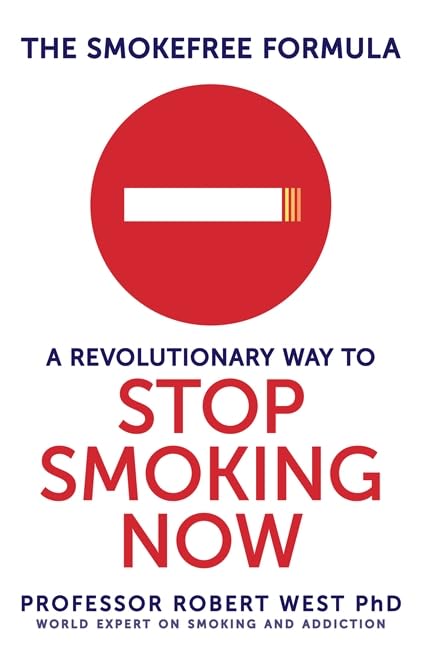
The Smokefree Formula: A Revolutionary Way to Stop Smoking Now: Robert West
I do feel some of the target audience ... R West does <strong>outline (as expected in someone who is so respected in smoking cessation)the main issues a smoker will go through when planning and settin

NicoDerm CQ Step 1 Nicotine Patches to Quit Smoking, 21 mg, Stop Smoking Aid, 14 Count
Buy NicoDerm CQ Step 1 Nicotine Patches to Quit Smoking, 21 mg, Stop Smoking Aid, 14 Count on Amazon.com ✓ FREE SHIPPING on qualified orders
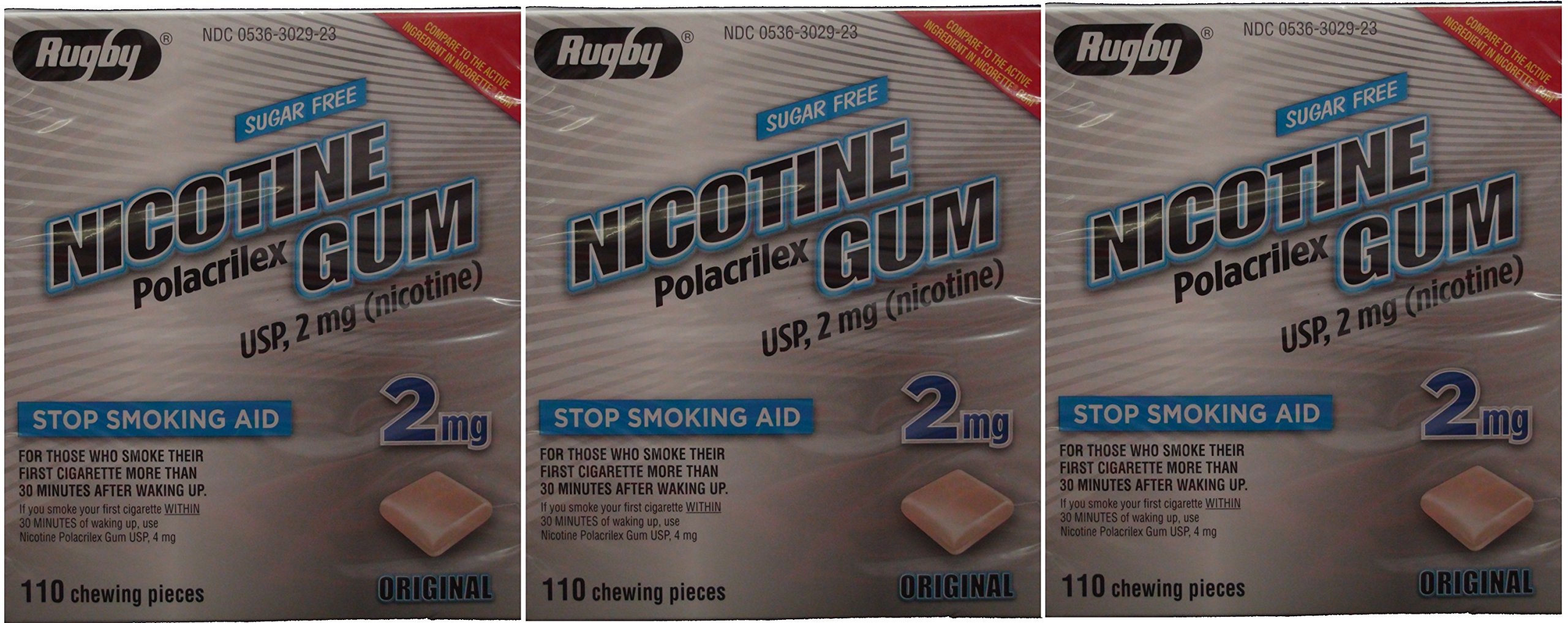
Nicotine Gum 4mg Sugar Free Original Generic for Nicorette 110 Pieces per Box Pack of 3 Total 300 Pieces
Amazon Basic Care Coated Nicotine Polacrilex Gum 4 mg, Ice Mint Flavor, Stop Smoking Aid, Nicotine Replacement Therapy, Reduces Withdrawal Symptoms, 160 Count ... Amazon Basic Care Uncoated Nicotine P
Health Disclaimer
This content is for informational purposes only and does not constitute medical advice. Always consult a qualified healthcare provider before starting, stopping, or changing any supplement or medication regimen.