

Sickle cell disease and Hydroxyurea
Sickle cell disease (SCD) is a genetic hemoglobin disorder that causes red blood cells to assume a rigid, sickled shape under low-oxygen conditions. Sickling drives blood vessel obstruction and hemolysis, leading to painful vaso-occlusive crises, acute chest syndrome, stroke, infections from splenic dysfunction, and progressive damage to organs such as the kidneys, lungs, and brain. Because these complications begin in early childhood and accumulate over a lifetime, disease‑modifying therapy is central to modern SCD care. Hydroxyurea is the most established disease‑modifying medication for SCD. It increases fetal hemoglobin (HbF), which dilutes sickle hemoglobin and reduces polymerization. It also raises red cell size, lowers white cell and platelet counts, and decreases inflammatory and adhesion pathways—together improving microvascular flow. Randomized and long‑term studies show hydroxyurea reduces rates of painful crises, acute chest syndrome, and hospitalizations, lowers transfusion needs, and, in selected children, can maintain stroke‑prevention targets once established by transfusion. Observational cohorts associate hydroxyurea use with better survival. Risks are well characterized. The most important is myelosuppression (neutropenia, thrombocytopenia), which is usually reversible with dose adjustment and requires regular blood count monitoring, especially during initiation and titration. Other effects can include gastrointestinal upset, skin and nail darkening, and, rarely, liver enzyme changes. Questions about fertility and pregnancy remain: limited human data have not shown a strong teratogenic signal, but many guidelines advise discontinuation when planning conception and during pregnancy when feasible; men may experience changes in semen parameters. Long‑term carcinogenicity has not been clearly increased compared with baseline SCD risk in observational studies, but surveillance continues. In the broader SCD landscape, hydroxyurea is widely recommended
Updated September 8, 2026This content is for informational purposes only and does not constitute medical advice. Always consult a qualified healthcare provider before starting, stopping, or changing any supplement or medication regimen.
Overlapping Treatments
Chronic transfusion therapy
Strong EvidencePrevents stroke in high‑risk children; reduces acute chest and severe anemia events; bridges during severe complications
Used when hydroxyurea is insufficient or as a lead‑in before transitioning (in selected children) to hydroxyurea for maintenance
Requires access to blood, iron overload risk requiring chelation; alloimmunization risk
Voxelotor
Moderate EvidenceIncreases hemoglobin and reduces hemolysis markers, potentially improving anemia and fatigue
Can be combined with hydroxyurea to target complementary mechanisms (polymerization inhibition plus HbF induction)
Drug–drug interactions minimal; monitor for GI side effects and liver enzymes
Crizanlizumab
Moderate EvidenceReduces frequency of vaso‑occlusive crises by inhibiting P‑selectin–mediated adhesion
Often added to hydroxyurea in patients with persistent crises to address adhesion pathways not fully covered by hydroxyurea
Infusion reactions possible; access and cost considerations
L‑glutamine (oral)
Moderate EvidenceMay reduce pain crises and hospitalizations by mitigating oxidative stress
Adjunct to hydroxyurea in patients with ongoing crises; different mechanism may provide additive benefit
GI side effects; benefit size modest; adherence considerations
Hematopoietic stem cell transplant (HSCT)
Strong EvidencePotentially curative by replacing sickle hematopoiesis
Hydroxyurea is often continued until transplant date as disease control; then discontinued post‑engraftment
Donor availability, graft‑versus‑host disease, conditioning toxicity
Gene therapy/gene editing
Emerging ResearchEmerging curative approaches that increase HbF or correct HBB; early trials show marked reduction in crises
Hydroxyurea typically used as background therapy before intervention; discontinued after successful engraftment
Long‑term durability and safety monitoring ongoing; high cost and access constraints
Medical Perspectives
Two Ways of Seeing Health

Western
scientific · clinical
Western medicine applies science, technology, and clinical experience to treat symptoms through testing, diagnosis, and targeted intervention.
Surgeons · Pharmaceuticals · Clinical trials · Diagnostics 
Eastern
traditional · alternative
Eastern medicine focuses on treating the body naturally by applying traditional knowledge practiced for thousands of years, emphasizing balance and whole-person wellness.
Acupuncture · Herbal medicine · Yoga · Meditation
Gold Bamboo presents both perspectives side-by-side so you can make informed decisions. We don't advocate for one over the other — your health choices are yours.
Two Ways of Seeing Health
Western
scientific · clinical
Western medicine applies science, technology, and clinical experience to treat symptoms through testing, diagnosis, and targeted intervention.
Eastern
traditional · alternative
Eastern medicine focuses on treating the body naturally by applying traditional knowledge practiced for thousands of years, emphasizing balance and whole-person wellness.
Gold Bamboo presents both perspectives side-by-side so you can make informed decisions. We don't advocate for one over the other — your health choices are yours.
Western Perspective
Western medicine regards hydroxyurea as foundational disease‑modifying therapy for sickle cell disease because it increases fetal hemoglobin and favorably modulates inflammation and cell adhesion, thereby reducing key clinical complications and improving long‑term outcomes.
Key Insights
- Robust randomized and cohort data show hydroxyurea reduces vaso‑occlusive crises, acute chest syndrome, and transfusion needs.
- In infants and children, hydroxyurea improves clinical outcomes and, in carefully selected settings, can maintain primary stroke‑prevention targets after transfusion lead‑in.
- Safety profile is well characterized; myelosuppression is dose‑related and reversible with monitoring.
- Observational studies associate hydroxyurea with improved survival, though randomized mortality trials are impractical.
- Combination therapy with newer agents (voxelotor, crizanlizumab, L‑glutamine) is increasingly used to individualize care.
Treatments
- Hydroxyurea (HbF induction)
- Chronic transfusion with iron chelation
- Voxelotor (polymerization inhibitor)
- Crizanlizumab (anti‑adhesion)
- Curative options: HSCT and gene therapy
Deep Dive
Sickle cell disease stems from a single beta‑globin mutation that promotes hemoglobin S polymerization, red cell deformation, and a cascade of h... Sickle cell disease stems from a single beta‑globin mutation that promotes hemoglobin S polymerization, red cell deformation, and a cascade of hemolysis, inflammation, and vaso‑occlusion. Clinically, this presents as recurrent painful crises, acute chest syndrome, stroke risk, and progressive organ injury. Hydroxyurea is the longest‑standing disease‑modifying therapy with robust evidence across ages. Its central action is induction of fetal hemoglobin (HbF), which dilutes HbS and inhibits polymer formation. Secondary effects—macrocytosis, reduction of leukocytes and reticulocytes, and dampening of adhesion and inflammatory mediators—contribute to improved rheology and endothelial function. Randomized trials established efficacy for reducing painful crises and acute chest syndrome, while pediatric data demonstrate decreased hospitalizations and transfusions. In carefully selected children transitioned from chronic transfusions, hydroxyurea can maintain transcranial Doppler velocities used for primary stroke prevention, though transfusion remains standard for those with cerebrovascular disease. Observational cohorts link hydroxyurea to better survival, supporting its status as a cornerstone therapy. Safety is well characterized: dose‑related myelosuppression requires regular complete blood count monitoring and clinical follow‑up, particularly during initiation and titration. Non‑hematologic adverse effects are usually mild. Fertility and pregnancy considerations warrant shared decision‑making; emerging human data are reassuring but incomplete, and many guidelines advise avoiding hydroxyurea during conception attempts and pregnancy when alternatives exist. No definitive carcinogenic signal has emerged in SCD populations, but ongoing pharmacovigilance is prudent. In practice, hydroxyurea is initiated in most children and considered broadly in adults with recurrent crises, acute chest syndrome, or significant hemolysis/anemia. It integrates with transfusion programs, iron chelation when needed, and newer agents—voxelotor, crizanlizumab, and L‑glutamine—chosen to target anemia, adhesion, or oxidative stress in patients with residual morbidity. Curative options (hematopoietic stem cell transplant and gene therapy) change the trajectory for a subset, but hydroxyurea remains widely relevant given feasibility, cost, and decades of experience.
Sources
- Charache S et al. N Engl J Med. 1995;332:1317-22.
- Wang WC et al. N Engl J Med. 2011;364:1593-602. (BABY HUG)
- Ware RE et al. N Engl J Med. 2016;375:1438-1446. (TWiTCH)
- Ware RE et al. N Engl J Med. 2016;374:1445-55. (REACH)
- Cochrane Review: Hydroxyurea for SCD, 2014/2019 update
- ASH 2020 Guidelines for SCD management
- Steinberg MH et al. Blood. 2010;115:4292-4298.
Eastern Perspective
Traditional systems did not historically describe sickle cell disease as a discrete genetic disorder but address its hallmark patterns—recurrent pain, anemia, and microcirculatory dysfunction—through frameworks of blood quality, heat/inflammation, and stagnation. Within integrative care, hydroxyurea is viewed as a modern, evidence‑based medicine that can be complemented by modalities aimed at pain modulation, stress reduction, and circulation support.
Key Insights
- Traditional Chinese Medicine (TCM) often interprets recurrent vaso‑occlusion as blood stasis with heat; therapies aim to move blood and clear heat while supporting qi and yin.
- Ayurveda links symptoms to rakta dhatu (blood) imbalance and pitta aggravation; cooling, rasayana (rejuvenative) strategies and lifestyle are emphasized.
- Acupuncture and acupressure are used for pain and stress; limited studies in SCD suggest feasibility and potential pain benefits, mirroring broader pain evidence.
- Mind–body practices (meditation, yoga, qi gong) may reduce stress reactivity and pain perception, helpful adjuncts during chronic disease management.
- Herbal approaches are traditional but require careful coordination with clinicians due to interaction and safety uncertainties.
Treatments
- Acupuncture and acupressure for pain (adjunctive)
- Qi gong/taiji and breathwork for stress and circulation support
- Ayurvedic lifestyle and gentle rasayana approaches (under supervision)
- Naturopathic emphasis on sleep, nutrition, and hydration to reduce triggers
Deep Dive
Traditional and integrative frameworks approach sickle cell disease through the lived experience of pain, fatigue, and vulnerability to stressor... Traditional and integrative frameworks approach sickle cell disease through the lived experience of pain, fatigue, and vulnerability to stressors, focusing on restoring balance and circulation. In Traditional Chinese Medicine, recurrent vaso‑occlusive events may be interpreted as blood stasis with heat and deficiency; acupuncture, movement practices like qi gong, and personalized herbal strategies are used to support microcirculation, calm inflammation, and ease pain. Ayurveda views symptoms through rakta dhatu (blood) and pitta (heat) imbalance, emphasizing cooling diets, daily routines, stress management, and gentle rasayana (rejuvenative) support. While these systems did not anticipate a genetic blood disorder, their tools for pain modulation and autonomic balance can complement biomedical care. Within an integrative plan, hydroxyurea is acknowledged as the central disease‑modifying agent that changes the biology of sickling. Adjunctive modalities are selected to reduce triggers of crises—dehydration, sleep loss, psychosocial stress—and to improve quality of life. Acupuncture and acupressure may help with pain and stress reactivity; mind–body practices, including meditation and yoga, can lower sympathetic arousal and improve coping, with feasibility shown in small SCD studies and broader pain literature. Nutritional and naturopathic guidance emphasizes regular hydration and balanced nutrition to support hemolysis‑related demands. Herbal medicines require caution because of potential interactions and variability in product quality; any use should be coordinated with the medical team, especially when blood counts are being monitored for hydroxyurea titration. The integrative perspective aligns with western goals: fewer crises, better functioning, and safer, sustainable treatment. It adds attention to daily practices, meaning‑making, and community support that influence adherence and resilience. Evidence for complementary modalities in SCD is still emerging; hence, they are best positioned as supportive strategies alongside proven disease‑modifying therapy and preventive care.
Sources
- NCCIH: Acupuncture for Chronic Pain (evidence overview)
- Zhou W et al. Pain Med. 2015;16:176-190. (acupuncture pain mechanisms)
- Badawy SM et al. Pain Manag Nurs. 2018;19:54-61. (mind–body in SCD, feasibility)
- WHO Traditional Medicine Strategy 2014-2023
Evidence Ratings
Hydroxyurea increases fetal hemoglobin and reduces sickling polymerization in SCD.
Charache S et al. N Engl J Med. 1995;332:1317-22.
Hydroxyurea reduces rates of vaso‑occlusive pain crises and acute chest syndrome.
Cochrane Review: Hydroxyurea for SCD (2014/2019 update).
In infants/children, hydroxyurea reduces hospitalizations and transfusions; primary organ protection signals vary by endpoint.
Wang WC et al. N Engl J Med. 2011;364:1593-602. (BABY HUG)
Hydroxyurea can maintain primary stroke‑prevention targets after transfusion lead‑in in selected children with abnormal TCD and no vasculopathy.
Ware RE et al. N Engl J Med. 2016;375:1438-1446. (TWiTCH)
Long‑term hydroxyurea use is associated with improved survival in observational cohorts.
Steinberg MH et al. Blood. 2010;115:4292-4298.
Myelosuppression (neutropenia, thrombocytopenia) is the principal dose‑limiting toxicity and is typically reversible with monitoring and adjustments.
ASH 2020 Guidelines for SCD management.
No clear increase in carcinogenicity has been demonstrated in SCD patients treated with hydroxyurea compared with baseline risk; surveillance continues.
ASH 2020 Guidelines; observational safety summaries.
Combination therapy with crizanlizumab or voxelotor can benefit patients with persistent symptoms despite hydroxyurea.
Ataga KI et al. N Engl J Med. 2017;376:429-439. (SUSTAIN); Vichinsky E et al. N Engl J Med. 2019;381:509-519. (HOPE)
Sources
- Charache S et al. Effect of hydroxyurea on the frequency of painful crises in sickle cell anemia. N Engl J Med. 1995;332:1317-22.
- Wang WC et al. Hydroxyurea in very young children with sickle-cell anemia (BABY HUG). N Engl J Med. 2011;364:1593-602.
- Ware RE et al. Hydroxycarbamide in sickle cell anemia in sub-Saharan Africa (REACH). N Engl J Med. 2016;374:1445-55.
- Ware RE et al. Hydroxyurea vs transfusions for primary stroke prevention in SCD (TWiTCH). N Engl J Med. 2016;375:1438-46.
- Cochrane Review: Hydroxyurea for sickle cell disease (2014; updated 2019).
- ASH 2020 Guidelines for Sickle Cell Disease management.
- Ataga KI et al. Crizanlizumab in sickle cell disease (SUSTAIN). N Engl J Med. 2017;376:429-439.
- Vichinsky E et al. Voxelotor in sickle cell disease (HOPE). N Engl J Med. 2019;381:509-519.
- WHO Model List of Essential Medicines: Hydroxycarbamide for SCD (2017+).
- Steinberg MH et al. Hydroxyurea and mortality/morbidity in SCD. Blood. 2010;115:4292-4298.
- NCCIH acupuncture for chronic pain: evidence overview.
Related Topics
Recommended Products

Hope & Destiny: The Patient and Parent's Guide to Sickle Cell Disease and Sickle Cell Trait (Revised 4th Edition): Allan F. Platt Jr., James Eckman, Lewis Hsu
(Author), James Eckman (Contributor), ... disease, <strong>this guide gives the facts they need to know in order to reduce symptoms, relieve pain, and help patients and their support circle better und

AUVON Weekly Pill Organizer Arthritis Friendly, BPA Free Travel 7 Day Pill Box Case with Spring Open Design and Large Compartment to Hold Vitamins, Cod Liver Oil, Supplements and Medication
Enlarged Weekly Pill Organizer 7 Day, Daily Pill Box with Never Faded Etched 3D Date Labels, Travel Pill Case with Large Compartment for Medication, Vitamin, Fish Oil, Supplements(Rainbow) AUVON Weekl
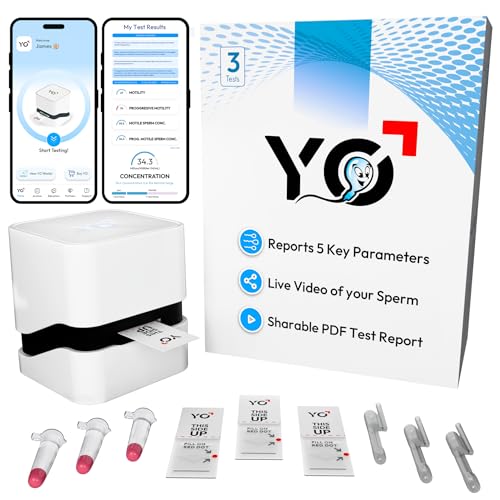
YO Home Sperm Test | at
ACCURATE and DOCTOR RECOMMENDED - <strong>This FDA Cleared at-home male fertility test reports results with greater than 97% accuracy in clinical trials</strong>. It’s fast, reliable, and the most ext
Health Disclaimer
This content is for informational purposes only and does not constitute medical advice. Always consult a qualified healthcare provider before starting, stopping, or changing any supplement or medication regimen.