

Sickle cell disease
Overview
Sickle cell disease (SCD) is a group of inherited blood disorders caused by variants in the HBB gene, which affects the structure of hemoglobin, the oxygen-carrying protein in red blood cells. The most common form, sickle cell anemia, occurs when a person inherits two sickle hemoglobin genes, though other forms can result from combinations such as hemoglobin SC disease or sickle beta-thalassemia. Under low-oxygen or other stress conditions, red blood cells can become rigid and crescent-shaped rather than flexible and round. These altered cells are more prone to breaking apart and can obstruct small blood vessels, contributing to chronic anemia, pain episodes, and organ complications.
SCD is considered one of the most common serious inherited blood conditions worldwide. It is especially prevalent among people with ancestry from sub-Saharan Africa, India, the Middle East, the Mediterranean, and parts of the Americas and Caribbean. Public health significance is high because the condition may affect multiple body systems across the lifespan, including the blood, lungs, brain, kidneys, bones, and spleen. Newborn screening programs, improved supportive care, vaccination strategies, and disease-modifying therapies have substantially changed outcomes in many countries, though disparities in diagnosis, access to care, and life expectancy remain important concerns.
The clinical course of SCD is highly variable. Common features include hemolytic anemia, vaso-occlusive pain crises, fatigue, increased susceptibility to infection, delayed growth, and acute complications such as acute chest syndrome, stroke, splenic sequestration, and severe infections. Over time, repeated blood vessel blockage and ongoing hemolysis can contribute to chronic damage affecting the kidneys, heart, lungs, eyes, and bones. Research also highlights the burden of chronic pain, sleep problems, mental health strain, and reduced quality of life, making SCD both a hematologic and whole-person condition.
From a broader health perspective, sickle cell disease illustrates the intersection of genetics, inflammation, vascular biology, and social determinants of health. In contemporary care, management often includes preventive monitoring, symptom control, disease-modifying treatment, and coordinated specialty support. In traditional and integrative settings, attention may also be given to constitutional strength, nourishment, circulation, resilience, and supportive practices that complement standard medical care. Because complications can become serious quickly, discussions of SCD are generally framed within the importance of ongoing care from qualified healthcare professionals.
Medical Perspectives
Two Ways of Seeing Health

Western
scientific · clinical
Western medicine applies science, technology, and clinical experience to treat symptoms through testing, diagnosis, and targeted intervention.

Eastern
traditional · alternative
Eastern medicine focuses on treating the body naturally by applying traditional knowledge practiced for thousands of years, emphasizing balance and whole-person wellness.
Gold Bamboo presents both perspectives side-by-side so you can make informed decisions. We don't advocate for one over the other — your health choices are yours.
Western Medicine Perspective
Western Medicine Perspective
In conventional medicine, sickle cell disease is understood as a monogenic hemoglobinopathy in which abnormal hemoglobin S polymerizes under deoxygenated conditions, causing red blood cells to deform, become adhesive, and break down more easily. This drives several overlapping processes: chronic hemolysis, vascular occlusion, endothelial dysfunction, inflammation, nitric oxide imbalance, and progressive organ injury. Modern hematology recognizes SCD as more than episodic pain; it is a chronic systemic disease with acute flares and cumulative long-term complications.
Diagnosis is typically established through newborn screening, hemoglobin electrophoresis, high-performance liquid chromatography, or genetic testing. Conventional management focuses on prevention and surveillance as well as treatment of acute and chronic complications. Core elements may include immunizations, infection prevention, stroke-risk screening in children, monitoring for organ damage, transfusion strategies in selected situations, and disease-modifying therapies such as hydroxyurea, L-glutamine, voxelotor, and crizanlizumab, depending on clinical context and regional availability. Hematopoietic stem cell transplantation and newer gene-based therapies are areas of major development, with studies indicating potential for disease modification in selected patients.
Acute care often addresses vaso-occlusive pain, fever, acute chest syndrome, anemia-related events, and neurologic symptoms as medical priorities because these can escalate rapidly. Research supports comprehensive care models involving hematologists, primary care, pain specialists, pulmonology, nephrology, mental health professionals, and social support services. Current evidence also emphasizes that outcomes are shaped not only by biology but by access to care, structural inequities, and delayed recognition of complications. For that reason, conventional medicine increasingly frames SCD care within both precision medicine and health equity.
Eastern & Traditional Perspective
Eastern/Traditional Medicine Perspective
Traditional medical systems do not describe sickle cell disease in genetic or hemoglobin-based terms, but they often interpret chronic blood disorders through broader patterns involving vital energy, circulation, tissue nourishment, constitutional balance, and susceptibility to pain or weakness. In Traditional Chinese Medicine (TCM), symptoms associated with SCD might be viewed through patterns such as blood stasis, qi deficiency, or depletion affecting the spleen and kidney systems, particularly when there is fatigue, pain, pallor, weakness, or recurrent illness. Traditional frameworks may also consider the role of impaired flow and internal imbalance in the recurrence of painful episodes.
In Ayurveda, analogous symptom patterns may be discussed in terms of disturbances affecting rakta dhatu (blood tissue), vata-related pain, low vitality, and impaired tissue nourishment. Traditional approaches may emphasize digestive strength, restorative support, balanced routine, and gentle measures intended to support resilience and systemic balance. In naturopathic and broader integrative traditions, attention may be placed on nutrient status, stress burden, rest, hydration, and overall constitutional support, while recognizing that these approaches do not replace the need for specialized hematology care.
The evidence base for traditional approaches in SCD is limited compared with standard medical therapies. Some small studies and integrative care reports have explored herbs, nutritional support, mind-body practices, and supportive therapies for pain, quality of life, oxidative stress, or fatigue, but findings remain preliminary and heterogeneous. Safety is especially important in SCD because of risks related to anemia, organ complications, medication interactions, and acute crises. As a result, eastern and traditional perspectives are generally best understood as complementary frameworks for symptom support and whole-person care, to be discussed with qualified healthcare providers rather than used as substitutes for established medical monitoring and treatment.
Related Topics
Hydroxyurea
Hydroxyurea — medication topic in the Gold Bamboo health ontology.
How They Relate
Sickle cell disease & Hydroxyurea
Sickle cell disease (SCD) is a genetic hemoglobin disorder that causes red blood cells to assume a rigid, sickled shape under low-oxygen conditions. Sickling drives blood vessel obstruction and hem...
Supplements & Products
Recommended Products
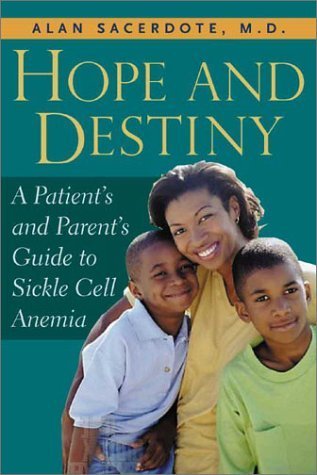
Hope & Destiny: The Patient and Parent's Guide to Sickle Cell Disease and Sickle Cell Trait (Revised 4th Edition): Allan F. Platt Jr., James Eckman, Lewis Hsu
(Author), James Eckman (Contributor), ... disease, <strong>this guide gives the facts they need to know in order to reduce symptoms, relieve pain, and help patients and their support circle better und

Solgar Folate 1,333 MCG Dietary Folate Equivalent (800 mcg Folic Acid), 250 Tablets - Heart Health, Healthy Nervous System, Prenatal Support - Non-GMO, Vegan, Gluten Free, Dairy Free - 250 Servings
Solgar Folate 1,333 mcg DFE, 100 Tablets - 800 mcg Bio-Active Metafolin - Heart Health - Non-GMO, Vegan, Gluten Free, Dairy Free, Kosher - 100 Servings · Solgar Folate 1,333 mcg DFE (Folic Acid 800 mc

Sunbeam XL Heating Pad for Back Neck and Shoulder Pain Relief Auto Shut Off 6 Heat Settings Extra Large 12 x 24 Green Ideal for Muscle Aches and Arthritis Pain
Experience soothing relief from muscle aches, arthritis, and more with this Sunbeam XL Heating Pad. <strong>Engineered with XpressHeat technology, it heats up three times faster than standard heating
Evidence & Sources
Supported by multiple clinical trials and systematic reviews
- National Heart, Lung, and Blood Institute (NHLBI)
- Centers for Disease Control and Prevention (CDC)
- World Health Organization (WHO)
- National Institutes of Health (NIH)
- New England Journal of Medicine
- The Lancet Haematology
- Blood
- American Society of Hematology
- Cochrane Database of Systematic Reviews
- National Center for Complementary and Integrative Health (NCCIH)
This content is for informational purposes only and does not constitute medical advice. Always consult a qualified healthcare provider before starting, stopping, or changing any supplement or medication regimen.