

Shingles (Herpes Zoster) and Postherpetic Neuralgia (PHN)
Shingles (herpes zoster) is a reactivation of latent varicella‑zoster virus (VZV) in sensory ganglia, producing a painful, dermatomal rash. Postherpetic neuralgia (PHN) is the chronic neuropathic pain syndrome that can persist after the rash resolves, most commonly defined as pain lasting 90 days or more from rash onset. Understanding how an acute VZV reactivation can evolve into persistent nerve pain helps patients and clinicians act early to reduce long‑term impact. Pathophysiologically, VZV reactivation inflames and injures peripheral sensory neurons in the dorsal root or cranial nerve ganglia and their axons. This ganglionitis causes neuronal loss, demyelination, and ectopic impulse generation. Ongoing peripheral input can produce central sensitization—heightened responsiveness within the spinal cord and brain—leading to persistent allodynia and hyperalgesia even after skin lesions crust. Risk for PHN rises with older age, severe acute pain and extensive rash, involvement of the ophthalmic branch of the trigeminal nerve, immunosuppression, metabolic comorbidities such as diabetes, and delays in starting antiviral therapy. Overall, about 10–18% of shingles cases develop PHN at 3 months, with higher rates (20–30% or more) in adults over 60. Many improve over 6–12 months, but a subset have pain that endures longer and meaningfully impairs sleep, mood, and daily function. Clinically, PHN presents as burning or electric shock‑like pain, tactile allodynia, hyperalgesia, and sometimes numbness within the affected dermatome, after the shingles rash has healed. Diagnosis is clinical—chronic neuropathic pain following documented or strongly suspected shingles. Complications include ocular damage if the ophthalmic distribution was involved, bacterial superinfection during the acute phase, and major quality‑of‑life reductions. Prevention bridges the two conditions. The recombinant zoster vaccine (Shingrix) dramatically lowers the incidence of shingles and PHN in adults
Updated September 8, 2026This content is for informational purposes only and does not constitute medical advice. Always consult a qualified healthcare provider before starting, stopping, or changing any supplement or medication regimen.
Shared Risk Factors
Older age (especially ≥50–60 years)
Strong EvidenceImmune senescence increases risk of VZV reactivation and worsens neural injury, raising PHN likelihood.
Severity of acute rash and pain (including prodrome)
Strong EvidenceMore extensive dermatomal involvement and intense acute pain reflect greater nerve inflammation and damage.
Ophthalmic (trigeminal V1) involvement
Moderate EvidenceZoster ophthalmicus indicates cranial ganglion involvement and is associated with higher complication rates.
Immunosuppression (e.g., hematologic malignancy, transplants, HIV, immunosuppressive therapy)
Strong EvidenceImpaired VZV‑specific cellular immunity increases reactivation and complicates resolution.
Metabolic comorbidities (e.g., diabetes, CKD, frailty)
Moderate EvidenceMicrovascular and neuroimmune changes may worsen nerve vulnerability and repair capacity.
Delayed initiation of antiviral therapy (>72 hours)
Moderate EvidenceAntivirals limit viral replication and inflammation; delays may allow more nerve damage.
Comorbidity Data
Prevalence
Among people with shingles, approximately 10–18% develop PHN at 3 months, with rates of 20–30% or higher in adults ≥60; risk may exceed 30% in ≥80.
Mechanistic Link
Both conditions arise from varicella‑zoster virus reactivation in sensory ganglia. Viral replication and inflammation injure peripheral sensory neurons and their axons, causing ectopic discharges and deafferentation. Persistent peripheral input and loss of inhibitory control promote central sensitization, maintaining pain after cutaneous healing.
Clinical Implications
Because PHN is a downstream consequence of shingles, prevention focuses on vaccination and rapid treatment of acute zoster. Early, adequate analgesia may reduce central sensitization. Identifying high‑risk patients (older age, severe acute pain, ophthalmic involvement, immunosuppression) guides closer follow‑up and consideration of interventional strategies. Established PHN requires neuropathic pain therapies to restore function and quality of life.
Sources (4)
- Johnson RW, Rice ASC. Postherpetic Neuralgia. N Engl J Med. 2014;371:1526-33.
- Cohen JI. Herpes Zoster. N Engl J Med. 2013;369:255-263.
- Yawn BP et al. Herpes zoster in the community. Mayo Clin Proc. 2007;82:1341-1349.
- Langan SM et al. Herpes zoster recurrence and predictors. BMJ. 2013;346:f3179.
Overlapping Treatments
Recombinant zoster vaccine (RZV; Shingrix)
Strong EvidencePrevents shingles with >90% efficacy in adults ≥50, reducing disease burden.
By preventing shingles, markedly lowers PHN incidence and severity.
Two-dose series; local/systemic reactogenicity common; follow current eligibility and precautions.
Early oral antivirals (acyclovir, valacyclovir, famciclovir)
Moderate EvidenceShorten rash duration and acute neuritic pain; reduce complications when started within 72 hours.
Modestly reduce PHN risk and duration in some analyses by limiting neural injury.
Greatest benefit with early initiation; dose adjustments in renal impairment; monitor drug interactions.
Aggressive acute pain control (multimodal analgesia)
Emerging ResearchImproves comfort and sleep; may limit central sensitization during acute shingles.
Better acute control associates with lower PHN risk; provides continuity if pain persists.
Use individualized regimens; monitor for sedation, constipation, and falls with centrally acting agents.
Regional anesthesia during acute zoster (paravertebral/epidural local anesthetic ± steroid)
Moderate EvidenceRapid relief of severe dermatomal pain; may reduce acute healthcare utilization.
Some trials suggest reduced PHN incidence by interrupting nociceptive barrage.
Requires trained clinicians; bleeding/infection risks; benefits for established PHN vary.
Gabapentinoids used in acute zoster transitioning to PHN care
Moderate EvidenceCan reduce acute neuritic pain when other measures are insufficient.
Established efficacy for PHN pain, improving sleep and function.
Prevention of PHN is uncertain; monitor for dizziness, sedation, and balance issues.
Acupuncture/electroacupuncture
Emerging ResearchMay lessen acute zoster pain and anxiety once lesions are protected/healed.
Meta-analyses suggest reductions in PHN pain and allodynia for some patients.
Heterogeneous protocols and study quality; avoid needling through active lesions.
Transcutaneous electrical nerve stimulation (TENS)
Emerging ResearchAdjunct for acute dermatomal discomfort after lesion crusting.
May reduce neuropathic pain and improve tolerance to touch in PHN.
Variable benefit; contraindications with some implanted devices.
Psychological/behavioral strategies (CBT, mindfulness, sleep support)
Moderate EvidenceImproves coping and reduces stress reactivity during acute illness.
Supports self-management of chronic pain, mood, and sleep in PHN.
Most effective as part of a multimodal plan.
Medical Perspectives
Two Ways of Seeing Health

Western
scientific · clinical
Western medicine applies science, technology, and clinical experience to treat symptoms through testing, diagnosis, and targeted intervention.
Surgeons · Pharmaceuticals · Clinical trials · Diagnostics 
Eastern
traditional · alternative
Eastern medicine focuses on treating the body naturally by applying traditional knowledge practiced for thousands of years, emphasizing balance and whole-person wellness.
Acupuncture · Herbal medicine · Yoga · Meditation
Gold Bamboo presents both perspectives side-by-side so you can make informed decisions. We don't advocate for one over the other — your health choices are yours.
Two Ways of Seeing Health
Western
scientific · clinical
Western medicine applies science, technology, and clinical experience to treat symptoms through testing, diagnosis, and targeted intervention.
Eastern
traditional · alternative
Eastern medicine focuses on treating the body naturally by applying traditional knowledge practiced for thousands of years, emphasizing balance and whole-person wellness.
Gold Bamboo presents both perspectives side-by-side so you can make informed decisions. We don't advocate for one over the other — your health choices are yours.
Western Perspective
Western medicine views PHN as a complication of shingles resulting from virus-induced neural injury and maladaptive nervous system plasticity. The relationship is causal: preventing shingles is the most effective way to prevent PHN; early antiviral therapy and adequate acute pain control may attenuate progression to chronic neuropathic pain. Established PHN is treated with evidence-based neuropathic pain modalities.
Key Insights
- Vaccination with recombinant zoster vaccine strongly prevents shingles and PHN.
- Early antivirals shorten acute disease and may modestly reduce PHN risk.
- Severity of acute pain and rash are strong predictors of PHN.
- PHN pain reflects peripheral nerve injury plus central sensitization, explaining allodynia and hyperalgesia.
- First-line PHN pharmacotherapies include gabapentinoids, tricyclic antidepressants, and topical agents.
Treatments
- Recombinant zoster vaccine for prevention
- Early oral antivirals for acute shingles
- Neuropathic pain agents: gabapentin/pregabalin, amitriptyline/nortriptyline, SNRIs
- Topicals: lidocaine 5% patch, capsaicin 8% patch
- Interventions: regional nerve blocks in acute phase; neuromodulation for refractory PHN
Deep Dive
Shingles and postherpetic neuralgia are sequential expressions of the same biologic event: reactivation of latent varicella‑zoster virus in a se... Shingles and postherpetic neuralgia are sequential expressions of the same biologic event: reactivation of latent varicella‑zoster virus in a sensory ganglion. During acute herpes zoster, viral replication and inflammation damage primary afferent neurons and their axons, producing intense dermatomal pain and a vesicular rash. The intensity and extent of this acute process—amplified in older or immunocompromised adults—predict the likelihood of long‑term consequences. As the rash heals, persistent abnormal peripheral signaling and deafferentation can drive dorsal horn hyperexcitability and cortical reorganization, yielding the hallmark features of neuropathic pain: ongoing burning, electric shocks, tactile allodynia, and sleep disruption. From a clinical standpoint, the most decisive intervention point is prevention. The recombinant zoster vaccine shows high efficacy in adults over 50, dramatically reducing zoster and, by extension, PHN. When shingles occurs, antivirals started promptly shorten the course and may modestly reduce PHN risk. Adequate acute analgesia is important not only for comfort but also to potentially mitigate central sensitization. Patients at highest risk—older age, ophthalmic involvement, severe acute pain—benefit from close follow‑up and consideration of interventional strategies such as paravertebral or epidural blocks. Once PHN is established, management follows neuropathic pain principles. Strong evidence supports gabapentin or pregabalin, with tricyclic antidepressants and topical agents (lidocaine 5% patch; capsaicin 8% patch) as core options. SNRIs can be helpful in selected cases, particularly with comorbid mood symptoms. For refractory pain, specialist referral for interventional approaches, including sympathetic blocks or neuromodulation, may be warranted. Throughout, the impact on quality of life—sleep loss, mood changes, functional decline—should drive shared decision‑making. The evidence base is robust for vaccination and PHN pharmacotherapy, moderate for early antivirals and regional anesthesia in prevention, and mixed for some adjunctive measures. A layered, individualized plan that begins in the acute phase and adapts over time offers the best chance to limit the transition from shingles to chronic pain.
Sources
- Dooling KL et al. Recommendations of the ACIP for Use of RZV. MMWR. 2018;67:103–108.
- Lal H et al. RZV efficacy in older adults. N Engl J Med. 2015;372:2087–2096.
- Cunningham AL et al. RZV in ≥70 years. N Engl J Med. 2016;375:1019–1032.
- Johnson RW, Rice ASC. Postherpetic Neuralgia. N Engl J Med. 2014;371:1526–1533.
- Chen N et al. Antivirals for preventing PHN. Cochrane Database Syst Rev. 2014;CD006866.
- Derry S et al. Gabapentin/pregabalin and topical agents for neuropathic pain. Cochrane Reviews 2014–2019.
Eastern Perspective
Traditional East Asian medicine (TEAM) and Ayurveda conceptualize shingles and PHN as disruptions in vital energy and pathogenic heat/toxin affecting specific channels or doshas. Acute shingles often corresponds to “damp‑heat” or “fire toxin” obstructing the Liver/Gallbladder or Shaoyang channels, while persistent pain after rash healing reflects residual stagnation, qi and blood deficiency, and ‘wind’ lodged in the collaterals. Care focuses first on clearing heat and relieving obstruction, then on nourishing and moving qi and blood to calm neuropathic pain.
Key Insights
- Channel-based patterns link acute rash distribution with specific meridians (e.g., GB/SJ for thoracic dermatomes; V1 for zoster ophthalmicus).
- Acupuncture and electroacupuncture may modulate pain pathways and reduce allodynia, aligning with modern concepts of neuromodulation.
- Topical counterirritants (e.g., capsaicin from chili) and warming methods after crusting can desensitize hyperexcitable nerves.
- Herbal strategies shift from heat-clearing in the acute stage to qi/blood nourishment and stagnation relief in PHN.
- Mind–body practices support sleep and reduce stress reactivity, which can amplify pain perception.
Treatments
- Acupuncture/electroacupuncture (e.g., Ashi points, Huatuojiaji along affected segments; GB34, SJ5, LI11 individualized by pattern)
- Moxibustion or warm needling in chronic, cold‑stagnation patterns (after skin healing)
- Topical herbal liniments or capsaicin preparations applied to intact skin
- Chinese herbal formulas tailored by a trained practitioner (e.g., heat‑clearing formulas acutely, qi/blood‑tonifying for PHN)
- Yoga, pranayama, meditation or tai chi/qigong to improve pain coping and sleep
Deep Dive
Traditional East Asian medicine interprets shingles as an invasion of ‘toxic heat’ and ‘damp‑heat’ obstructing the channels that traverse the af... Traditional East Asian medicine interprets shingles as an invasion of ‘toxic heat’ and ‘damp‑heat’ obstructing the channels that traverse the affected dermatome—often the Gallbladder and Sanjiao along the lateral trunk or the Bladder channel posteriorly. The acute stage is characterized by redness, vesicles, and burning pain, signs of exuberant heat and stagnation. As lesions crust and the skin clears, lingering pain and hypersensitivity are seen as ‘wind’ and ‘stagnation’ trapped in the collaterals with underlying qi and blood depletion, particularly in older adults whose vital essence is comparatively diminished. Treatment thus moves in stages: first to clear heat, resolve toxin, and unblock the channels; then to nourish and move qi/blood and calm the spirit to address persistent neuropathic symptoms. Acupuncture protocols are individualized to the rash distribution and pattern diagnosis. In practice, local Ashi points and paraspinal Huatuojiaji along the involved segments are combined with channel points such as GB34, SJ5, and LI11. In PHN, electroacupuncture with gentle frequencies may reduce allodynia by engaging segmental inhibition and descending modulatory pathways—mechanisms that resonate with modern neuromodulation concepts. After complete lesion healing, warming methods like moxibustion may be applied in cold‑stagnation patterns; topical counterirritants, including capsaicin‑containing liniments, can desensitize hyperactive nociceptors. Herbal strategies evolve from heat‑clearing formulas acutely to qi/blood‑tonifying and stagnation‑resolving prescriptions in the chronic phase, always tailored by a qualified practitioner to avoid aggravating sensitive skin. Ayurvedic and mind–body perspectives emphasize balancing aggravated pitta (heat) during the acute phase and supporting restorative sleep and stress reduction as pain persists. Gentle yoga, breathing practices, tai chi, and mindfulness can reduce autonomic arousal and pain catastrophizing, improving function. The research base for these approaches is growing but heterogeneous; studies suggest potential benefit with few serious adverse effects when appropriately timed and applied. In integrative care, these modalities align with biomedical goals: reduce inflammation and neural hyperexcitability early, then retrain the nervous system and strengthen resilience over time. Collaboration between conventional and traditional practitioners can help patients navigate options safely and effectively.
Sources
- Xiang A et al. Acupuncture for PHN: Systematic review/meta-analysis. J Pain Res. 2019;12:2155–2166.
- Cao H et al. Acupuncture for herpes zoster: Systematic review. Cochrane Database Syst Rev. 2010.
- Zaslawski C. Traditional Chinese Medicine: Principles for dermatological conditions. Chin Med. 2006.
- Cherkin DC et al. Mind-body therapies for chronic pain: Evidence overview. Pain. 2016.
Evidence Ratings
Recombinant zoster vaccine prevents shingles and markedly reduces PHN by preventing zoster.
Lal H et al. N Engl J Med. 2015; Cunningham AL et al. N Engl J Med. 2016; Dooling KL et al. MMWR. 2018.
Early antiviral therapy shortens acute shingles and modestly reduces PHN risk.
Chen N et al. Antivirals for preventing PHN. Cochrane Database Syst Rev. 2014;CD006866.
Gabapentin and pregabalin reduce PHN pain and improve sleep/function.
Moore RA et al. Gabapentin for neuropathic pain. Cochrane Rev. 2014; Derry S et al. Pregabalin for neuropathic pain. Cochrane Rev. 2019.
Topical lidocaine 5% patch relieves PHN allodynia in many patients.
Derry S et al. Topical lidocaine for neuropathic pain. Cochrane Database Syst Rev. 2014.
Capsaicin 8% patch provides meaningful pain relief in PHN for a subset of patients.
Derry S et al. High-concentration capsaicin patch. Cochrane Database Syst Rev. 2017.
Systemic corticosteroids in acute shingles do not prevent PHN.
Han Y et al. Corticosteroids for preventing PHN. Cochrane Database Syst Rev. 2013.
Regional nerve blocks during acute zoster can reduce PHN incidence in some studies.
van Wijck AJ et al. Epidural local anaesthetic/steroid in acute zoster. Pain. 2006; Chen N et al. Cochrane 2014.
Severe acute zoster pain and extensive rash predict PHN.
Johnson RW, Rice ASC. N Engl J Med. 2014; Katz J et al. Ann Intern Med. 2004.
Sources
- Dooling KL et al. Recommendations of the ACIP for Use of Herpes Zoster Vaccines. MMWR. 2018;67:103–108.
- Lal H et al. Efficacy of an adjuvanted herpes zoster subunit vaccine. N Engl J Med. 2015;372:2087–2096.
- Cunningham AL et al. Efficacy of RZV in adults ≥70 years. N Engl J Med. 2016;375:1019–1032.
- Johnson RW, Rice ASC. Postherpetic Neuralgia. N Engl J Med. 2014;371:1526–1533.
- Cohen JI. Herpes Zoster. N Engl J Med. 2013;369:255–263.
- Yawn BP et al. Herpes zoster in the population. Mayo Clin Proc. 2007;82:1341–1349.
- Chen N et al. Antiviral treatment for preventing postherpetic neuralgia. Cochrane Database Syst Rev. 2014;CD006866.
- Derry S et al. Topical lidocaine for neuropathic pain in adults. Cochrane Database Syst Rev. 2014.
- Derry S et al. High-concentration capsaicin patch for neuropathic pain. Cochrane Database Syst Rev. 2017.
- Moore RA et al. Gabapentin for chronic neuropathic pain in adults. Cochrane Database Syst Rev. 2014.
- Derry S et al. Pregabalin for neuropathic pain in adults. Cochrane Database Syst Rev. 2019.
- van Wijck AJM et al. Randomized trial of epidural local anaesthetic/steroid in acute zoster. Pain. 2006.
- Katz J et al. Acute pain and risk of PHN. Ann Intern Med. 2004;140:639–647.
- Langan SM et al. Risk factors for zoster and recurrence. BMJ. 2013;346:f3179.
- Xiang A et al. Acupuncture for PHN: Systematic review/meta-analysis. J Pain Res. 2019;12:2155–2166.
Related Topics
Recommended Products
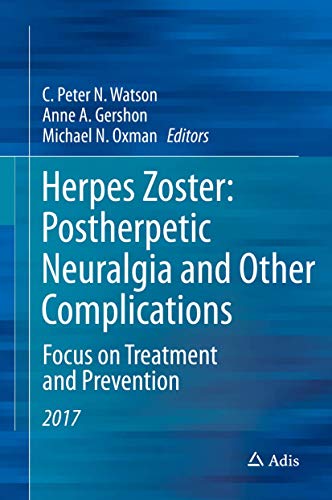
Herpes Zoster: Postherpetic Neuralgia and Other Complications: Focus on Treatment and Prevention
A section on herpes zoster includes epidemiology and natural history of the varicella zoster virus, herpes zoster ophthalmicus, neurological complications, the role of varicella zoster virus in giant

Aspercreme Max Strength Lidocaine Pain Relief Patch (5 Count) for Back Pain, Odor Free Pain Patches
Formulated with 4% lidocaine, the maximum strength available without a prescription, this <strong>maximum strength pain patch penetrates muscles for powerful relief</strong>. Aspercreme Pain Patches w
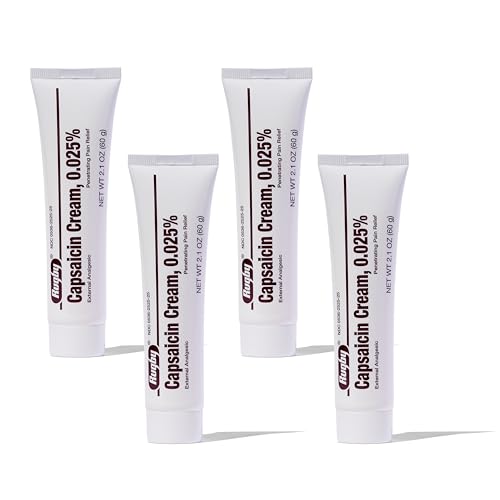
Rugby Capsaicin 0.025% Cream for Penetrating Pain Relief - 2.1 Oz (60g) (6 Pack)
Introducing Rugby Capsaicin 0.025% Cream, <strong>a trusted and reliable penetrating pain relief solution</strong>. This cream is strategically formulated with 0.025% capsaicin, the substance found in
Health Disclaimer
This content is for informational purposes only and does not constitute medical advice. Always consult a qualified healthcare provider before starting, stopping, or changing any supplement or medication regimen.