

Postherpetic Neuralgia
Also known as: PHN, Postherpetic Neuralgia (PHN)
Overview
Postherpetic neuralgia (PHN) is a chronic nerve pain condition that can develop after an outbreak of herpes zoster (shingles), which occurs when the varicella-zoster virus reactivates after earlier chickenpox infection. In PHN, pain persists in the area of the healed shingles rash, typically for months or longer, reflecting lasting irritation or injury to sensory nerves. The pain is often described as burning, stabbing, electric, itching, or hypersensitive, and even light touch from clothing or bedding may feel intensely painful, a phenomenon known as allodynia.
PHN is one of the most recognized complications of shingles and becomes more common with advancing age, especially in older adults. Risk appears to be higher when the original shingles episode is severe, involves intense acute pain, or affects certain nerve distributions. While many cases gradually improve over time, PHN can significantly affect sleep, mood, daily function, and quality of life, making it important as both a neurological and public health issue.
From a clinical standpoint, PHN is generally classified as a form of neuropathic pain, meaning the pain arises from damage or dysfunction in the nervous system rather than ongoing tissue injury alone. Researchers understand PHN as involving a mix of peripheral nerve injury, altered signaling in the spinal cord and brain, and abnormal pain processing after the viral reactivation has resolved. This helps explain why PHN can persist even after the rash has healed and no active skin disease is visible.
The condition is especially relevant because shingles itself is common, and PHN can be difficult to manage once established. Conventional medicine places strong emphasis on prevention through shingles vaccination and on early recognition of shingles. Traditional and integrative systems, meanwhile, often frame PHN as a lingering disturbance of nerve pathways, circulation, vitality, or inflammatory balance, and may focus on long-term support for pain modulation and recovery. Anyone with persistent pain after shingles is generally encouraged to discuss symptoms with a qualified healthcare professional, as pain syndromes may overlap and individualized assessment is important.
Medical Perspectives
Two Ways of Seeing Health

Western
scientific · clinical
Western medicine applies science, technology, and clinical experience to treat symptoms through testing, diagnosis, and targeted intervention.

Eastern
traditional · alternative
Eastern medicine focuses on treating the body naturally by applying traditional knowledge practiced for thousands of years, emphasizing balance and whole-person wellness.
Gold Bamboo presents both perspectives side-by-side so you can make informed decisions. We don't advocate for one over the other — your health choices are yours.
Western Medicine Perspective
Western Medicine Perspective
In conventional medicine, PHN is understood as a complication of herpes zoster caused by injury to sensory nerves and altered pain processing after reactivation of the varicella-zoster virus. Diagnosis is usually clinical, based on a history of shingles followed by persistent pain in the same dermatome after the rash has resolved. Definitions vary somewhat across studies, but PHN is commonly described as pain lasting at least 90 days after rash onset. Clinicians may also evaluate for other causes of neuropathic or regional pain, particularly if the pattern is atypical.
Research indicates that PHN risk increases with older age, more severe rash, intense acute zoster pain, and in some cases immunocompromising conditions. Conventional care focuses on two major areas: prevention and symptom management. Prevention includes widespread use of the recombinant zoster vaccine, which has been shown to reduce the incidence of shingles and PHN. During acute shingles, prompt antiviral therapy may reduce viral replication and acute symptom severity, though the degree to which it prevents PHN has been studied extensively and remains more nuanced than symptom control alone.
For established PHN, treatment approaches commonly include medications used for neuropathic pain, such as certain anticonvulsants, selected antidepressants, and topical therapies including lidocaine or capsaicin in appropriate settings. In refractory cases, pain specialists may consider interventional techniques or multidisciplinary pain management strategies. Even with standard therapies, responses vary, and many patients require a combination of approaches aimed at improving pain, sleep, mood, and function rather than eliminating symptoms completely. Clinical care also often includes monitoring for depression, social isolation, and reduced mobility, which can accompany chronic pain syndromes.
Eastern & Traditional Perspective
Eastern / Traditional Medicine Perspective
In Traditional Chinese Medicine (TCM), pain persisting after shingles is often interpreted not simply as a residual skin problem but as a deeper disturbance involving the channels, collaterals, and flow of qi and blood. Depending on the presentation, traditional patterns may include qi and blood stagnation, lingering heat-toxin, or depletion of underlying yin or vital energy following the acute illness. From this perspective, the burning, stabbing, or hypersensitive character of PHN may reflect obstructed circulation in the channels combined with residual pathogenic influence after the visible rash has faded.
TCM literature has traditionally used approaches such as acupuncture, electroacupuncture, moxibustion, and individualized herbal formulas in an effort to reduce pain, calm nerve irritability, and restore balance. Modern research on acupuncture for PHN is growing, and some studies suggest potential benefit for pain intensity and quality of life, but overall evidence quality remains mixed due to study size, design limitations, and variation in protocols. As a result, integrative discussions usually frame these therapies as adjunctive rather than definitive, with importance placed on individualized assessment and coordination with medical care.
In Ayurveda, persistent nerve pain after an infectious illness may be viewed primarily through the lens of vata imbalance, especially when pain is sharp, shooting, dry, or variable. Traditional interpretations may also consider tissue depletion and impaired resilience after the acute eruption. Management in Ayurvedic and naturopathic traditions has historically emphasized restoring systemic balance, supporting recovery, and addressing stress, sleep, digestion, and overall vitality alongside the pain experience itself.
Across traditional systems, PHN is generally not seen as a one-dimensional problem. Instead, it may be understood as a lingering consequence of disrupted nerve function, impaired circulation, inflammatory residue, or constitutional weakness after shingles. Because PHN can mimic or coexist with other pain conditions, and because herbal and procedural therapies may interact with conventional treatment plans, consultation with appropriately trained practitioners and licensed healthcare providers is important.
Related Topics
Shingles
Shingles — condition topic in the Gold Bamboo health ontology.
How They Relate
Shingles (Herpes Zoster) & Postherpetic Neuralgia (PHN)
Shingles (herpes zoster) is a reactivation of latent varicella‑zoster virus (VZV) in sensory ganglia, producing a painful, dermatomal rash. Postherpetic neuralgia (PHN) is the chronic neuropathic p...
Supplements & Products
Recommended Products
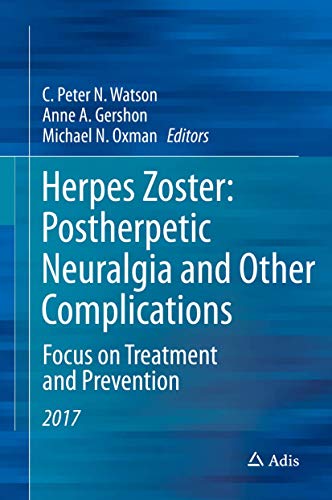
Herpes Zoster: Postherpetic Neuralgia and Other Complications: Focus on Treatment and Prevention
A section on herpes zoster includes epidemiology and natural history of the varicella zoster virus, herpes zoster ophthalmicus, neurological complications, the role of varicella zoster virus in giant

Aspercreme Max Strength Lidocaine Pain Relief Patch (5 Count) for Back Pain, Odor Free Pain Patches
Formulated with 4% lidocaine, the maximum strength available without a prescription, this <strong>maximum strength pain patch penetrates muscles for powerful relief</strong>. Aspercreme Pain Patches w
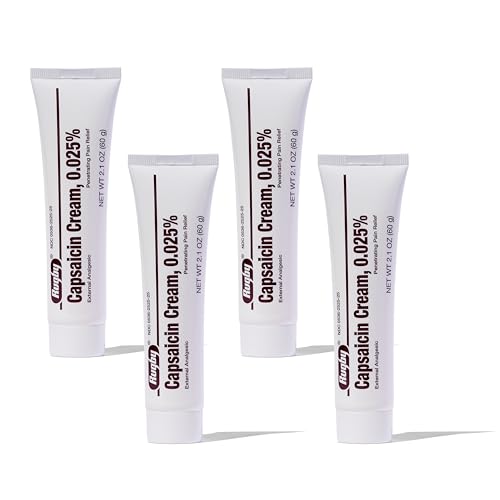
Rugby Capsaicin 0.025% Cream for Penetrating Pain Relief - 2.1 Oz (60g) (6 Pack)
Introducing Rugby Capsaicin 0.025% Cream, <strong>a trusted and reliable penetrating pain relief solution</strong>. This cream is strategically formulated with 0.025% capsaicin, the substance found in
Evidence & Sources
Promising research with growing clinical support from multiple studies
- Centers for Disease Control and Prevention (CDC)
- National Institute of Neurological Disorders and Stroke (NINDS)
- American Academy of Neurology
- New England Journal of Medicine
- Cochrane Database of Systematic Reviews
- Pain
- The Lancet Neurology
- National Center for Complementary and Integrative Health (NCCIH)
This content is for informational purposes only and does not constitute medical advice. Always consult a qualified healthcare provider before starting, stopping, or changing any supplement or medication regimen.