

Rosacea and Small Intestinal Bacterial Overgrowth (SIBO)
Rosacea is a chronic inflammatory facial skin condition marked by flushing, erythema, papules/pustules, and visible blood vessels. Small intestinal bacterial overgrowth (SIBO) is characterized by excessive microbes in the small intestine and is linked to bloating, altered bowel habits, and nutrient issues. Interest in their relationship has grown as research on the gut–skin axis advances. Clinical and epidemiological evidence suggests a connection. A frequently cited randomized trial reported markedly higher SIBO prevalence among people with rosacea than controls and significant improvement or remission of rosacea after rifaximin eradication of SIBO, with relapse tracking SIBO recurrence. Large registry studies also show higher rates of gastrointestinal disorders in rosacea, indirectly supporting a gut–skin link. That said, the evidence base is limited by small sample sizes, variable breath-test methods, selection bias, and inconsistent definitions of SIBO. Replication in larger, rigorously designed studies is still needed. Plausible mechanisms span several gut–skin pathways. Gut dysbiosis may increase intestinal permeability, allowing microbial products like lipopolysaccharide to trigger systemic immune activation. In rosacea, innate immune dysregulation—such as Toll-like receptor 2 signaling and elevated cathelicidin (LL-37)—could be amplified by these circulating signals. Microbial metabolites (short-chain fatty acids, histamine), altered bile acid pools, and neurovascular mediators can influence cutaneous vasodilation and inflammation. Differences in gas producers also matter: hydrogen-predominant SIBO often responds to rifaximin, while methane elevation (now termed intestinal methanogen overgrowth, IMO) is associated with slower transit and may respond less to rifaximin alone. Diagnosis hinges on clinical context. Rosacea patients with prominent gastrointestinal symptoms (post-prandial bloating, excessive gas, diarrhea or constipation, abdominal discomfort),
Updated September 8, 2026This content is for informational purposes only and does not constitute medical advice. Always consult a qualified healthcare provider before starting, stopping, or changing any supplement or medication regimen.
Shared Risk Factors
Gut dysbiosis and altered innate immunity
Moderate EvidenceDisruptions in gut microbial composition are associated with SIBO and may prime systemic inflammation. Rosacea features heightened innate immune responses (e.g., TLR2, cathelicidin) that could be exacerbated by gut-derived inflammatory mediators.
Functional GI disorders (e.g., IBS)
Moderate EvidenceIBS is frequently associated with SIBO in subsets of patients and occurs more often in individuals with rosacea, linking the two conditions epidemiologically.
Proton pump inhibitors (PPIs)/hypochlorhydria
Moderate EvidenceReduced gastric acid can predispose to SIBO. PPIs are common in individuals with comorbid GI complaints; any association with rosacea is indirect.
Dietary patterns (high-FODMAP foods, alcohol)
Emerging ResearchFermentable carbohydrates can worsen gas/bloating in SIBO. Alcohol and spicy foods are known rosacea triggers; high-FODMAP intake may feed overgrowth.
Antibiotic exposure and motility impairment
Emerging ResearchPrior broad-spectrum antibiotics can induce dysbiosis and overgrowth. Small bowel dysmotility increases SIBO risk; autonomic/metabolic comorbidities are more prevalent in some rosacea populations.
Comorbidity Data
Prevalence
In a randomized, placebo-controlled study, approximately 77% of rosacea patients tested positive for SIBO vs ~8% of controls; eradication was associated with marked rosacea improvement and relapse tracked SIBO recurrence. Population data also show elevated GI comorbidity in rosacea.
Mechanistic Link
Gut–skin axis: SIBO-associated dysbiosis may increase intestinal permeability and systemic exposure to microbial products (e.g., LPS), altering bile acid signaling, SCFA balance, histamine load, and neurovascular mediators, which can amplify rosacea’s innate immune and vasodilatory pathways.
Clinical Implications
Screening for SIBO may be reasonable in rosacea patients with significant GI symptoms or refractory disease. Treating confirmed SIBO can improve GI symptoms and may reduce rosacea severity in a subset, but recurrence and variable test performance require cautious, individualized approaches.
Sources (3)
- Parodi A et al. Clin Gastroenterol Hepatol. 2008;6(6):759-764.
- Egeberg A et al. Br J Dermatol. 2017;176(1):100-106.
- Steinhoff M et al. Nat Rev Dis Primers. 2016;2:16070.
Overlapping Treatments
Rifaximin (nonabsorbable antibiotic)
Moderate EvidenceIn SIBO-positive rosacea, trials reported significant improvement or near-remission of skin signs following eradication; relapses paralleled SIBO recurrence.
Effective for hydrogen-predominant SIBO and IBS-D symptoms; minimal systemic absorption.
Recurrence is common; methane-predominant overgrowth may respond less to monotherapy; stewardship considerations and cost apply.
Low-FODMAP diet (short-term, structured)
Emerging ResearchSome patients report reduced flushing/burning and fewer flares, possibly via decreased fermentative load and systemic inflammation.
Reduces gas and bloating by limiting fermentable substrates; strong evidence in IBS symptom relief.
Use short term with reintroduction to avoid long-term microbiota depletion; dietitian guidance recommended.
Probiotics (e.g., Lactobacillus/Bifidobacterium, selected spore-formers)
Emerging ResearchMay modulate systemic inflammation and support skin barrier; preliminary data suggest fewer flares in some individuals.
Can enhance barrier function and reduce GI symptoms in dysbiosis; mixed results for SIBO eradication.
Strain-specific effects; potential bloating; caution in severe immunocompromise or central line presence.
Herbal antimicrobials (e.g., berberine-containing formulas, oregano oil)
Emerging ResearchTraditional anti-inflammatory/antimicrobial effects may indirectly reduce triggers of facial inflammation in SIBO-positive patients.
Observational data suggest similar effectiveness to rifaximin for some SIBO cases.
Quality variability, herb–drug interactions (e.g., CYP3A4, P-gp), and GI side effects; clinical supervision advised.
Prokinetic strategies (e.g., prucalopride, low-dose erythromycin; ginger in integrative care)
Emerging ResearchBy reducing SIBO recurrence and post-prandial symptoms, may indirectly lessen potential gut-derived inflammatory inputs to skin.
Support migrating motor complex, potentially lowering SIBO relapse risk.
Medication-specific risks; herbal doses and quality vary; clinician guidance needed.
Mediterranean/anti-inflammatory dietary pattern and alcohol moderation
Emerging ResearchAssociated with reduced systemic inflammation; moderation of alcohol can lessen flushing and flares.
Fiber diversity supports microbial resilience; healthy fats may benefit gut barrier and bile acid signaling.
Individual trigger variability; align with personal health status and nutrition needs.
Medical Perspectives
Two Ways of Seeing Health

Western
scientific · clinical
Western medicine applies science, technology, and clinical experience to treat symptoms through testing, diagnosis, and targeted intervention.
Surgeons · Pharmaceuticals · Clinical trials · Diagnostics 
Eastern
traditional · alternative
Eastern medicine focuses on treating the body naturally by applying traditional knowledge practiced for thousands of years, emphasizing balance and whole-person wellness.
Acupuncture · Herbal medicine · Yoga · Meditation
Gold Bamboo presents both perspectives side-by-side so you can make informed decisions. We don't advocate for one over the other — your health choices are yours.
Two Ways of Seeing Health
Western
scientific · clinical
Western medicine applies science, technology, and clinical experience to treat symptoms through testing, diagnosis, and targeted intervention.
Eastern
traditional · alternative
Eastern medicine focuses on treating the body naturally by applying traditional knowledge practiced for thousands of years, emphasizing balance and whole-person wellness.
Gold Bamboo presents both perspectives side-by-side so you can make informed decisions. We don't advocate for one over the other — your health choices are yours.
Western Perspective
Western medicine recognizes growing, albeit imperfect, evidence linking SIBO with rosacea via the gut–skin axis. A randomized trial and observational studies suggest higher SIBO prevalence in rosacea and symptom improvement after SIBO eradication. However, diagnostic limitations (breath-test variability) and small samples temper conclusions.
Key Insights
- Rosacea cohorts show higher SIBO positivity than controls in some studies, and rifaximin treatment improved rosacea when SIBO was eradicated.
- Gastrointestinal comorbidities (IBS, IBD, celiac) are elevated in rosacea populations, supporting shared pathways of mucosal immune dysregulation.
- Breath testing (glucose/lactulose) has false positives/negatives; standardization via North American Consensus helps but does not eliminate variability.
- Hydrogen- vs methane-predominant patterns have different treatment responses; methane often needs combination therapy.
- Recurrence after successful SIBO treatment is common; motility and diet influence durability of response.
Treatments
- Confirm SIBO with breath testing when suspicion is high; consider rifaximin for hydrogen-predominant cases.
- Address risk factors (unnecessary PPIs, constipation, diet); consider prokinetics to reduce relapse.
- Use dietary strategies (low-FODMAP short-term, Mediterranean reintroduction phase) with dietitian support.
- Continue guideline-based rosacea care (topicals, lasers, anti-inflammatory doses of tetracyclines) alongside gut-focused care.
Deep Dive
From a western clinical standpoint, interest in the rosacea–SIBO connection grew after a randomized, placebo-controlled study reported markedly ... From a western clinical standpoint, interest in the rosacea–SIBO connection grew after a randomized, placebo-controlled study reported markedly higher SIBO rates among individuals with rosacea and significant dermatologic improvement after rifaximin eradication. These findings fit with broader epidemiology showing elevated gastrointestinal comorbidities in rosacea, including IBS and celiac disease. Mechanistically, the gut–skin axis offers plausible links: small-bowel overgrowth can shift microbial metabolites (e.g., short-chain fatty acids, histamine) and alter bile acid pools, while increasing intestinal permeability. Translocation of microbial products such as LPS may amplify systemic innate immune signaling. In rosacea, heightened Toll-like receptor 2 activity and dysregulated cathelicidin processing are central; gut-derived inflammatory cues could intensify these pathways, contributing to flushing, papules, and persistent erythema. Neurovascular mediators from the enteric nervous system and vagal pathways may further modulate facial vasodilation. Diagnostic implications are practical but nuanced. Breath testing remains the noninvasive standard, with glucose tests offering higher specificity and lactulose tests greater sensitivity to distal overgrowth—but both are constrained by false positives (rapid transit, oral fermentation) and false negatives. The North American Consensus provides standard protocols and methane cutoffs, recognizing that methane-predominant patterns (intestinal methanogen overgrowth) differ in pathophysiology and treatment response. In clinic, testing is most informative when rosacea coexists with prominent post-prandial bloating, excessive gas, and bowel habit changes, or when disease remains refractory to dermatologic therapy. Red flags such as weight loss, anemia, or GI bleeding warrant gastroenterology referral. Therapeutically, treating confirmed SIBO can improve GI symptoms and may reduce rosacea severity in a subset of patients. Rifaximin is effective for hydrogen-predominant overgrowth; however, recurrence is common, and methane elevation often requires combination regimens. Dietary strategies—short-term low-FODMAP with structured reintroduction, followed by a diverse Mediterranean pattern—address fermentative load and support long-term microbiome resilience. Probiotics, prokinetics, and selective herbal antimicrobials are adjuncts with growing but still limited evidence. Antibiotic stewardship, cost, safety, and the risk-benefit balance should guide decisions. Overall, the link is biologically plausible and clinically relevant for selected patients, yet larger, rigorous trials are needed to clarify who benefits most and how durable the skin response is after SIBO-directed care.
Sources
- Parodi A et al. Clin Gastroenterol Hepatol. 2008;6(6):759-764.
- Rezaie A et al. Am J Gastroenterol. 2017;112:775-784.
- Pimentel M et al. Am J Gastroenterol. 2020;115:165-178.
- Egeberg A et al. Br J Dermatol. 2017;176(1):100-106.
- Steinhoff M et al. Nat Rev Dis Primers. 2016;2:16070.
Eastern Perspective
Traditional systems long describe a gut–skin connection. In Traditional Chinese Medicine (TCM), facial redness and papulopustules align with patterns of stomach/spleen heat, damp-heat, and blood-heat; therapy focuses on clearing heat, resolving dampness, and harmonizing the middle burner. Ayurveda views rosacea as Pitta aggravation with Ama (metabolic byproducts) from impaired Agni (digestion); treatment cools Pitta, enhances digestion, and restores gut balance. Naturopathic approaches emphasize microbiome restoration, motility, and anti-inflammatory nutrition.
Key Insights
- Herbal agents with antimicrobial and anti-inflammatory actions (e.g., berberine-containing Coptis, Scutellaria; bitter tonics) are used to rebalance gut ecology and reduce heat/damp patterns.
- Dietary guidance emphasizes cooling, minimally processed foods; limiting alcohol, chili, and very hot beverages to reduce facial flushing.
- Mind–gut–skin connections are addressed with stress-reduction practices (breathwork, yoga, meditation) that may modulate neurovascular reactivity.
- Gentle prokinetic herbs (ginger, artichoke) and bitters are used around meals to support motility and bile flow.
Treatments
- TCM formulas individualized to pattern (e.g., Huang Lian Jie Du Tang variants for heat-toxin; modifications for damp-heat) under licensed practitioners.
- Ayurvedic Pitta-pacifying diet; herbs such as Guduchi, Neem, Amalaki, and Triphala to support digestion and reduce Ama.
- Targeted botanicals for dysbiosis (Coptis/berberine, oregano, thyme) with clinical monitoring.
- Probiotics and fermented foods as tolerated, introduced cautiously in those with bloating.
Deep Dive
Traditional perspectives have long framed facial redness and papulopustules within a digestive context. In TCM, rosacea patterns often reflect s... Traditional perspectives have long framed facial redness and papulopustules within a digestive context. In TCM, rosacea patterns often reflect stomach/spleen heat with dampness or blood-heat. Overeating hot, spicy, or alcoholic foods engenders internal heat and stagnation, which can rise to the face as flushing and inflammatory lesions. Harmonizing the middle burner—clearing heat, resolving dampness, moving qi and blood—has been a mainstay, using formulas tailored to the individual (e.g., berberine-rich Coptis for heat-toxin, Scutellaria for damp-heat) and diet emphasizing cooling, simple, easily digested foods. These strategies, by restoring gut balance and motility, align with modern concepts of reducing dysbiosis and inflammatory signaling from the intestine. Ayurveda similarly attributes rosacea-like presentations to aggravated Pitta with Ama accumulation from impaired Agni (digestive fire). Management cools and soothes Pitta—favoring bitter, astringent, and sweet tastes—while enhancing digestion and elimination. Herbs like Guduchi and Amalaki support detoxification and tissue resilience; Triphala and mild bitters promote regular motility. The mind–gut–skin triad is addressed through meditation, pranayama, and sleep hygiene, which may temper neurovascular reactivity and stress-driven flares. Naturopathic and integrative clinicians operationalize these principles using modern tools: short-term reduction of fermentable substrates to quell symptoms, cautious introduction of probiotics to rebuild mucosal defenses, and botanicals such as berberine or oregano to rebalance microbial communities. Gentle prokinetics (ginger, artichoke) and bitters before meals support gastric and biliary phases, potentially reducing recurrence of overgrowth. While the evidence base is still emerging, these approaches resonate with patients seeking root-cause frameworks and can be coordinated with conventional dermatology (topicals, lasers, sub-antimicrobial doxycycline). Safety, herb–drug interactions, and personalization remain central. Together, traditional systems anticipate the contemporary gut–skin hypothesis: by cooling excess heat and restoring digestive harmony, the skin may regain balance as well.
Sources
- Classical sources: Huang Di Nei Jing; Charaka Samhita (Pitta and Agni/Ama concepts).
- Bowe WP, Logan AC. Gut Pathog. 2011;3:1 (gut–brain–skin narrative).
- Modern reviews on berberine and GI dysbiosis (various clinical and preclinical studies).
Evidence Ratings
SIBO prevalence is higher in rosacea than in matched controls.
Parodi A et al. Clin Gastroenterol Hepatol. 2008;6(6):759-764.
Eradication of SIBO with rifaximin can significantly improve rosacea severity in SIBO-positive patients.
Parodi A et al. Clin Gastroenterol Hepatol. 2008;6(6):759-764.
Hydrogen versus methane patterns on breath tests predict differing antibiotic responses (methane/IMO often needs combination therapy).
Rezaie A et al. Am J Gastroenterol. 2017;112:775-784. North American Consensus.
Breath testing for SIBO has important limitations, including false positives from rapid transit and oral fermentation.
Rezaie A et al. Am J Gastroenterol. 2017;112:775-784.
Low-FODMAP diet reduces IBS symptoms and fermentative load; evidence for direct rosacea improvement is limited.
Ford AC et al. Am J Gastroenterol. 2014;109:136-145 (IBS diet evidence).
Herbal antimicrobials may reduce SIBO symptoms and have comparable effectiveness to rifaximin in observational data.
Chedid V et al. Glob Adv Health Med. 2014;3(3):16-24.
Rosacea pathophysiology involves innate immune activation and neurovascular dysregulation that could be influenced by gut-derived mediators.
Steinhoff M et al. Nat Rev Dis Primers. 2016;2:16070.
Sources
- Parodi A, Paolino S, et al. Small intestinal bacterial overgrowth in rosacea: clinical effectiveness of its eradication. Clin Gastroenterol Hepatol. 2008;6(6):759-764.
- Rezaie A, Buresi M, Lembo A, et al. Hydrogen and Methane-Based Breath Testing in Gastrointestinal Disorders: The North American Consensus. Am J Gastroenterol. 2017;112:775-784.
- Pimentel M, Saad R, Long M, Rao S. ACG Clinical Guideline: Small Intestinal Bacterial Overgrowth. Am J Gastroenterol. 2020;115:165-178.
- Egeberg A, Weinstock LB, et al. Rosacea and gastrointestinal disorders: a population-based cohort study. Br J Dermatol. 2017;176(1):100-106.
- Steinhoff M, Schauber J, Leyden JJ. New insights into rosacea pathophysiology. Nat Rev Dis Primers. 2016;2:16070.
- Ford AC, Moayyedi P, et al. Efficacy of the low FODMAP diet in IBS: systematic review and meta-analysis. Am J Gastroenterol. 2014;109:136-145.
- Chedid V, Dhalla S, Clarke JO, et al. Herbal therapy is equivalent to rifaximin for the treatment of small intestinal bacterial overgrowth. Glob Adv Health Med. 2014;3(3):16-24.
- Bowe WP, Logan AC. Acne, probiotics and the gut–brain–skin axis. Gut Pathog. 2011;3:1.
Related Topics
Recommended Products
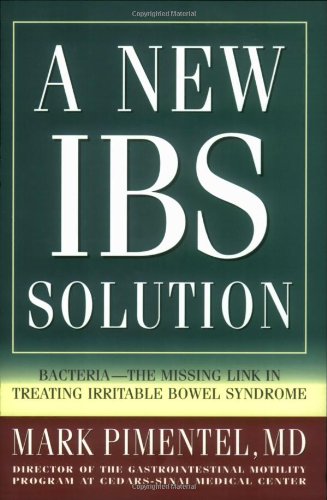
A New IBS Solution: Mark Pimentel
Pimentel believes that the "missing ... intestine. A New IBS Solution <strong>takes you through the historical evolution of conventional medicine's view on IBS in a way that can be easily un

Atrantil 90 Capsules-Antioxidant Packed Polyphenol for Bloating and Gas Relief, Abdominal Discomfort, Constipation, Diarrhea, Postbiotic, Change in Bowel Habits and Everyday Digestive Health.
Formulated by a board-certified gastroenterologist, Atrantil naturally and safely gets to the root cause of the problem in the small intestine. As a result, Atrantil <strong>stops methane production a
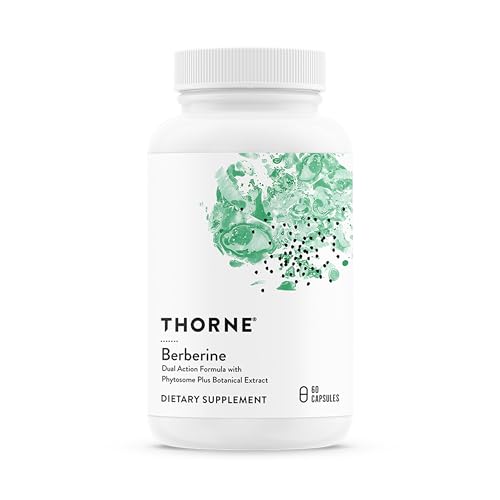
THORNE - Berberine - Dual Action Formula with Phytosome Plus Botanical Extract - Support Heart Health, Immune System, Healthy GI & Cholesterol* - Gluten-Free - 30 Servings
Buy THORNE - Berberine - Dual Action Formula with Phytosome Plus Botanical Extract - Support Heart Health, Immune System, Healthy GI & Cholesterol* - Gluten-Free - 30 Servings on Amazon.com ✓ FREE
Health Disclaimer
This content is for informational purposes only and does not constitute medical advice. Always consult a qualified healthcare provider before starting, stopping, or changing any supplement or medication regimen.