

Polycystic Ovary Syndrome (PCOS) and Infertility
Polycystic ovary syndrome (PCOS) is a common endocrine condition affecting roughly 8–13% of reproductive-aged people with ovaries. It is the leading identifiable cause of anovulatory infertility. Understanding how PCOS and infertility connect helps individuals and clinicians select timely, safe, and effective paths to conception. Biologically, PCOS disrupts normal ovulation through a combination of insulin resistance, excess androgens (hyperandrogenism), altered pituitary signaling, and distinctive ovarian follicle patterns. Insulin resistance stimulates the ovaries’ theca cells to produce more androgens, which stall follicle maturation and ovulation. Many people with PCOS also show polycystic ovarian morphology on ultrasound and elevated anti-Müllerian hormone, both reflecting increased small follicles that fail to progress. The result is infrequent or absent ovulation, making conception less likely without treatment. Infertility in PCOS is common but highly modifiable. The chances of conception depend on age, body mass index (BMI), and metabolic health. Modest weight loss and improved insulin sensitivity can restore spontaneous ovulation in some. Diagnostic assessment typically follows the Rotterdam criteria (two of: ovulatory dysfunction, hyperandrogenism, polycystic ovaries) while excluding other causes; fertility workups also include partner semen analysis and targeted labs (androgens, thyroid and prolactin) and imaging (transvaginal ultrasound, with anti-Müllerian hormone increasingly used to support diagnosis in adults). Evidence-based fertility treatments are well established. Letrozole is generally the first-line ovulation induction agent in PCOS and yields higher live birth rates than clomiphene. Clomiphene remains a reasonable alternative. Metformin primarily improves metabolic features and can assist ovulation, especially when combined with clomiphene. When oral agents are insufficient, gonadotropin injections can induce ovulation but require careful
Updated September 8, 2026This content is for informational purposes only and does not constitute medical advice. Always consult a qualified healthcare provider before starting, stopping, or changing any supplement or medication regimen.
Shared Risk Factors
Insulin resistance and metabolic syndrome
Strong EvidenceInsulin resistance increases ovarian androgen production and impairs follicle maturation, central to PCOS pathophysiology and a driver of anovulatory infertility.
Excess adiposity (higher BMI) and adipokine dysregulation
Strong EvidenceAdiposity amplifies insulin resistance and inflammation, aggravating PCOS hormonal imbalance and ovulatory dysfunction; it also independently lowers fecundity.
Hyperandrogenism
Strong EvidenceElevated androgens are a diagnostic feature of PCOS and directly impair follicular development and ovulation.
Chronic low-grade inflammation and oxidative stress
Moderate EvidencePeople with PCOS often exhibit inflammatory markers that can disrupt ovarian function and endometrial receptivity.
Thyroid autoimmunity/dysfunction
Moderate EvidenceAutoimmune thyroid disease occurs more often in PCOS than in the general population; thyroid dysfunction is a recognized cause of subfertility.
Sleep disturbance/obstructive sleep apnea (OSA) and circadian disruption
Emerging ResearchOSA and short sleep are more prevalent in PCOS and are associated with insulin resistance and reproductive hormone dysregulation.
Comorbidity Data
Prevalence
PCOS affects ~8–13% of reproductive-aged individuals depending on criteria; it accounts for about 70–80% of anovulatory infertility. Many with PCOS seeking pregnancy report subfertility, but rates vary by age, BMI, and phenotype.
Mechanistic Link
Insulin resistance and hyperandrogenism arrest follicular maturation and reduce ovulation; elevated LH:FSH signaling and polycystic ovarian morphology contribute, with high AMH reflecting increased small follicles that fail to progress. Endometrial receptivity can be impaired by metabolic and inflammatory pathways.
Clinical Implications
Early identification of anovulation guides use of ovulation induction (letrozole first-line). Metabolic optimization (weight, glycemia, BP) improves natural and treatment-related fertility and reduces pregnancy risks. ART is effective but requires strategies to minimize OHSS in PCOS.
Sources (3)
- Teede HJ et al. International evidence-based guideline for the assessment and management of PCOS (2018; 2023 update).
- Legro RS et al. NEJM 2014: Letrozole vs clomiphene in PCOS.
- Bozdag G et al. Hum Reprod 2016: PCOS prevalence meta-analysis.
Overlapping Treatments
Lifestyle modification (nutrition, physical activity, weight management)
Strong EvidenceImproves insulin sensitivity, menstrual regularity, and androgen profile; may restore spontaneous ovulation.
Increases chances of natural conception and enhances response to ovulation induction/ART; reduces pregnancy complications.
Weight change should be individualized and supported; monitor for disordered eating risk; coordinate with fertility timelines.
Letrozole (aromatase inhibitor)
Strong EvidencePromotes mono-ovulation without worsening antiestrogenic effects on endometrium.
Higher ovulation and live birth rates than clomiphene in PCOS; often first-line for anovulatory infertility.
Requires pregnancy testing/monitoring; multiple gestation risk is lower than with gonadotropins but not zero.
Clomiphene citrate (selective estrogen receptor modulator)
Moderate EvidenceInduces ovulation in many with PCOS, though antiestrogenic endometrial effects can occur.
Improves pregnancy rates vs. no treatment; alternative when letrozole unavailable or unsuitable.
Risk of thin endometrium and multiple gestation; typically limited to a set number of cycles with monitoring.
Metformin (insulin-sensitizer)
Moderate EvidenceImproves insulin resistance and may lower androgens; can restore menses in some.
Alone, less effective than letrozole/clomiphene for live birth; combination with clomiphene can improve ovulation and reduce OHSS risk in IVF.
Gastrointestinal side effects; monitor renal function and B12 over time.
Gonadotropin ovulation induction (FSH with/without LH)
Strong EvidenceDirectly stimulates follicular growth when oral agents fail.
Effective with careful low-dose protocols; per-cycle pregnancy often in the mid-teens to low 20% range in appropriately selected patients.
Requires close monitoring to reduce multiple pregnancy and OHSS risk.
Laparoscopic ovarian drilling (LOD)
Moderate EvidenceReduces ovarian androgen production and may re-establish ovulation.
Comparable pregnancy rates to gonadotropins in some studies with lower multiple rates.
Surgical risks and potential adhesions; effect may wane; avoid excessive cautery to protect ovarian reserve.
In vitro fertilization (IVF) with OHSS-minimizing protocols
Strong EvidenceBypasses ovulatory dysfunction; allows single-embryo transfer.
High effectiveness with age-appropriate success; antagonist protocols with GnRH agonist trigger lower OHSS risk in PCOS.
Increased OHSS susceptibility; requires experienced ART team and individualized stimulation.
Inositol (myo-inositol ± D-chiro-inositol)
Moderate EvidenceMay improve insulin signaling and menstrual cyclicity.
Some trials suggest improved ovulation and clinical pregnancy, including in ART settings.
Product quality varies; evidence heterogeneous; coordinate with medical therapy.
Medical Perspectives
Two Ways of Seeing Health

Western
scientific · clinical
Western medicine applies science, technology, and clinical experience to treat symptoms through testing, diagnosis, and targeted intervention.
Surgeons · Pharmaceuticals · Clinical trials · Diagnostics 
Eastern
traditional · alternative
Eastern medicine focuses on treating the body naturally by applying traditional knowledge practiced for thousands of years, emphasizing balance and whole-person wellness.
Acupuncture · Herbal medicine · Yoga · Meditation
Gold Bamboo presents both perspectives side-by-side so you can make informed decisions. We don't advocate for one over the other — your health choices are yours.
Two Ways of Seeing Health
Western
scientific · clinical
Western medicine applies science, technology, and clinical experience to treat symptoms through testing, diagnosis, and targeted intervention.
Eastern
traditional · alternative
Eastern medicine focuses on treating the body naturally by applying traditional knowledge practiced for thousands of years, emphasizing balance and whole-person wellness.
Gold Bamboo presents both perspectives side-by-side so you can make informed decisions. We don't advocate for one over the other — your health choices are yours.
Western Perspective
Western medicine identifies PCOS as a major, treatable cause of anovulatory infertility. Mechanisms include insulin resistance, hyperandrogenism, altered gonadotropin signaling, and polycystic ovarian morphology. Assessment follows standardized criteria (Rotterdam) with exclusion of mimicking disorders, and fertility management proceeds from lifestyle optimization to tiered ovulation induction and, when needed, ART.
Key Insights
- PCOS accounts for most cases of anovulatory infertility; yet many achieve pregnancy with appropriate therapy.
- Letrozole is first-line for ovulation induction in PCOS and yields higher live birth rates than clomiphene.
- Metabolic health (BMI, insulin resistance) strongly influences natural fecundity and treatment outcomes.
- Gonadotropins and IVF are effective but require strategies to mitigate multiple gestation and OHSS in PCOS.
- Pregnancy in PCOS carries elevated risks (GDM, hypertensive disorders) that benefit from early risk assessment.
Treatments
- Lifestyle modification (dietary pattern, physical activity, weight management)
- Letrozole or clomiphene for ovulation induction
- Metformin as adjunct for metabolic and ovulatory benefits
- Low-dose gonadotropins ± IUI with careful monitoring
- IVF with antagonist protocols and OHSS prevention
Deep Dive
From a western clinical perspective, PCOS is a multifactorial endocrine disorder that disrupts ovulation and thereby contributes to subfertility... From a western clinical perspective, PCOS is a multifactorial endocrine disorder that disrupts ovulation and thereby contributes to subfertility. Insulin resistance, present in many with PCOS across the BMI spectrum, stimulates theca cells to produce excess androgens. In turn, hyperandrogenism impairs granulosa cell function and follicle maturation, and a relative increase in LH signaling favors androgen production over estradiol synthesis. The follicular cohort accumulates as small antral follicles—visible as polycystic ovarian morphology—without selection of a dominant follicle, leading to oligo- or anovulation. Endometrial receptivity can also be affected by metabolic and inflammatory changes. Diagnosis uses Rotterdam criteria (two of: ovulatory dysfunction, clinical/biochemical hyperandrogenism, polycystic ovaries) after excluding thyroid disease, hyperprolactinemia, non-classic congenital adrenal hyperplasia, and other mimickers. Anti-Müllerian hormone and transvaginal ultrasound help characterize ovarian reserve and morphology, while partner semen analysis is a standard early step in fertility evaluation. Prognosis hinges on age, BMI, and metabolic status; small improvements in weight and insulin sensitivity often translate into improved ovulation and better responses to treatment. Treatment follows a stepwise approach. Lifestyle optimization supports metabolic health and can restore spontaneous ovulation for some. Letrozole is generally first-line for ovulation induction in PCOS and outperforms clomiphene in live birth rates, while clomiphene remains a reasonable alternative. Metformin primarily addresses insulin resistance and can aid ovulation, especially in combination with clomiphene, and may reduce OHSS risk in IVF cycles. Low-dose gonadotropins are effective second-line options, requiring close ultrasound and hormonal monitoring to minimize multiple pregnancy. When these measures are insufficient or other factors coexist, IVF provides high success rates with single-embryo transfer; antagonist protocols and GnRH agonist triggers are preferred to lower OHSS risk in PCOS. Throughout, preconception optimization—blood pressure, glycemia, thyroid function, and a prenatal vitamin—supports healthy conception and pregnancy. Pregnancy in PCOS carries higher risks of gestational diabetes and hypertensive disorders, making early risk assessment and coordinated obstetric care important.
Sources
- Teede HJ et al. International evidence-based guideline for PCOS (2018; 2023 update).
- Legro RS et al. NEJM 2014.
- ASRM/ESHRE guidance on ovulation induction and ovarian stimulation.
- Cochrane reviews on aromatase inhibitors, gonadotropins, and ovarian drilling.
Eastern Perspective
Traditional systems frame PCOS-related infertility as a disturbance of systemic harmony that impairs the menstrual-ovarian axis. In Traditional Chinese Medicine (TCM), common patterns include phlegm-damp accumulation, liver qi stagnation, and kidney deficiency; treatments aim to transform phlegm, move qi, and tonify kidney to restore regular ovulation. Ayurveda relates PCOS to Kapha-dominant imbalance with artava (reproductive tissue) dysfunction; therapies seek to reduce Kapha, support agni (metabolic fire), and balance Vata for cycle regularity. Integrative approaches often combine acupuncture, dietary/lifestyle practices, and selected botanicals with biomedical care.
Key Insights
- Acupuncture is used to modulate hypothalamic–pituitary–ovarian signaling, improve insulin sensitivity, and reduce stress; clinical evidence is mixed but suggests possible benefits for ovulation and quality of life.
- TCM herbal formulas are individualized to pattern (e.g., phlegm-damp), aiming to regulate menses and support ovulation; modern trials vary in quality.
- Ayurvedic care emphasizes kapha-reducing diet, gentle exercise, stress management, and herbs such as Shatavari or Ashoka, with limited but growing clinical research.
- Integrative care plans are coordinated with pharmacologic ovulation induction to avoid interactions and support adherence.
Treatments
- Acupuncture (e.g., manual or electroacupuncture protocols focused on pelvic and stress-regulation points)
- TCM herbal formulas tailored to pattern (e.g., Cang Fu Dao Tan Tang; Bushen Tiaojing approaches)
- Ayurvedic lifestyle (mindful diet, yoga, stress reduction) and selected botanicals (e.g., Shatavari)
- Mind–body practices (meditation, tai chi/qigong) to reduce stress and support sleep
Deep Dive
Traditional and integrative frameworks view PCOS-related infertility as a systemic pattern of disharmony that obstructs the menstrual-ovarian ax... Traditional and integrative frameworks view PCOS-related infertility as a systemic pattern of disharmony that obstructs the menstrual-ovarian axis. In Traditional Chinese Medicine, phlegm-damp accumulation often corresponds to insulin resistance and weight gain; liver qi stagnation reflects stress-related cycle irregularity; and kidney deficiency parallels reduced reproductive vitality. Clinical practice individualizes treatment to the dominant pattern. Formulas that transform phlegm and move qi are combined with tonics to nourish kidney essence, aiming to restore regular ovulation. Acupuncture protocols commonly target pelvic blood flow and neuroendocrine regulation, while also addressing stress through points that calm the spirit. Modern studies suggest acupuncture may modulate hypothalamic–pituitary–ovarian signaling and improve insulin sensitivity, with mixed clinical results compared to established pharmacologic therapies. Ayurveda interprets PCOS as a Kapha-dominant imbalance with involvement of Vata and Pitta. Therapies emphasize kapha-reducing diet, gentle exercise, sleep hygiene, and herbs such as Shatavari (supporting reproductive tissue) and Ashoka (cycle regulation). Panchakarma and mind–body practices (yoga, pranayama, meditation) aim to reduce stress and improve metabolic balance. While historical and contemporary clinical reports describe improved cycle regularity and fertility, randomized trials remain limited and heterogeneous. In integrative care, eastern therapies complement biomedical treatment: acupuncture to reduce stress and support ovulatory function during letrozole or gonadotropin cycles; dietary and mind–body practices to improve insulin sensitivity and adherence; and carefully selected botanicals or inositol supplements coordinated with medical teams to minimize interactions. The shared goal is to harmonize internal regulation while leveraging evidence-based ovulation induction and ART when appropriate, informed by individual values, safety, and evolving evidence.
Sources
- Lim CE et al. systematic reviews on acupuncture for PCOS-related outcomes.
- Ried K. Complement Ther Med 2011; subsequent updates.
- Ayurvedic and TCM classical texts with contemporary clinical reports; modern RCTs with mixed quality.
Evidence Ratings
PCOS is the leading cause of anovulatory infertility, accounting for ~70–80% of cases.
Teede HJ et al. International PCOS Guideline 2018/2023.
Letrozole yields higher live birth rates than clomiphene for ovulation induction in PCOS.
Legro RS et al. N Engl J Med 2014.
Lifestyle-based weight reduction improves ovulation and pregnancy likelihood in PCOS.
Moran LJ et al. Cochrane Review 2011; updates and guideline consensus 2018/2023.
Metformin improves ovulation in PCOS and is useful as an adjunct to clomiphene or in IVF to reduce OHSS risk.
Cochrane reviews; ASRM/ESHRE guidance on ovulation induction and OHSS prevention.
Gonadotropins are effective for ovulation induction in PCOS but carry higher multiple gestation and OHSS risks without careful protocols.
ASRM/ESHRE ovulation induction and ovarian stimulation guidance.
Laparoscopic ovarian drilling achieves pregnancy rates comparable to gonadotropins in selected PCOS patients, with lower multiple rates.
Cochrane Review on ovarian drilling (Farquhar et al.).
Inositol supplements may improve ovulation and clinical pregnancy in PCOS, including in ART settings.
Pundir J et al. systematic review/meta-analysis; Unfer V et al. reviews.
Acupuncture may improve ovulation and menstrual regularity in PCOS, but evidence is mixed compared with active treatments.
Lim CE et al. systematic reviews on acupuncture in PCOS.
Sources
- Teede HJ, Misso ML, Costello MF, et al. International evidence-based guideline for the assessment and management of polycystic ovary syndrome (2018; 2023 update). Monash University/ESHRE/ASRM.
- Legro RS, Brzyski RG, et al. Letrozole versus Clomiphene for Infertility in the Polycystic Ovary Syndrome. N Engl J Med. 2014;371:119–129.
- Bozdag G, Mumusoglu S, et al. The prevalence and phenotypic features of PCOS: a systematic review and meta-analysis. Hum Reprod. 2016;31(12):2841–2855.
- Franik S, Kremer JA, Nelen WL et al. Aromatase inhibitors for subfertility in women with PCOS. Cochrane Database Syst Rev. 2014/2018 update.
- Farquhar C, Brown J, Marjoribanks J. Laparoscopic ovarian drilling for ovulation induction in anovulatory PCOS. Cochrane Database Syst Rev. 2012/2019 update.
- ASRM Practice Committee; ESHRE Guideline Group. Guidance on ovulation induction and ovarian stimulation; prevention and treatment of OHSS (multiple publications, 2016–2021).
- Moran LJ, et al. Lifestyle interventions in women with PCOS. Cochrane Database Syst Rev. 2011; guideline consensus 2018/2023.
- Pundir J, Psaltis A, et al. Inositol treatment of anovulation in PCOS: systematic review and meta-analysis. Reprod Biomed Online. 2018.
- Lim CE, Wong WS, et al. Acupuncture for polycystic ovarian syndrome: systematic reviews/meta-analyses (various, 2010–2019).
- Song R, et al. Increased prevalence of Hashimoto’s thyroiditis in PCOS: a meta-analysis. Endocrine. 2016.
- Roos N, et al. Risk of adverse pregnancy outcomes in women with PCOS: population-based cohort/meta-analyses (2011–2019).
Related Topics
Recommended Products
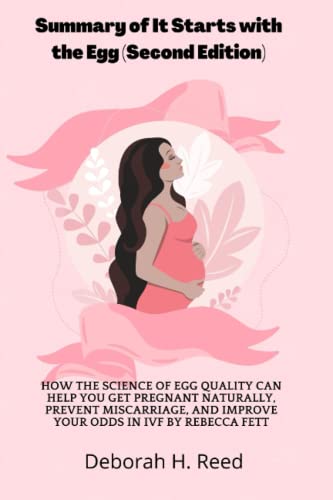
It Starts with the Egg: How the Science of Egg Quality Can Help You Get Pregnant Naturally, Prevent Miscarriage, and Improve Your Odds in IVF: Fett, Rebecca
"Rebecca Fett's first edition of 'It Starts with the Egg' <strong>revolutionized the way the fertility community viewed supplements and the impact of environmental toxins on reprod
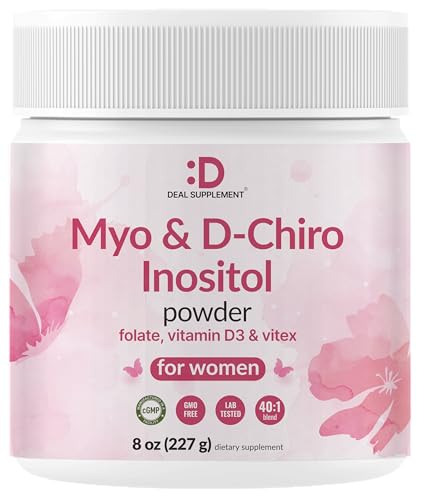
Myo-Inositol & D-Chiro Inositol Supplement for Women (40:1) | 2,050mg Per Serving | 240 Veggie Capsules | with Folate, Vitamin D3 & Vitex | Hormonal Balance & Cycle Support | Non-GMO
Supply & Servings – 240 veggie ... up to 60 days. Purpose – A 40:1 ratio with both forms <strong>provides optimal benefits and more bioavailability within the body</strong>....
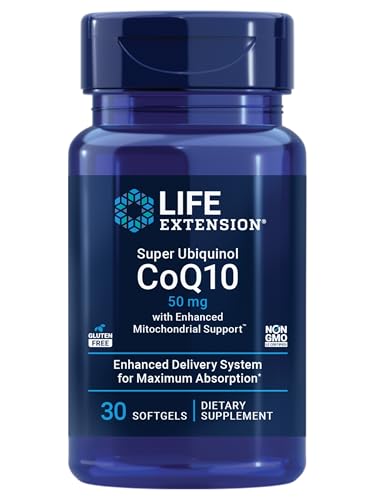
Life Extension Super Ubiquinol CoQ10 with Enhanced Mitochondrial Support – 200 mg, Shilajit – Promotes Heart Health, Cell Energy, Oxidative Stress – Gluten-Free, Non-GMO – 30 Softgels
So we developed a CoQ10 formula that uses ubiquinol: <strong>an unoxidized form of CoQ10 that helps quench free radicals, and supports heart and liver health</strong>. CoQ10 is also good for relieving
Health Disclaimer
This content is for informational purposes only and does not constitute medical advice. Always consult a qualified healthcare provider before starting, stopping, or changing any supplement or medication regimen.