

Chemotherapy and Neutropenia
Chemotherapy refers to cytotoxic medicines used to treat cancer. Neutropenia is a low level of neutrophils, a type of white blood cell crucial for fighting bacterial and fungal infections. The most direct link between the two is chemotherapy-induced myelosuppression: many chemotherapy agents damage rapidly dividing cells in the bone marrow, temporarily reducing neutrophil production. The risk depends on the specific regimen and patient factors. Anthracycline–taxane combinations (such as AC→T or TAC), topotecan, dose-dense schedules, and many hematologic-oncology regimens (e.g., AML induction) carry high risk, while some regimens pose intermediate or lower risk. Neutrophil counts typically fall to a nadir about 7–14 days after a chemotherapy dose and usually recover by the start of the next 3‑week cycle, though hematologic regimens may cause more prolonged and profound suppression. Clinically, neutropenia raises the risk of infection and febrile neutropenia (FN), a medical emergency defined by fever with a severely low absolute neutrophil count (ANC). Common warning signs include fever, chills, sore throat, cough, burning with urination, redness at catheter sites, confusion, or low blood pressure. ANC thresholds help guide care: mild (1,000–1,500/µL), moderate (500–1,000/µL), and severe (<500/µL). Most oncology teams check a complete blood count before each cycle and counsel patients to seek urgent care for fever of 38.3°C (101°F) once, or 38.0°C (100.4°F) sustained for an hour, or if they feel acutely unwell. Conventional prevention and treatment focus on reducing infection risk and maintaining cancer therapy effectiveness. Strategies include risk‑based use of granulocyte colony‑stimulating factors (G‑CSF) to shorten neutropenia and lower FN, careful dose timing or reductions if necessary, antimicrobial prophylaxis for select high‑risk patients with expected prolonged severe neutropenia, prompt broad‑spectrum antibiotics for FN, and hospitalization for those who,,
Updated September 8, 2026This content is for informational purposes only and does not constitute medical advice. Always consult a qualified healthcare provider before starting, stopping, or changing any supplement or medication regimen.
Shared Risk Factors
Chemotherapy regimen myelotoxicity and dose intensity
Strong EvidenceRegimens differ markedly in marrow suppression. Anthracycline–taxane combinations, topotecan, platinum doublets in some settings, dose‑dense schedules, and many hematologic induction regimens cause substantial neutrophil suppression.
Age, performance status, and comorbidities
Strong EvidenceOlder age, poor functional status, and comorbid illnesses (e.g., COPD, cardiovascular disease) raise FN risk with the same chemotherapy.
Baseline marrow reserve and disease involvement
Moderate EvidenceLow pre‑treatment ANC, prior chemotherapy or pelvic radiation, and bone‑marrow involvement by cancer reduce reserve.
Renal and hepatic impairment
Moderate EvidenceReduced drug clearance increases exposure to myelotoxic agents (e.g., platinum agents with renal dysfunction; taxanes with hepatic dysfunction).
Nutritional status and low albumin
Emerging ResearchMalnutrition and hypoalbuminemia correlate with infection and hematologic toxicity risk during chemotherapy.
Concurrent medications and infections
Moderate EvidenceMyelosuppressive co‑medications or active infections/inflammation can amplify marrow suppression.
Comorbidity Data
Prevalence
Grade 3–4 neutropenia occurs in roughly 25–40% of patients on standard myelosuppressive chemotherapy; febrile neutropenia risk varies by regimen and patient factors (≈10–20% overall in many solid‑tumor regimens, >20% for high‑risk regimens; near‑universal profound neutropenia with AML induction).
Mechanistic Link
Cytotoxic agents damage rapidly dividing myeloid precursors in bone marrow, reducing neutrophil output. Typical nadir is days 7–14 after dosing, with recovery by the next cycle for many 3‑week regimens; hematologic regimens often cause longer, deeper nadirs.
Clinical Implications
Neutropenia increases serious infection and sepsis risk. FN often requires urgent antibiotics and sometimes hospitalization. Preventive G‑CSF in high‑risk settings reduces FN and helps maintain chemotherapy dose intensity, which can influence survival in curative‑intent regimens. Dose delays/reductions may be needed after severe episodes.
Sources (5)
- ASCO Guideline Update: Use of WBC Growth Factors (2022)
- IDSA 2018 Clinical Practice Guideline for Management of Neutropenic Patients with Cancer
- ESMO Guidelines: Management of Febrile Neutropenia (2016/2023 updates)
- Lyman GH et al. Risk models and impact of dose intensity, JNCCN 2018
- NCI: Chemotherapy and Neutropenia (Patient Education)
Overlapping Treatments
G‑CSF (filgrastim, pegfilgrastim) prophylaxis
Strong EvidenceHelps maintain planned chemotherapy dose intensity and scheduling in high‑risk settings.
Reduces duration of neutropenia and risk of febrile neutropenia.
Timing relative to chemotherapy is important; bone pain is common; rare splenic or pulmonary adverse events.
Antimicrobial prophylaxis (selected high‑risk patients)
Strong EvidenceReduces infection‑related interruptions to chemotherapy in those with expected prolonged severe neutropenia.
Decreases bacterial infections and FN in profound, prolonged neutropenia.
Antibiotic resistance and C. difficile are concerns; reserved for high‑risk profiles per guidelines.
Dose and schedule modification of chemotherapy
Moderate EvidenceImproves tolerability and safety when severe neutropenia occurs.
Prevents recurrent severe neutropenia or FN.
Lower dose intensity can reduce treatment efficacy in some curative‑intent regimens; individualized decisions needed.
Inpatient FN management protocols
Strong EvidenceStabilizes patients to allow safe continuation of therapy when appropriate.
Prompt broad‑spectrum antibiotics reduce morbidity and mortality from FN.
Hospitalization determined by risk scores (MASCC/CISNE), vital signs, and comorbidities.
Infection‑prevention bundles (hand hygiene, oral care, line care, vaccination)
Moderate EvidenceFewer infectious complications allow adherence to chemotherapy plans.
Lowers infection incidence during neutropenic periods.
Live vaccines are generally contraindicated during severe immunosuppression; follow oncology guidance.
GM‑CSF (sargramostim) in select settings
Moderate EvidenceMay aid hematologic recovery when G‑CSF is not suitable or in specific protocols.
Stimulates myeloid recovery, potentially shortening neutropenia.
Less commonly used than G‑CSF; adverse effects and indications differ; specialist guidance required.
Nutrition counseling and safe food handling
Moderate EvidenceSupports overall treatment tolerance and decreases treatment interruptions due to infection.
Standard food safety practices reduce infection risk; strict “neutropenic diets” show no clear benefit.
Evidence does not support highly restrictive diets; emphasize food safety over exclusions.
Medical Perspectives
Two Ways of Seeing Health

Western
scientific · clinical
Western medicine applies science, technology, and clinical experience to treat symptoms through testing, diagnosis, and targeted intervention.
Surgeons · Pharmaceuticals · Clinical trials · Diagnostics 
Eastern
traditional · alternative
Eastern medicine focuses on treating the body naturally by applying traditional knowledge practiced for thousands of years, emphasizing balance and whole-person wellness.
Acupuncture · Herbal medicine · Yoga · Meditation
Gold Bamboo presents both perspectives side-by-side so you can make informed decisions. We don't advocate for one over the other — your health choices are yours.
Two Ways of Seeing Health
Western
scientific · clinical
Western medicine applies science, technology, and clinical experience to treat symptoms through testing, diagnosis, and targeted intervention.
Eastern
traditional · alternative
Eastern medicine focuses on treating the body naturally by applying traditional knowledge practiced for thousands of years, emphasizing balance and whole-person wellness.
Gold Bamboo presents both perspectives side-by-side so you can make informed decisions. We don't advocate for one over the other — your health choices are yours.
Western Perspective
From a western clinical standpoint, chemotherapy commonly causes neutropenia via bone‑marrow suppression. The relationship is causal, time‑linked (nadir around days 7–14), and regimen‑ and patient‑specific. Management aims to prevent infections and maintain effective cancer dosing using risk‑adapted growth factor support, antimicrobial strategies, and structured monitoring.
Key Insights
- Risk stratification weighs regimen FN risk (≥20% high) and patient factors (age, comorbidities, prior therapy) to guide primary G‑CSF prophylaxis.
- ANC thresholds define severity and, with fever criteria, trigger urgent evaluation and empiric antibiotics.
- Maintaining chemotherapy dose intensity can improve outcomes in some cancers; G‑CSF helps prevent dose delays in high‑risk contexts.
- Antibiotic prophylaxis benefits patients with expected prolonged severe neutropenia; routine use in lower‑risk patients is discouraged to limit resistance.
- Strict “neutropenic diets” have not shown clear infection‑prevention benefits; standard food safety is recommended.
Treatments
- G‑CSF prophylaxis after high‑risk regimens or with significant risk factors
- Empiric broad‑spectrum antibiotics for FN; risk‑adapted inpatient vs outpatient care (MASCC/CISNE)
- Selective antibacterial/antifungal/antiviral prophylaxis for prolonged severe neutropenia
- Dose delays or reductions after severe neutropenia, balanced against disease control needs
- Vaccination (inactivated) and infection‑prevention practices, including central line care
Deep Dive
Chemotherapy-induced neutropenia is a predictable consequence of marrow suppression from cytotoxic drugs. The depth and duration of suppression ... Chemotherapy-induced neutropenia is a predictable consequence of marrow suppression from cytotoxic drugs. The depth and duration of suppression depend on the regimen and the person receiving it. Clinicians anticipate a nadir in the second week after many 3‑weekly cycles and check complete blood counts before each dose. The clinical concern is infection: when neutrophils fall below 500/µL, even minor bacterial translocation can become dangerous. Fever in this context is an emergency that warrants prompt empiric, broad‑spectrum antibiotics and risk‑stratified care using tools such as MASCC or CISNE scores. Prevention is shaped by the expected risk of febrile neutropenia (FN). When FN risk is 20% or higher—or 10–20% with additional patient risk factors—guidelines support primary prophylaxis with granulocyte colony‑stimulating factors (G‑CSF) to shorten neutropenia and reduce FN. This approach can help maintain the relative dose intensity of chemotherapy, which is linked to disease control in some curative‑intent settings. Conversely, after severe neutropenia or FN, dose delays or reductions may be necessary, balancing safety against the potential impact on outcomes. Antibacterial prophylaxis is reserved for those with anticipated prolonged, profound neutropenia, particularly in hematologic malignancies, with careful attention to antimicrobial resistance and C. difficile risks. Antifungal or antiviral prophylaxis is used selectively. Supportive practices that clearly improve safety include hand hygiene, central‑line care, oral hygiene, and vaccination with inactivated vaccines as advised by oncology teams. Evidence does not support highly restrictive “neutropenic diets”; standard food safety suffices for most. Education about red flags—fever, rigors, focal symptoms, confusion, hypotension—empowers timely care seeking. Through this risk‑adapted framework, the goal is to protect patients from infection while preserving the effectiveness of cancer therapy.
Sources
- ASCO 2022 Use of WBC Growth Factors Guideline
- IDSA 2018 Neutropenic Patient Management Guideline
- ESMO 2016/2023 Febrile Neutropenia Guidelines
- Lyman GH et al., JNCCN 2018
- NCI Patient Education: Neutropenia
Eastern Perspective
Traditional systems recognize chemotherapy’s tendency to weaken defensive vitality. In Traditional Chinese Medicine (TCM), cytotoxic therapy is often described as injuring qi and blood, with patterns akin to “blood deficiency” and weakened Zheng Qi. Care focuses on gently supporting vitality, digestion, and resilience while avoiding infection. Ayurveda similarly emphasizes ojas (vital essence) preservation with rasayana (rejuvenative) approaches. Many modalities are supportive and aim to improve quality of life; evidence for directly increasing neutrophils is limited and heterogeneous. Coordination with oncology teams is essential to avoid herb–drug interactions and infection risks.
Key Insights
- TCM tonifying formulas (e.g., Astragalus‑based combinations) are traditionally used to support recovery from chemotherapy; small trials and meta‑analyses suggest possible reductions in infection and hematologic toxicity when combined with chemotherapy, but study quality varies.
- Mind‑body practices (meditation, yoga, breathwork) can reduce stress and improve sleep and mood during chemotherapy, indirectly supporting immune resilience.
- Dietary guidance often favors warm, cooked, easily digested foods and meticulous hygiene during periods of low counts.
- Body‑based therapies are modified during neutropenia to minimize skin breaks and infection risk; if acupuncture is used, strict sterile technique and oncology‑savvy practitioners are essential, and it may be deferred during severe neutropenia.
- Herbal supplements can interact with chemotherapy metabolism (e.g., CYP enzymes, P‑gp); professional review is advised before use.
Treatments
- Qi‑ and blood‑tonifying Chinese herbal formulas (e.g., Shi‑Quan‑Da‑Bu‑Tang, Astragalus‑containing formulas) under qualified supervision
- Mind‑body therapies: meditation, mindfulness‑based stress reduction, gentle yoga, tai chi/qigong
- Nutrition emphasizing cooked foods, adequate protein, and safe food handling
- Acupressure for symptom relief (avoiding skin puncture during severe neutropenia)
- Ayurvedic rasayana foods and routines individualized by trained practitioners
Deep Dive
Traditional and integrative frameworks view chemotherapy as lifesaving yet depleting to the body’s protective resources. In Traditional Chinese ... Traditional and integrative frameworks view chemotherapy as lifesaving yet depleting to the body’s protective resources. In Traditional Chinese Medicine, chemotherapy is often said to injure qi and blood, aligning with clinical observations of fatigue, poor appetite, and low blood counts. Practitioners may employ gentle, individualized strategies to fortify Zheng Qi and support recovery: qi‑ and blood‑tonifying formulas (for example, Astragalus‑containing combinations such as Shi‑Quan‑Da‑Bu‑Tang), nourishing, warm, cooked foods, and rest balanced with light movement. Small studies and meta‑analyses suggest that some Chinese herbal combinations may lessen infection and hematologic toxicity when combined with chemotherapy, but study quality and heterogeneity limit firm conclusions. Because herbs can interact with chemotherapy metabolism and quality control varies, close coordination with oncology teams is essential. Mind‑body practices like meditation, yoga, tai chi, and qigong are commonly integrated because they reliably reduce stress, anxiety, and fatigue during treatment. While they do not directly raise neutrophil counts, they may enhance overall resilience, sleep, and adherence to infection‑prevention behaviors. Touch‑based therapies are adapted during periods of low counts to minimize skin breaks and infection risk; acupressure or non‑invasive modalities may be preferred when ANC is very low, and if acupuncture is considered, strict sterile technique and oncology‑experienced practitioners are paramount. Ayurveda emphasizes preserving ojas (vital essence) through rasayana nutrition and routines tailored to digestion and constitution. As with TCM, high‑quality clinical evidence specific to neutrophil recovery is limited, and safety considerations—especially infection risk and herb–drug interactions—take precedence. Across traditions, integrative care aligns with biomedical goals: prevent infections, maintain strength, and support the person through the rigors of chemotherapy. Open communication with the oncology team ensures that supportive measures complement, rather than conflict with, medical treatment.
Sources
- McCulloch M et al. CHM plus chemotherapy in NSCLC: meta‑analysis (2006)
- Society for Integrative Oncology Guidelines (2017/2022)
- MSKCC Integrative Medicine – About Herbs (safety/interaction resources)
- Cochrane and narrative reviews on TCM formulas for chemotherapy toxicity (varied quality)
Evidence Ratings
Primary G‑CSF prophylaxis reduces febrile neutropenia and helps maintain chemotherapy dose intensity in high‑risk regimens.
ASCO 2022 Use of WBC Growth Factors; Cochrane reviews of G‑CSF
Febrile neutropenia is defined by fever with ANC <500/µL (or expected decline) and requires urgent evaluation and empiric antibiotics.
IDSA 2018 Neutropenic Patient Management Guideline
Typical neutrophil nadir occurs 7–14 days after many chemotherapy regimens, with recovery by the next cycle for 3‑weekly schedules.
NCI Patient Education: Neutropenia; oncology texts
Fluoroquinolone prophylaxis reduces bacterial infection and FN in patients with expected prolonged severe neutropenia.
IDSA 2018; Cochrane Review on antibacterial prophylaxis in afebrile neutropenia (Gafter‑Gvili et al.)
Strict neutropenic diets do not clearly reduce infections compared with safe food handling.
IDSA 2018; systematic reviews of neutropenic diet efficacy
Higher age, poor performance status, and comorbidities increase the risk of FN at a given chemotherapy intensity.
Lyman GH et al., JNCCN 2018 risk models
Astragalus‑containing Chinese herbal medicine may reduce chemotherapy toxicity, including neutropenia, when combined with chemotherapy, but evidence quality is low to moderate with risk of bias.
McCulloch M et al. 2006 meta‑analysis; subsequent small trials
Mind‑body exercise (yoga/qigong) improves fatigue and quality of life during chemotherapy; effects on neutrophil counts are uncertain.
Society for Integrative Oncology Guidelines 2017/2022; multiple RCTs on QOL
Sources
- ASCO Guideline Update: Use of White Blood Cell Growth Factors (2022) https://ascopubs.org/doi/full/10.1200/JCO.22.00644
- IDSA Clinical Practice Guideline for the Use of Antimicrobial Agents in Neutropenic Patients with Cancer (2018) https://www.idsociety.org/practice-guideline/febrile-neutropenia/
- ESMO Clinical Practice Guidelines: Management of febrile neutropenia (2016; updates) https://www.esmo.org/
- NCI: Chemotherapy and Neutropenia (patient information) https://www.cancer.gov/about-cancer/treatment/side-effects/neutropenia
- Lyman GH et al. Risk models for chemotherapy-induced febrile neutropenia and impact of dose intensity. J Natl Compr Canc Netw. 2018;16(9):1181-1190.
- Cochrane Review: Antibiotic prophylaxis for bacterial infections in afebrile neutropenic patients (Gafter‑Gvili et al.) https://www.cochranelibrary.com/
- Society for Integrative Oncology Guidelines (2017/2022) https://integrativeonc.org/
- MSKCC About Herbs (safety and interactions) https://www.mskcc.org/cancer-care/diagnosis-treatment/symptom-management/integrative-medicine/herbs
- Systematic reviews on neutropenic diet and infection prevention (e.g., IDSA 2018 discussion; Gardner et al.)
Related Topics
Recommended Products
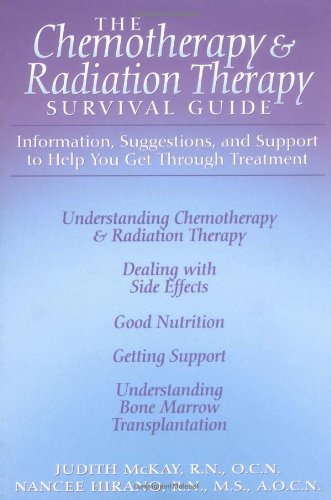
The Chemotherapy & Radiation Therapy Survival Guide: McKay, Judith, Hirano, Nancee
The Chemotherapy & Radiation Therapy Survival Guide [McKay, Judith, Hirano, Nancee] on Amazon.com. *FREE* shipping on qualifying offers. The Chemotherapy & Radiation Therapy Survival Guide
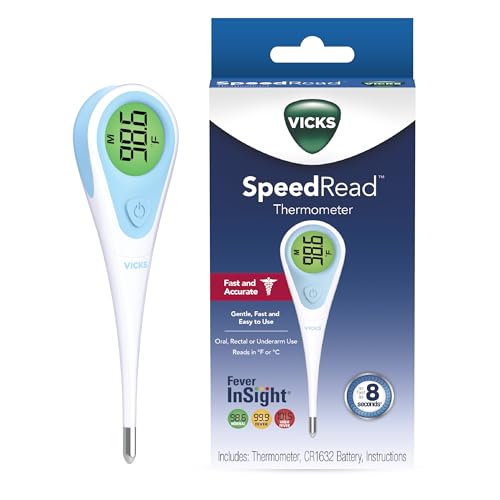
Vicks SpeedRead Digital Thermometer for Baby, Kids & Adults, Color-Coded Readings, Oral, Baby Rectal Thermometer or Under The Arm, Water Resistant : Industrial & Scientific
A century of powerful relief: At ... while also serving infants, toddlers, and kids; SpeedRead <strong>works orally, rectally, or under the arm as digital baby thermometers</strong>...

PURELL Advanced Hand Sanitizer Naturals with Plant Based Alcohol, Citrus Scent, 8 fl oz Pump Bottle (Pack of 4) - 9626-06-ECDECO
PURELL hand sanitizer is <strong>formulated to be gentle on skin with four conditioners and essential oils and is clinically proven to maintain skin health</strong>. It is free of harsh preservatives,
Health Disclaimer
This content is for informational purposes only and does not constitute medical advice. Always consult a qualified healthcare provider before starting, stopping, or changing any supplement or medication regimen.