

Chemotherapy
Overview
Chemotherapy refers to the use of medications designed to destroy cancer cells, slow their growth, or reduce the chance that cancer will return after initial treatment. Although the term is often used broadly, in oncology it most commonly describes systemic anti-cancer drug treatment that travels through the bloodstream and can affect cancer cells throughout the body. Chemotherapy may be used alone or alongside surgery, radiation therapy, targeted therapy, immunotherapy, hormone therapy, or supportive care measures, depending on the cancer type, stage, and overall goals of care.
Chemotherapy remains a major component of modern cancer treatment worldwide. It is used across many blood cancers and solid tumors, including breast cancer, lung cancer, lymphoma, leukemia, colorectal cancer, ovarian cancer, and many others. In some settings, chemotherapy is given with curative intent, such as to eradicate microscopic disease after surgery or to treat highly treatment-responsive cancers. In other settings, it is used to control disease, relieve symptoms, or prolong survival when cure is not possible. Because it affects rapidly dividing cells, chemotherapy can also impact healthy tissues such as bone marrow, hair follicles, and the lining of the digestive tract.
The experience of chemotherapy varies considerably. Some regimens are brief and relatively tolerable, while others are intensive and associated with significant side effects. Common adverse effects include fatigue, nausea, vomiting, diarrhea or constipation, mouth sores, lowered immunity, anemia, bruising, hair loss, neuropathy, and changes in fertility or menstrual function. Not all people experience all side effects, and modern supportive oncology has substantially improved symptom management. A growing area of interest involves integrative cancer care, which examines how nutrition, mind-body practices, acupuncture, rehabilitation, and traditional systems of medicine may help support quality of life during treatment.
Because chemotherapy is not a single drug but a broad category of therapies, its risks and benefits depend on the exact medication, dosing schedule, cancer biology, organ function, and the patient’s overall health status. Decisions around chemotherapy are typically individualized and involve detailed discussion with oncology professionals. Complementary approaches are often explored for symptom support, but these require careful coordination because some herbs, supplements, or practices may interact with treatment or affect safety.
Medical Perspectives
Two Ways of Seeing Health

Western
scientific · clinical
Western medicine applies science, technology, and clinical experience to treat symptoms through testing, diagnosis, and targeted intervention.

Eastern
traditional · alternative
Eastern medicine focuses on treating the body naturally by applying traditional knowledge practiced for thousands of years, emphasizing balance and whole-person wellness.
Gold Bamboo presents both perspectives side-by-side so you can make informed decisions. We don't advocate for one over the other — your health choices are yours.
Western Medicine Perspective
Western Medicine Perspective
In conventional medicine, chemotherapy is understood through cancer biology, pharmacology, and evidence from clinical trials. Chemotherapy drugs work through different mechanisms: some damage DNA, some interfere with cell division, and others disrupt metabolic pathways needed for tumor growth. Major classes include alkylating agents, antimetabolites, anthracyclines, platinum compounds, taxanes, topoisomerase inhibitors, and others. Treatment plans are generally based on tumor type, molecular characteristics, stage, prior therapies, performance status, and organ function. In many cancers, chemotherapy is now part of a broader strategy that may include biomarker-driven targeted agents and immunotherapies.
Conventional oncology also places strong emphasis on treatment intent and timing. Chemotherapy may be used as neoadjuvant therapy before surgery, adjuvant therapy after surgery, concurrent therapy with radiation, induction therapy to achieve remission, consolidation or maintenance therapy, or palliative therapy to reduce symptom burden. Response is monitored with imaging, laboratory testing, pathology, and clinical assessment. Dosing often follows standardized protocols developed through large randomized trials and refined by professional organizations such as ASCO, ESMO, and NCCN.
Supportive care is a central part of western chemotherapy management. Research supports the use of antiemetics, growth factor support in selected settings, infection prevention strategies, transfusion support when needed, and careful monitoring for toxicities such as cardiotoxicity, neuropathy, nephrotoxicity, and myelosuppression. Psycho-oncology, nutrition services, physical therapy, and palliative care may also be integrated. Conventional medicine generally encourages discussion of any complementary therapies, particularly supplements or herbs, because interactions with cytochrome metabolism, clotting, liver function, or immunologic pathways can alter chemotherapy safety or efficacy.
Eastern & Traditional Perspective
Eastern/Traditional Medicine Perspective
In Traditional Chinese Medicine (TCM), chemotherapy is not framed as a disease itself but as a powerful medical intervention that can affect the body’s balance, vitality, and resilience. TCM practitioners may describe chemotherapy-related symptoms in patterns such as Qi deficiency, Blood deficiency, Yin depletion, Spleen and Stomach weakness, or accumulation of toxic heat, depending on the individual presentation. Traditional approaches have historically focused on supporting appetite, digestion, energy, sleep, emotional equilibrium, and recovery after intensive treatment. Modalities commonly discussed include acupuncture, moxibustion, dietary therapy, Qi Gong, and herbal medicine.
Among traditional approaches, acupuncture has the strongest integration into modern supportive oncology research, particularly for chemotherapy-associated nausea, vomiting, pain, xerostomia in some contexts, neuropathy, fatigue, and anxiety-related symptoms, though evidence quality varies by indication. Herbal medicine is widely used in some countries during chemotherapy, especially in East Asian integrative oncology settings, but the evidence is mixed and safety considerations are significant. Herbs may affect drug metabolism, bleeding risk, liver enzymes, or treatment response, so oncology-informed oversight is considered important.
In Ayurveda, cancer and cancer treatment are typically interpreted through broader concepts of tissue depletion, digestive impairment, toxin accumulation, and disturbance of doshas and ojas. Supportive care traditionally emphasizes maintaining digestive strength, nourishment, rest, emotional steadiness, and individualized herbal or lifestyle measures. In naturopathic and other traditional systems, the focus is often on symptom relief, recovery support, stress reduction, and quality of life rather than replacing oncology care. Across these systems, a balanced integrative view recognizes that some non-pharmacologic practices may complement conventional treatment, while unverified remedies or unsupervised herb-drug combinations may carry real risks.
Many cancer centers now use an integrative oncology model that attempts to evaluate traditional practices with modern safety standards. This approach generally gives greatest priority to therapies with reasonable evidence for symptom support and low interaction risk, while urging careful communication among oncologists, pharmacists, and complementary medicine practitioners. For patients considering eastern or traditional modalities during chemotherapy, coordination with qualified healthcare professionals is important because “natural” does not always mean compatible with anti-cancer treatment.
Related Topics
Neutropenia
Neutropenia — condition topic in the Gold Bamboo health ontology.
How They Relate
Chemotherapy & Neutropenia
Chemotherapy refers to cytotoxic medicines used to treat cancer. Neutropenia is a low level of neutrophils, a type of white blood cell crucial for fighting bacterial and fungal infections. The most...
Supplements & Products
Recommended Products
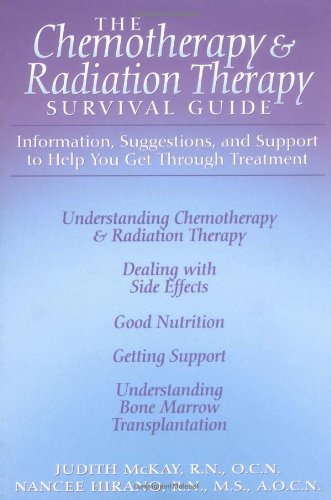
The Chemotherapy & Radiation Therapy Survival Guide: McKay, Judith, Hirano, Nancee
The Chemotherapy & Radiation Therapy Survival Guide [McKay, Judith, Hirano, Nancee] on Amazon.com. *FREE* shipping on qualifying offers. The Chemotherapy & Radiation Therapy Survival Guide

Sea-Band Anti-Nausea Acupressure Wristband for Motion & Morning Sickness, 1 Pair, Gray
Completely natural, Sea-Band uses acupressure wristbands to gently restore balance to your body. No drugs. No side effects. Clinically tested. <strong>Suitable for most types of sickness and nausea</s
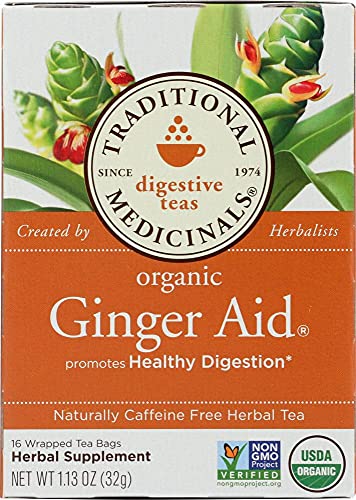
Traditional Medicinals Organic Ginger Aid Herbal Tea, Promotes Healthy Digestion, (Pack of 1) - 16 Tea Bags : Black Teas
Traditional Medicinals Organic Ginger & Chamomile Herbal Tea, <strong>Relieves Occasional Indigestion or Nausea</strong>, (Pack of 1) - 16 Tea Bags
Evidence & Sources
Supported by multiple clinical trials and systematic reviews
- National Cancer Institute (NCI)
- American Society of Clinical Oncology (ASCO)
- National Comprehensive Cancer Network (NCCN)
- European Society for Medical Oncology (ESMO)
- World Health Organization (WHO)
- National Center for Complementary and Integrative Health (NCCIH)
- Journal of Clinical Oncology
- CA: A Cancer Journal for Clinicians
- JAMA Oncology
- Society for Integrative Oncology guidelines
This content is for informational purposes only and does not constitute medical advice. Always consult a qualified healthcare provider before starting, stopping, or changing any supplement or medication regimen.