

Iron Deficiency Anemia and Celiac Disease
Iron deficiency anemia (IDA) and celiac disease are closely linked. Iron is absorbed primarily in the proximal small intestine (duodenum), the very site most affected by celiac disease. In untreated celiac disease, autoimmune injury flattens the duodenal villi and inflames the mucosa, reducing absorptive surface area and altering transport proteins. Inflammatory cytokines also raise hepcidin, a hormone that blocks iron release and uptake, further impairing iron availability. Occult intestinal blood loss and concurrent conditions (such as autoimmune gastritis or Helicobacter pylori) can contribute in some patients. Clinically, IDA is one of the most common extraintestinal manifestations of celiac disease and can be the only sign. Fatigue, reduced exercise tolerance, pallor, and headaches are frequent in IDA; celiac symptoms range from diarrhea, weight loss, and bloating to subtle findings like aphthous ulcers, osteoporosis, or neurologic complaints. High‑risk groups include women with heavy menstrual bleeding, adolescents, pregnant individuals, and anyone with unexplained or recurrent IDA, especially when ferritin remains low despite iron therapy. Red flags prompting evaluation include refractory IDA, concurrent folate or B12 deficiency, a family history of celiac disease, other autoimmune disease, and gastrointestinal symptoms. From a diagnostic standpoint, guidelines support investigating celiac disease in otherwise unexplained IDA. Workup typically includes iron studies (ferritin, transferrin saturation, serum iron, CBC), celiac serology (anti‑tissue transglutaminase IgA with total IgA; IgG‑based tests if IgA deficient), and, when serology is positive or clinical suspicion is high, duodenal biopsy to confirm mucosal injury. Conversely, in newly diagnosed celiac disease, baseline iron parameters help guide treatment and monitoring. Other causes of IDA—occult gastrointestinal bleeding, H. pylori infection, gynecologic blood loss, and dietary insufficiency—shouldbe
Updated September 8, 2026This content is for informational purposes only and does not constitute medical advice. Always consult a qualified healthcare provider before starting, stopping, or changing any supplement or medication regimen.
Shared Risk Factors
Female sex and heavy menstrual bleeding
Moderate EvidenceWomen are at higher risk for IDA due to menstrual blood loss; celiac disease is also more frequently diagnosed in females, and untreated celiac may be associated with menstrual irregularities that can exacerbate iron loss.
Life stages with high iron demand (adolescence, pregnancy)
Moderate EvidencePeriods of rapid growth or gestation increase iron requirements; celiac disease may present or become clinically evident during these times, heightening the risk of IDA.
Family history/autoimmunity
Moderate EvidenceFirst-degree relatives of people with celiac disease have higher celiac risk; autoimmune thyroid disease and other autoimmune conditions can coexist and contribute to anemia via heavy menses or impaired absorption.
Low dietary iron intake, especially on unfortified gluten-free diets
Emerging ResearchGluten-free products are often less fortified with iron; combined with reduced intake of heme iron, risk of persistent low iron stores may rise even after mucosal healing.
Helicobacter pylori infection
Emerging ResearchH. pylori is linked to refractory IDA in some patients; it may coexist with celiac disease and contribute to impaired iron absorption via gastritis and reduced gastric acidity.
Comorbidity Data
Prevalence
Anemia is present in about 15–40% of adults with newly diagnosed celiac disease; IDA may be the sole presenting feature in a notable subset. Among adults evaluated for otherwise unexplained IDA, approximately 3–5% have celiac disease on serology/biopsy; pediatric estimates are similar or slightly higher in some series.
Mechanistic Link
Celiac-related duodenal villous atrophy reduces absorptive surface and divalent metal transporter activity, directly impairing iron uptake. Inflammatory cytokines (e.g., IL‑6) increase hepcidin, limiting enteric iron absorption and iron release from stores. Occult mucosal bleeding and concurrent conditions (autoimmune gastritis, H. pylori) can further reduce iron availability.
Clinical Implications
Guidelines recommend celiac serologic screening in unexplained or refractory IDA. In confirmed celiac disease, baseline and follow-up iron studies are advised. Treating celiac disease with a strict gluten-free diet typically restores iron absorption; some patients require oral or IV iron during mucosal healing.
Sources (4)
- British Society of Gastroenterology guidelines for the management of iron deficiency anaemia in adults. Gut. 2021;70:2030–2051. doi:10.1136/gutjnl-2021-324067
- ACG Clinical Guidelines: Diagnosis and Management of Celiac Disease. Am J Gastroenterol. 2013;108:656–676 (reaffirmed updates). doi:10.1038/ajg.2013.79
- Camaschella C. Iron-Deficiency Anemia. N Engl J Med. 2015;372:1832–1843. doi:10.1056/NEJMra1401038
- Talarico V et al. Iron Deficiency Anemia in Celiac Disease. Nutrients. 2021;13:1695. doi:10.3390/nu13051695
Overlapping Treatments
Strict gluten-free diet (GFD)
Strong EvidenceRestores iron absorption as intestinal mucosa heals, enabling correction of IDA.
Primary therapy for celiac disease leading to mucosal recovery and symptom control.
Requires lifelong adherence; nutritional guidance is important to avoid micronutrient gaps.
Oral iron supplementation (with absorption enhancers such as vitamin C–containing foods)
Moderate EvidenceRepletes iron stores and raises hemoglobin during recovery.
Does not treat celiac itself but supports correction of anemia while gluten-free diet heals mucosa.
GI side effects; may be less effective before mucosal healing; separate from calcium/tea/coffee to optimize absorption.
Intravenous iron
Moderate EvidenceBypasses intestinal absorption, effective for severe, symptomatic, or refractory IDA.
Useful in celiac patients with significant malabsorption or intolerance to oral iron during early treatment.
Monitor for infusion reactions; reserve for specific indications per guidelines.
Nutritional counseling for iron-rich, fortified gluten-free diet
Moderate EvidenceOptimizes dietary iron intake to rebuild stores and prevent recurrence.
Ensures balanced, adherent GFD while minimizing risk of micronutrient deficiencies common in celiac disease.
Some gluten-free products are minimally fortified; attention to heme iron sources and vitamin C–rich foods is helpful.
Evaluation and treatment of concurrent deficiencies (folate, vitamin B12)
Moderate EvidenceAddresses coexisting cytopenias or macrocytosis that can mask or compound IDA.
Corrects malabsorption-related nutrient deficits common in untreated celiac disease.
Identify cause of deficiency; monitor for response after GFD initiation.
Testing and eradication of Helicobacter pylori when suspected
Emerging ResearchEradication can improve refractory IDA in select patients.
When coexistent with celiac disease, eradication may support recovery of iron parameters.
Not all IDA is due to H. pylori; test-and-treat based on clinical context.
Medical Perspectives
Two Ways of Seeing Health

Western
scientific · clinical
Western medicine applies science, technology, and clinical experience to treat symptoms through testing, diagnosis, and targeted intervention.
Surgeons · Pharmaceuticals · Clinical trials · Diagnostics 
Eastern
traditional · alternative
Eastern medicine focuses on treating the body naturally by applying traditional knowledge practiced for thousands of years, emphasizing balance and whole-person wellness.
Acupuncture · Herbal medicine · Yoga · Meditation
Gold Bamboo presents both perspectives side-by-side so you can make informed decisions. We don't advocate for one over the other — your health choices are yours.
Two Ways of Seeing Health
Western
scientific · clinical
Western medicine applies science, technology, and clinical experience to treat symptoms through testing, diagnosis, and targeted intervention.
Eastern
traditional · alternative
Eastern medicine focuses on treating the body naturally by applying traditional knowledge practiced for thousands of years, emphasizing balance and whole-person wellness.
Gold Bamboo presents both perspectives side-by-side so you can make informed decisions. We don't advocate for one over the other — your health choices are yours.
Western Perspective
Western medicine recognizes iron deficiency anemia as a frequent extraintestinal manifestation of celiac disease, often driven by duodenal mucosal damage and inflammation-mediated alterations in iron handling. Screening for celiac disease is advised in unexplained or recurrent IDA, and effective treatment of celiac disease typically normalizes iron parameters over time.
Key Insights
- Iron is absorbed in the duodenum, the principal site of celiac injury; villous atrophy directly impairs iron uptake.
- Inflammation upregulates hepcidin, limiting enteric iron absorption and iron mobilization from stores.
- About 3–5% of adults with otherwise unexplained IDA have celiac disease; anemia occurs in up to 40% of newly diagnosed celiac patients.
- Serologic testing (tTG-IgA with total IgA; EMA or DGP as needed) followed by duodenal biopsy confirms diagnosis when indicated.
- GFD is the cornerstone; oral iron is often effective after dietary adherence, with IV iron reserved for severe or refractory cases.
Treatments
- Gluten-free diet with dietitian support
- Oral iron supplementation; consider IV iron in select cases
- Evaluation for other causes of IDA (GI bleeding, H. pylori, gynecologic loss)
- Monitoring with CBC, ferritin, transferrin saturation, and celiac serology for adherence
Deep Dive
From a Western clinical viewpoint, the relationship between celiac disease and iron deficiency anemia (IDA) is mechanistically direct and clinic... From a Western clinical viewpoint, the relationship between celiac disease and iron deficiency anemia (IDA) is mechanistically direct and clinically meaningful. Iron absorption occurs predominantly in the duodenum, and this is the segment most damaged in untreated celiac disease. Autoimmune-mediated villous atrophy and crypt hyperplasia reduce absorptive surface area and disrupt the expression and function of iron transporters. Superimposed mucosal inflammation induces cytokines such as interleukin‑6, which upregulate hepcidin—the master iron-regulatory peptide—further restricting dietary iron uptake and iron release from macrophages. Occult mucosal bleeding and coexisting conditions, including autoimmune gastritis or Helicobacter pylori infection, can add to iron loss or limit absorption. Clinically, anemia is present in a significant proportion of individuals at celiac diagnosis, and in some, isolated IDA is the only clue, with few or no gastrointestinal symptoms. For this reason, guidelines recommend celiac serology in the evaluation of otherwise unexplained or recurrent IDA. The standard diagnostic pathway includes iron studies (low ferritin confirms iron deficiency in the absence of inflammation), celiac serology (tTG‑IgA with total IgA; IgG-based tests for IgA deficiency), and confirmatory duodenal biopsies when indicated. Parallel evaluation for other sources of iron loss—particularly gynecologic bleeding and gastrointestinal bleeding—remains necessary. Treatment priorities are twofold: correct the anemia and remove the cause. A strict gluten-free diet (GFD) is the cornerstone therapy for celiac disease and leads to mucosal healing and restoration of iron absorption capacity. As the gut heals, most patients respond well to oral iron; some require intravenous iron early on if anemia is severe, symptomatic, or if oral iron is not tolerated or clearly ineffective. Hemoglobin typically rises within weeks, with normalization and ferritin repletion over months (often 6–12 months, sometimes longer). Monitoring includes CBC, ferritin, transferrin saturation, and celiac serology to assess dietary adherence. Nutritional counseling is critical to ensure adequate iron intake on a GFD, which may be less fortified. Addressing concurrent deficiencies (folate, vitamin B12) and coexisting contributors (H. pylori, menorrhagia) improves outcomes. The clinical implication is straightforward: test for celiac disease in unexplained IDA and, once diagnosed, treat both conditions in tandem to achieve durable recovery and prevent recurrence.
Sources
- British Society of Gastroenterology guidelines for the management of iron deficiency anaemia in adults. Gut. 2021;70:2030–2051. doi:10.1136/gutjnl-2021-324067
- AGA Clinical Practice Guidelines on the Diagnosis and Management of Celiac Disease. Gastroenterology. 2020;159:2419–2442. doi:10.1053/j.gastro.2020.08.002
- Camaschella C. Iron-Deficiency Anemia. N Engl J Med. 2015;372:1832–1843. doi:10.1056/NEJMra1401038
- Talarico V et al. Iron Deficiency Anemia in Celiac Disease. Nutrients. 2021;13:1695. doi:10.3390/nu13051695
Eastern Perspective
Traditional systems conceptualize this relationship through patterns of disordered digestion and deficient blood. In Traditional Chinese Medicine (TCM), chronic gluten sensitivity can resemble Spleen Qi deficiency with Dampness affecting transformation and transportation, leading over time to Blood deficiency. Ayurveda frames malabsorption as Grahani and anemia as Pandu, both arising from impaired digestive fire (Agni) and imbalanced doshas. While these frameworks differ from modern immunology, their emphasis on digestive healing, tailored diet, and gentle tonification aligns with supportive care during celiac recovery.
Key Insights
- Dietary therapy is central: eliminating aggravating grains and emphasizing easily digested, nourishing foods is prioritized in both TCM and Ayurveda.
- Tonifying and harmonizing the digestive system is believed to improve nutrient assimilation, paralleling improved iron absorption after mucosal healing.
- Blood-nourishing approaches (e.g., TCM Blood tonics; Ayurvedic Pandu remedies) are used adjunctively to address fatigue and pallor.
- Mind–gut practices (breathwork, gentle yoga, acupuncture) may support symptoms and well-being though clinical evidence is limited.
Treatments
- TCM herbal formulas tailored to pattern, such as Shen Ling Bai Zhu San (for Spleen Qi deficiency) or Si Jun Zi Tang, with clinician oversight
- Dietary guidance emphasizing warm, cooked, iron-rich foods and avoiding identified triggers; in integrative practice, strict gluten avoidance when celiac is diagnosed
- Acupuncture points (e.g., ST36, SP6) to support digestion and vitality
- Ayurvedic approaches for Grahani and Pandu (digestive tonics, iron-containing bhasmas, and herbs like Amalaki), supervised by qualified practitioners
Deep Dive
Traditional and integrative frameworks approach the celiac–IDA connection through the lens of digestive vitality and the quality of blood. In Tr... Traditional and integrative frameworks approach the celiac–IDA connection through the lens of digestive vitality and the quality of blood. In Traditional Chinese Medicine (TCM), chronic food intolerance and malabsorption often reflect Spleen Qi deficiency with Dampness. This pattern implies impaired transformation and transportation of nutrients, which, over time, leads to insufficiency of Blood and Qi—mirroring fatigue, pallor, and reduced stamina seen in anemia. Therapeutic strategies emphasize harmonizing digestion and gently tonifying: diet centered on warm, cooked, easily assimilated foods; individualized herbal formulas such as Shen Ling Bai Zhu San or Si Jun Zi Tang to strengthen the Spleen; and acupuncture points like ST36 and SP6 to support digestive function and vitality. As the digestive system regains function, TCM expects better assimilation of nutrients, aligning conceptually with improved iron absorption after mucosal healing. Blood‑nourishing herbs may be added, tailored to the individual pattern. Ayurveda similarly views this overlap as a combination of Grahani (malabsorption) and Pandu (anemia), arising from impaired Agni (digestive fire) and doshic imbalance. Management emphasizes restoring Agni through gentle dietary routines, spices that aid digestion, and constitution‑appropriate foods, alongside supportive tonics for Pandu. In modern integrative practice, these traditions are adapted to respect medical diagnoses: for people with biopsy‑proven celiac disease, strict gluten avoidance is essential while traditional methods are used adjunctively to ease symptoms, support energy, and optimize diet quality. Evidence for these traditional approaches is primarily experiential and historical rather than derived from large clinical trials. However, their focus on whole‑diet patterns, mindful eating, and gradual strengthening can complement guideline‑based care. Collaboration between conventional clinicians, registered dietitians knowledgeable about gluten‑free nutrition, and qualified TCM/Ayurvedic practitioners can help patients build sustainable habits, improve well‑being, and reduce the risk of persistent or recurrent anemia—always with the understanding that gluten exclusion remains the non‑negotiable foundation for celiac disease.
Sources
- Bensky D, Clavey S, Stöger E. Chinese Herbal Medicine: Materia Medica. 3rd ed.
- Flaws B. The Treatment of Modern Western Medical Diseases with Chinese Medicine. Blue Poppy Press.
- Lad V. Textbook of Ayurveda, Vol II: A Complete Guide to Clinical Assessment.
Evidence Ratings
IDA is a common extraintestinal manifestation of celiac disease, sometimes the only presenting sign.
ACG Clinical Guidelines: Diagnosis and Management of Celiac Disease. Am J Gastroenterol. 2013;108:656–676.
Approximately 3–5% of adults with otherwise unexplained IDA have celiac disease on serology/biopsy.
British Society of Gastroenterology IDA Guidelines. Gut. 2021;70:2030–2051.
Duodenal villous atrophy in celiac disease impairs iron absorption; inflammation-mediated hepcidin elevation further reduces iron availability.
Camaschella C. Iron-Deficiency Anemia. N Engl J Med. 2015;372:1832–1843.
A strict gluten-free diet restores iron absorption and normalizes hemoglobin in most patients within 6–12 months.
Talarico V et al. Iron Deficiency Anemia in Celiac Disease. Nutrients. 2021;13:1695.
tTG-IgA with total IgA is the preferred initial serologic test for celiac disease due to high sensitivity and specificity.
AGA Clinical Practice Guidelines on Celiac Disease. Gastroenterology. 2020;159:2419–2442.
Intravenous iron is effective for severe or refractory IDA and in cases of malabsorption.
DeLoughery TG. Iron Deficiency Anemia. N Engl J Med. 2017;377:205–213. doi:10.1056/NEJMcp1414216
Sources
- British Society of Gastroenterology guidelines for the management of iron deficiency anaemia in adults. Gut. 2021;70:2030–2051. doi:10.1136/gutjnl-2021-324067
- AGA Clinical Practice Guidelines on the Diagnosis and Management of Celiac Disease. Gastroenterology. 2020;159:2419–2442. doi:10.1053/j.gastro.2020.08.002
- ACG Clinical Guidelines: Diagnosis and Management of Celiac Disease. Am J Gastroenterol. 2013;108:656–676. doi:10.1038/ajg.2013.79
- Camaschella C. Iron-Deficiency Anemia. N Engl J Med. 2015;372:1832–1843. doi:10.1056/NEJMra1401038
- DeLoughery TG. Iron Deficiency Anemia. N Engl J Med. 2017;377:205–213. doi:10.1056/NEJMcp1414216
- Talarico V, Giancotti L, Naso A, Luzza F, Lupia T. Iron Deficiency Anemia in Celiac Disease. Nutrients. 2021;13:1695. doi:10.3390/nu13051695
- ESPGHAN guidelines for diagnosing coeliac disease 2020. J Pediatr Gastroenterol Nutr. 2020;70:141–156. doi:10.1097/MPG.0000000000002497
Related Topics
Recommended Products
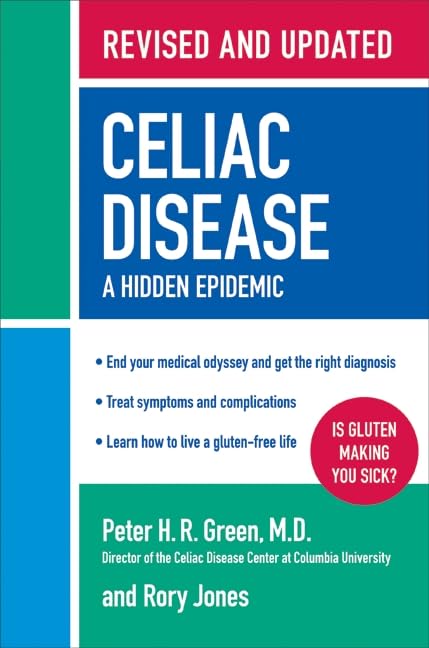
Celiac Disease: A Hidden Epidemic: Green M.D., Peter H.R., Jones, Rory
... Brief content visible, double tap to read full content. Full content visible, double tap to read brief content. Peter H.R. Green, M.D., is the <strong>director of the Celiac Disease Center at Colu
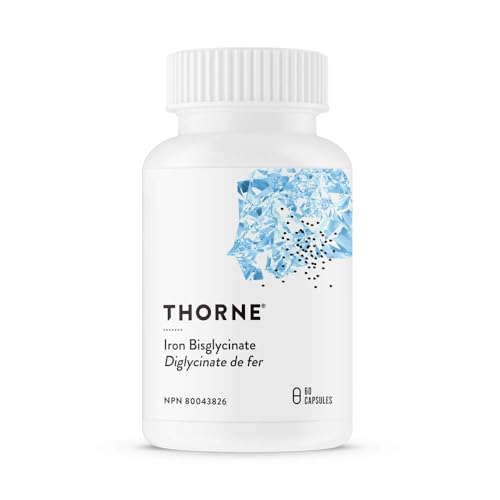
THORNE - Iron Bisglycinate - 25 mg Iron Supplement for Enhanced Absorption Without Gastrointestinal Side Effects* - NSF Certified for Sport - Gluten-Free - 60 Servings
One Capsule Contains: Iron (as Ferrochel Ferrous Bisglycinate Chelate)* 25 mg.
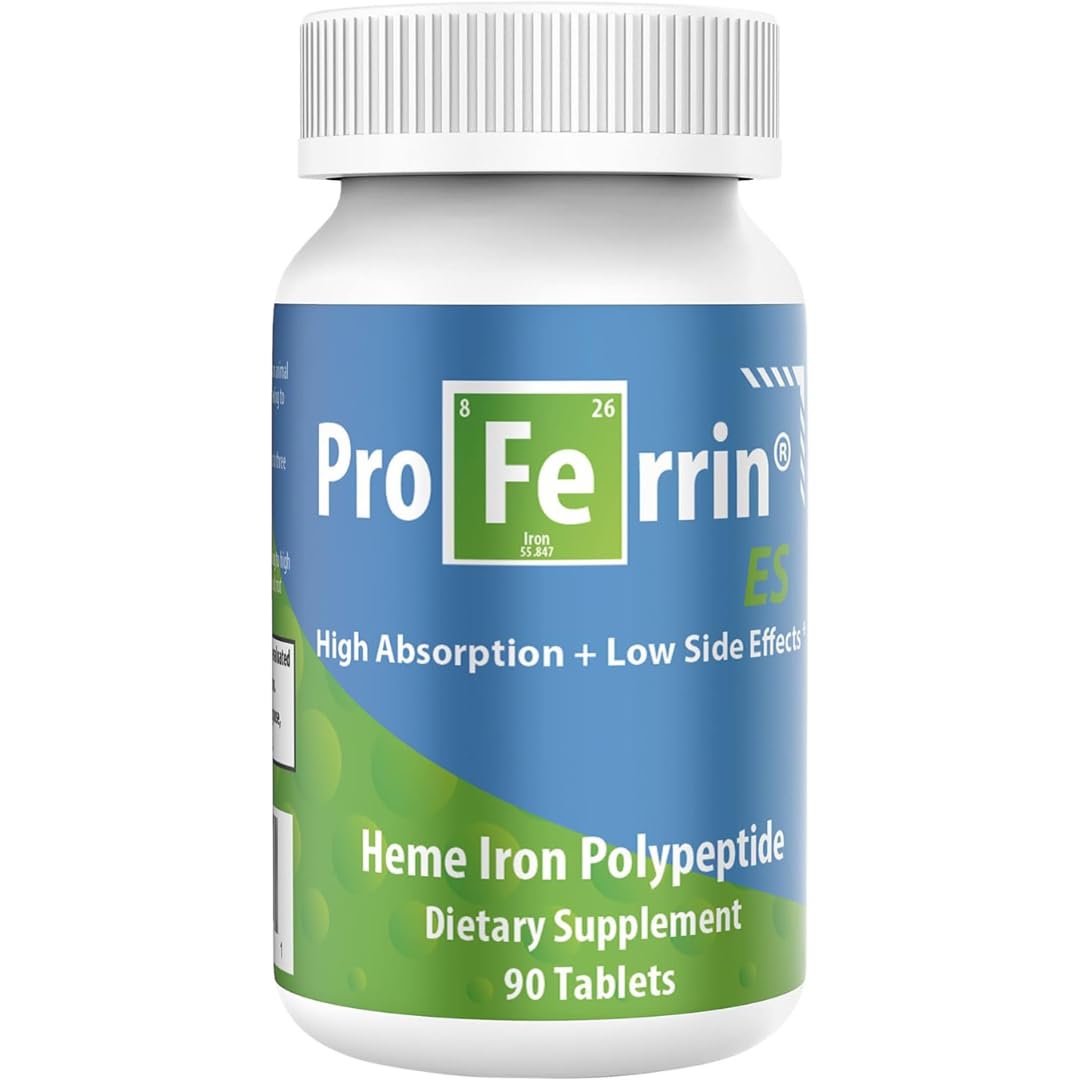
Proferrin ES- 10.5mg of high Absorbing Heme Iron Polypeptide. Made in The USA. 30 Tablets. Easy on The Gut. Not affected by Coffee, Calcium, or PPI's.
Buy Proferrin ES- 10.5mg of high Absorbing Heme Iron Polypeptide. Made in The USA. 30 Tablets. Easy on The Gut. Not affected by Coffee, Calcium, or PPI's. on Amazon.com ✓ FREE SHIPPING on qualifi
Health Disclaimer
This content is for informational purposes only and does not constitute medical advice. Always consult a qualified healthcare provider before starting, stopping, or changing any supplement or medication regimen.