

Glaucoma and Beta blocker eye drops
Glaucoma is a group of optic neuropathies in which elevated or poorly regulated intraocular pressure (IOP) contributes to progressive damage of the optic nerve and loss of visual field. In primary open‑angle glaucoma (POAG) and ocular hypertension, aqueous humor outflow through the trabecular meshwork is insufficient, allowing pressure to rise. Over time, this stresses retinal ganglion cell axons at the optic nerve head, leading to characteristic cupping and vision loss. Lowering IOP is the only proven strategy to slow or prevent progression. Topical beta‑blocker eye drops—most commonly timolol, levobunolol, and the beta1‑selective betaxolol—reduce IOP primarily by decreasing aqueous humor production at the ciliary epithelium through antagonism of beta‑adrenergic receptors. They usually begin lowering IOP within 30–60 minutes, peak at about 1–2 hours, and provide 12–24 hours of effect depending on formulation. In POAG and ocular hypertension, beta‑blockers are effective as monotherapy or as add‑ons to prostaglandin analogs, carbonic anhydrase inhibitors, or alpha‑2 agonists. Fixed‑combination products improve convenience. They are not a stand‑alone solution for acute angle‑closure crises, where rapid multi‑agent therapy and definitive laser iridotomy are required. Safety is central. Ocular side effects include transient stinging, dry eye, and, less often, allergic blepharoconjunctivitis or corneal anesthesia. Because these drops can enter systemic circulation via the nasolacrimal duct, systemic beta‑blockade may occur, leading to bradycardia, hypotension, bronchospasm (especially in asthma/COPD), fatigue, depression, or sexual dysfunction in susceptible individuals. Contraindications include asthma, severe COPD, sinus bradycardia, second‑/third‑degree heart block, overt cardiac failure, and cardiogenic shock. Caution is warranted in diabetes (possible masking of hypoglycemia) and hyperthyroidism. Techniques such as punctal occlusion or eyelid closure after instil
Updated September 8, 2026This content is for informational purposes only and does not constitute medical advice. Always consult a qualified healthcare provider before starting, stopping, or changing any supplement or medication regimen.
Shared Risk Factors
Older age
Strong EvidenceAge is the strongest non‑modifiable risk factor for POAG and also increases susceptibility to systemic adverse effects of topical beta‑blockers (e.g., bradycardia, hypotension) due to reduced cardiac reserve and polypharmacy.
Ocular surface disease and preservative exposure (e.g., benzalkonium chloride)
Strong EvidenceDry eye and ocular surface disease are common in glaucoma and can be exacerbated by preserved beta‑blocker formulations, reducing comfort and adherence.
Cardiovascular comorbidity/arrhythmias and cardioactive medications
Moderate EvidenceVascular dysregulation and cardiovascular disease are linked to glaucoma progression; the same conditions increase the risk of clinically significant bradycardia or heart block with topical beta‑blockers, especially when combined with other rate‑limiting drugs.
Diabetes mellitus
Moderate EvidenceDiabetes is associated with a modestly increased POAG risk; beta‑blockers can mask hypoglycemia symptoms, complicating self‑management.
Nocturnal hypotension/vascular dysregulation
Emerging ResearchLow nighttime blood pressure has been associated with glaucoma progression; topical beta‑blockers may contribute to lower heart rate and blood pressure in sensitive individuals.
Overlapping Treatments
Prostaglandin analogs (e.g., latanoprost, bimatoprost)
Strong EvidenceFirst‑line IOP reduction with strong evidence for slowing glaucoma progression; effective once‑daily therapy.
Additive pressure‑lowering when combined with beta‑blockers; allows lower drop burden in fixed combinations.
Can cause conjunctival hyperemia, periocular changes, and rarely uveitis or CME in predisposed eyes.
Topical carbonic anhydrase inhibitors (e.g., dorzolamide, brinzolamide)
Strong EvidenceAdditional IOP reduction as adjuncts or in fixed combinations (e.g., dorzolamide/timolol).
Synergistic with beta‑blockers by targeting aqueous production via a different pathway.
Bitter taste, transient burning; sulfonamide cross‑reactivity is rare with topical use but noted in labeling.
Alpha‑2 adrenergic agonists (e.g., brimonidine)
Moderate EvidenceReduce IOP and may offer neuroprotective potential under study; available in fixed combinations with timolol.
Complementary mechanism to beta‑blockers; combination products improve adherence.
Dry mouth, fatigue; risk of CNS depression in young children; allergic follicular conjunctivitis possible.
Selective laser trabeculoplasty (SLT)
Strong EvidenceEffective first‑line or adjunct therapy that lowers IOP and can reduce or eliminate drops in many patients.
May reduce need for beta‑blockers when side effects or adherence are concerns.
Effect may wane over years; repeatable with variable response; transient IOP spikes can occur.
Punctal occlusion/eyelid closure technique after instillation
Moderate EvidenceImproves tolerability and adherence by reducing side effects, supporting sustained glaucoma therapy.
Reduces systemic absorption and related adverse effects of beta‑blocker drops.
Requires patient training; adherence to technique varies.
Preservative‑free or low‑BAK formulations; gel‑forming timolol
Moderate EvidenceLess ocular surface toxicity improves comfort and adherence, supporting long‑term control.
Formulations may reduce systemic absorption and dosing frequency (e.g., once‑daily gel), improving safety and convenience.
Availability and cost vary.
Microsurgical options (trabeculectomy, MIGS)
Strong EvidenceLower IOP when medical/laser therapy is insufficient or poorly tolerated.
Can obviate or reduce need for beta‑blockers when contraindications or side effects occur.
Surgical risks (hypotony, infection); variable durability.
Artificial tears/ocular surface optimization
Moderate EvidenceAddresses drop‑related dry eye, improving quality of life and adherence to glaucoma therapy.
Mitigates ocular irritation from beta‑blockers and preservatives.
Spacing with medicated drops helps avoid washout.
Medical Perspectives
Two Ways of Seeing Health

Western
scientific · clinical
Western medicine applies science, technology, and clinical experience to treat symptoms through testing, diagnosis, and targeted intervention.
Surgeons · Pharmaceuticals · Clinical trials · Diagnostics 
Eastern
traditional · alternative
Eastern medicine focuses on treating the body naturally by applying traditional knowledge practiced for thousands of years, emphasizing balance and whole-person wellness.
Acupuncture · Herbal medicine · Yoga · Meditation
Gold Bamboo presents both perspectives side-by-side so you can make informed decisions. We don't advocate for one over the other — your health choices are yours.
Two Ways of Seeing Health
Western
scientific · clinical
Western medicine applies science, technology, and clinical experience to treat symptoms through testing, diagnosis, and targeted intervention.
Eastern
traditional · alternative
Eastern medicine focuses on treating the body naturally by applying traditional knowledge practiced for thousands of years, emphasizing balance and whole-person wellness.
Gold Bamboo presents both perspectives side-by-side so you can make informed decisions. We don't advocate for one over the other — your health choices are yours.
Western Perspective
Western medicine views glaucoma as a pressure‑sensitive optic neuropathy. Lowering intraocular pressure is the key modifiable factor, with strong evidence that it slows disease progression. Topical beta‑blockers reduce aqueous humor production and remain important agents, especially as adjuncts to prostaglandin analogs or in fixed combinations. Safety considerations center on systemic beta‑blockade in susceptible patients.
Key Insights
- Beta‑blockers reduce IOP by ~20–30% as monotherapy; onset within an hour and duration up to 24 hours depending on formulation.
- Prostaglandin analogs are generally preferred first‑line for POAG due to stronger efficacy and once‑daily dosing; beta‑blockers are common add‑ons or alternatives.
- Not adequate as sole therapy for acute angle‑closure crises; definitive laser iridotomy is required.
- Systemic adverse effects—including bradycardia and bronchospasm—can occur from topical use; screening for cardiopulmonary contraindications is essential.
- Punctal occlusion and preservative‑free options improve tolerability and reduce systemic exposure.
Treatments
- Timolol, levobunolol, betaxolol ophthalmic
- Prostaglandin analogs (latanoprost, bimatoprost)
- Topical CAIs (dorzolamide, brinzolamide)
- Alpha‑2 agonists (brimonidine)
- Selective laser trabeculoplasty (SLT)
Deep Dive
Glaucoma is characterized by progressive optic neuropathy in which intraocular pressure is the key modifiable risk factor. In primary open‑angle... Glaucoma is characterized by progressive optic neuropathy in which intraocular pressure is the key modifiable risk factor. In primary open‑angle glaucoma and ocular hypertension, resistance to aqueous humor outflow elevates IOP, compressing retinal ganglion cell axons at the lamina cribrosa and impairing axoplasmic flow. Decades of clinical research show that lowering IOP slows visual field loss. Topical beta‑adrenergic antagonists—timolol and levobunolol (nonselective), and betaxolol (beta1‑selective)—reduce aqueous humor production by blocking beta‑receptors in the ciliary epithelium. Their onset is typically within one hour, with peak effect near 1–2 hours; depending on concentration and formulation (solution vs gel), the duration is approximately 12–24 hours. In contemporary practice, prostaglandin analogs are often first‑line because they lower IOP effectively with once‑daily dosing and favorable systemic safety. Beta‑blockers remain valuable alternatives for those who cannot tolerate prostaglandins and as add‑ons when additional pressure reduction is needed. Fixed‑combination products (e.g., dorzolamide/timolol, brimonidine/timolol) enhance convenience and adherence, and selective laser trabeculoplasty offers a nonpharmacologic option that can reduce or eliminate drops in many patients. Beta‑blockers are not adequate as sole therapy for acute angle‑closure crises; prompt pressure reduction with multiple agents and definitive laser iridotomy are standard. Safety considerations are significant because topical beta‑blockers can be systemically absorbed through the nasolacrimal system. Adverse effects range from ocular stinging and dry eye to systemic bradycardia, hypotension, bronchospasm, fatigue, and depression. They are contraindicated in asthma, severe COPD, sinus bradycardia, second‑ or third‑degree AV block, overt cardiac failure, and cardiogenic shock. Drug interactions are clinically relevant: concomitant oral beta‑blockers, non‑dihydropyridine calcium channel blockers, digoxin, antiarrhythmics, and CYP2D6 inhibitors (e.g., quinidine, certain SSRIs) can amplify bradycardia or conduction block. Patient education on punctal occlusion or eyelid closure after instillation can reduce systemic exposure. Preservative‑free or low‑BAK formulations and gel‑forming timolol can improve tolerability and adherence. Monitoring heart rate, respiratory symptoms, and ocular surface health helps optimize the risk–benefit profile while maintaining target IOP.
Sources
- American Academy of Ophthalmology (AAO) Preferred Practice Pattern: Primary Open‑Angle Glaucoma (latest update)
- NICE Guideline NG81: Glaucoma: diagnosis and management (2017, updates)
- Cochrane Review: Prostaglandin analogues vs beta‑blockers for ocular hypertension and POAG
- LiGHT Trial: First‑line SLT vs drops (Lancet 2019)
- Timolol Ophthalmic Solution – FDA/DailyMed Labeling (contraindications, adverse effects)
Eastern Perspective
Traditional and integrative medicine traditions frame eye health within systemic balance. In Traditional Chinese Medicine (TCM), the eyes are linked to Liver and Kidney systems; therapies aim to support circulation, reduce internal wind, and nourish yin. Ayurveda similarly emphasizes balancing doshas and ojas to maintain visual function. While these systems do not replace IOP‑lowering drugs for glaucoma, they may offer adjunctive strategies for comfort, stress reduction, and overall eye health.
Key Insights
- Acupuncture has been studied in small trials and may transiently reduce IOP or improve ocular perfusion; evidence remains limited and adjunctive.
- Herbal tonics (e.g., goji berry, chrysanthemum) are traditionally used for eye comfort; modern data for glaucoma neuroprotection are preliminary.
- Breathwork and meditation (pranayama, mindfulness) may lower stress and support adherence; certain inverted yoga postures can acutely raise IOP and are approached cautiously.
- Naturopathic approaches emphasize ocular surface wellness (humidification, omega‑3 rich diet) and antioxidants; Ginkgo biloba has emerging evidence in normal‑tension glaucoma but requires attention to bleeding risk.
Treatments
- Acupuncture (peri‑ocular and systemic points) as adjunct
- Mind‑body practices (non‑inverted yoga, tai chi, meditation)
- Herbal supports (e.g., Gou Qi Zi/goji berry, Ju Hua/chrysanthemum) with practitioner guidance
- Naturopathic ocular surface care and preservative‑free formulations
Deep Dive
Traditional medical systems emphasize whole‑body influences on eye function. In Traditional Chinese Medicine, the eyes are “the orifices of the ... Traditional medical systems emphasize whole‑body influences on eye function. In Traditional Chinese Medicine, the eyes are “the orifices of the Liver,” and glaucomatous processes are interpreted through patterns such as Liver yang rising, internal wind, and yin or Kidney deficiency. Treatment aims to harmonize these patterns, supporting circulation and reducing internal tension around the eyes. Acupuncture protocols combining local peri‑ocular points with systemic points for Liver/Kidney support are reported in small studies to transiently lower IOP or improve ocular perfusion; evidence is preliminary and adjunctive. Herbal formulas that include chrysanthemum (Ju Hua) and goji berry (Gou Qi Zi) are traditionally used to ease eye strain and nourish yin, though modern data for glaucoma neuroprotection are limited. Ayurveda frames glaucoma (a type of adhimanta timira) as an imbalance often involving vata; therapies focus on gently restoring balance through diet, botanicals, and stress reduction under practitioner guidance. From a modern integrative lens, mind‑body practices—breathwork, meditation, tai chi—may ease stress and improve sleep, indirectly supporting adherence to eye‑drop regimens. Importantly, some inverted yoga postures acutely raise IOP; many integrative clinicians advise choosing non‑inverted sequences for people with glaucoma. Naturopathic and integrative ophthalmology approaches also highlight ocular surface comfort to sustain long‑term drop use. Strategies include environmental humidification, warm compresses, preservative‑free formulations, and spacing lubricants from medicated drops to avoid washout. Antioxidant‑rich diets and select supplements are sometimes considered; among them, Ginkgo biloba has emerging evidence for visual field support in normal‑tension glaucoma but carries bleeding risk and drug‑interaction considerations. Across traditions, there is consensus that IOP‑lowering therapies are foundational and that complementary measures, when used thoughtfully, may enhance comfort, resilience, and adherence. Open communication between patients, ophthalmologists, and qualified traditional practitioners supports safe integration.
Sources
- Vizzeri et al., PLoS One 2015: Immediate effect of yoga positions on IOP
- Quaranta et al., small trials on Ginkgo biloba in normal‑tension glaucoma
- Systematic reviews on acupuncture and glaucoma (mixed quality, small samples)
- Integrative ophthalmology reviews on ocular surface and lifestyle supports
Evidence Ratings
Topical beta‑blockers lower IOP by roughly 20–30% in POAG/ocular hypertension.
AAO Preferred Practice Pattern; multiple RCTs of timolol/levobunolol/betaxolol.
Prostaglandin analogs provide greater IOP reduction and adherence advantages over beta‑blockers as first‑line therapy.
Cochrane Review comparing prostaglandins vs beta‑blockers; NICE NG81.
Topical beta‑blockers can cause systemic adverse effects including bradycardia and bronchospasm, particularly in patients with cardiopulmonary disease.
FDA/DailyMed timolol labeling; clinical pharmacology reviews.
Punctal occlusion or eyelid closure after instillation reduces systemic absorption of timolol and related side effects.
AAO recommendations; pharmacokinetic studies showing lower plasma timolol with occlusion.
Beta‑blocker drops are not sufficient as sole therapy for acute angle‑closure; laser iridotomy is definitive.
AAO/NICE acute angle‑closure management guidelines.
Combining beta‑blockers with prostaglandins, CAIs, or alpha‑2 agonists provides additive IOP lowering.
Fixed‑combination RCTs (e.g., dorzolamide/timolol, brimonidine/timolol) and guideline consensus.
Ginkgo biloba may improve visual field indices in normal‑tension glaucoma but evidence is limited and not definitive.
Quaranta et al., small randomized/observational studies; integrative reviews.
Sources
- American Academy of Ophthalmology. Preferred Practice Pattern: Primary Open‑Angle Glaucoma. Latest update.
- National Institute for Health and Care Excellence (NICE). NG81: Glaucoma: diagnosis and management. 2017, updates.
- Cochrane Review: Prostaglandin analogues versus beta‑blockers for ocular hypertension and primary open‑angle glaucoma.
- Gazzard G et al. Selective laser trabeculoplasty versus eye drops for first-line treatment of ocular hypertension and glaucoma (LiGHT). Lancet. 2019.
- DailyMed/FDA labeling: Timolol Ophthalmic Solution (contraindications, warnings, adverse reactions).
- Vizzeri G et al. Immediate effect of yoga exercises on intraocular pressure in glaucoma patients. PLoS One. 2015.
- Quaranta L et al. Ginkgo biloba in normal‑tension glaucoma: small clinical studies and reviews.
- AAO Statement: Marijuana and Glaucoma (position statement, updated).
- Fixed‑combination trials: dorzolamide/timolol and brimonidine/timolol RCTs summarized in guidelines.
- Reviews on systemic absorption reduction with punctal occlusion/eyelid closure (pharmacokinetic studies referenced by AAO).
Related Topics
Recommended Products

Glaucoma : A Patient's Guide to the Disease: Trope, Graham
A 1997 publication. Dr. Graham E. Trope <strong>provides the answers to dozens of commonly asked questions concerning glaucoma in sections headed: All About Glaucoma, Tests for Glaucoma and All About
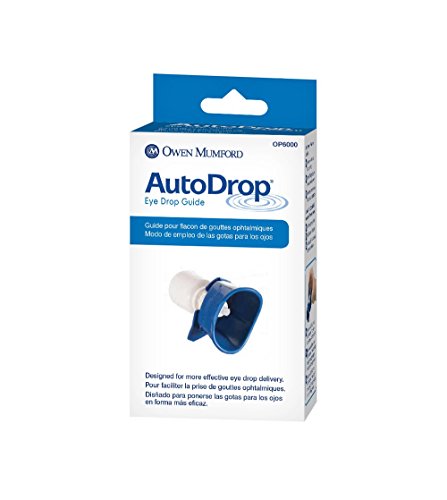
Owen Mumford OP 6000 Autodrop Eye Guide
Autodrop eyedropper aid size: 1 · Is Discontinued By Manufacturer : No · Product Dimensions : 1.97 x 1.18 x 1.57 inches; 0.3 ounces · Item model number : OP 6000 · Date First Available :

Refresh Plus Lubricant Eye Drops, Preservative-Free, 0.01 Fl Oz Single-Use Containers, 50 Count, Packaging May Vary
Value size. 50 on-the go, single-use vials · <strong>Can be used after LASIK or other eye surgeries</strong>. Follow your eye doctor's instructions if you are using REFRESH RELIEVA PF after an ey
Health Disclaimer
This content is for informational purposes only and does not constitute medical advice. Always consult a qualified healthcare provider before starting, stopping, or changing any supplement or medication regimen.