

Glaucoma
Overview
Glaucoma is a group of chronic eye conditions characterized by damage to the optic nerve, the structure that carries visual information from the eye to the brain. It is commonly associated with elevated intraocular pressure (IOP), but optic nerve injury can also occur at statistically normal pressure levels. Over time, glaucoma may lead to gradual loss of peripheral vision and, in advanced cases, significant visual impairment or blindness. Because early disease often causes few or no noticeable symptoms, glaucoma is widely regarded as one of the leading causes of preventable blindness worldwide.
The condition includes several major forms, most notably primary open-angle glaucoma, angle-closure glaucoma, normal-tension glaucoma, and various secondary glaucomas linked to other eye or systemic conditions. Prevalence increases with age, and risk is influenced by factors such as family history, African, Asian, or Hispanic ancestry in some populations, high eye pressure, thin corneas, diabetes, myopia, steroid exposure, and vascular factors. Public health research consistently identifies glaucoma as an important global concern because vision loss from optic nerve damage is generally irreversible once established.
From a clinical standpoint, glaucoma is significant not only because of its potential severity but also because it often progresses silently. Detection typically relies on comprehensive eye examination, including measurement of intraocular pressure, optic nerve assessment, visual field testing, and imaging such as optical coherence tomography (OCT). Early identification can help slow progression, which is why screening discussions are especially important for higher-risk groups. Conventional medicine focuses on preserving remaining vision by lowering eye pressure or addressing the underlying cause, while many traditional systems interpret glaucoma through broader patterns involving circulation, aging, liver-kidney balance, or systemic inflammation.
Across health systems, glaucoma is generally understood as a condition that requires ongoing professional monitoring. Complementary approaches may be discussed in the context of whole-person support, stress reduction, or general eye health, but they are not regarded as substitutes for ophthalmologic evaluation. Research into lifestyle, nutrition, neuroprotection, and integrative support remains active, though the strongest evidence continues to support early diagnosis and evidence-based medical management.
Compare Treatment Options
Glaucoma is a group of chronic eye conditions in which the optic nerve becomes damaged over time, often in association with elevated intraocular pressure (IOP), though not always. The most common form, primary open-angle glaucoma, tends to progress slowly and without obvious symptoms until vision loss has already occurred. Other forms, including angle-closure glaucoma, normal-tension glaucoma, and secondary glaucomas, differ in mechanism, urgency, and treatment approach. Because vision already lost from glaucoma is generally not recoverable, clinical care usually focuses on slowing further damage and preserving remaining sight. Treatment options vary because glaucoma severity, speed of progression, pressure level, anatomy of the drainage angle, medication tolerance, and the person’s daily routine all matter. In Western ophthalmology, the best-studied strategies are aimed at lowering IOP with eye drops, laser procedures, or surgery. In Eastern and integrative traditions, approaches such as acupuncture and selected oral herbal formulas have been traditionally used to support eye comfort, circulation, stress regulation, or overall constitutional balance, but they are generally considered adjunctive rather than primary substitutes for pressure-lowering care. This makes glaucoma a condition where honest integration is especially important: conventional monitoring remains central, while complementary options may be explored with careful attention to evidence, safety, and interactions.
View treatment comparison (6 options)Medical Perspectives
Two Ways of Seeing Health

Western
scientific · clinical
Western medicine applies science, technology, and clinical experience to treat symptoms through testing, diagnosis, and targeted intervention.

Eastern
traditional · alternative
Eastern medicine focuses on treating the body naturally by applying traditional knowledge practiced for thousands of years, emphasizing balance and whole-person wellness.
Gold Bamboo presents both perspectives side-by-side so you can make informed decisions. We don't advocate for one over the other — your health choices are yours.
Western Medicine Perspective
Western / Conventional Medicine Perspective
In conventional ophthalmology, glaucoma is understood as a progressive optic neuropathy in which retinal ganglion cells and the optic nerve are gradually damaged. Elevated intraocular pressure is the most important modifiable risk factor, but it is not the only mechanism involved. Current research also examines impaired blood flow to the optic nerve, mitochondrial dysfunction, neuroinflammation, oxidative stress, and individual susceptibility of optic nerve tissue. This helps explain why some people develop glaucoma with only modest pressure elevation, while others tolerate higher pressures without clear damage.
Diagnosis is based on a combination of structural and functional findings rather than pressure alone. Clinicians evaluate the optic disc for characteristic cupping, assess peripheral vision loss with formal visual field testing, measure corneal thickness, and use imaging to track retinal nerve fiber layer changes over time. Open-angle glaucoma typically develops slowly and painlessly, whereas angle-closure glaucoma can be acute and may present with eye pain, halos, headache, nausea, and rapidly rising eye pressure, representing an ophthalmic emergency. Secondary glaucoma may arise from trauma, inflammation, pigment dispersion, pseudoexfoliation, steroid use, or other ocular diseases.
Management in Western medicine centers on slowing progression by reducing intraocular pressure through prescription eye drops, laser procedures, or surgery. Studies indicate that pressure reduction lowers the risk of visual field loss in many forms of glaucoma, including normal-tension disease in selected patients. At the same time, conventional medicine recognizes the importance of long-term follow-up, adherence challenges, quality-of-life concerns, and the need to tailor care to disease severity and risk profile. Investigational areas include neuroprotective therapies, sustained-release drug delivery, and better strategies to detect progression earlier.
Eastern & Traditional Perspective
Eastern / Traditional Medicine Perspective
In Traditional Chinese Medicine (TCM), glaucoma is not always mapped one-to-one with a single classical disease category, but symptoms such as visual dimness, eye pressure, eye pain, headache, or sudden visual disturbance may be interpreted through patterns involving Liver fire rising, Liver yang excess, phlegm-heat obstruction, blood stasis, or depletion of Liver and Kidney yin. In chronic visual decline, traditional theory often emphasizes nourishment of the eyes through the Liver system and preservation of essence associated with the Kidney system. Acute red, painful eye presentations may be understood in terms of excess heat, stagnation, or obstructed channels. TCM approaches have traditionally included herbal formulas, acupuncture, dietary patterning, and regulation of stress and sleep.
In Ayurveda, eye disease may be viewed through disturbances in Pitta, Vata, and tissue nourishment, with attention to circulation, aging, and nervous system imbalance. Traditional frameworks may classify some glaucoma-like presentations within broader netra roga (eye disorders), especially where pressure, pain, degeneration, or impaired vision are involved. Herbal preparations, external therapies, daily routine practices, and constitutional balancing have historically been used to support systemic health and ocular function.
Naturopathic and integrative practitioners may discuss glaucoma in relation to oxidative stress, vascular health, mitochondrial support, inflammation, and stress physiology. Approaches in these systems often focus on lifestyle patterns, nutrition, and whole-person resilience rather than claiming direct reversal of optic nerve damage. However, from an evidence-based standpoint, research on acupuncture, herbal medicine, supplements, and other traditional interventions for glaucoma remains limited and mixed. Major ophthalmology organizations generally note that complementary therapies may be explored only as adjunctive discussions with qualified clinicians, since delaying established care may increase the risk of irreversible vision loss.
Related Topics
Beta blocker eye drops
Beta blocker eye drops — medication topic in the Gold Bamboo health ontology.
How They Relate
Glaucoma & Beta blocker eye drops
Glaucoma is a group of optic neuropathies in which elevated or poorly regulated intraocular pressure (IOP) contributes to progressive damage of the optic nerve and loss of visual field. In primary ...
Supplements & Products
Recommended Products

Natural Eye Care: Your Guide to Healthy Vision and Healing - Kindle edition by Grossman, Dr. Marc. Reference Kindle eBooks @ Amazon.com.
Natural Eye Care, Your Guide to ... Edson, M.S., L.A.c, is <strong>a landmark guide written to empower readers of every age to support and preserve healthy vision through the health of the whole body<
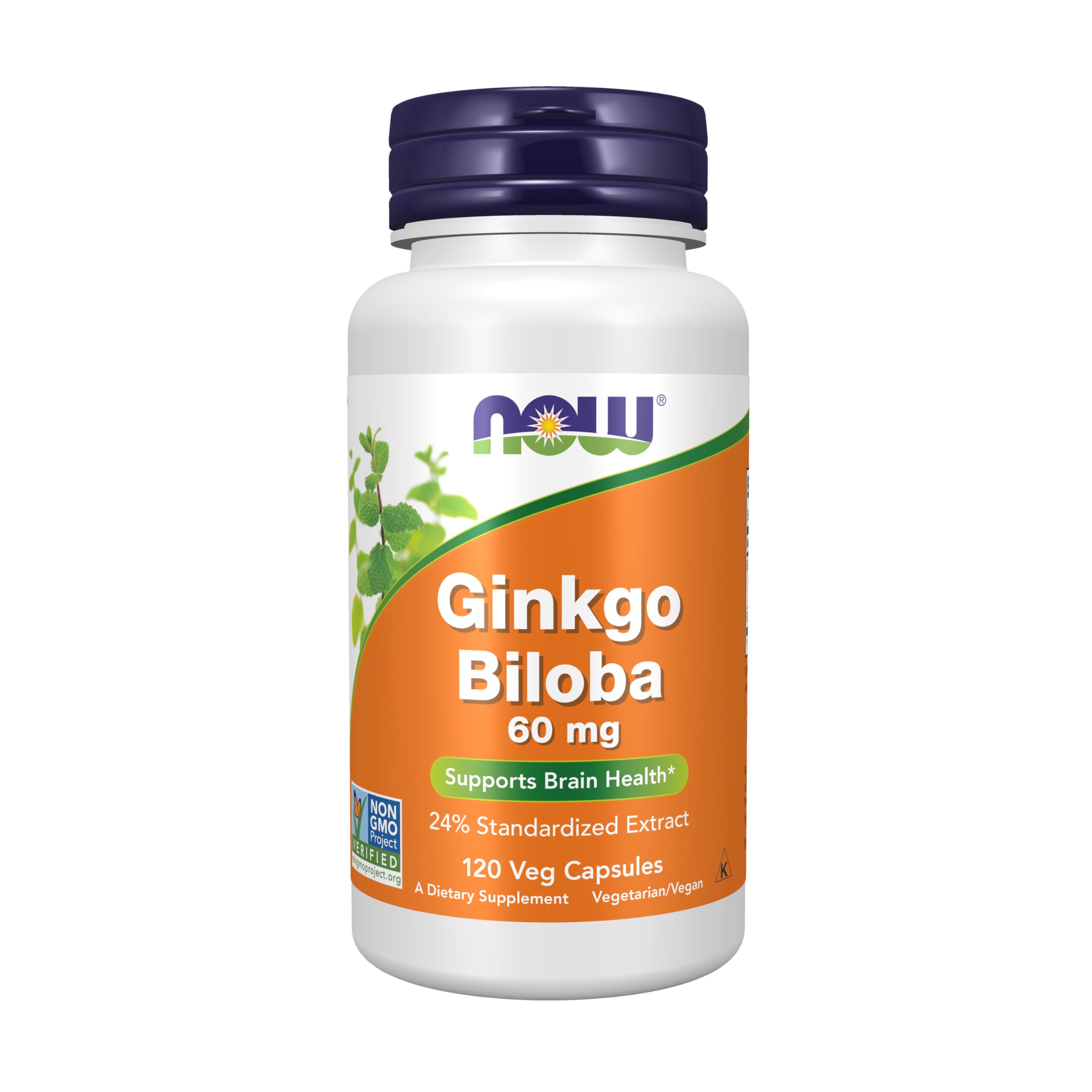
NOW Foods Supplements, Ginkgo Biloba 60 mg, 24% Standardized Extract, Non-GMO Project Verified, 60 Veg Capsules
24% ginkgoflavonglycosides and 6% terpene lactones. <strong>The extract comes from the leaves of the famous Ginkgo tree with its dynamic history of populating the earth for millions of years</strong>.

Jarrow Formulas Citicoline CDP 250 MG, CDP Choline Supplements, Support Brain Health, Performance and Memory, 120 Capsules, Up to a 120 Day Supply
<strong>Brain Health, Performance and Memory support supplement</strong>: Contains one 120 count bottle of Jarrow Formulas Citicoline CDP Choline 250 mg Capsules for a 60- to 120-day supply.
Evidence & Sources
Promising research with growing clinical support from multiple studies
- American Academy of Ophthalmology
- National Eye Institute (NIH)
- World Health Organization
- Cochrane Database of Systematic Reviews
- Ophthalmology
- JAMA Ophthalmology
- The Lancet Global Health
- National Center for Complementary and Integrative Health (NCCIH)
This content is for informational purposes only and does not constitute medical advice. Always consult a qualified healthcare provider before starting, stopping, or changing any supplement or medication regimen.