

Eczema (Atopic Dermatitis) and Food Allergy
Eczema (atopic dermatitis, AD) and food allergy frequently intersect, especially in infancy and early childhood. Understanding how they relate can help families and clinicians balance skin care, nutrition, and safety. Research shows that infants with moderate-to-severe eczema have a substantially higher risk of IgE‑mediated food allergy—particularly to egg, milk, and peanut—than peers without eczema. This clustering fits the “atopic march,” in which eczema often appears first and some children later develop food allergy, allergic rhinitis, or asthma. Not every child follows this path, and risk is shaped by eczema severity, family history of atopy, genetics (notably filaggrin variants), and environmental exposures. Mechanistically, a weakened skin barrier in eczema allows environmental food proteins (for example, peanut dust in the home) to penetrate and “teach” the immune system to react—a process known as transcutaneous sensitization. Th2‑skewed immunity with elevated IgE further amplifies this risk. The skin and gut microbiomes also contribute: Staphylococcus aureus colonization and reduced microbial diversity correlate with worse eczema and may influence allergic responses. Clinically, true food allergy often presents with immediate symptoms after eating (hives, swelling, vomiting, wheeze). Food‑exacerbated eczema is different: some children experience worsening skin inflammation related to foods without classic rapid reactions, and non‑IgE processes can be involved. Because skin prick tests and serum specific IgE can over‑identify sensitization, they are imperfect at pinpointing foods that meaningfully affect eczema. The oral food challenge, performed under medical supervision, remains the diagnostic gold standard when history and tests are inconclusive. Management requires nuance. For established IgE‑mediated food allergy, strict avoidance of confirmed triggers and an anaphylaxis plan (including epinephrine) are essential. For eczema, guideline‑based skin‑dr
Updated August 20, 2026This content is for informational purposes only and does not constitute medical advice. Always consult a qualified healthcare provider before starting, stopping, or changing any supplement or medication regimen.
Shared Risk Factors
Early-onset and moderate-to-severe eczema
Strong EvidenceGreater skin inflammation and barrier dysfunction increase risk of IgE sensitization to foods, especially in infancy.
Filaggrin (FLG) loss‑of‑function variants
Strong EvidenceGenetic defects weaken the stratum corneum barrier, facilitating transcutaneous allergen entry and Th2 skewing.
Family history of atopy (eczema, allergic rhinitis, asthma, food allergy)
Moderate EvidenceShared genetic and environmental contributors heighten risk of both conditions.
Environmental cutaneous exposure to food proteins (e.g., peanut dust, topical products)
Moderate EvidenceFood proteins contacting inflamed skin can drive transcutaneous sensitization.
Delayed introduction of allergenic foods in high‑risk infants
Strong EvidencePostponing peanut/egg introduction may increase food allergy risk; early introduction can be protective.
Microbiome dysbiosis (skin and gut)
Emerging ResearchReduced gut microbial diversity and Staphylococcus aureus skin colonization correlate with Th2 inflammation and sensitization.
Comorbidity Data
Prevalence
Food allergy is more common in children with eczema. Population-based infant cohorts report higher rates of egg (about 20–30%) and peanut (about 5–10%) allergy among those with eczema, compared with substantially lower rates in those without eczema. In specialty clinics of moderate‑to‑severe AD, 30–40% may have oral food challenge–confirmed allergy to common foods. In older children and adults with chronic eczema, true food-triggered disease is less common.
Mechanistic Link
Skin barrier defects (often involving filaggrin), cutaneous exposure to food proteins, and Th2/IgE-biased immunity enable transcutaneous sensitization. Microbiome alterations (skin S. aureus, gut dysbiosis) further bias immune responses. These mechanisms explain why some children with inflamed skin develop IgE‑mediated food allergy and why foods can exacerbate eczema in a subset.
Clinical Implications
Infants with moderate‑to‑severe eczema merit careful dietary histories and, when appropriate, targeted allergy evaluation. Routine broad testing is discouraged due to low positive predictive value and risk of unnecessary food avoidance, which can impair growth and feeding. Oral food challenges are the diagnostic gold standard when history and tests are discordant. Early introduction of peanut (and, in some settings, egg) in high‑risk infants reduces later food allergy. Optimizing eczema control may reduce opportunities for transcutaneous sensitization. Safety planning for confirmed food allergy (epinephrine, action plan) is essential.
Sources (5)
- Martin PE et al. J Allergy Clin Immunol. 2013;131(4):1101-7 (HealthNuts)
- Peters RL et al. J Allergy Clin Immunol. 2017;140(4):1043-1053
- Hill DJ et al. Pediatr Allergy Immunol. 2008;19:620-627
- Du Toit G et al. N Engl J Med. 2015;372:803-813 (LEAP)
- Brough HA et al. J Allergy Clin Immunol. 2015;135:164-170
Overlapping Treatments
Skin barrier optimization (regular emollients, topical anti‑inflammatories)
Moderate EvidenceCore therapy reduces xerosis and inflammation; fewer flares.
By restoring barrier and reducing skin inflammation, may lessen opportunities for transcutaneous sensitization (preventive rationale).
Large prevention trials show emollients alone do not prevent eczema broadly; direct prevention of food allergy unproven.
Targeted elimination of confirmed allergenic foods (based on history/testing and, when needed, oral food challenge)
Moderate EvidenceIn children with food‑exacerbated AD, removing the culprit food may reduce eczema flares.
Prevents IgE‑mediated reactions, including anaphylaxis, to that food.
Unsupervised broad elimination risks nutrient deficiencies and feeding problems; involve an allergist/dietitian.
Early introduction of allergenic foods in high‑risk infants (e.g., peanut, egg)
Strong EvidenceDoes not treat eczema but can be integrated with eczema care in infancy.
Substantially reduces later IgE‑mediated peanut (and in some studies egg) allergy in infants with eczema.
Follow guideline criteria and medical supervision for high‑risk infants; not a treatment for existing food allergy.
Omalizumab (anti‑IgE monoclonal antibody)
Strong EvidenceMay improve eczema severity in some patients with high IgE (off‑label/adjunctive).
Reduces risk and severity of reactions to accidental exposures; now approved for IgE‑mediated food allergy and as adjunct to OIT.
Specialist use; monitor for adverse effects; not a substitute for avoidance in confirmed allergy.
Dupilumab (IL‑4Rα antagonist)
Emerging ResearchRobustly improves moderate‑to‑severe eczema.
May lower food‑specific IgE and improve thresholds during OIT in early studies.
Not approved to treat food allergy; evidence evolving.
Probiotics/synbiotics (select strains)
Emerging ResearchSome prevention and modest treatment signals for eczema in infants/children.
Mixed and preliminary data for preventing food allergy; limited evidence for treatment.
Strain‑specific effects; quality varies; discuss with clinicians.
Dietitian‑guided nutrition and feeding support
Moderate EvidencePrevents growth/micronutrient deficits from restrictive diets; supports healthy skin through balanced nutrition.
Ensures safe allergen avoidance, adequate intake, and feeding skill development.
Best coordinated with allergist to align with diagnostic clarity.
Medical Perspectives
Two Ways of Seeing Health

Western
scientific · clinical
Western medicine applies science, technology, and clinical experience to treat symptoms through testing, diagnosis, and targeted intervention.
Surgeons · Pharmaceuticals · Clinical trials · Diagnostics 
Eastern
traditional · alternative
Eastern medicine focuses on treating the body naturally by applying traditional knowledge practiced for thousands of years, emphasizing balance and whole-person wellness.
Acupuncture · Herbal medicine · Yoga · Meditation
Gold Bamboo presents both perspectives side-by-side so you can make informed decisions. We don't advocate for one over the other — your health choices are yours.
Two Ways of Seeing Health
Western
scientific · clinical
Western medicine applies science, technology, and clinical experience to treat symptoms through testing, diagnosis, and targeted intervention.
Eastern
traditional · alternative
Eastern medicine focuses on treating the body naturally by applying traditional knowledge practiced for thousands of years, emphasizing balance and whole-person wellness.
Gold Bamboo presents both perspectives side-by-side so you can make informed decisions. We don't advocate for one over the other — your health choices are yours.
Western Perspective
Western medicine views eczema and food allergy as related but distinct atopic conditions linked by barrier dysfunction, Th2‑skewed immunity, and environmental exposures. The relationship is strongest in infancy and in moderate-to-severe eczema, where risk of true IgE‑mediated food allergy is elevated. Diagnosis relies on history plus judicious testing, with oral food challenge as the gold standard.
Key Insights
- Eczema severity and early onset predict higher risk of food allergy; filaggrin variants strengthen this link.
- Cutaneous exposure to food proteins in the setting of eczema is a plausible route to sensitization.
- Skin prick testing and serum specific IgE identify sensitization but have low positive predictive value for eczema flares; over‑testing can lead to harmful avoidance.
- Early introduction of peanut (and, in some contexts, egg) in infants with eczema reduces later food allergy.
- Biologics that modulate IgE/Th2 pathways (omalizumab, dupilumab) may influence both conditions, though only omalizumab currently has a food allergy indication.
Treatments
- Eczema control: emollients, topical corticosteroids/calcineurin inhibitors, antimicrobial strategies for S. aureus
- Confirmed food allergy: strict avoidance, epinephrine and action plan, consideration of OIT with specialist care
- Prevention: early peanut/egg introduction in eligible high‑risk infants
- Adjuncts in selected cases: omalizumab (food allergy), dupilumab (eczema)
- Nutrition support: registered dietitian involvement for any elimination diet
Deep Dive
From a western clinical standpoint, eczema and food allergy are related by shared atopic biology, most prominent in infancy. A dysfunctional epi... From a western clinical standpoint, eczema and food allergy are related by shared atopic biology, most prominent in infancy. A dysfunctional epidermal barrier—amplified by filaggrin variants—permits allergens to penetrate inflamed skin. In that milieu, dendritic cells present food proteins to a Th2‑biased immune system, encouraging class‑switching to IgE. Epidemiology aligns with this model: infants with moderate‑to‑severe eczema are far more likely to have egg or peanut allergy than peers without eczema in population‑based cohorts. Environmental cutaneous exposure, such as household peanut dust or topical products containing food proteins, further elevates risk, especially when barrier impairment is pronounced. Clinically, the overlap is nuanced. IgE‑mediated food allergy typically causes rapid hives, vomiting, wheeze, or anaphylaxis after ingestion. By contrast, food‑exacerbated eczema features delayed or subacute skin worsening; non‑IgE pathways may be involved, and objective confirmation is challenging. Because skin prick testing and serum specific IgE detect sensitization rather than clinical allergy, they have modest positive predictive value in eczema populations. Over‑reliance on tests can lead to unnecessary food avoidance with growth and feeding consequences. Accordingly, guidelines emphasize careful history, targeted testing, and supervised oral food challenges as the diagnostic gold standard when uncertainty remains. Management integrates skin and allergy care. First, optimize eczema with emollients, topical anti‑inflammatories, and measures to reduce Staphylococcus aureus. For confirmed IgE‑mediated food allergy, strict avoidance and anaphylaxis preparedness are essential; oral immunotherapy may be considered in specialist settings. Prevention strategies are a major success: early peanut introduction for infants with eczema reduces later peanut allergy, with data for egg emerging. Biologics underscore shared mechanisms: omalizumab now has evidence and approval for food allergy and may modestly benefit eczema in select patients, while dupilumab powerfully treats eczema and shows early promise as an adjunct in food desensitization. Throughout, nutrition support from a registered dietitian helps avoid the harms of unnecessary restriction while maintaining growth and developmental feeding skills.
Sources
- AAAAI/ACAAI Practice Parameter: Food Allergy. J Allergy Clin Immunol. 2014 update; 2020 updates
- NIAID Addendum Guidelines for Peanut Allergy Prevention. J Allergy Clin Immunol. 2017
- Du Toit G et al. N Engl J Med. 2015 (LEAP) and 2016 (LEAP‑On)
- Perkin MR et al. N Engl J Med. 2016 (EAT)
- Natsume O et al. Lancet. 2017 (PETIT)
- Brough HA et al. J Allergy Clin Immunol. 2015
- Chalmers JR et al. Lancet. 2020 (BEEP)
- NEJM. 2024 Omalizumab for Multiple Food Allergies
Eastern Perspective
Traditional systems emphasize the skin–gut–immune axis through constitutional imbalance, diet, and environmental factors. In Traditional Chinese Medicine (TCM), eczema often reflects wind, damp‑heat, and blood dryness; certain foods are thought to aggravate these patterns. Ayurveda describes Vicharchika, involving derangements of doshas (especially Pitta/Kapha) and ‘Agni’ (digestive fire), with dietary regulation central to care. Contemporary integrative practitioners blend these frameworks with modern safety principles, especially around confirmed IgE‑mediated allergy.
Key Insights
- Diet influences internal heat, dampness, and immune balance; individualized patterns guide food choices rather than blanket avoidance.
- Restoring barrier and microbiome harmony (through topical botanicals, gentle bathing, and select probiotics/fermented foods) is emphasized.
- Herbal formulas (e.g., TCM Xiao Feng San or modified prescriptions) and Ayurvedic botanicals (e.g., turmeric, neem) aim to calm inflammation and itch.
- Acupuncture and stress‑modulating practices may reduce itch perception and improve sleep, indirectly benefiting skin healing.
- Even within traditional approaches, strict avoidance of a medically confirmed allergen is prioritized for safety.
Treatments
- TCM pattern‑guided formulas (e.g., Xiao Feng San) and external washes; practitioner‑supervised
- Ayurvedic diet and skin care tailored to dosha balance; gentle oils (e.g., medicated ghee)
- Probiotics/fermented foods and fiber‑rich diets to support the gut–skin axis
- Acupuncture/acupressure to reduce pruritus and stress reactivity
- Mind–body practices (meditation, breathing) to curb itch–scratch cycles
Deep Dive
Traditional and integrative perspectives view the skin–gut–immune network as an interconnected system in which diet, digestion, and environment ... Traditional and integrative perspectives view the skin–gut–immune network as an interconnected system in which diet, digestion, and environment shape inflammatory tone. In Traditional Chinese Medicine, many children with eczema are seen as having wind, damp‑heat, or blood‑dryness patterns. Certain foods—often those classified as ‘fa‑wu’ or heat‑promoting—are believed to aggravate these patterns, especially when the skin barrier is open and reactive. Treatment aims to clear heat and dampness, nourish blood, and calm wind with individualized herbal formulas such as Xiao Feng San, along with topical botanical washes and emollients to protect the skin’s defensive ‘wei qi.’ Ayurveda conceptualizes Vicharchika as a disturbance in doshas and Agni; it emphasizes gentle detoxification, digestive support, and a pathya (suitable) diet adapted to the child’s constitution, with botanicals like turmeric or neem used to cool and soothe the skin. Modern integrative practice blends these traditions with the safety imperatives of western allergy care. Practitioners may employ acupuncture or acupressure to reduce itch, anxiety, and sleep disruption—key drivers of the itch–scratch cycle—while encouraging fermented foods or carefully selected probiotics to foster a resilient gut microbiome. Importantly, when an IgE‑mediated allergy is medically confirmed, strict avoidance and readiness to treat anaphylaxis are upheld across traditions. Rather than broad, blanket food bans, both TCM and Ayurveda advocate individualized dietary adjustments aligned with pattern or dosha assessment, ideally coordinated with allergists and dietitians to protect growth and ensure nutritional adequacy. This respectful synthesis allows families to pursue barrier repair, dietary harmony, and mind–body practices without sacrificing evidence‑based allergy safety, reflecting a shared goal: calmer skin, safer eating, and healthier development.
Sources
- Chen W et al. Evidence‑Based Complementary and Alternative Medicine. 2015 (Xiao Feng San in AD)
- Kobayashi H et al. Kampo Med. 2010
- Systematic reviews on acupuncture for pruritus: Lee MS et al. Br J Dermatol. 2012
- Panduru M et al. Cochrane. 2018 (probiotics for eczema prevention)
- Ayurvedic texts on Vicharchika; modern integrative reviews
Evidence Ratings
Infants with moderate‑to‑severe eczema have a markedly higher prevalence of egg and peanut allergy than those without eczema.
HealthNuts cohort: Martin PE et al. J Allergy Clin Immunol. 2013; Peters RL et al. 2017
Filaggrin loss‑of‑function variants increase risk for both eczema severity and food sensitization/allergy.
Irvine AD & McLean WHI. Nat Rev Immunol. 2006/2011; Brough HA et al. JACI. 2015
Early peanut introduction in high‑risk infants (often with eczema) reduces peanut allergy substantially.
Du Toit G et al. N Engl J Med. 2015; LEAP‑On 2016
Skin prick tests and serum specific IgE have limited positive predictive value for identifying foods that worsen eczema; oral food challenge is the diagnostic gold standard.
AAAAI/ACAAI Food Allergy Practice Parameter, 2014/2020 updates
Broad, unsupervised elimination diets can impair growth and micronutrient status in children with eczema.
AAP and allergy practice guidance; systematic reviews on dietary exclusions in eczema (Cochrane 2008/2014)
Routine emollient use in newborns does not prevent eczema or food allergy at the population level.
Chalmers JR et al. Lancet. 2020 (BEEP); Skjerven HO et al. JACI. 2020 (PreventADALL analyses)
Omalizumab reduces reaction risk to accidental food exposures and can facilitate desensitization with OIT.
N Engl J Med. 2024 multicenter RCT on omalizumab for multiple food allergies
Dupilumab improves eczema and may lower food‑specific IgE or increase thresholds to reaction in early studies.
J Allergy Clin Immunol (early phase studies, 2021–2024)
Sources
- Martin PE et al. J Allergy Clin Immunol. 2013;131(4):1101-1107 (HealthNuts)
- Peters RL et al. J Allergy Clin Immunol. 2017;140(4):1043-1053
- Hill DJ et al. Pediatr Allergy Immunol. 2008;19:620-627
- Du Toit G et al. N Engl J Med. 2015;372:803-813 (LEAP) and 2016;374:1435-1443 (LEAP‑On)
- Perkin MR et al. N Engl J Med. 2016;374:1733-1743 (EAT)
- Natsume O et al. Lancet. 2017;389:276-286 (PETIT)
- Brough HA et al. J Allergy Clin Immunol. 2015;135:164-170
- Irvine AD, McLean WHI. Nat Rev Immunol. 2006;6:41-52
- AAAAI/ACAAI Food Allergy Practice Parameter. J Allergy Clin Immunol. 2014; updates 2020
- Chalmers JR et al. Lancet. 2020;395:962-973 (BEEP)
- Skjerven HO et al. J Allergy Clin Immunol. 2020;146:620-630 (PreventADALL analyses)
- NEJM. 2024. Omalizumab for Multiple Food Allergies (multicenter RCT)
- Cochrane Reviews on dietary exclusions and probiotics in eczema (2008–2018)
Related Topics
Recommended Products

Food Allergies: A Complete Guide for Eating When Your Life Depends on It (A Johns Hopkins Press Health Book): Sicherer, Scott H.
Scott H. Sicherer, MD, is a professor of pediatrics and the director of the Jaffe Food Allergy Institute at the Icahn School of Medicine at Mount Sinai. He is the deputy editor of the Journal of Aller

Vanicream Moisturizing Skin Cream with Pump Dispenser - 16 fl oz (1 lb) - Moisturizer Formulated Without Common Irritants for Those with Sensitive Skin
Vanicream Gentle Facial Cleanser with Pump Dispenser - 8 fl oz - Formulated Without Common Irritants for Those with Sensitive Skin ... La Roche-Posay Toleriane Hydrating Gentle Face Cleanser, Hydratin
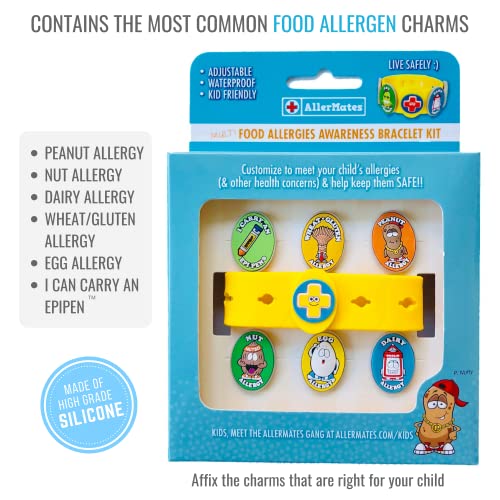
Food Allergy Bracelets for Kids – Bright, Fun Medical Charm Kit: Yellow Silicone Bracelet, Multiple Food Allergy Charms: Peanut, Nut, Dairy, Egg, Wheat & Epi Pen Charm, Medical Alert Bracelet for Kids
<strong>This silicone bracelet is easy to customize and wear</strong>. Just insert and position the food allergy charms using the keyholes to secure it. It has an adjustable snap with 3 slots to fit s
Health Disclaimer
This content is for informational purposes only and does not constitute medical advice. Always consult a qualified healthcare provider before starting, stopping, or changing any supplement or medication regimen.