

Digestive Disorders and Naturopathic Medicine
Digestive disorders such as irritable bowel syndrome (IBS), gastroesophageal reflux disease (GERD), inflammatory bowel disease (IBD), small intestinal bacterial overgrowth (SIBO), functional dyspepsia, and chronic constipation are common and often overlap. Naturopathic medicine approaches these conditions with core principles: identify and address root causes (dietary triggers, microbiome imbalance, stress, motility issues), personalize care to the individual, and integrate safely with conventional medicine when needed. From a Western evidence standpoint, many naturopathic tools align with guideline-supported therapies. Dietary strategies, especially a structured low-FODMAP diet for IBS, show meaningful symptom reduction. Soluble fiber (psyllium) is effective for constipation and can improve IBS symptoms. Specific probiotics can help some people with IBS, though benefits are strain- and outcome-specific and evidence is heterogeneous. Enteric‑coated peppermint oil can reduce IBS‑related abdominal pain, but it may worsen reflux in GERD. Mind–body therapies such as gut‑directed hypnotherapy and cognitive behavioral therapy can improve global IBS outcomes. For IBD, certain botanicals (for example, curcumin) have adjunctive evidence in ulcerative colitis, while primary medical therapy remains essential. For functional dyspepsia, combination herbal products like Iberogast have supportive studies. Evidence for herbal antimicrobials in SIBO is preliminary. Traditional and integrative perspectives emphasize restoring digestive strength (Agni in Ayurveda), soothing and protecting mucosa (demulcents like deglycyrrhizinated licorice), harmonizing liver–bile and gut motility (carminatives such as ginger, chamomile, fennel), and balancing Spleen–Stomach Qi (TCM) through acupuncture, diet therapy, and stress regulation. These approaches are framed within whole‑person care and often complement nutrition and lifestyle changes. Where Western and Eastern views converge: food and a
Updated September 8, 2026This content is for informational purposes only and does not constitute medical advice. Always consult a qualified healthcare provider before starting, stopping, or changing any supplement or medication regimen.
Overlapping Treatments
Structured diet therapy (e.g., low-FODMAP, targeted elimination)
Strong EvidenceReduces global IBS symptoms; may lessen bloating, gas, and abdominal pain; sometimes helps functional dyspepsia and non‑erosive reflux
Embodies root‑cause focus (food triggers, fermentation); individualized reintroduction supports long‑term sustainability
Short‑term use with guided reintroduction is preferred; risk of over‑restriction without professional oversight
Soluble fiber (psyllium/ispaghula)
Strong EvidenceImproves stool frequency/consistency in constipation; can reduce IBS symptoms
Gentle, foundational therapy aligned with naturopathic emphasis on diet and gut ecology
May increase gas/bloating initially; ensure adequate fluids; choose soluble over insoluble fiber for IBS
Probiotics (strain‑specific)
Moderate EvidenceMay reduce IBS symptoms (pain, bloating) in some; can aid antibiotic‑associated diarrhea prevention
Targets microbiome balance, a common naturopathic goal
Benefits are strain‑ and dose‑specific; inconsistent results; caution in severe immunocompromise
Enteric‑coated peppermint oil
Strong EvidenceReduces IBS‑related abdominal pain and global symptom scores
Carminative effect fits botanical toolkit for spasm and visceral hypersensitivity
May worsen heartburn or reflux; avoid in severe GERD or hiatal hernia without supervision
Mind–body therapies (gut‑directed hypnotherapy, CBT, mindfulness)
Strong EvidenceImproves global IBS outcomes and quality of life; may reduce symptom severity and healthcare use
Addresses stress and brain–gut axis, central to whole‑person naturopathic care
Access and adherence can be limiting; requires trained practitioners or validated digital programs
Herbal carminatives and multi‑herb formulas (e.g., Iberogast/STW‑5)
Moderate EvidenceMay reduce functional dyspepsia and IBS symptoms (fullness, pain, cramping)
Combines bitters, antispasmodics, and pro‑motility herbs consistent with traditional practice
Potential herb–drug interactions and allergy risks; product quality varies
Deglycyrrhizinated licorice (DGL) and demulcents (e.g., slippery elm)
Emerging ResearchTraditionally used to soothe esophageal/gastric irritation and functional dyspepsia
Mucosal support aligns with naturopathic tissue‑healing focus
Avoid glycyrrhizin‑containing licorice in hypertension or on certain medications; evidence base is limited
Curcumin/turmeric (adjunct in ulcerative colitis)
Moderate EvidenceAdjunct to standard therapy may help induce/maintain remission in UC
Anti‑inflammatory botanical consistent with gentle, adjunctive approaches
Potential interactions (e.g., anticoagulants); not a substitute for medical therapy in IBD
Medical Perspectives
Two Ways of Seeing Health

Western
scientific · clinical
Western medicine applies science, technology, and clinical experience to treat symptoms through testing, diagnosis, and targeted intervention.
Surgeons · Pharmaceuticals · Clinical trials · Diagnostics 
Eastern
traditional · alternative
Eastern medicine focuses on treating the body naturally by applying traditional knowledge practiced for thousands of years, emphasizing balance and whole-person wellness.
Acupuncture · Herbal medicine · Yoga · Meditation
Gold Bamboo presents both perspectives side-by-side so you can make informed decisions. We don't advocate for one over the other — your health choices are yours.
Two Ways of Seeing Health
Western
scientific · clinical
Western medicine applies science, technology, and clinical experience to treat symptoms through testing, diagnosis, and targeted intervention.
Eastern
traditional · alternative
Eastern medicine focuses on treating the body naturally by applying traditional knowledge practiced for thousands of years, emphasizing balance and whole-person wellness.
Gold Bamboo presents both perspectives side-by-side so you can make informed decisions. We don't advocate for one over the other — your health choices are yours.
Western Perspective
Western medicine increasingly recognizes that several naturopathic strategies overlap with evidence‑based first‑line care for functional GI disorders. Dietary modification, targeted soluble fiber, certain botanicals (peppermint oil), and psychogastroenterology interventions have meaningful data, while other naturopathic tools (probiotics broadly, herbal antimicrobials for SIBO, demulcents) have mixed or preliminary evidence. For inflammatory conditions like IBD, botanicals such as curcumin may serve as adjuncts to, not replacements for, guideline‑directed therapy. Safety, product quality, and herb–drug interactions remain key considerations.
Key Insights
- Low‑FODMAP diet reduces global IBS symptoms compared with traditional dietary advice
- Soluble fiber (psyllium) is effective for chronic constipation and helpful in IBS
- Enteric‑coated peppermint oil reduces IBS abdominal pain but can aggravate reflux
- Psychological therapies (CBT, gut‑directed hypnotherapy) yield clinically significant IBS improvements
- Evidence for probiotics is heterogeneous and strain‑specific; routine use is debated in guidelines
Treatments
- Low‑FODMAP diet with structured reintroduction
- Psyllium fiber supplementation
- Enteric‑coated peppermint oil for IBS pain
- Gut‑directed hypnotherapy/CBT
- Standard care as needed: PPIs for GERD, rifaximin for IBS‑D/SIBO, anti‑inflammatories/biologics for IBD
Deep Dive
From a Western clinical lens, the naturopathic approach to digestive disorders overlaps substantially with evidence‑based lifestyle and behavior... From a Western clinical lens, the naturopathic approach to digestive disorders overlaps substantially with evidence‑based lifestyle and behavioral care. In IBS, high‑quality trials support a structured low‑FODMAP diet to reduce fermentable carbohydrate load and thus lower gas production and luminal distension—factors linked to pain and bloating. Soluble fiber (psyllium) improves stool form in constipation and may temper symptoms across IBS subtypes. Enteric‑coated peppermint oil, via antispasmodic menthol effects on smooth muscle, can improve abdominal pain, though reflux‑prone patients may experience heartburn exacerbation. Psychogastroenterology has matured rapidly: gut‑directed hypnotherapy and cognitive behavioral therapy deliver clinically meaningful reductions in symptom severity and healthcare utilization, reflecting brain–gut axis modulation. Probiotics remain an area of active study; meta‑analyses suggest modest benefits for some outcomes in IBS, but heterogeneity and strain specificity lead major societies to advise selective rather than routine use. For functional dyspepsia, multi‑herb preparations such as Iberogast (containing bitter and antispasmodic botanicals) have randomized data supporting reductions in fullness and epigastric pain. Inflammatory bowel disease requires conventional anti‑inflammatory and immunomodulatory therapy; however, curcumin has demonstrated adjunctive efficacy in ulcerative colitis, possibly through NF‑kB pathway modulation. For SIBO, herbal antimicrobial protocols are used in integrative settings, but evidence is largely observational; rifaximin remains a standard option within guidelines. Across conditions, Western practice emphasizes diagnostic clarity (red‑flag screening), safety (drug–herb interactions, product quality), and step‑wise integration of complementary therapies where evidence is strongest.
Sources
- Lacy BE et al. ACG Clinical Guideline: Management of IBS. Am J Gastroenterol. 2021.
- Katz PO et al. ACG Clinical Guideline for GERD. Am J Gastroenterol. 2022.
- Black CJ et al. Efficacy of psychological therapies for IBS: systematic review & meta‑analysis. Gut. 2020.
- Khanna R et al. Peppermint oil for IBS: meta‑analysis. J Clin Gastroenterol. 2014.
- AGA Clinical Practice Guidelines on Probiotics in GI Disorders. Gastroenterology. 2020.
Eastern Perspective
Naturopathic medicine shares philosophical ground with Ayurveda and Traditional Chinese Medicine (TCM): strengthen digestive capacity, calm the nervous system, and restore balance through food, botanicals, and lifestyle. Practitioners look for root patterns—insufficient digestive fire (Agni), Spleen–Stomach Qi deficiency or Liver Qi stagnation, impaired motility, or dysbiosis. Treatment is individualized, often combining diet therapy, carminatives/bitters, demulcents, selective antimicrobial herbs, and practices like acupuncture, yoga, and breathwork. These modalities are intended to harmonize the brain–gut axis and support mucosal healing, often alongside conventional diagnostics and treatments.
Key Insights
- Diet is primary medicine; emphasis on whole foods, mindful eating, and identifying personal triggers
- Carminative and bitter herbs (ginger, fennel, chamomile, artichoke) support motility, bile flow, and gas reduction
- Demulcents (DGL licorice, slippery elm, marshmallow) soothe irritated mucosa in dyspepsia/functional heartburn
- Acupuncture modulates autonomic tone and visceral sensitivity, relevant to IBS and functional dyspepsia
- Ayurvedic formulations like Triphala are used for constipation and digestive regularity
Treatments
- Personalized diet therapy and meal hygiene (chewing, pacing)
- Carminative/bitters blends; multi‑herb formulas (e.g., Iberogast)
- Demulcent botanicals (DGL licorice, slippery elm)
- Acupuncture for IBS‑related pain/bloating
- Mind–body practices: yoga, pranayama, meditation
Deep Dive
Traditional and naturopathic paradigms view digestion as a central pillar of systemic health. In Ayurveda, robust Agni (digestive fire) ensures ... Traditional and naturopathic paradigms view digestion as a central pillar of systemic health. In Ayurveda, robust Agni (digestive fire) ensures proper transformation of food into energy and tissues; weak Agni leads to accumulation of Ama (undigested residues) that can manifest as bloating, irregularity, and inflammation. Treatment prioritizes individualized diet (favoring easily digestible, warm, spiced foods), mindful meal timing, and herbal supports such as Triphala for bowel regularity and turmeric for cooling inflammation. Demulcent botanicals like deglycyrrhizinated licorice and slippery elm are used to protect and soothe irritated mucosa in functional heartburn or dyspepsia. Traditional Chinese Medicine frames many functional GI complaints as Spleen–Stomach Qi deficiency, sometimes complicated by Liver Qi stagnation. Therapeutic aims include harmonizing the middle burner, moving stagnant Qi, and settling rebellious Stomach Qi (counterflow). Acupuncture along Stomach, Spleen, and Liver meridians can reduce visceral hypersensitivity and modulate autonomic balance, which aligns with modern understandings of the brain–gut axis. Herbal carminatives and bitters—ginger, fennel, chamomile, artichoke—support motility and bile flow, easing cramping and fullness. Multi‑herb formulas like Iberogast operationalize this synergy. Naturopathic physicians synthesize these traditions with contemporary science: they assess food intolerances, microbial imbalance, motility, stress, and sleep; they apply stepwise, least‑force interventions—dietary changes, fiber, botanicals, stress regulation—while coordinating with conventional care where indicated (e.g., PPIs for erosive GERD, antibiotics for SIBO, biologics for IBD). This integrative, root‑cause mindset emphasizes patient education, self‑care skills, and careful monitoring to tailor interventions, minimize risks, and build long‑term digestive resilience.
Sources
- Zhang Y et al. Acupuncture for IBS: systematic reviews. World J Gastroenterol. 2022.
- Melzer J et al. STW‑5 (Iberogast) in functional dyspepsia: systematic review. Phytomedicine. 2004.
- Singla V et al. Curcumin as add‑on therapy in mild‑to‑moderate UC: RCT. J Crohns Colitis. 2014.
- Hanai H et al. Curcumin maintenance therapy in UC: RCT. Clin Gastroenterol Hepatol. 2006.
- Chedid V et al. Herbal therapy vs rifaximin for SIBO: observational study. Glob Adv Health Med. 2014.
Evidence Ratings
A structured low‑FODMAP diet improves global IBS symptoms compared with conventional dietary advice.
Lacy BE et al. ACG Clinical Guideline: Management of IBS. Am J Gastroenterol. 2021.
Psyllium (soluble fiber) improves stool outcomes in chronic constipation and reduces IBS symptoms.
Moayyedi P et al. The effect of fiber in IBS: systematic review. Am J Gastroenterol. 2014.
Enteric‑coated peppermint oil reduces abdominal pain and global symptoms in IBS.
Khanna R et al. Peppermint oil for IBS: meta‑analysis. J Clin Gastroenterol. 2014.
Psychological therapies (CBT, gut‑directed hypnotherapy) produce clinically meaningful improvements in IBS.
Black CJ et al. Psychological therapies for IBS: systematic review & meta‑analysis. Gut. 2020.
Probiotics may help some IBS patients, but effects are strain‑specific and heterogeneous across studies.
AGA Clinical Practice Guidelines on Probiotics in GI Disorders. Gastroenterology. 2020.
Curcumin, as adjunct to standard therapy, may help induce/maintain remission in ulcerative colitis.
Hanai H et al. Clin Gastroenterol Hepatol. 2006; Singla V et al. J Crohns Colitis. 2014.
Iberogast (STW‑5) reduces symptoms in functional dyspepsia and IBS subsets.
Melzer J et al. STW‑5: systematic review. Phytomedicine. 2004.
Herbal antimicrobials for SIBO have preliminary supportive data but lack robust RCTs.
Chedid V et al. Glob Adv Health Med. 2014.
Sources
- Lacy BE, Pimentel M, Brenner DM, et al. ACG Clinical Guideline: Management of Irritable Bowel Syndrome. Am J Gastroenterol. 2021.
- Katz PO, Dunbar KB, Schnoll-Sussman FH, et al. ACG Clinical Guideline for the Diagnosis and Management of Gastroesophageal Reflux Disease. Am J Gastroenterol. 2022.
- Black CJ, Thakur ER, Houghton LA, Quigley EMM, Ford AC. Efficacy of psychological therapies for irritable bowel syndrome: systematic review and network meta-analysis. Gut. 2020.
- Khanna R, MacDonald JK, Levesque BG. Peppermint oil for irritable bowel syndrome: a meta-analysis. J Clin Gastroenterol. 2014.
- AGA Clinical Practice Guidelines on the Role of Probiotics in the Management of Gastrointestinal Disorders. Gastroenterology. 2020.
- Melzer J, Rösch W, Reichling J, et al. Meta-analysis of STW 5 (Iberogast) for functional dyspepsia and IBS. Phytomedicine. 2004.
- Hanai H, Iida T, Takeuchi K, et al. Curcumin maintenance therapy for ulcerative colitis: RCT. Clin Gastroenterol Hepatol. 2006.
- Singla V, Pratap Mouli V, Garg SK, et al. Curcumin as add-on therapy in ulcerative colitis: RCT. J Crohns Colitis. 2014.
- Chedid V, Dhalla S, Clarke JO, et al. Herbal therapy is equivalent to rifaximin for SIBO eradication: observational study. Glob Adv Health Med. 2014.
- Ford AC, Moayyedi P, Lacy BE, et al. American College of Gastroenterology Monograph on the Management of Irritable Bowel Syndrome and Chronic Idiopathic Constipation. Am J Gastroenterol. 2014.
Related Topics
Topics
- Irritable Bowel Syndrome (IBS)
- Gastroesophageal Reflux Disease (GERD)
- Inflammatory Bowel Disease (IBD)
- Ulcerative Colitis
Recommended Products

Integrative Gastroenterology: Mullin, Gerard
Gerard E. Mullin is <strong>Associate Professor of Medicine, Director of Integrative GI Nutrition Services, and Director of Capsule Endoscopy for the Gastroenterology Division at the Johns Hopkins Hos

IBgard Gut Health Supplement, Peppermint Oil Capsules for Abdominal Comfort, 48 Capsules
DAILY GUT-HEALTH GARD (1): IBgard can be taken daily and is clinically shown to help manage a combination of occasional symptoms: cramping, bowel urgency, diarrhea, constipation, bloating, and gas (1)
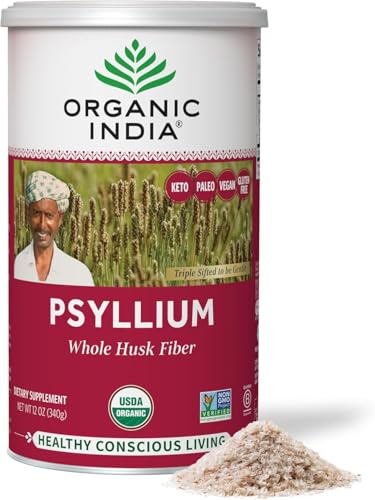
ORGANIC INDIA Psyllium Herbal Powder - Whole Husk Fiber, Vegan, Gluten-Free, USDA Certified Organic, Non-GMO, Soluble & Insoluble Fiber Source - 12 Oz Canister (Pack of 1) : Psyllium Nutritional Supplements
Amazon.com : ORGANIC INDIA Psyllium Herbal Powder - Whole Husk Fiber, Vegan, Gluten-Free, USDA Certified Organic, Non-GMO, Soluble & Insoluble Fiber Source - 12 Oz Canister (Pack of 1) : Psyllium
Health Disclaimer
This content is for informational purposes only and does not constitute medical advice. Always consult a qualified healthcare provider before starting, stopping, or changing any supplement or medication regimen.