

Depression and Vitamin D
Depression is a common mental health condition with biological, psychological, and social contributors. Vitamin D, a hormone-like nutrient produced in skin with sunlight exposure and obtained from diet, has been linked to brain function, inflammation, and sleep—systems that also influence mood. Understanding how vitamin D and depression intersect can help readers have informed conversations with clinicians about testing, lifestyle, and integrative care. Mechanistically, vitamin D receptors are present in brain regions involved in mood regulation, including the hippocampus and cortex. Experimental work suggests active vitamin D influences neurotrophins (such as BDNF), modulates immune pathways by reducing pro‑inflammatory cytokines, and may affect serotonin synthesis and circadian biology. These pathways are also implicated in depressive symptomatology, though direct causal proof in humans remains limited. Observational studies consistently find that lower serum 25‑hydroxyvitamin D [25(OH)D] levels correlate with higher odds of depressive symptoms, with small-to-moderate effect sizes. Randomized trials are more mixed: large prevention trials in generally healthy adults have not shown reduced depression incidence with routine supplementation, while several meta‑analyses report modest symptom improvements among people with major depressive disorder or in those who are vitamin D deficient at baseline. Heterogeneity in dosing, baseline status, and co‑treatments likely contributes to variability in results. People at increased risk for vitamin D deficiency include those with limited sun exposure, residents of northern latitudes, individuals with darker skin, older adults, people with obesity, and those with malabsorption or chronic kidney/liver disease. Many of these same groups also have elevated depression risk. Lower vitamin D levels often track with greater symptom severity, although this does not establish causation. Clinical implications include considering 25(O
Updated September 8, 2026This content is for informational purposes only and does not constitute medical advice. Always consult a qualified healthcare provider before starting, stopping, or changing any supplement or medication regimen.
Shared Risk Factors
Limited sun exposure (latitude, season, indoor lifestyle)
Moderate EvidenceLess UVB exposure lowers endogenous vitamin D synthesis and is associated with seasonal mood changes and higher depression risk, especially in winter.
Darker skin pigmentation
Strong EvidenceHigher melanin reduces UVB-mediated vitamin D synthesis; some ethnic groups also face higher psychosocial stressors linked to depression.
Obesity
Moderate EvidenceVitamin D can be sequestered in adipose tissue, lowering circulating levels; obesity is independently linked to depression via metabolic and inflammatory pathways.
Older age
Strong EvidenceAging skin synthesizes less vitamin D; older adults are at higher risk for both deficiency and depression due to medical comorbidity, isolation, and sleep disruption.
Chronic illness/malabsorption (CKD, liver disease, IBD, celiac, bariatric surgery)
Moderate EvidenceThese conditions impair vitamin D activation or absorption and are associated with elevated depression burden.
Low outdoor physical activity
Moderate EvidenceLess time outdoors limits sun exposure; physical inactivity is a risk factor for depression.
Overlapping Treatments
Vitamin D supplementation (as adjunct care)
Moderate EvidenceMay modestly reduce depressive symptoms in people with major depression or baseline deficiency when added to standard care.
Raises serum 25(OH)D and corrects deficiency.
Monitor for hypercalcemia in at‑risk conditions (e.g., granulomatous disease); discuss with a clinician, especially if taking thiazide diuretics or with a history of kidney stones.
Safe sunlight/UVB exposure
Moderate EvidenceDaylight exposure supports circadian entrainment and may improve mood, particularly in seasonal patterns.
Stimulates endogenous vitamin D synthesis in skin.
Balance with skin cancer risk; UVB varies by latitude, season, time of day, and skin pigmentation.
Outdoor physical activity
Strong EvidenceExercise reduces depressive symptoms and relapse risk.
Incidental sun exposure can improve vitamin D status.
Adapt to fitness level and medical conditions; climate and mobility can limit feasibility.
Mediterranean-style dietary pattern (including vitamin D–containing foods such as fatty fish and fortified dairy/alternatives)
Moderate EvidenceAssociated with lower depression risk and improved symptoms in some studies.
Improves dietary vitamin D intake alongside other nutrients.
Dietary preferences, allergies, or intolerances may require alternatives.
Weight management in individuals with obesity
Moderate EvidenceWeight loss is linked to mood improvement for some people.
Can increase circulating 25(OH)D concentrations.
Ensure nutritional adequacy and psychological support; personalize approach.
Sleep and circadian hygiene with morning daylight exposure
Emerging ResearchImproves sleep quality and depressive symptoms.
Daytime light exposure may modestly assist vitamin D via occasional UVB, depending on conditions.
Morning visible light alone does not produce vitamin D; UVB availability is often low early in the day.
Integrated care (standard antidepressant/psychotherapy plus vitamin D repletion when deficient)
Moderate EvidenceAddressing deficiency may enhance overall treatment response in some patients.
Targets and normalizes low 25(OH)D as part of comprehensive care.
Coordinate with clinicians; monitor labs and symptoms; few direct interactions with antidepressants are known.
Medical Perspectives
Two Ways of Seeing Health

Western
scientific · clinical
Western medicine applies science, technology, and clinical experience to treat symptoms through testing, diagnosis, and targeted intervention.
Surgeons · Pharmaceuticals · Clinical trials · Diagnostics 
Eastern
traditional · alternative
Eastern medicine focuses on treating the body naturally by applying traditional knowledge practiced for thousands of years, emphasizing balance and whole-person wellness.
Acupuncture · Herbal medicine · Yoga · Meditation
Gold Bamboo presents both perspectives side-by-side so you can make informed decisions. We don't advocate for one over the other — your health choices are yours.
Two Ways of Seeing Health
Western
scientific · clinical
Western medicine applies science, technology, and clinical experience to treat symptoms through testing, diagnosis, and targeted intervention.
Eastern
traditional · alternative
Eastern medicine focuses on treating the body naturally by applying traditional knowledge practiced for thousands of years, emphasizing balance and whole-person wellness.
Gold Bamboo presents both perspectives side-by-side so you can make informed decisions. We don't advocate for one over the other — your health choices are yours.
Western Perspective
Western medicine recognizes biological plausibility for vitamin D’s involvement in mood regulation through neurotrophic, neurotransmitter, inflammatory, and sleep–circadian pathways. Epidemiology shows consistent associations between low 25(OH)D and depressive symptoms, but randomized trials yield mixed results, with clearer benefits in deficient or clinically depressed groups and null effects in large general-population prevention trials.
Key Insights
- Vitamin D receptors and activating enzymes are present in mood-relevant brain regions, supporting mechanistic plausibility.
- Observational studies associate lower 25(OH)D with higher depression risk, but confounding (e.g., illness reducing outdoor time) limits causal inference.
- Large RCTs in generally healthy adults do not prevent incident depression with routine supplementation, while smaller RCTs and meta-analyses suggest modest symptom improvements in major depression or deficiency.
- Inflammation and neuroplasticity markers may shift favorably with vitamin D repletion, potentially mediating mood effects.
- Clinical practice emphasizes assessing deficiency in at-risk individuals and integrating repletion with established depression treatments.
Treatments
- Screening high-risk patients for 25(OH)D deficiency and treating when low
- Adjunctive vitamin D with antidepressants or psychotherapy in deficient patients
- Lifestyle: outdoor physical activity, Mediterranean-style diet, sleep/circadian support
- Bright light therapy for seasonal affective disorder (SAD)
- Ongoing depression care: psychotherapy, pharmacotherapy, and collaborative care models
Deep Dive
From a western clinical lens, the connection between vitamin D and depression is biologically plausible and partially supported by clinical data... From a western clinical lens, the connection between vitamin D and depression is biologically plausible and partially supported by clinical data. The active vitamin D hormone binds receptors throughout the brain, including the hippocampus and prefrontal cortex, where it can influence neurotrophins (e.g., BDNF), neurotransmitter synthesis, and synaptic plasticity. Vitamin D also modulates immune signaling by downregulating pro-inflammatory cytokines implicated in depression and may interact with clock genes and sleep physiology that affect mood regulation. These converging pathways offer a mechanistic scaffold for observed clinical associations. Epidemiologically, low 25-hydroxyvitamin D [25(OH)D] levels consistently correlate with higher depression prevalence and greater symptom severity. However, observational designs cannot fully separate cause from effect—depressed individuals may spend less time outdoors, exercise less, or have dietary patterns that lower vitamin D status. Randomized trial evidence is mixed: in the large VITAL-DEP ancillary study, daily vitamin D3 did not reduce incident depression in a broad adult population, arguing against universal supplementation as a preventive strategy. In contrast, multiple meta-analyses pooling smaller RCTs indicate modest symptom benefits when vitamin D is added to standard depression care, particularly among those who are vitamin D deficient or carry a formal diagnosis of major depressive disorder. Differences in baseline status, dosing regimens, trial duration, and concurrent therapies likely explain some heterogeneity. Clinically, western guidelines emphasize measuring 25(OH)D to confirm deficiency in at-risk individuals rather than blanket screening of all adults. For patients with depression—especially those with risk factors for deficiency—testing can identify a reversible contributor to overall health. When low levels are found, correcting deficiency is standard for bone and metabolic health and may offer ancillary mood benefits. Safety considerations include avoiding excessive intake and monitoring calcium in people with granulomatous disease, hyperparathyroidism, or a history of kidney stones. Known drug interactions are few with antidepressants, though thiazide diuretics can raise hypercalcemia risk and certain medications (e.g., corticosteroids, orlistat, rifampin, some anticonvulsants) lower vitamin D status. Integrating outdoor physical activity, Mediterranean-style nutrition, and sleep–circadian support complements pharmacotherapy and psychotherapy, while bright light therapy remains first-line for seasonal affective disorder. The overall evidence suggests a supportive, adjunctive role for vitamin D in select patients rather than a stand‑alone antidepressant.
Sources
- Eyles DW et al., J Chem Neuroanat, 2005
- Anglin RE et al., Br J Psychiatry, 2013
- Spedding S, Nutrients, 2014
- Shaffer JA et al., Psychosom Med, 2014
- Okereke OI et al., JAMA, 2020
- Zhang Y et al., Nutrients, 2018
- Endocrine Society CPG, JCEM, 2011
- USPSTF Vitamin D Screening, JAMA, 2021
Eastern Perspective
Traditional systems did not frame health in terms of vitamin D, yet they emphasize sunlight, seasonal living, diet, and mind–body balance—factors that overlap with modern understandings of mood and vitamin D biology. In Traditional Chinese Medicine (TCM), depressive states (Yu Zheng) often involve Liver Qi stagnation and can worsen in winter when Yang (warmth/light) declines. Ayurveda links low mood to disturbances in Vata and Kapha and highlights daily rhythms (dinacharya), sunlight, warming foods, and movement to restore balance. Modern integrative practitioners may incorporate vitamin D testing as part of addressing constitutional deficiency while applying traditional therapies.
Key Insights
- Sunlight is viewed as a vital, warming (Yang) or energizing (Surya) influence that supports mood and daily rhythms, aligning with circadian science.
- Seasonal patterns of low mood are addressed by increasing light exposure, outdoor activity, and practices that build warmth and circulation (e.g., acupuncture, yoga).
- Dietary guidance often includes nourishing fats and fish in some traditions, which incidentally supply vitamin D, alongside herbs and mind–body practices for resilience.
- Care is individualized, aiming to correct underlying imbalances while integrating modern labs (such as 25(OH)D) when appropriate.
- Adjunctive practices (breathwork, meditation, qi gong) may reduce stress and inflammation, complementing biomedical strategies.
Treatments
- Seasonally attuned routines with morning light exposure and outdoor movement
- Acupuncture and qi gong for mood regulation and energy circulation
- Ayurvedic dinacharya with warm meals, spices, abhyanga (oil massage), and sun practices
- Yoga and pranayama to support sleep and autonomic balance
- Whole-foods diet including fish and mushrooms (some provide vitamin D when UV-exposed)
Deep Dive
Traditional healing systems place sunlight, seasons, and daily rhythm at the heart of emotional well-being, offering a complementary frame to mo... Traditional healing systems place sunlight, seasons, and daily rhythm at the heart of emotional well-being, offering a complementary frame to modern vitamin D science. In Traditional Chinese Medicine (TCM), depressive states (Yu Zheng) often reflect stagnation of Liver Qi with secondary Spleen or Kidney involvement. Winter’s decline in Yang (light and warmth) is thought to intensify such patterns, resonating with modern observations of seasonal mood variation. Therapeutic approaches aim to restore flow and balance—acupuncture to harmonize Qi, qi gong to integrate breath and movement, and dietary therapy to introduce warmth and nourishment. While TCM did not identify vitamin D, contemporary integrative practitioners may interpret low 25(OH)D as part of a broader deficiency picture and address it alongside traditional modalities. Ayurveda similarly situates mood within the interplay of doshas. Low mood and lethargy often reflect Kapha imbalance; anxiety and variability relate to Vata. Seasonal routines (ritucharya) and daily practices (dinacharya) encourage morning sunlight (Surya) exposure, regular movement, warm and grounding foods, oil massage (abhyanga), and breath practices to steady the nervous system—all overlapping with behaviors that support vitamin D status, circadian health, and inflammation control. Yoga and pranayama, frequently incorporated in Ayurvedic-informed care, are supported by modern studies showing benefits for depressive symptoms and sleep. Integrative clinicians blending these traditions with biomedicine may order a 25(OH)D test when patients have risk factors or present during low-light seasons, correcting deficiency as one layer of care while emphasizing light, movement, diet, and mind–body practices attuned to individual constitution. This approach acknowledges that vitamin D is not a singular solution for depression but a meaningful contributor within a holistic matrix that includes emotional processing, social connection, and spiritual well-being. The shared emphasis on sunlight and rhythm helps align traditional insights with current evidence that circadian regulation, physical activity, and nutrient repletion can all play supportive roles in mood recovery.
Sources
- Zhang ZJ, Evid Based Complement Alternat Med, 2010 (TCM and depression)
- Sornaraj R et al., J Affect Disord, 2020 (acupuncture adjunctive evidence)
- Ayurvedic classical texts and contemporary integrative reviews
- Cramer H et al., Depress Anxiety, 2013 (yoga for depression)
Evidence Ratings
Low serum 25(OH)D levels are associated with higher odds of depressive symptoms.
Anglin RE et al. Vitamin D deficiency and depression, Br J Psychiatry, 2013
Vitamin D supplementation yields modest symptom improvements in people with major depression or baseline deficiency when used adjunctively.
Vellekkatt F, Menon V. Meta-analysis of RCTs, J Postgrad Med, 2019; Spedding S, Nutrients, 2014
Routine vitamin D supplementation in generally healthy adults does not prevent incident depression over several years.
Okereke OI et al., VITAL-DEP ancillary, JAMA, 2020
Vitamin D receptors and activating enzymes are present in mood-relevant brain regions.
Eyles DW et al., J Chem Neuroanat, 2005
Vitamin D supplementation can lower systemic inflammation markers such as CRP in some populations.
Zhang Y et al., Effects of Vitamin D Supplementation on CRP, Nutrients, 2018
Obesity and darker skin are associated with lower 25(OH)D levels, increasing deficiency risk.
Forrest KYZ, Stuhldreher WL, Nutr Res, 2011; Pereira-Santos M et al., Ann Nutr Metab, 2015
Vitamin D deficiency is linked to sleep disturbances, which can worsen depressive symptoms.
Gao Q et al., Nutrients, 2018 (systematic review and meta-analysis)
Sources
- Eyles DW, Smith S, Kinobe R, et al. Distribution of the vitamin D receptor and 1α-hydroxylase in human brain. J Chem Neuroanat. 2005;29(1):21–30.
- Anglin RE, Samaan Z, Walter SD, McDonald SD. Vitamin D deficiency and depression in adults: systematic review and meta-analysis. Br J Psychiatry. 2013;202:100–107.
- Spedding S. Vitamin D and depression: a systematic review and meta-analysis comparing studies with and without biological flaws. Nutrients. 2014;6(4):1501–1518.
- Shaffer JA, Edmondson D, Wasson LT, et al. Vitamin D supplementation for depressive symptoms: systematic review and meta-analysis of randomized controlled trials. Psychosom Med. 2014;76(3):190–196.
- Okereke OI, Reynolds CF 3rd, Mischoulon D, et al. Effect of long-term vitamin D3 supplementation vs placebo on risk of depression or clinically relevant depressive symptoms: VITAL-DEP. JAMA. 2020;324(5):471–480.
- Zhang Y, Leung DY, Richers BN, et al. Vitamin D supplementation and C-reactive protein: a systematic review and meta-analysis. Nutrients. 2018;10(11):1650.
- Holick MF, Binkley NC, Bischoff-Ferrari HA, et al. Evaluation, treatment, and prevention of vitamin D deficiency: Endocrine Society Clinical Practice Guideline. J Clin Endocrinol Metab. 2011;96(7):1911–1930.
- US Preventive Services Task Force. Screening for Vitamin D Deficiency in Adults: USPTSF Recommendation Statement. JAMA. 2021;325(14):1436–1442.
- NIH Office of Dietary Supplements. Vitamin D Fact Sheet for Health Professionals. ods.od.nih.gov.
- Forrest KYZ, Stuhldreher WL. Prevalence and correlates of vitamin D deficiency in US adults. Nutr Res. 2011;31(1):48–54.
- Pereira-Santos M, Costa PRF, Assis AMO, et al. Obesity and vitamin D deficiency: a systematic review and meta-analysis. Ann Nutr Metab. 2015;67(3):190–196.
- Gao Q, Kou T, Zhuang B, et al. The Association between Vitamin D Deficiency and Sleep Disorders: A Systematic Review and Meta-Analysis. Nutrients. 2018;10(10):1395.
- Jorde R, Sneve M, Figenschau Y, et al. Effects of vitamin D supplementation on symptoms of depression in overweight and obese subjects: randomized double-blind trial. J Intern Med. 2008;264(6):599–609.
- Jackson RD, LaCroix AZ, Gass M, et al. Calcium plus vitamin D supplementation and the risk of kidney stones in the Women’s Health Initiative. N Engl J Med. 2006;354:669–683.
- Milaneschi Y, Shardell M, Corsi AM, et al. Serum 25-hydroxyvitamin D and depressive symptoms in older women and men. Psychosom Med. 2010;72(7):676–681.
- Patrick RP, Ames BN. Vitamin D hormone regulates serotonin synthesis, affects behavior and psychiatric disorders: hypothesis. FASEB J. 2014;28(6):2398–2413.
- Cramer H, Lauche R, Langhorst J, Dobos G. Yoga for depression: a systematic review and meta-analysis. Depress Anxiety. 2013;30(11):1068–1083.
- Zhang ZJ. Therapeutic effects of acupuncture for depression: an evidence-based review. Evid Based Complement Alternat Med. 2010;7(1):11–17.
Related Topics
Recommended Products
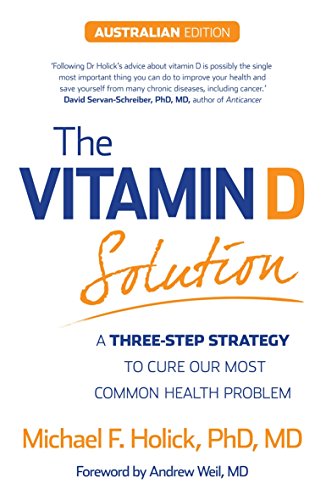
The Vitamin D Solution: A 3-Step Strategy to Cure Our Most Common Health Problem: Michael F. Holick, Andrew Weil
Holick's The Vitamin D Solution…[he] provides an understandable, well-written, and highly informative presentation about this unique vitamin, its history, its very important functions, problems w
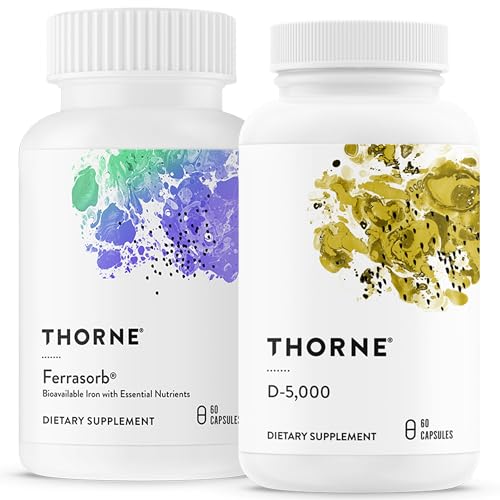
THORNE - Vitamin D-5000 - Vitamin D3 Supplement - Support Healthy Bones, Teeth, Muscles, Cardiovascular & Immune Function* - NSF Certified for Sport - Gluten-Free, Soy-Free - 60 Servings
One Capsule Contains: Vitamin D (as Vitamin D3) (5,000 IU) <strong>125 mcg</strong>.

Everlywell At
Everlywell At-Home Metabolism Test Collection Kit for Women and Men, Get Accurate Results at Home from a CLIA-Certified Lab Within Days, for Ages 18 Plus ... at Home Vitamin D Test Kit - Easy to Use &
Health Disclaimer
This content is for informational purposes only and does not constitute medical advice. Always consult a qualified healthcare provider before starting, stopping, or changing any supplement or medication regimen.