

Cardiovascular Disease and Mediterranean Diet
The Mediterranean diet is a whole-diet pattern rich in vegetables, fruits, legumes, whole grains, nuts, olive oil as the main fat, moderate fish, and minimal processed foods and red meats. Its relationship to cardiovascular disease (CVD)—including heart attack, stroke, and cardiovascular mortality—has been examined in large cohorts and randomized trials. Overall, higher adherence is consistently linked with lower CVD risk, with stronger evidence for composite events and stroke than for myocardial infarction or cardiovascular mortality alone. Epidemiology shows that people who most closely follow the Mediterranean diet experience about 15–30% lower incidence of CVD and CVD mortality compared with those who follow it least. The landmark PREDIMED randomized trial (primary prevention) reported roughly a 30% relative reduction in major adverse cardiovascular events with Mediterranean diets supplemented with extra-virgin olive oil or nuts versus a control low-fat advice group; benefits were most pronounced for stroke, while myocardial infarction and CVD mortality reductions were smaller and sometimes nonsignificant due to fewer events. The Lyon Diet Heart Study (secondary prevention) found large reductions in recurrent cardiac events, though the trial was small and stopped early. More recently, the CORDIOPREV trial suggested Mediterranean eating outperformed a low-fat diet for preventing recurrent events in people with established coronary disease. Mechanistically, the Mediterranean pattern favorably alters multiple CVD pathways: it modestly lowers blood pressure, improves LDL and HDL quality, decreases oxidized LDL, reduces systemic inflammation (CRP, IL-6), enhances endothelial function, and may lower thrombosis risk. Extra-virgin olive oil (monounsaturated fat and polyphenols) and nuts (unsaturated fats and bioactives) appear especially important; fatty fish contributes omega-3s; fiber from legumes and whole grains supports lipid and glycemic control; polyphenols (in
Updated September 8, 2026This content is for informational purposes only and does not constitute medical advice. Always consult a qualified healthcare provider before starting, stopping, or changing any supplement or medication regimen.
Medical Perspectives
Two Ways of Seeing Health

Western
scientific · clinical
Western medicine applies science, technology, and clinical experience to treat symptoms through testing, diagnosis, and targeted intervention.
Surgeons · Pharmaceuticals · Clinical trials · Diagnostics 
Eastern
traditional · alternative
Eastern medicine focuses on treating the body naturally by applying traditional knowledge practiced for thousands of years, emphasizing balance and whole-person wellness.
Acupuncture · Herbal medicine · Yoga · Meditation
Gold Bamboo presents both perspectives side-by-side so you can make informed decisions. We don't advocate for one over the other — your health choices are yours.
Two Ways of Seeing Health
Western
scientific · clinical
Western medicine applies science, technology, and clinical experience to treat symptoms through testing, diagnosis, and targeted intervention.
Eastern
traditional · alternative
Eastern medicine focuses on treating the body naturally by applying traditional knowledge practiced for thousands of years, emphasizing balance and whole-person wellness.
Gold Bamboo presents both perspectives side-by-side so you can make informed decisions. We don't advocate for one over the other — your health choices are yours.
Western Perspective
Western medicine views the Mediterranean diet as a rigorously studied dietary pattern that reduces cardiovascular risk, supported by large prospective cohorts and several randomized controlled trials (RCTs). Evidence is strongest for reductions in composite cardiovascular events and stroke, with consistent improvements in intermediate risk markers (lipids, blood pressure, inflammation, endothelial function). Clinical guidelines frequently endorse Mediterranean-style eating for both primary and secondary prevention when culturally appropriate.
Key Insights
- Prospective cohorts show 15–30% lower CVD incidence and mortality with higher Mediterranean diet adherence.
- PREDIMED (primary prevention) demonstrated ~30% relative reduction in major cardiovascular events, driven largely by lower stroke risk.
- Secondary prevention trials (e.g., Lyon Diet Heart; CORDIOPREV) suggest meaningful benefit versus low-fat diets, but sample sizes and trial designs vary.
- Mechanisms include improved lipid profile/oxidized LDL, lower blood pressure, reduced systemic inflammation, enhanced endothelial function, and antithrombotic effects.
- Whole-diet patterns outperform single-nutrient supplementation, underscoring dietary synergy.
Treatments
- Implement a Mediterranean dietary pattern emphasizing vegetables, fruits, legumes, whole grains, nuts, and extra-virgin olive oil as the main culinary fat.
- Include fish regularly in place of processed or red meats; minimize refined starches and added sugars.
- Use nuts as a replacement for processed snacks; favor culinary herbs/spices to reduce sodium reliance.
- Alcohol (e.g., red wine) is not necessary; if consumed, it should be moderate and consistent with medical guidance.
Deep Dive
From a Western clinical perspective, the Mediterranean diet represents one of the most comprehensively studied dietary patterns for cardiovascul... From a Western clinical perspective, the Mediterranean diet represents one of the most comprehensively studied dietary patterns for cardiovascular risk reduction. Large prospective cohorts consistently show that higher adherence is linked to a 15–30% lower risk of developing cardiovascular disease (CVD) and dying from it. Randomized trials add causal weight. The PREDIMED trial in a primary-prevention population at elevated risk reported a roughly 30% relative reduction in major adverse cardiovascular events when participants followed a Mediterranean diet enriched with extra-virgin olive oil or nuts, compared with a control group advised to eat a low-fat diet. The strongest signal in PREDIMED was for stroke reduction, while effects on myocardial infarction and cardiovascular death were smaller and sometimes not statistically significant due to limited events. In secondary prevention, the Lyon Diet Heart Study reported substantial reductions in recurrent events, and more recently CORDIOPREV found a Mediterranean pattern outperformed a low-fat diet over long follow-up in patients with established coronary disease. Biologically, the Mediterranean diet modulates multiple, converging pathways relevant to atherosclerosis. It improves lipid quality—lowering LDL and oxidized LDL and enhancing HDL function—through higher intakes of monounsaturated fats (olive oil) and nuts’ unsaturated fats. It modestly lowers blood pressure, likely reflecting higher potassium, fiber, and weight-friendly energy density. Systemic inflammation declines (lower CRP and IL-6), endothelial function improves (better flow-mediated dilation), and thrombosis propensity may decrease. Fatty fish contributes omega-3 fatty acids; legumes, whole grains, and produce offer fiber and polyphenols that support glycemic control and vascular health. Notably, whole-diet interventions consistently outperform single-nutrient supplements, suggesting synergy among foods and nutrients. Clinically, a Mediterranean diet is appropriate for primary and secondary prevention alongside standard therapies (statins, antihypertensives, antiplatelets). Benefits appear additive to medications used in trials. Practical considerations include cultural tailoring, cost (e.g., nuts, extra-virgin olive oil, fish), cooking skills, and sustained adherence. Alcohol is not required for benefit; if consumed, it should be within medical guidance. Realistically, patients might expect risk reductions in the range observed in trials and cohorts, recognizing individual variability and the importance of overall lifestyle. Remaining uncertainties include precision around CVD mortality effects in primary prevention, generalizability beyond Mediterranean regions, and identifying which combinations of foods deliver the greatest benefit across diverse populations.
Sources
- Estruch R et al. N Engl J Med. 2013;368:1279-1290; reanalysis 2018:378:e34.
- Sofi F et al. BMJ. 2008;337:a1344 (meta-analysis of Mediterranean diet and health).
- de Lorgeril M et al. Lancet. 1994;343:1454-1459; Circulation. 1999;99:779-785 (Lyon Diet Heart).
- López-Miranda J et al. J Am Coll Cardiol. 2022;79:2387-2400 (CORDIOPREV).
- Rees K et al. Cochrane Database Syst Rev. 2019; (Mediterranean-style diet for primary prevention).
Eastern Perspective
Eastern and traditional systems emphasize dietary patterns that reduce "heat," phlegm-damp accumulation, and stagnation—concepts that roughly parallel inflammation, dyslipidemia, and impaired circulation. Although the Mediterranean diet is not native to Ayurveda or Traditional Chinese Medicine (TCM), its plant-forward, whole-food character aligns with classical guidance to favor fresh, seasonal, minimally processed foods, healthy oils in moderation, and mindful eating. Integrative practitioners view it as an anti-inflammatory, blood-moving pattern compatible with many Eastern principles, adaptable to local ingredients and constitutions.
Key Insights
- Ayurveda values wholesome, satmya (locally appropriate) diets emphasizing legumes, whole grains, vegetables, fruits, and moderate use of unctuous oils—concepts compatible with Mediterranean eating.
- TCM dietary therapy for Heart and Spleen focuses on transforming phlegm-damp (reducing greasy, heavy foods) and nourishing Blood (greens, legumes, fish), resonating with Mediterranean choices.
- Culinary spices (garlic, turmeric, rosemary) are traditionally used to support circulation and digestion, overlapping with Mediterranean herb use.
- Mindful, communal eating and seasonal variety—shared values—may aid adherence and metabolic balance.
Treatments
- Plant-forward meals with legumes, leafy greens, and whole grains prepared with olive or sesame oil, tailored to constitution (Ayurveda) or pattern (TCM).
- Regular inclusion of fish or pulses for protein; nuts and seeds to tonify and provide healthy fats.
- Herbs/spices such as garlic, turmeric, ginger, and rosemary to support digestion and circulation.
- Lifestyle measures common in Eastern traditions—mindful eating pace, stress reduction, and moderate activity—to complement dietary change.
Deep Dive
Traditional medical systems articulate heart protection through balance, nourishment, and the prevention of stagnation and dampness—metaphors th... Traditional medical systems articulate heart protection through balance, nourishment, and the prevention of stagnation and dampness—metaphors that map to modern ideas of inflammation, lipid imbalance, and poor circulation. Although the Mediterranean diet originates outside Ayurveda and Traditional Chinese Medicine (TCM), its qualities—fresh, seasonal produce; legumes and whole grains; nuts and seeds; and cooking with fragrant herbs and a moderate amount of healthful oils—fit comfortably within these traditions. Ayurveda emphasizes satmya, or dietary compatibility with one’s constitution and region, and favors hridya (heart-supportive) foods that are light-to-digest, plant-forward, and prepared with modest unctuousness. A Mediterranean-style meal of legumes, leafy greens, whole grains, and olive oil aligns well for many constitutions, with spices such as turmeric, ginger, garlic, and rosemary supporting agni (digestive fire) and potentially tempering inflammatory processes recognized today. In TCM, supporting the Spleen and transforming phlegm-damp guide dietary choices: minimizing heavy, greasy foods while favoring vegetables, beans, and fish can help prevent accumulation that obstructs the vessels and burdens the Heart. Olive oil, viewed as gently warming and moistening, may be acceptable in small amounts to nourish without generating dampness; nuts and seeds can tonify, while excessive red meat and refined sweets are discouraged. Integrative practitioners often frame the Mediterranean diet as an accessible, evidence-aligned expression of anti-inflammatory eating that can be adjusted using Eastern principles: substituting local greens and legumes, matching oil quantity to constitution, emphasizing mindful, unhurried meals, and using culinary herbs as daily “medicinals.” While traditional texts do not specifically endorse this Mediterranean pattern, their general guidance harmonizes with its core tenets. The contemporary evidence base—though Western in design—substantiates many traditional aims (better circulation, calmer inflammation). Ongoing research into microbiome shifts, bioactive polyphenols, and endothelial effects may provide modern correlates for long-held Eastern insights about balance and nourishment of the heart.
Sources
- Charaka Samhita (Ayurveda classics; general dietary and hridya guidance).
- Kastner J. Chinese Nutrition Therapy. Thieme; 2004 (TCM dietetics).
- World Health Organization. Healthy diet (traditional diet patterns and NCD prevention).
- Integrative reviews comparing traditional anti-inflammatory dietary patterns with Mediterranean-style diets.
Evidence Ratings
High adherence to a Mediterranean diet is associated with ~15–30% lower cardiovascular incidence and mortality in cohort studies.
Sofi F et al. BMJ. 2008;337:a1344 (meta-analysis).
In primary prevention, a Mediterranean diet (with extra-virgin olive oil or nuts) reduces major adverse cardiovascular events by about 30% versus low-fat advice.
Estruch R et al. N Engl J Med. 2013;368:1279-1290; reanalysis 2018:378:e34.
Benefits appear stronger for stroke reduction than for myocardial infarction in primary prevention RCTs.
Estruch R et al. NEJM. 2013/2018; event-type subgroup analyses.
Mediterranean-style eating modestly lowers systolic blood pressure (~2 mmHg) in meta-analyses of dietary pattern trials.
Ndanuko CI et al. J Hypertens. 2016;34:2164-2172.
Olive oil–rich Mediterranean diets improve endothelial function and reduce oxidized LDL compared with low-fat diets.
Fitó M et al. Ann Intern Med. 2007;146:157-164 (PREDIMED substudies and related RCTs).
In secondary prevention, Mediterranean diets reduce recurrent cardiovascular events versus low-fat diets.
de Lorgeril M et al. Lancet. 1994;343:1454-1459; López-Miranda J et al. JACC. 2022;79:2387-2400.
Moderate wine intake has been associated with lower CVD risk observationally, but causality is uncertain and not required to achieve Mediterranean diet benefits.
Brien SE et al. Ann Intern Med. 2011;154:529-540; recent Mendelian randomization studies challenge protective causality.
Sources
- Estruch R et al. Primary Prevention of Cardiovascular Disease with a Mediterranean Diet. N Engl J Med. 2013;368:1279-1290; reanalysis 2018;378:e34.
- Sofi F et al. Adherence to Mediterranean diet and health status: meta-analysis. BMJ. 2008;337:a1344.
- de Lorgeril M et al. Mediterranean alpha-linolenic acid–rich diet in secondary prevention. Lancet. 1994;343:1454-1459; Circulation. 1999;99:779-785.
- López-Miranda J et al. CORonary Diet Intervention with Olive oil and cardiovascular PREVention (CORDIOPREV). J Am Coll Cardiol. 2022;79:2387-2400.
- Rees K et al. Mediterranean-style diet for the primary prevention of CVD. Cochrane Database Syst Rev. 2019.
- Ndanuko CI et al. Dietary patterns and blood pressure: a meta-analysis. J Hypertens. 2016;34:2164-2172.
- Fitó M et al. Effect of a traditional Mediterranean diet on lipoprotein oxidation and endothelial function. Ann Intern Med. 2007;146:157-164.
- Casas R et al. Inflammatory biomarkers in the PREDIMED trial (substudies). Am J Clin Nutr/PLoS One, 2014.
Related Topics
Recommended Products

The New Mediterranean Diet Cookbook: A Delicious Alternative for Lifelong Health: Jenkins, Nancy Harmon, Nestle, Marion
This book makes an overwhelming argument that the things that taste the best are good for you.” —Alice Waters <strong>Spanning the Mediterranean from Spain to France, Italy, and Greece, with side trip
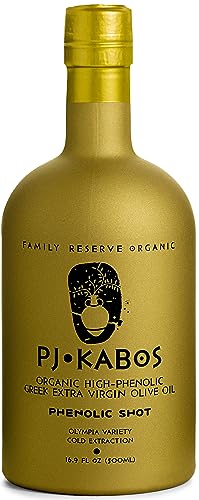
P.J. KABOS 2025/26 Fresh Harvest, Extremely High Phenolic (900+ mg/kg), USDA Organic Greek Extra Virgin Olive Oil, Kosher, Cold Extracted, 16.9oz Glass Bottle, PJ KABOS “Family Reserve Organic - Phenolic Shot”
P.J. KABOS Fresh 2025/26 Harvest, <strong>High Phenolic (400+ mg/kg), USDA Organic Greek Extra Virgin Olive Oil, Kosher, Greece, Cold Extracted, 16.9oz Glass Bottle, “Family Reserve Organic - Medium”<
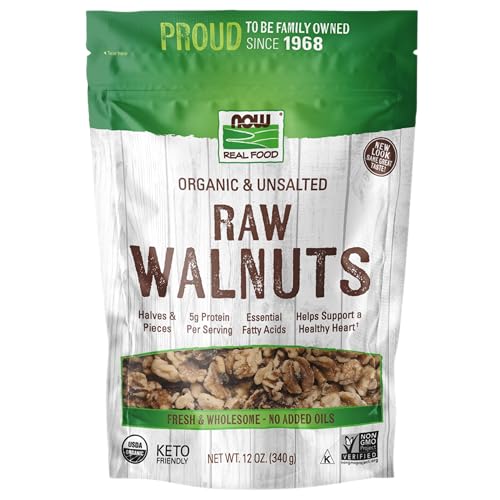
NOW Foods, Walnuts, Raw and Unsalted, Halves and Pieces, Natural Source of Protein and Essential Fatty Acids, Grown in the USA, Certified Non-GMO, 12-Ounce (Packaging May Vary) : Snack Walnuts : Everything Else
Amazon.com : NOW Foods, Walnuts, Raw and Unsalted, Halves and Pieces, <strong>Natural Source of Protein and Essential Fatty Acids</strong>, Grown in the USA, Certified Non-GMO, 12-Ounce (Packaging May
Health Disclaimer
This content is for informational purposes only and does not constitute medical advice. Always consult a qualified healthcare provider before starting, stopping, or changing any supplement or medication regimen.