

Benzodiazepines and Opioids
Benzodiazepines and opioids are two medication classes that depress the central nervous system in different but synergistic ways. Benzodiazepines enhance GABA-A signaling to reduce anxiety and induce sedation; opioids activate mu-opioid receptors to relieve pain but also slow breathing. When taken together, their effects on arousal and respiratory drive can amplify each other, raising the risk of profound sedation, respiratory depression, and overdose. Pharmacokinetic interactions, such as shared metabolism through CYP3A4 for many benzodiazepines and some opioids, and the impact of strong enzyme inhibitors, can further elevate blood levels and risk. Public health data underscore the concern. In recent years, a substantial share of opioid-involved overdose deaths have also involved benzodiazepines. Patients prescribed both have a markedly higher overdose risk compared with those prescribed opioids alone. Co-prescribing has declined since safety warnings were issued in 2016, yet it persists in certain settings, particularly among older adults, people with chronic pain and anxiety, and those with respiratory conditions. Clinically, combined use may present with extreme sleepiness, slowed or stopped breathing, bluish lips or fingertips, and inability to awaken—signs of a medical emergency. Chronic combined use increases risks of falls, cognitive impairment, motor vehicle crashes, and dependence on both drug classes. Withdrawal management is challenging: opioid withdrawal is highly uncomfortable but rarely life-threatening, while benzodiazepine withdrawal can cause seizures; coordinated, supervised care is essential. Safer strategies focus on risk mitigation and effective alternatives. Nonpharmacologic options for pain (physical therapy, exercise, acupuncture, cognitive-behavioral therapy for pain) and for anxiety/insomnia (CBT, mindfulness-based therapies, CBT-I) may reduce reliance on sedatives. For opioid use disorder, medication-assisted treatments such as bupren医
Updated September 8, 2026This content is for informational purposes only and does not constitute medical advice. Always consult a qualified healthcare provider before starting, stopping, or changing any supplement or medication regimen.
Shared Risk Factors
Older age and frailty
Strong EvidenceAge-related pharmacokinetic and pharmacodynamic changes increase sensitivity to CNS depressants and reduce ventilatory reserve, heightening overdose risk when benzodiazepines and opioids are combined.
Respiratory disease and sleep-disordered breathing
Strong EvidenceCOPD, asthma, and obstructive sleep apnea reduce baseline respiratory function. Sedative synergy further suppresses respiratory drive and airway tone.
Concurrent CNS depressants (alcohol, gabapentinoids, Z-drugs)
Strong EvidenceMultiple depressants produce additive or supra-additive sedation and respiratory depression.
High doses/long-acting formulations or multiple prescribers
Strong EvidenceHigher cumulative sedative load and overlapping long-acting agents elevate overdose risk, especially without coordinated care.
Hepatic impairment and CYP3A4/CYP2C19 interactions
Moderate EvidenceMany benzodiazepines (e.g., diazepam, alprazolam) and some opioids (e.g., oxycodone, methadone) are metabolized via CYP3A4; strong inhibitors (e.g., azole antifungals, macrolides) can raise drug levels.
Illicit supply contamination and counterfeit pills
Emerging ResearchCounterfeit benzodiazepines may contain fentanyl or other potent opioids, unexpectedly increasing overdose risk.
Medical Perspectives
Two Ways of Seeing Health

Western
scientific · clinical
Western medicine applies science, technology, and clinical experience to treat symptoms through testing, diagnosis, and targeted intervention.
Surgeons · Pharmaceuticals · Clinical trials · Diagnostics 
Eastern
traditional · alternative
Eastern medicine focuses on treating the body naturally by applying traditional knowledge practiced for thousands of years, emphasizing balance and whole-person wellness.
Acupuncture · Herbal medicine · Yoga · Meditation
Gold Bamboo presents both perspectives side-by-side so you can make informed decisions. We don't advocate for one over the other — your health choices are yours.
Two Ways of Seeing Health
Western
scientific · clinical
Western medicine applies science, technology, and clinical experience to treat symptoms through testing, diagnosis, and targeted intervention.
Eastern
traditional · alternative
Eastern medicine focuses on treating the body naturally by applying traditional knowledge practiced for thousands of years, emphasizing balance and whole-person wellness.
Gold Bamboo presents both perspectives side-by-side so you can make informed decisions. We don't advocate for one over the other — your health choices are yours.
Western Perspective
Western medicine recognizes that benzodiazepines and opioids have distinct primary indications but overlapping adverse effects on sedation and respiration. Co-prescribing substantially elevates overdose risk through pharmacodynamic synergy, with additional pharmacokinetic interactions in specific drug pairs. Clinical guidance emphasizes avoiding routine co-prescription, closely monitoring unavoidable combinations, and prioritizing nonpharmacologic and safer pharmacologic alternatives.
Key Insights
- Co-use is linked to several-fold higher overdose risk compared with opioids alone, with dose-response relationships observed.
- Respiratory depression is the principal life-threatening mechanism; combined sedation impairs protective arousal.
- Risk is elevated in older adults, patients with COPD/OSA, and with concurrent alcohol or gabapentinoids.
- Naloxone distribution and education reduce fatal overdose; PDMPs and care coordination reduce risky overlaps.
- For opioid use disorder, buprenorphine or methadone should not be withheld due to benzodiazepine use; careful management is required.
Treatments
- Risk mitigation: PDMP checks, avoid co-prescribing when possible, coordinated care across prescribers, patient education
- Nonpharmacologic therapies: CBT for anxiety, CBT-I for insomnia, physical therapy and multidisciplinary pain programs
- Medication-assisted treatment for opioid use disorder (buprenorphine, methadone), with careful benzodiazepine management
- Naloxone distribution and overdose response education for patients and caregivers
- Pharmacologic alternatives when appropriate (e.g., SSRIs/SNRIs for anxiety; non-opioid analgesics for pain)
Deep Dive
From a Western clinical standpoint, benzodiazepines and opioids intersect at a dangerous pharmacologic crossroads. Benzodiazepines enhance GABA-... From a Western clinical standpoint, benzodiazepines and opioids intersect at a dangerous pharmacologic crossroads. Benzodiazepines enhance GABA-A receptor activity, producing anxiolysis and sedation. Opioids activate mu-opioid receptors, dampening nociceptive signaling but also suppressing brainstem respiratory centers. Combined, they amplify one another’s depressant effects—sedation becomes deeper and arousal to hypercapnia and hypoxia is blunted. The result can be life-threatening respiratory depression, especially in patients with COPD or obstructive sleep apnea, in older adults, or when alcohol or gabapentinoids are also on board. Pharmacokinetic factors add complexity: many benzodiazepines (e.g., alprazolam, diazepam) and opioids (e.g., oxycodone, methadone) are metabolized by CYP3A4; strong inhibitors like azole antifungals can elevate levels, further narrowing the safety margin. Epidemiologic data mirror these mechanisms. A notable share of opioid-involved overdose deaths feature benzodiazepines, and studies show several-fold higher overdose risk with concurrent prescriptions. After the FDA issued boxed warnings in 2016 and professional guidelines urged caution, co-prescribing declined but remains present in certain settings. Clinical priorities therefore include avoiding routine co-prescription, using prescription drug monitoring programs, and coordinating across prescribers. If patients are already on both, risk mitigation steps include clear communication about overdose signs, dispensing naloxone to patients and caregivers, and careful, individualized plans to adjust therapy. For opioid use disorder, medications such as buprenorphine or methadone reduce mortality and should not be withheld due to benzodiazepine use; instead, clinicians intensify monitoring and gradually address benzodiazepine dependence with structured tapers when appropriate. For anxiety and insomnia, evidence supports CBT and CBT-I, while pain care should emphasize non-opioid pharmacologics and nonpharmacologic therapies (physical therapy, multidisciplinary rehabilitation). Collectively, these measures aim to maintain symptom control while reducing exposure to high-risk sedative combinations.
Sources
- https://www.fda.gov/drugs/drug-safety-and-availability/fda-drug-safety-communication-fda-warns-about-serious-risks-and-death-when-combining-opioid-pain-or
- https://www.cdc.gov/mmwr/volumes/71/rr/rr7103a1.htm
- https://nida.nih.gov/research-topics/opioids/benzodiazepines-opioids
- https://www.bmj.com/content/356/bmj.j760
- https://www.cochranelibrary.com/cdsr/doi/10.1002/14651858.CD012169.pub2/full
- https://www.fda.gov/drugs/drug-safety-and-availability/fda-drug-safety-communication-fda-urges-caution-about-withholding-opioid-addiction-medications
Eastern Perspective
Traditional and integrative systems emphasize reducing harm from sedative combinations while addressing pain and anxiety through non-sedating, restorative approaches. In Traditional Chinese Medicine (TCM), excessive sedation is thought to cloud the Shen (mind/spirit) and weaken Lung Qi, reflecting modern concerns about impaired alertness and breathing. Ayurveda similarly cautions that tamas (inertia) from excessive sedatives can aggravate prana (vital energy) and respiratory balance. These frameworks prioritize mind–body practices, acupuncture, and movement therapies to improve function and reduce reliance on CNS depressants. Herbal sedatives (e.g., valerian, kava) may potentiate sedation and are generally discouraged alongside opioids or benzodiazepines without expert supervision.
Key Insights
- Nonpharmacologic therapies like acupuncture, yoga, tai chi, qigong, and mindfulness can reduce pain, anxiety, and insomnia symptoms, potentially decreasing need for sedatives.
- Breathing practices (pranayama), meditation, and mindfulness may enhance respiratory control and stress resilience, aligning with harm-reduction goals.
- Practitioners emphasize coordinated care: transparent communication with prescribers, screening for substance use risk, and gradual, supervised changes.
- Caution is advised with sedative herbs when pharmaceuticals are used; potential interactions and additive sedation are recognized.
Treatments
- Acupuncture for chronic pain and anxiety adjunctive support
- Mindfulness-based stress reduction and meditation for anxiety and pain coping
- Yoga, tai chi, and qigong for pain, function, and sleep quality
- Breathing exercises (e.g., pranayama) to support calm without pharmacologic sedation
- Herbal medicine only with qualified supervision due to interaction risks
Deep Dive
Traditional and integrative perspectives frame the benzodiazepine–opioid combination as an excess of dampening influences on mind and breath. In... Traditional and integrative perspectives frame the benzodiazepine–opioid combination as an excess of dampening influences on mind and breath. In Traditional Chinese Medicine, sedation that clouds the Shen (mind/spirit) and weakens Lung Qi resonates with modern concerns about impaired vigilance and respiration; Ayurveda similarly cautions that tamasic (inert) states from heavy sedatives can disturb prana (vital energy). These systems therefore emphasize approaches that restore balance without imposing further sedation. Acupuncture, supported by modern trials for chronic musculoskeletal pain, is used to modulate pain pathways while potentially reducing analgesic requirements. Yoga, tai chi, and qigong blend gentle movement with breath awareness, improving function, sleep quality, and stress resilience. Mindfulness-based practices and meditation cultivate calm and emotional regulation without respiratory suppression, offering alternatives to pharmacologic anxiolysis. Integrative clinicians bridge traditions by prioritizing safety: they advise avoiding combinations of sedative herbs (e.g., valerian, kava) with opioids or benzodiazepines due to additive CNS depression and uncertain interactions, and they stress coordinated care with prescribing clinicians before any changes. Practical pathways include embedding acupuncture or yoga within multidisciplinary pain programs; teaching breathing practices to support calm and respiratory control; and using mindfulness-based stress reduction to address anxiety and pain catastrophizing. When dependence is present, integrative plans complement evidence-based medical treatments such as medication for opioid use disorder and supervised benzodiazepine tapers, adding sleep hygiene, CBT-I, and mind–body therapies to manage withdrawal-related anxiety and insomnia. Throughout, the goal aligns with harm reduction: protect breathing, preserve alertness, and gradually reduce reliance on sedatives while supporting pain relief and emotional well-being.
Sources
- https://www.jpain.org/article/S1526-5900(17)30780-0/fulltext
- https://jamanetwork.com/journals/jamainternalmedicine/fullarticle/1809754
- https://www.cochranelibrary.com/cdsr/doi/10.1002/14651858.CD010671.pub2/full
- https://www.nccih.nih.gov/health/mind-and-body-approaches-for-pain-what-the-science-says
Evidence Ratings
Concurrent benzodiazepine–opioid use increases overdose risk several-fold versus opioids alone.
https://www.bmj.com/content/356/bmj.j760
A substantial proportion of opioid-involved overdose deaths also involve benzodiazepines.
https://nida.nih.gov/research-topics/opioids/benzodiazepines-opioids
FDA boxed warnings highlight life-threatening respiratory depression with benzodiazepine–opioid combinations.
https://www.fda.gov/drugs/drug-safety-and-availability/fda-drug-safety-communication-fda-warns-about-serious-risks-and-death-when-combining-opioid-pain-or
Take-home naloxone programs reduce fatal opioid overdose in community settings.
https://www.cochranelibrary.com/cdsr/doi/10.1002/14651858.CD012169.pub2/full
Medication for opioid use disorder should not be withheld from patients using benzodiazepines; coordinated care reduces harm.
https://www.fda.gov/drugs/drug-safety-and-availability/fda-drug-safety-communication-fda-urges-caution-about-withholding-opioid-addiction-medications
Gabapentinoids combined with opioids increase risk of respiratory depression and overdose.
https://www.fda.gov/drugs/drug-safety-and-availability/fda-warns-about-serious-breathing-problems-seizure-and-nerve-pain-medicines-gabapentin-neurontin
CBT-I is an effective first-line treatment for chronic insomnia and can reduce reliance on sedative-hypnotics.
https://www.acpjournals.org/doi/10.7326/M15-2175
Acupuncture provides modest benefit for chronic musculoskeletal pain and may reduce analgesic use.
https://www.jpain.org/article/S1526-5900(17)30780-0/fulltext
Sources
- https://www.fda.gov/drugs/drug-safety-and-availability/fda-drug-safety-communication-fda-warns-about-serious-risks-and-death-when-combining-opioid-pain-or
- https://www.cdc.gov/mmwr/volumes/71/rr/rr7103a1.htm
- https://nida.nih.gov/research-topics/opioids/benzodiazepines-opioids
- https://www.bmj.com/content/356/bmj.j760
- https://www.cochranelibrary.com/cdsr/doi/10.1002/14651858.CD012169.pub2/full
- https://www.fda.gov/drugs/drug-safety-and-availability/fda-drug-safety-communication-fda-urges-caution-about-withholding-opioid-addiction-medications
- https://www.fda.gov/drugs/drug-safety-and-availability/fda-warns-about-serious-breathing-problems-seizure-and-nerve-pain-medicines-gabapentin-neurontin
- https://www.jpain.org/article/S1526-5900(17)30780-0/fulltext
- https://jamanetwork.com/journals/jamainternalmedicine/fullarticle/1809754
- https://www.cochranelibrary.com/cdsr/doi/10.1002/14651858.CD010671.pub2/full
- https://www.nccih.nih.gov/health/mind-and-body-approaches-for-pain-what-the-science-says
- https://www.cdc.gov/overdose-prevention/hcp/clinical-guidance/general-guidance.html
- https://www.dea.gov/press-releases/2021/09/27/dea-issues-public-safety-alert-sharp-increase-fakes-prescription-pills
Related Topics
Recommended Products
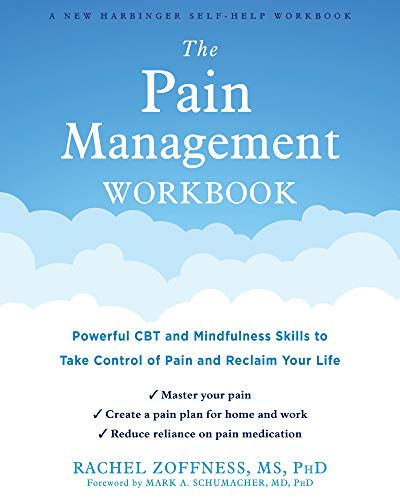
The Pain Management Workbook: Powerful CBT and Mindfulness Skills to Take Control of Pain and Reclaim Your Life: Zoffness MS PhD, Rachel, Schumacher MD PhD, Mark A.
The Pain Management Workbook: Powerful CBT and Mindfulness Skills to Take Control of Pain and Reclaim Your Life [Zoffness MS PhD, Rachel, Schumacher MD PhD, Mark A.] on Amazon.com. *FREE* shipping on

NARCAN Nasal Spray 4 mg, Emergency Treatment of Opioid Overdose, 2 Single-Dose Devices
NARCAN Nasal Spray 4mg (2 Single-Dose Devices) + Convenience Kit with Medical Grade Components | Quick Access Bundle to Aid in an Emergency · WNL Products 5000NMT Nasal Med Trainer, Naloxone Training
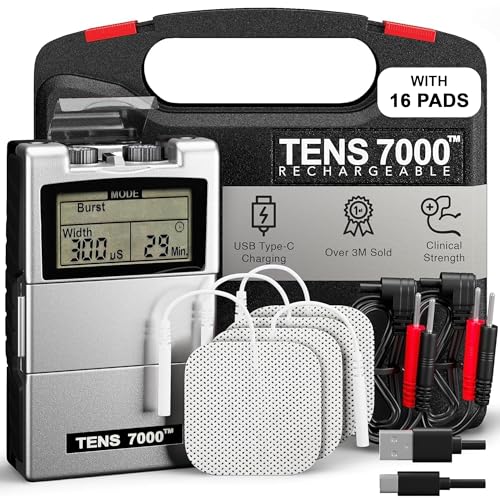
TENS 7000 Rechargeable Tens Unit Muscle Stimulator for Back Pain Relief, Electric Muscle Stimulator with 16 Electrodes/Unit Pads for Recovery & Growth, Stim Machine, Electrotherapy, TENS Machine
TENS 7000 Rechargeable Elite TENS Unit Muscle Stimulator and Pain Relief Device - Advanced TENS Machine for Effective Back Pain, Nerve Pain and Muscle Pain Relief · TENS 7000 Digital TENS Unit with Ac
Health Disclaimer
This content is for informational purposes only and does not constitute medical advice. Always consult a qualified healthcare provider before starting, stopping, or changing any supplement or medication regimen.