

Antiepileptic Drugs (AEDs) and Oral Contraceptives
Antiepileptic drugs (AEDs) and oral contraceptives influence each other’s effectiveness through well-characterized pharmacokinetic interactions. Several AEDs are potent inducers of hepatic enzymes (notably CYP3A4 and UGT), which can lower estrogen and progestin levels from combined hormonal contraception (pills, patch, ring) and some progestin-only methods, increasing the risk of breakthrough bleeding and unintended pregnancy. Key enzyme-inducing AEDs include carbamazepine, phenytoin, phenobarbital, primidone, oxcarbazepine/eslicarbazepine, rufinamide, cenobamate, felbamate, perampanel at higher doses, and high‑dose topiramate. These inducers can also reduce the effectiveness of oral emergency contraception; a copper IUD is the most reliable emergency option in this setting. Conversely, estrogens in combined hormonal contraceptives accelerate the clearance of certain AEDs—most notably lamotrigine—via UGT1A4 induction, often lowering lamotrigine blood levels by roughly half during active pill weeks, which may destabilize seizure control; levels can rebound during the hormone-free interval, sometimes causing adverse effects. Most non–enzyme-inducing AEDs (e.g., levetiracetam, valproate, gabapentin, pregabalin, lacosamide) do not meaningfully reduce contraceptive efficacy, though each has its own safety profile. Practical contraceptive choices emphasize methods unaffected by enzyme induction: copper IUDs and levonorgestrel IUDs remain highly effective; depot medroxyprogesterone acetate (DMPA) injections are also considered reliable and may even reduce seizure frequency in some users. In contrast, combined pills, patches, rings, the progestin-only pill, and the etonogestrel implant can be compromised by enzyme-inducing AEDs. When these methods are used despite inducers, clinicians may discuss backup barrier use and close monitoring for bleeding patterns. Coordination between neurology and OB‑GYN is essential—especially for those on lamotrigine—to consider monitoring,,
Updated September 8, 2026This content is for informational purposes only and does not constitute medical advice. Always consult a qualified healthcare provider before starting, stopping, or changing any supplement or medication regimen.
Shared Risk Factors
Use of enzyme‑inducing AEDs (CYP3A4/UGT induction)
Strong EvidenceInducers (e.g., carbamazepine, phenytoin, phenobarbital, primidone, oxcarbazepine/eslicarbazepine, rufinamide, cenobamate, felbamate, perampanel at higher doses, high‑dose topiramate) increase metabolism of contraceptive steroids.
Estrogen-containing contraceptives
Strong EvidenceEthinyl estradiol induces UGT1A4, increasing clearance of lamotrigine and lowering serum levels; minor effects on some other AEDs.
High AED dose (e.g., topiramate ≥200 mg/day)
Moderate EvidenceDose-dependent enzyme induction becomes clinically relevant at higher doses.
Herbal/supplement use (e.g., St. John’s wort) and certain foods (grapefruit)
Moderate EvidenceSome botanicals induce CYP3A4 (lowering contraceptive steroid levels); grapefruit can inhibit CYP3A4 (raising levels of some drugs, e.g., carbamazepine).
Adherence issues and gastrointestinal illness
Moderate EvidenceMissed pills or malabsorption (vomiting/diarrhea) further reduce contraceptive hormone exposure; AED adherence changes affect seizure control.
Postpartum and cycle‑related hormone fluctuations
Emerging ResearchRapid changes in estrogen/progesterone can alter seizure threshold and lamotrigine kinetics.
Overlapping Treatments
Copper IUD (non‑hormonal)
Strong EvidenceAvoids pharmacokinetic interaction with AEDs; stable seizure management.
Highly effective contraception and most reliable emergency contraception irrespective of enzyme induction.
Requires insertion; rare risks include perforation, expulsion, and heavier menses.
Levonorgestrel IUD
Strong EvidenceMinimal systemic hormone levels; no meaningful interaction with AEDs.
Highly effective long‑acting contraception; unaffected by enzyme inducers.
Insertion procedure; irregular bleeding initially.
Depot medroxyprogesterone acetate (DMPA) injection
Moderate EvidenceNot reduced by enzyme inducers; may lessen seizure frequency in some users.
Reliable contraception unaffected by enzyme induction.
Potential effects on bone density and bleeding patterns; scheduled injections needed.
Barrier methods (condoms) as backup
Moderate EvidenceNo drug interaction; supports seizure stability by avoiding contraceptive failures that may prompt abrupt regimen changes.
Adds pregnancy and STI protection, especially when using methods reduced by enzyme induction.
User‑dependent effectiveness.
Coordinated medication management (neurology + OB‑GYN)
Strong EvidenceMonitors AED levels (e.g., lamotrigine) during contraceptive changes to prevent seizures.
Optimizes contraceptive choice and timing; plans for emergency contraception when needed.
Requires access to coordinated care and therapeutic drug monitoring where available.
Emergency contraception strategy
Moderate EvidencePrevents abrupt contraceptive changes that could destabilize seizures; copper IUD avoids interactions.
Copper IUD preferred; enzyme inducers can reduce oral EC effectiveness; specialist guidance on adjusted regimens may be needed.
Time-sensitive; ulipristal is less effective with enzyme inducers.
Medical Perspectives
Two Ways of Seeing Health

Western
scientific · clinical
Western medicine applies science, technology, and clinical experience to treat symptoms through testing, diagnosis, and targeted intervention.
Surgeons · Pharmaceuticals · Clinical trials · Diagnostics 
Eastern
traditional · alternative
Eastern medicine focuses on treating the body naturally by applying traditional knowledge practiced for thousands of years, emphasizing balance and whole-person wellness.
Acupuncture · Herbal medicine · Yoga · Meditation
Gold Bamboo presents both perspectives side-by-side so you can make informed decisions. We don't advocate for one over the other — your health choices are yours.
Two Ways of Seeing Health
Western
scientific · clinical
Western medicine applies science, technology, and clinical experience to treat symptoms through testing, diagnosis, and targeted intervention.
Eastern
traditional · alternative
Eastern medicine focuses on treating the body naturally by applying traditional knowledge practiced for thousands of years, emphasizing balance and whole-person wellness.
Gold Bamboo presents both perspectives side-by-side so you can make informed decisions. We don't advocate for one over the other — your health choices are yours.
Western Perspective
Western medicine emphasizes well-defined pharmacokinetic interactions: enzyme‑inducing AEDs lower contraceptive steroid levels, and estrogen-containing contraceptives lower lamotrigine levels. Guidelines recommend contraceptive methods unaffected by enzyme induction and collaborative care to maintain seizure control and reproductive autonomy.
Key Insights
- CYP3A4/UGT‑inducing AEDs (e.g., carbamazepine, phenytoin, phenobarbital, primidone, oxcarbazepine/eslicarbazepine, rufinamide, cenobamate, felbamate, high‑dose topiramate; perampanel ≥12 mg) reduce combined and some progestin‑only contraceptive effectiveness.
- Estrogen-containing contraceptives can lower lamotrigine serum levels by ~50% during active pills, risking seizure breakthrough, with rebound during hormone‑free intervals.
- IUDs (copper and levonorgestrel) and DMPA retain high efficacy with enzyme‑inducing AEDs; etonogestrel implant and oral methods are vulnerable to failures.
- With enzyme inducers, oral emergency contraception is less reliable; copper IUD is preferred.
- Preconception counseling is critical: avoid or minimize teratogenic AEDs (notably valproate) when possible and use reliable contraception until the regimen and seizure control are optimized.
Treatments
- Copper or levonorgestrel IUDs
- Depot medroxyprogesterone injection
- Backup barrier methods
- Therapeutic drug monitoring and coordinated care
- Copper IUD for emergency contraception
Deep Dive
From a western clinical perspective, the relationship between antiepileptic drugs (AEDs) and oral contraceptives is defined by predictable pharm... From a western clinical perspective, the relationship between antiepileptic drugs (AEDs) and oral contraceptives is defined by predictable pharmacokinetic interactions. Several AEDs induce hepatic enzymes (CYP3A4 and/or UGT), accelerating the metabolism of ethinyl estradiol and progestins. Carbamazepine, phenytoin, phenobarbital, primidone, oxcarbazepine/eslicarbazepine, rufinamide, felbamate, cenobamate, perampanel at higher doses, and high‑dose topiramate are well‑documented examples. When these drugs are co‑administered with combined pills, patches, rings, the progestin‑only pill, or the etonogestrel implant, hormone exposure falls, increasing the likelihood of breakthrough bleeding and unintended pregnancy. Notably, the same enzyme induction decreases the effectiveness of oral emergency contraception; guideline bodies therefore prioritize a copper IUD as the most reliable emergency option when enzyme inducers are present. The reverse interaction is equally important: estrogens in combined hormonal contraceptives induce UGT1A4, lowering lamotrigine concentrations by roughly half during active pill weeks, with levels rebounding during hormone‑free intervals. These fluctuations can destabilize seizure control or provoke adverse effects. Most other non‑inducing AEDs (e.g., levetiracetam, gabapentin, pregabalin, lacosamide) have minimal effects on contraceptive steroids, while valproate is not an inducer but carries significant teratogenic risk, underscoring the need for reliable contraception until an optimal regimen is established. Management focuses on contraceptive methods unaffected by enzyme induction: copper and levonorgestrel IUDs, and DMPA injections, which maintain high effectiveness even with strong inducers. If oral or implantable hormonal methods are chosen in the presence of inducers, clinicians may advise backup barrier use and vigilance for bleeding changes. For individuals on lamotrigine starting or stopping estrogen-containing contraception, therapeutic drug monitoring and coordinated care between neurology and OB‑GYN help prevent seizure breakthrough or toxicity during the pill‑free interval. In pregnancy planning, shared decision-making addresses teratogenicity profiles (avoiding or minimizing valproate exposure when possible), preconception folic acid supplementation, and careful preconception adjustments with close monitoring. Clear communication about all prescription drugs, over‑the‑counter agents, and supplements is integral, because herbal products such as St. John’s wort can further reduce contraceptive effectiveness, and foods like grapefruit juice can increase levels of some AEDs (e.g., carbamazepine), risking toxicity. The overarching clinical aim is to enable informed contraceptive choices while preserving seizure stability and safeguarding pregnancy outcomes.
Sources
- CDC U.S. Medical Eligibility Criteria for Contraceptive Use (US MEC)
- ACOG Committee Opinion: Gynecologic Management of Adolescents and Young Women With Seizure Disorders
- FSRH: Drug Interactions with Hormonal Contraception (2022)
- WHO Medical Eligibility Criteria for Contraceptive Use (5th ed.)
Eastern Perspective
Traditional and integrative medicine approaches prioritize safety-first contraception choices while supporting neurological stability through holistic care. These systems recognize that many botanicals can alter drug metabolism or seizure threshold, so they emphasize non‑herbal strategies for stress reduction, sleep, and diet, and careful disclosure of all supplements to clinicians.
Key Insights
- Non‑pharmacologic supports (adequate sleep, stress management, nutrition) are viewed as stabilizing influences on seizure threshold and menstrual regularity.
- Herbal products can meaningfully interact with both contraceptives and AEDs; St. John’s wort is a notable CYP3A4 inducer that can reduce contraceptive effectiveness.
- Some supplements (e.g., ginkgo seeds/extracts with ginkgotoxin, high‑dose evening primrose oil) have been associated with lowering seizure threshold; caution is advised.
- Because IUDs and DMPA bypass hepatic enzyme induction, many integrative clinicians favor them when interactions are a concern, while avoiding enzyme‑modulating herbs.
- Preconception care commonly includes attention to nutrient adequacy (including folate), toxin avoidance, and gentle mind‑body practices alongside coordination with neurology and obstetrics.
Treatments
- Mind‑body interventions (e.g., yoga, meditation, biofeedback) to reduce stress that can precipitate seizures
- Sleep hygiene and circadian regularity practices
- Nutrition emphasizing steady meals and avoidance of known CYP‑modulating botanicals without clinician oversight
- Non‑herbal topical or device‑based contraception (IUDs) to avoid drug‑herb interactions
Deep Dive
Traditional and integrative medicine place strong emphasis on minimizing risk while supporting whole‑person health. In this context, the safest ... Traditional and integrative medicine place strong emphasis on minimizing risk while supporting whole‑person health. In this context, the safest contraceptive options are those that do not rely on hepatic metabolism—copper and levonorgestrel IUDs—or that are not compromised by enzyme induction, such as DMPA. These choices align with an integrative goal of avoiding herb–drug interactions, which can be difficult to predict and monitor in real‑world use. St. John’s wort, frequently used for mood, is known to induce CYP3A4 and lower contraceptive hormone levels; other botanicals and concentrated extracts can also modulate enzymes or seizure threshold. Accordingly, integrative practitioners encourage full disclosure of all supplements, careful product selection, and collaboration with prescribing clinicians. Holistic care plans often include non‑herbal strategies—sleep optimization, stress reduction (e.g., yoga, meditation, biofeedback), and nutrition—to help stabilize seizure thresholds and support menstrual regularity without altering drug metabolism. From a traditional East Asian perspective, liver and spleen systems are sometimes framed as central to both hormonal balance and neurological steadiness; gentle lifestyle and dietary measures that “soothe the liver” and regulate cycles are preferred over pharmacologically active herbs in those taking complex regimens. In Ayurveda, balancing vata through routine, warm nourishing foods, and calming practices is seen as conducive to neurological steadiness. Preconception planning blends these philosophies with biomedical guidance: establishing reliable, interaction‑safe contraception until seizure control and medication regimens are optimized; ensuring adequate folate intake through diet and supplements as advised by clinicians; and avoiding substances with pro‑convulsant potential (e.g., certain stimulant herbs, high‑dose ginkgo extracts). Integrative care also acknowledges psychosocial contributors—stress, sleep disruption, and adherence challenges—that can undermine both seizure control and contraceptive success. The shared goal is an individualized plan that respects traditional health frameworks while prioritizing evidence‑based safety regarding drug and herbal interactions.
Sources
- FSRH: Drug Interactions with Hormonal Contraception (herbal section)
- MHRA Drug Safety Update: St John’s wort interaction with hormonal contraceptives
- NCCIH: Herbs and Supplements—safety considerations for epilepsy
Evidence Ratings
Enzyme‑inducing AEDs reduce effectiveness of combined hormonal contraceptives and some progestin‑only methods.
CDC US MEC; FSRH Drug Interactions with Hormonal Contraception (2022)
Estrogen-containing contraceptives substantially lower lamotrigine concentrations via UGT1A4 induction, risking seizure breakthrough.
ACOG Committee Opinion No. 806; Sabers et al., Epilepsia 2001
Copper IUD and levonorgestrel IUD maintain contraceptive efficacy with enzyme‑inducing AEDs.
CDC US MEC; WHO MEC (5th ed.)
High‑dose topiramate can reduce etonogestrel implant and oral contraceptive hormone levels, risking contraceptive failure.
Obstet Gynecol 2022 study on topiramate–etonogestrel; FSRH (2022)
Oral emergency contraception is less effective with enzyme‑inducing AEDs; a copper IUD is preferred for emergency contraception.
FSRH guidance on EC with enzyme inducers; CDC Selected Practice Recommendations
Valproate exposure in pregnancy is associated with higher rates of major congenital malformations and neurodevelopmental harm.
EURAP/Lancet Neurol 2018; EMA/MHRA safety communications
St. John’s wort can reduce hormonal contraceptive effectiveness through CYP3A4 induction.
MHRA Drug Safety Update; FSRH (2022)
DMPA may reduce seizure frequency in some users and is not compromised by enzyme induction.
ACOG Committee Opinion No. 806; observational data
Sources
- CDC. U.S. Medical Eligibility Criteria for Contraceptive Use (US MEC). https://www.cdc.gov/contraception/hcp/usmec/
- ACOG Committee Opinion No. 806 (reaffirmed). Gynecologic Management of Adolescents and Young Women With Seizure Disorders. https://www.acog.org/clinical/clinical-guidance/committee-opinion/articles/2020/05/gynecologic-management-of-adolescents-and-young-women-with-seizure-disorders
- FSRH Clinical Guidance: Drug Interactions with Hormonal Contraception (2022). https://www.fsrh.org/standards-and-guidance/documents/ceu-clinical-guidance-drug-interactions-with-hormonal-contraception-jan-2022/
- WHO Medical Eligibility Criteria for Contraceptive Use, 5th ed. https://apps.who.int/iris/handle/10665/181468
- Sabers A, et al. Oral contraceptives reduce lamotrigine plasma levels. Epilepsia. 2001;42(9):1148–1151.
- MHRA Drug Safety Update: St John’s wort (Hypericum perforatum): interaction with hormonal contraceptives. https://www.gov.uk/drug-safety-update/st-johns-wort-hypericum-perforatum-interaction-with-hormonal-contraceptives
- FDA Consumer Update: Grapefruit Juice and Some Drugs Don’t Mix. https://www.fda.gov/consumers/consumer-updates/grapefruit-juice-and-some-drugs-dont-mix
- Tomson T, et al. Comparative risk of major congenital malformations with antiepileptic drugs: EURAP. Lancet Neurol. 2018;17(6):530–538.
- FDA Drug Safety Communication: Risk of oral clefts with topiramate. https://www.fda.gov/drugs/drug-safety-and-availability/fda-drug-safety-communication-risk-oral-clefts-children-born-mothers-taking-topiramate-topamax
- Fycompa (perampanel) Prescribing Information. https://www.accessdata.fda.gov/drugsatfda_docs/label/2012/202834lbl.pdf
- Xcopri (cenobamate) Prescribing Information. https://www.accessdata.fda.gov/drugsatfda_docs/label/2019/212839s000lbl.pdf
- Lazorwitz A, et al. Effect of topiramate on serum etonogestrel concentrations among implant users. Obstet Gynecol. 2022.
Related Topics
Topics
- Carbamazepine
- Phenytoin
- Phenobarbital
- Primidone
Recommended Products
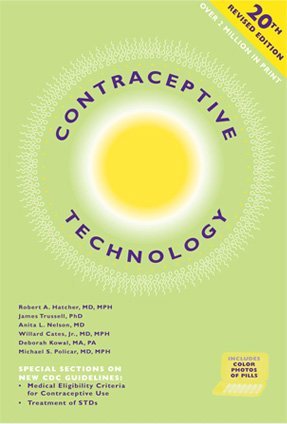
Contraceptive Technology: Hatcher, Robert A.
by Robert A. Hatcher (Author) See all formats and editions · This is <strong>a practical guide for all providers of reproductive health care</strong>. It contains realistic advice and information on a

SKYN Original Condoms, 24 Count (Pack of 1)
Our original condom: These lubricated, non-latex condoms help reduce the risk of pregnancy and the transmission of sexually transmitted infections(STIs) The next generation of condoms: This latex-free
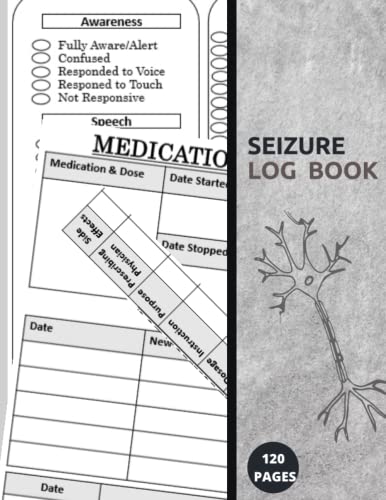
Seizure Log Book: Epilepsy Log Book, Seizure Information and Details Record Book For Children and Adults, Epilepsy Diary with Seizure Chart, ... seizure journal book, 120 Pages, 8.5x11 in: BOOK, BOOK: Amazon.com
Seizure Log Book: Epilepsy Log Book, Seizure Information and Details Record Book For Children and Adults, <strong>Epilepsy Diary with Seizure Chart</strong>, ... seizure journal book, 120 Pages, 8.5x1
Health Disclaimer
This content is for informational purposes only and does not constitute medical advice. Always consult a qualified healthcare provider before starting, stopping, or changing any supplement or medication regimen.