

Kidney Stones
Overview
Kidney stones are hard mineral and salt deposits that form within the urinary tract, most commonly in the kidneys. They are not a healing modality in the conventional sense, but rather a common urologic condition that is highly relevant across both biomedical and traditional systems of care because of their frequency, recurrence, and the severe pain they can cause when they move through the ureter. Stones vary in size, number, and composition, with the most common types including calcium oxalate, calcium phosphate, uric acid, struvite, and cystine stones. Their formation is generally linked to supersaturation of certain substances in the urine, along with factors that influence crystal aggregation and retention.
Kidney stones are a significant public health issue worldwide. Epidemiologic studies indicate that stone disease affects a substantial portion of adults, with recurrence being common over time. Risk is influenced by hydration status, diet, genetics, climate, metabolic conditions, obesity, gastrointestinal disorders, and certain medications. In some individuals, stones arise from a clear metabolic abnormality; in others, multiple lifestyle and physiologic factors interact. Because recurrence is common, kidney stones are often understood as a chronic tendency rather than a one-time event.
Clinical presentation can range from silent, incidentally discovered stones to classic renal colic, often described as intense flank pain that may radiate toward the groin and may occur with nausea, vomiting, blood in the urine, urinary urgency, or discomfort during urination. Larger stones or stones associated with obstruction and infection can become urgent medical concerns. For that reason, discussions of kidney stones typically include the importance of timely evaluation by qualified healthcare professionals, especially when symptoms are severe, recurrent, or accompanied by fever.
From an integrative health perspective, kidney stones are often viewed through two lenses at once: acute management of pain, obstruction, and complications, and long-term prevention through identifying stone type, metabolic drivers, and constitutional patterns. Research supports some prevention strategies in well-defined populations, while traditional systems have historically described urinary gravel, painful urination, and stone-like accumulations using different diagnostic frameworks. This makes kidney stones a topic where western medicine, nutrition-based prevention, and traditional approaches often intersect, though the quality of evidence varies considerably depending on the intervention being discussed.
Western Medicine Perspective
Western Medicine Perspective
In conventional medicine, kidney stones are understood as a disorder of urinary chemistry and crystal formation. Evaluation commonly focuses on the stone’s composition, urinary risk factors, and any underlying metabolic contributors. Imaging such as non-contrast CT, ultrasound, or X-ray may be used to identify stone size and location, while urinalysis and blood testing help assess infection, kidney function, and biochemical abnormalities. In recurrent stone formers, a more detailed metabolic workup may include 24-hour urine testing to measure urine volume, calcium, oxalate, citrate, uric acid, sodium, and other relevant markers.
Conventional management depends heavily on stone size, location, symptoms, and complications. Many small stones pass spontaneously, while larger stones may require procedural management such as ureteroscopy, shock wave lithotripsy, or percutaneous nephrolithotomy. If obstruction occurs alongside infection, urgent decompression is often considered essential in standard urologic practice. For prevention, studies indicate that increasing urine volume and tailoring dietary or pharmacologic strategies to the stone type can reduce recurrence risk in selected patients. Approaches may include attention to dietary sodium, calcium balance, oxalate exposure, citrate status, uric acid metabolism, or rare inherited causes such as cystinuria.
The western model places strong emphasis on evidence-based risk reduction and distinguishing between general advice and individualized prevention. For example, not all stones arise from the same mechanism, and a measure that may help one stone type may be less relevant for another. This is why stone analysis and metabolic evaluation are considered valuable in recurrent disease. Conventional medicine also recognizes important red flags: fever, inability to keep fluids down, uncontrolled pain, reduced urine output, or a solitary kidney with obstruction all warrant prompt clinical attention.
Eastern & Traditional Perspective
Eastern / Traditional Medicine Perspective
In Traditional Chinese Medicine (TCM), kidney stones are not classified by mineral composition but are often interpreted within patterns involving damp-heat in the lower burner, qi stagnation, blood stasis, or impaired transformation and excretion of fluids. Traditional descriptions of painful urination, urinary obstruction, sand-like urine, or stone-like accumulations fall under broader urinary syndromes rather than a single modern disease label. Treatment frameworks have historically aimed to clear heat, drain dampness, promote urination, move qi, and relieve pain, with constitutional support considered in recurrent cases. Herbal formulas and acupuncture have traditionally been used in this context, though the degree of modern clinical evidence varies and quality control of herbal products remains an important consideration.
In Ayurveda, kidney stones are often discussed in relation to Ashmari, a condition associated with derangements of doshas and altered metabolism of bodily wastes. Traditional interpretation may involve imbalances affecting the urinary system, digestive fire, and tissue metabolism, with approaches intended to support urinary flow, reduce crystallizing tendencies, and ease discomfort. Ayurvedic texts and later practice traditions describe diet, herbal preparations, and purification-based concepts as relevant, but modern evidence for many of these approaches remains limited or heterogeneous.
Naturopathic and broader integrative traditions frequently emphasize hydration, dietary pattern assessment, urinary chemistry, and individualized prevention, often integrating conventional stone analysis with supportive measures such as nutrition counseling and, in some settings, selected botanicals traditionally used for urinary tract support. Research on herbs, acupuncture, and traditional formulas is emerging in some areas—particularly symptom relief and stone passage support—but overall the evidence base is less robust than that for standard urologic diagnostics and procedures. Because some supplements and herbs may affect kidney function, interact with medications, or vary in purity, traditional approaches are best understood as complementary frameworks that warrant discussion with appropriately qualified healthcare professionals.
Related Topics
Keto Diet
Keto Diet — a condition in the health ontology.
How They Relate
Kidney Stones & Keto Diet
The ketogenic (“keto”) diet is a very low-carbohydrate, high-fat eating pattern that shifts the body’s metabolism into ketosis—using fat-derived ketones for fuel. This shift can bring initial natri...
Supplements & Products
Recommended Products

No More Kidney Stones: The Experts Tell You All You Need to Know about Prevention and Treatment: Rodman MD, John S., Sosa MD, R. Ernest, Seidman MS RD, Cynthia, Jones, Rory
by John S. Rodman MD (Author), R. Ernest Sosa MD (Author), Cynthia Seidman MS RD (Author), Rory Jones & 1 more ... <strong>A Proven Plan to Prevent Painful Kidney Stones At last!</strong>
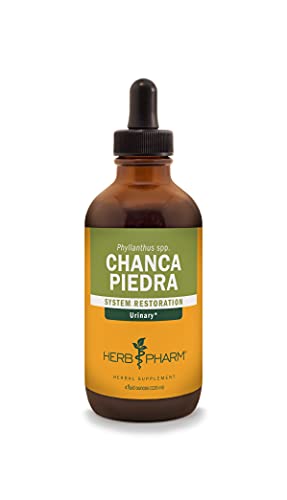
Herb Pharm Chanca Piedra Liquid Extract for Urinary System Support, 1 Fl Oz
<strong>Prepared from the whole herb of sustainably wildcrafted Phyllanthus niruri plants</strong>. Rapidly absorbed liquid extract. Gluten-free and non-GMO. Herb potency assured through High Performa
![Vakly Calculi Strainer [2 Pack] – Durable Plastic Kidney Stone Collector Funnel with Fine Mesh Screen Filter for Urine & Pee Straining, Reusable Kidney Stone Catcher for Specimen Analysis & Testing : Industrial & Scientific](https://m.media-amazon.com/images/I/51Cr0xmcqeL.jpg)
Vakly Calculi Strainer [2 Pack] – Durable Plastic Kidney Stone Collector Funnel with Fine Mesh Screen Filter for Urine & Pee Straining, Reusable Kidney Stone Catcher for Specimen Analysis & Testing : Industrial & Scientific
Precision Fine Mesh Filter for Kidney Stones – <strong>Each calculi strainer includes a stainless-steel fine mesh screen that captures even the tiniest kidney stones, crystals, or sediment during urin
Evidence & Sources
Promising research with growing clinical support from multiple studies
- American Urological Association (AUA) Guidelines on Medical Management of Kidney Stones
- European Association of Urology (EAU) Guidelines on Urolithiasis
- National Institute of Diabetes and Digestive and Kidney Diseases (NIDDK)
- National Center for Complementary and Integrative Health (NCCIH)
- The New England Journal of Medicine
- The Lancet
- Journal of Urology
- European Urology
- Cochrane Database of Systematic Reviews
- World Journal of Urology
This content is for informational purposes only and does not constitute medical advice. Always consult a qualified healthcare provider before starting, stopping, or changing any supplement or medication regimen.