

Erectile Dysfunction
Overview
Erectile dysfunction (ED) refers to the ongoing difficulty achieving or maintaining an erection sufficient for satisfactory sexual activity. It is a common health concern rather than a single disease, and it can arise from a wide range of physical, psychological, relational, neurologic, hormonal, and vascular factors. ED becomes more common with age, but it is not considered an inevitable part of aging. Research has linked ED with conditions such as cardiovascular disease, diabetes, obesity, sleep disorders, depression, medication effects, and pelvic or prostate-related issues.
From a broader health perspective, ED is often viewed as a multifactorial marker of overall wellbeing. In many men, erectile function depends on coordinated blood flow, nerve signaling, hormone balance, emotional state, and relationship context. Because penile blood vessels are relatively small, some clinicians regard ED as a potential early sign of endothelial dysfunction or vascular disease. Studies indicate that in some cases, ED may precede overt cardiovascular events, which is why comprehensive medical evaluation is often emphasized in conventional care.
The significance of ED extends beyond sexual function alone. It may affect self-esteem, intimate relationships, mood, sleep, and quality of life. It can also contribute to cycles of anxiety and performance concerns that further worsen symptoms. For this reason, many modern frameworks approach ED through a biopsychosocial lens, recognizing that physical and mental health often overlap.
Within integrative and traditional medicine settings, ED is also discussed in terms of systemic vitality, circulation, stress adaptation, kidney or reproductive energy, and constitutional balance. These frameworks differ in language and theory from biomedicine, but they similarly tend to interpret ED as a sign of broader imbalance rather than an isolated symptom. Because causes vary widely, balanced educational resources typically note the importance of individualized assessment by qualified healthcare professionals.
Western Medicine Perspective
Western Medicine Perspective
In conventional medicine, ED is generally understood as a disorder involving one or more of the following domains: vascular function, neurologic signaling, hormonal status, medication effects, structural factors, and psychological contributors. Common associated conditions include atherosclerosis, hypertension, diabetes mellitus, metabolic syndrome, low testosterone in selected cases, neurologic disease, pelvic surgery, and adverse effects from certain antidepressants, antihypertensives, or other medications. Anxiety, depression, relationship stress, and trauma may either contribute to ED directly or amplify a physically based problem.
Clinical evaluation commonly focuses on identifying underlying drivers rather than viewing ED as a standalone complaint. Conventional assessment may include medical and sexual history, psychosocial screening, medication review, cardiovascular risk evaluation, and selected laboratory testing such as glucose status, lipid profile, or hormone studies when indicated. Guidelines from major urologic and sexual medicine organizations emphasize that ED can be an opportunity to detect undiagnosed cardiometabolic disease.
Research on treatment is relatively robust compared with many sexual health topics. Well-studied conventional approaches include oral phosphodiesterase-5 inhibitors, vacuum erection devices, injectable therapies, intraurethral agents, hormone management in carefully selected hypogonadal patients, psychosexual counseling, and penile prosthesis surgery for refractory cases. Lifestyle-related factors such as physical activity, weight management, sleep quality, tobacco exposure, and alcohol use are also frequently discussed in the literature because they influence vascular and metabolic health. Even so, outcomes can vary substantially depending on the cause, severity, and presence of coexisting mental health or relationship factors.
Conventional medicine generally stresses that ED warrants professional evaluation, particularly when symptoms are new, persistent, or associated with chest pain, reduced exercise tolerance, diabetes, pelvic trauma, or other systemic concerns. This is because management is most effective when the underlying mechanism is clarified and potentially serious contributors are addressed.
Eastern & Traditional Perspective
Eastern/Traditional Medicine Perspective
In Traditional Chinese Medicine (TCM), erectile dysfunction is not defined solely as a local penile issue but is often interpreted through patterns involving the Kidney system, Liver qi stagnation, Heart-Spleen disharmony, damp-heat, or impaired circulation of qi and blood. In this framework, sexual vitality is closely related to jing (essence), emotional balance, and the smooth movement of energy throughout the body. TCM practitioners may differentiate between presentations associated with fatigue and coldness, emotional constraint and stress, or heat and excess patterns. Traditional approaches have included acupuncture, moxibustion, herbal formulas, and dietary or lifestyle patterning based on individualized diagnosis.
In Ayurveda, ED may be discussed in relation to disturbances of Shukra dhatu (reproductive tissue), depletion of vitality, mental stress, metabolic imbalance, or doshic disruption, especially involving Vata. Classical Ayurvedic concepts often connect sexual function with overall nourishment, nervous system stability, digestion, and rejuvenative capacity. Traditional interventions have historically included vajikarana rasayana formulations, restorative dietary approaches, mind-body practices, and broader constitutional balancing.
Naturopathic and other traditional systems commonly frame ED within whole-person health, highlighting stress physiology, sleep, cardiometabolic status, endocrine balance, inflammation, and relational wellbeing. Some integrative practitioners also explore acupuncture, botanical medicine, pelvic floor approaches, and mindfulness-based strategies as adjunctive supports. However, the evidence base for many traditional interventions is mixed or still developing, and product quality, herb-drug interactions, and contamination concerns remain important considerations.
Across eastern and traditional models, a recurring theme is that ED reflects a broader imbalance in vitality, circulation, or mind-body integration. While these perspectives differ substantially from biomedical models, both often converge on the idea that careful assessment of the whole person is important. Consultation with appropriately trained and licensed practitioners is generally considered important when evaluating traditional therapies, especially alongside prescription medications or chronic disease care.
Related Topics
Herbal Medicine
Herbal Medicine — a condition in the health ontology.
How They Relate
Erectile Dysfunction & Herbal Medicine
Erectile dysfunction (ED) is the persistent difficulty achieving or maintaining an erection sufficient for satisfactory sexual activity. It is common and increases with age; population studies sugg...
Supplements & Products
Recommended Products
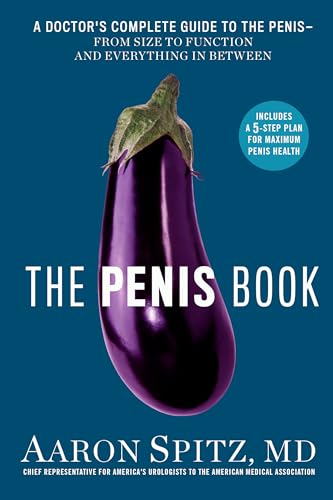
The Penis Book: A Doctor's Complete Guide to the Penis-From Size to Function and Everything in Between: Spitz M.D., Aaron
Aaron Spitz is a brilliant urologist who comprehensively tackles this topic with both clarity and humor. His insightful advice will prove to be highly informative for male and female readers alike.”—R

NOW Foods Sports Nutrition, L-Citrulline, Extra Strength 1,200 mg, Amino Acid, 120 Tablets
Nitric Oxide Promoter* Citrulline ... of a healthy immune system.* <strong>This extra strength product has more L-Citrulline (1,200 mg per tablet) than our regular strength product (750 mg per capsule

Life Extension Pycnogenol – French Maritime Pine Bark Extract – Scientifically Studied Healthy Aging & Vascular Health Supplement – Non-GMO, Gluten-Free, Vegetarian – 60 Capsules
Pycnogenol® dried French Maritime pine extract (bark) [std. to 65% procyanidins] 100 mg Other ingredients: microcrystalline cellulose, vegetable cellulose (capsule), stearic acid, silica.
Evidence & Sources
Supported by multiple clinical trials and systematic reviews
- American Urological Association (AUA) Guideline on Erectile Dysfunction
- European Association of Urology (EAU) Guidelines on Sexual and Reproductive Health
- The Journal of Sexual Medicine
- New England Journal of Medicine
- JAMA
- National Institute of Diabetes and Digestive and Kidney Diseases (NIDDK)
- National Center for Complementary and Integrative Health (NCCIH)
- World Health Organization (WHO) Traditional Medicine Strategy
This content is for informational purposes only and does not constitute medical advice. Always consult a qualified healthcare provider before starting, stopping, or changing any supplement or medication regimen.