

Erectile Dysfunction and Herbal Medicine
Erectile dysfunction (ED) is the persistent difficulty achieving or maintaining an erection sufficient for satisfactory sexual activity. It is common and increases with age; population studies suggest that roughly half of men experience some degree of ED over their lifetimes, with higher rates in those with cardiovascular disease, diabetes, obesity, or depression. Physiologically, ED often arises from impaired blood flow and endothelial dysfunction, nerve injury, hormonal imbalances, or medication effects. Psychological contributors—performance anxiety, stress, relationship strain—can compound the problem. Because ED touches vascular, neurologic, endocrine, and mental health domains, many people explore herbal options that promise multi-system support. Interest tends to be high among those seeking “natural” approaches, those who cannot tolerate prescription phosphodiesterase-5 (PDE5) inhibitors, and individuals hoping to enhance libido and energy alongside erectile function. Several herbs are commonly discussed. Panax ginseng (Korean red ginseng) has the most clinical study among herbs for ED; meta-analyses suggest small improvements on validated scales versus placebo, possibly via enhanced nitric oxide signaling. Horny goat weed (Epimedium) contains icariin, a weak, selective PDE5 inhibitor in lab studies; human evidence remains limited. Maca (Lepidium meyenii) appears to support sexual desire in small trials, with uncertain effects on erectile rigidity. Tribulus terrestris has mixed results; some trials report better desire or satisfaction, while others show no significant benefit. Yohimbe/yohimbine, an alpha-2 adrenergic antagonist, showed modest benefits in older studies but carries notable risks (anxiety, blood pressure and heart rate changes) and is generally discouraged in modern practice. Safety and quality are major concerns. Yohimbe can cause serious cardiovascular and neuropsychiatric side effects and interacts with many drugs. Ginseng and epimedium may
Updated August 20, 2026This content is for informational purposes only and does not constitute medical advice. Always consult a qualified healthcare provider before starting, stopping, or changing any supplement or medication regimen.
Shared Risk Factors
Cardiovascular and endothelial dysfunction
Strong EvidenceAtherosclerosis, impaired nitric oxide bioavailability, and endothelial dysfunction are major drivers of ED and also modify the safety/efficacy profile of vasomodulating herbs (e.g., ginseng, epimedium).
Hypertension and antihypertensive medications
Moderate EvidenceHigh blood pressure contributes to vascular ED; some herbs can raise or lower blood pressure and may interact with antihypertensive drugs.
Diabetes and metabolic syndrome
Strong EvidenceGlycemic dysregulation, oxidative stress, and neuropathy drive ED; some herbs affect glucose metabolism and oxidative pathways.
Psychological stress/anxiety and depression
Moderate EvidencePsychogenic factors can cause or worsen ED; adaptogenic or mood-influencing herbs are often sought in this context.
Concomitant medications (nitrates, alpha-blockers, SSRIs)
Strong EvidenceMedications can cause ED or interact with herbal products that alter vascular tone or neurotransmitters.
Overlapping Treatments
Panax ginseng (Korean red ginseng)
Moderate EvidenceWithin herbal medicine, used as a tonic/adaptogen supporting energy, stress resilience, and endothelial function.
Meta-analyses suggest small improvements on erectile function indices versus placebo; may enhance nitric oxide signaling.
May affect blood pressure and blood glucose; possible insomnia or headaches; interactions with anticoagulants and hypoglycemics.
Epimedium (Horny goat weed; icariin)
Emerging ResearchTraditional TCM yang-tonic herb used for vitality; icariin shows PDE5 inhibition in lab models.
Preclinical and limited clinical data suggest potential erectile benefits; human evidence remains sparse.
Quality and standardization vary; theoretical additive effects with PDE5 inhibitors; possible dizziness or BP changes.
Maca (Lepidium meyenii)
Moderate EvidenceAndean root traditionally used for stamina and libido; considered a nutritive adaptogen.
Small trials show improved sexual desire; effects on erectile rigidity/IIEF are uncertain.
Generally well tolerated; rare GI upset; quality varies by phenotype (black/red/yellow) and processing.
Tribulus terrestris (Gokshura)
Emerging ResearchAyurvedic vajikarana herb for vitality and reproductive health; contains protodioscin saponins.
Mixed RCT results; some improvement in desire or satisfaction, inconsistent impact on erectile function.
Potential interactions with antihypertensives and antidiabetics; cases of liver enzyme elevations are rare.
Yohimbe/yohimbine
Moderate EvidenceTraditionally used in West African medicine; increases sympathetic outflow via alpha-2 antagonism.
Older trials showed modest benefit over placebo in some men; not considered first-line due to safety.
Can raise BP/HR, cause anxiety, insomnia; hazardous with many drugs; contraindicated in cardiovascular disease and psychiatric conditions.
Ashwagandha (Withania somnifera)
Emerging ResearchAyurvedic adaptogen for stress reduction and hormonal balance; may support sleep and mood.
Limited studies suggest improvements in sexual function and stress-related performance; direct ED outcomes are not well established.
May interact with sedatives, thyroid and immunomodulating drugs; rare GI upset.
Cistanche (Rou cong rong) and Morinda (Ba ji tian)
Traditional UseTCM kidney yang–tonic herbs used in formulas for sexual vitality and lumbar weakness.
Preclinical and traditional use suggest benefits; contemporary human data are limited.
Evidence base is primarily historical; product quality and correct species identification are important.
Medical Perspectives
Two Ways of Seeing Health

Western
scientific · clinical
Western medicine applies science, technology, and clinical experience to treat symptoms through testing, diagnosis, and targeted intervention.
Surgeons · Pharmaceuticals · Clinical trials · Diagnostics 
Eastern
traditional · alternative
Eastern medicine focuses on treating the body naturally by applying traditional knowledge practiced for thousands of years, emphasizing balance and whole-person wellness.
Acupuncture · Herbal medicine · Yoga · Meditation
Gold Bamboo presents both perspectives side-by-side so you can make informed decisions. We don't advocate for one over the other — your health choices are yours.
Two Ways of Seeing Health
Western
scientific · clinical
Western medicine applies science, technology, and clinical experience to treat symptoms through testing, diagnosis, and targeted intervention.
Eastern
traditional · alternative
Eastern medicine focuses on treating the body naturally by applying traditional knowledge practiced for thousands of years, emphasizing balance and whole-person wellness.
Gold Bamboo presents both perspectives side-by-side so you can make informed decisions. We don't advocate for one over the other — your health choices are yours.
Western Perspective
Western medicine frames ED primarily as a vascular and neuroendocrine disorder with psychological overlays. First-line therapies are PDE5 inhibitors alongside management of cardiovascular risk factors and mental health. Herbal products are viewed as adjuncts with variable evidence and potential safety and quality concerns.
Key Insights
- ED commonly reflects systemic endothelial dysfunction and predicts future cardiovascular events.
- Panax ginseng shows modest improvements in validated ED scales versus placebo; other herbs have weaker or inconsistent human data.
- Yohimbine may help some patients but carries significant adverse effects and drug–drug interaction risks.
- Adulteration of “herbal sexual enhancement” products with undeclared PDE5 analogs is common and hazardous.
- Shared decision-making should address patient interest in herbs, known risks, realistic benefit expectations, and integration with guideline-based care.
Treatments
- PDE5 inhibitors (e.g., sildenafil, tadalafil)
- Lifestyle and cardiometabolic optimization (exercise, weight, BP, glucose, lipids)
- Psychological/sex therapy for performance anxiety or relational factors
- Testosterone therapy for confirmed hypogonadism
- Vacuum devices, intracavernosal injections, or penile prosthesis for refractory cases
Deep Dive
From a western clinical lens, erectile dysfunction is primarily a disorder of vascular physiology influenced by neurologic integrity, hormonal s... From a western clinical lens, erectile dysfunction is primarily a disorder of vascular physiology influenced by neurologic integrity, hormonal status, medications, and psychological context. The same endothelial mechanisms that govern coronary and cerebral circulation modulate penile blood flow; ED often appears years before overt cardiovascular disease, signaling systemic endothelial dysfunction. Standard care prioritizes risk-factor modification—exercise, weight management, blood pressure and glucose control—alongside first-line pharmacotherapy with PDE5 inhibitors. When hypogonadism is confirmed, carefully monitored testosterone therapy may be considered, and psychological or sex therapy is valuable where anxiety or relational dynamics predominate. Within this framework, herbs are considered adjunctive options. Panax ginseng has the strongest clinical footprint, with meta-analyses showing modest improvements on validated erectile function indices compared with placebo, possibly through enhanced nitric oxide bioavailability and endothelial effects. Epimedium’s icariin is a selective PDE5 inhibitor in vitro, but rigorous human trials are sparse; expectations should remain cautious. Maca demonstrates more consistent effects on libido than on erectile rigidity, and Tribulus terrestris yields mixed findings across small randomized trials. Yohimbine, once a common prescription, shows modest efficacy but is now limited by unfavorable risk–benefit due to cardiovascular and neuropsychiatric adverse effects and numerous drug interactions. Safety and quality dominate the risk calculus. The FDA has repeatedly identified undisclosed sildenafil-like compounds in “herbal sexual enhancement” products, creating unpredictable potency and dangerous interactions—especially with nitrates and antihypertensives. Clinicians therefore encourage open dialogue: if patients are using or considering herbs, discussion should cover realistic benefits, potential interactions (anticoagulants, hypoglycemics, psychiatric medications), and the importance of addressing root cardiometabolic drivers. When red flags arise—sudden-onset ED with chest symptoms, neurologic deficits, penile pain or curvature, systemic illness, or post-pelvic surgery onset—timely medical evaluation is critical. Integrating patient preferences with evidence-based care supports safety while respecting autonomy.
Sources
- American Urological Association Guideline on Erectile Dysfunction (2018, updates)
- Princeton Consensus statements on ED and cardiovascular risk
- World Journal of Men’s Health reviews on ginseng and ED
- FDA advisories on tainted sexual enhancement supplements
Eastern Perspective
Traditional systems situate ED within whole-person patterns: in Traditional Chinese Medicine (TCM) as imbalances of Kidney yang/qi and Liver qi; in Ayurveda within the vajikarana and rasayana frameworks emphasizing vitality (ojas), digestion (agni), and mind–body harmony. Herbs are combined in formulas tailored to pattern diagnosis, often with lifestyle, diet, acupuncture, and mind–body practices.
Key Insights
- TCM emphasizes restoring Kidney yang/essence and moving Liver qi; formulas may include ginseng, epimedium, cistanche, and morinda.
- Ayurveda targets stress, sleep, and nourishment via rasayana and vajikarana herbs such as ashwagandha, gokshura (Tribulus), and safed musli.
- Herbs are rarely used singly; synergy and personalization are central, with attention to digestion and emotional balance.
- Adjunctive modalities—acupuncture, yoga, breathwork—aim to reduce sympathetic overactivity and improve circulation.
- Contemporary integrative practice encourages collaboration with biomedical care to ensure safety and coherence.
Treatments
- TCM formulas featuring Epimedium, Cistanche, Morinda, and Panax ginseng
- Ayurvedic vajikarana regimens with Ashwagandha, Tribulus, Safed musli
- Acupuncture for stress modulation and pelvic circulation
- Yoga and pranayama for autonomic balance and endothelial health
Deep Dive
Traditional systems view sexual function as a mirror of whole-person vitality. In Traditional Chinese Medicine, ED often reflects depletion of K... Traditional systems view sexual function as a mirror of whole-person vitality. In Traditional Chinese Medicine, ED often reflects depletion of Kidney yang/essence with contributing Liver qi stagnation or Dampness. Treatment emphasizes restoring yang, nourishing essence, and unblocking channels to improve circulation, typically via individualized formulas combining herbs such as Epimedium (yin yang huo) for warming yang and promoting flow, Cistanche (rou cong rong) and Morinda (ba ji tian) for essence and vitality, and Panax ginseng (ren shen) for qi and resilience. Acupuncture supports autonomic balance, reduces stress, and may enhance pelvic microcirculation. Dietary therapy and qigong attend to the foundational cultivation of energy. Ayurveda approaches ED within vajikarana—rejuvenation of sexual vigor—nested in the broader rasayana tradition. Here, sexual health depends on balanced doshas, strong digestion (agni), robust ojas (vital essence), and a calm mind. Formulas may include Ashwagandha for stress resilience and restorative sleep, Gokshura (Tribulus) and Safed musli for reproductive vitality, and supportive diet and lifestyle to rebuild strength. Yoga asana, pranayama, and meditation are integral for harmonizing the nervous system, reducing rajas (agitation), and improving circulation—factors that align with modern observations about sympathetic overactivity in psychogenic ED. Contemporary integrative practice bridges these traditions with biomedical safety standards. Practitioners tailor herbs to the person’s constitution and pattern—using combinations rather than single agents—while screening for interactions with cardiovascular and psychiatric medications. Expectations are framed around gradual improvement over weeks as vitality, sleep, and stress resilience improve, with sexual function often following. Collaboration with urologists and primary care is emphasized when vascular or endocrine contributors are suspected. The shared goal is restoration of function through both systemic balance and targeted supports, honoring traditional insights while remaining attentive to modern evidence, product quality, and safety.
Sources
- TCM pharmacopoeias and contemporary integrative texts
- Ayurvedic classics (Charaka Samhita, Sushruta Samhita) and modern reviews
- Clinical research on acupuncture and adaptogens in sexual function (limited)
Evidence Ratings
Panax ginseng produces small but significant improvements in erectile function scores versus placebo in some RCTs.
World Journal of Men’s Health systematic reviews; Jang et al., 2008; later meta-analyses
Yohimbine shows modest benefit over placebo in older trials but has frequent adverse effects and interactions.
StatPearls (Yohimbine); historical RCTs summarized in reviews (Cappelletti et al., 2018)
Icariin from Epimedium inhibits PDE5 in vitro and improves erectile parameters in animal models; human evidence is limited.
Biomedicine & Pharmacotherapy reviews on icariin mechanisms (2018–2020)
Maca may improve sexual desire but has uncertain effects on erectile rigidity or IIEF scores.
BMC Complementary and Alternative Medicine systematic review (2010) and small RCTs
Tribulus terrestris shows inconsistent efficacy for ED across controlled trials.
Randomized trials and narrative reviews in Maturitas and Phytotherapy Research (2014–2019)
Adulteration of “herbal viagra” products with hidden PDE5 inhibitors or analogs is common and risky.
FDA Tainted Sexual Enhancement Products database and safety communications
ED is an independent marker of cardiovascular disease risk and may precede cardiac events.
Princeton Consensus; American Heart Association statements
Combining vasodilatory agents (e.g., PDE5 inhibitors) with nitrates can cause severe hypotension; herbs affecting BP may compound this risk.
AHA/AUA guidelines on ED pharmacotherapy and contraindications
Sources
- American Urological Association. Erectile Dysfunction: AUA Guideline (2018; updates).
- Princeton III/IV Consensus Recommendations on Sexual Health and Cardiovascular Disease Risk.
- World Journal of Men’s Health: Systematic reviews on Panax ginseng and ED (e.g., 2021).
- BMC Complementary and Alternative Medicine (2010): Systematic review of maca and sexual function.
- Cappelletti S, Piacentino D, et al. Yohimbine: pharmacology and toxicology (2018) – review.
- StatPearls: Yohimbine. NCBI Bookshelf – safety and interactions.
- Biomedicine & Pharmacotherapy (2018–2020): Reviews on icariin as a PDE5 inhibitor.
- Maturitas/Phytotherapy Research (2014–2019): Trials and reviews of Tribulus terrestris in male sexual function.
- FDA: Tainted Sexual Enhancement Products database and safety communications.
- NIH Office of Dietary Supplements/NCCIH: Fact sheets on ginseng, yohimbe, and maca.
Related Topics
Topics
- Erectile Dysfunction
- Panax ginseng
- Epimedium (Horny goat weed)
- Maca (Lepidium meyenii)
Recommended Products
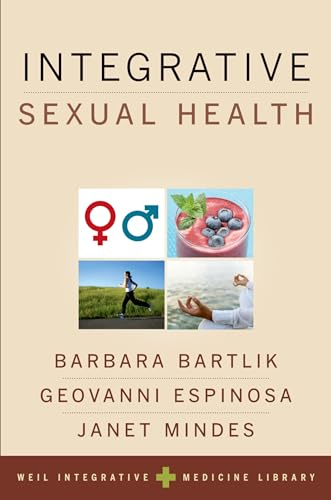
Integrative Sexual Health (Weil Integrative Medicine Library)
by Andrew Weil (Author), Barbara Bartlik (Editor), Geovanni Espinosa (Editor), Janet Mindes (Editor) & 1 more · Part of: WEIL INTEGRATIVE MEDICINE LIBRARY (21 books)

JUNG KWAN JANG Korean Red Ginseng Extract Everytime 3000mg | Sugar Free Energy Supplement, Ginseng Tea, Ginseng Supplement, Korean Food | Energy Boost, Stamina | 10 Count
JungKwanJang Korean Red Ginseng Pure 100 - Panax Ginseng Powder Stick Supplements - Energy Boost & Immune Support - Vegan, Caffeine Free, Gluten Free & Non-GMO (Net Wt. 1.48 oz, 28 Sticks) PNB
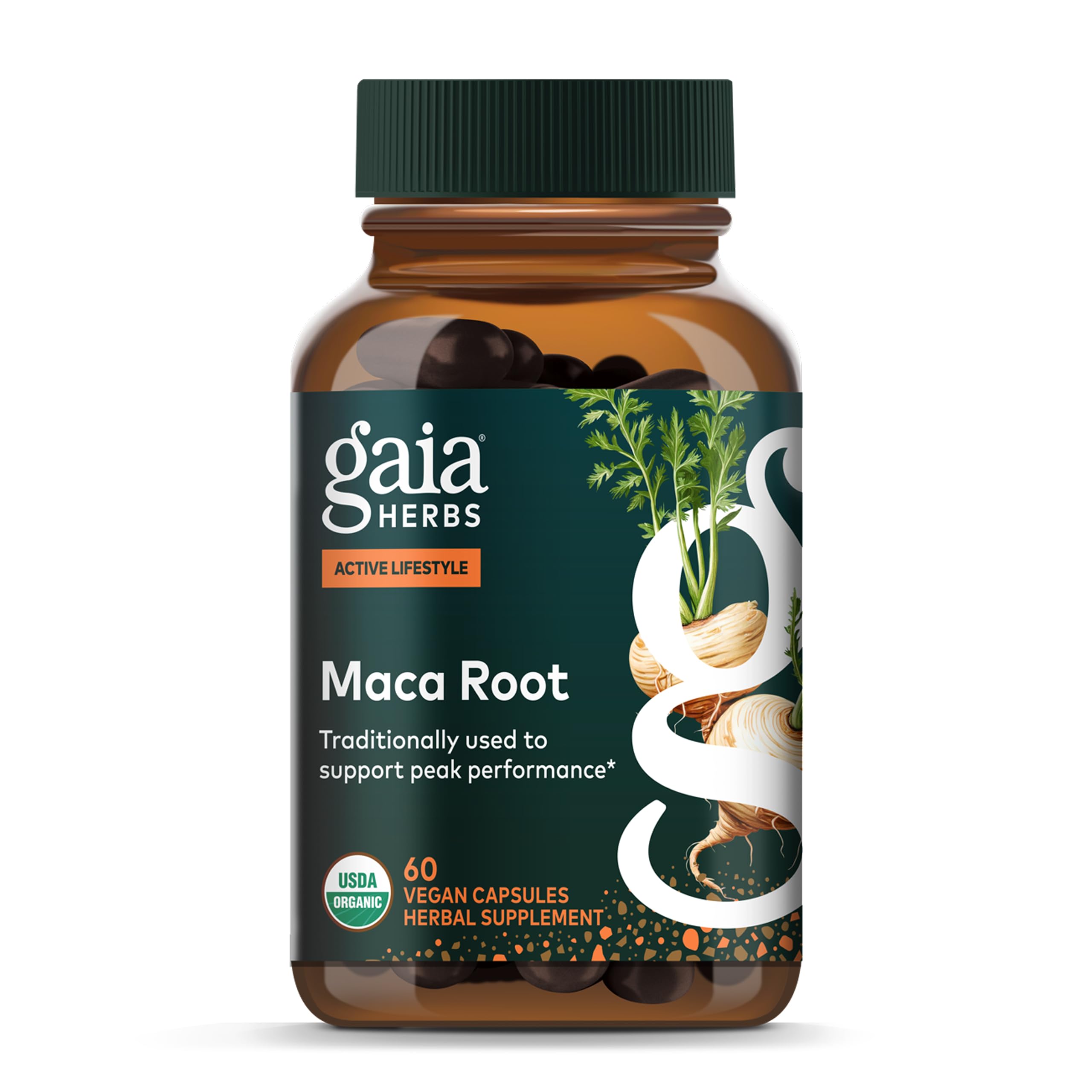
Gaia Herbs Maca Root - Caffeine-Free Energy Supplement - Traditionally Used to Support Healthy Energy & Stamina* - Made with Organic Maca Root (Lepidium meyenii) - 60 Vegan Capsules (60 Servings)
Buy Gaia Herbs Maca Root - Caffeine-Free Energy Supplement - Traditionally Used to Support Healthy Energy & Stamina* - <strong>Made with Organic Maca Root (Lepidium meyenii)</strong> - 60 Vegan Ca
Health Disclaimer
This content is for informational purposes only and does not constitute medical advice. Always consult a qualified healthcare provider before starting, stopping, or changing any supplement or medication regimen.