

Chemotherapy side effects
Overview
Chemotherapy side effects refer to the unwanted physical, cognitive, and emotional effects that can occur during or after treatment with anticancer drugs. Chemotherapy is not a single medicine but a broad category of agents designed to kill rapidly dividing cells, disrupt DNA replication, or interfere with cancer cell growth. Because these medicines can also affect healthy tissues—especially those in the bone marrow, digestive tract, hair follicles, skin, nerves, and reproductive organs—side effects are common and vary widely depending on the specific drugs used, dose intensity, treatment schedule, and a person’s baseline health.
Common short-term effects include nausea and vomiting, fatigue, hair loss, mouth sores, appetite changes, diarrhea or constipation, low blood counts, and increased infection risk. Some people also experience neuropathy, sleep disturbance, skin and nail changes, changes in taste or smell, cognitive complaints often described as “chemo brain,” and mood symptoms such as anxiety or low mood. Not all chemotherapy causes all side effects, and modern oncology has improved supportive care substantially; however, symptom burden remains a major quality-of-life issue across cancer types and treatment settings.
Chemotherapy-related effects can be acute, delayed, cumulative, or long-lasting. Acute toxicities may occur within hours to days of treatment, while other complications—such as anemia, peripheral neuropathy, infertility, or cardiotoxicity—may emerge gradually or persist after therapy is completed. The experience is also shaped by whether chemotherapy is given alone or alongside radiation, targeted therapy, immunotherapy, hormonal therapy, surgery, or stem cell transplantation. This complexity is why side-effect management is considered an integral part of cancer care rather than a secondary concern.
From a broader health perspective, chemotherapy side effects are significant because they can influence treatment adherence, functional status, nutrition, mental health, sleep, social participation, and recovery. Conventional oncology focuses on prevention, monitoring, and supportive symptom control, while many traditional and integrative systems emphasize restoring vitality, digestion, resilience, and balance during treatment. Across all approaches, the safest framework is coordinated care with oncology professionals, especially because some supplements, herbs, and procedures may interact with cancer drugs or affect bleeding, immunity, or liver metabolism.
Western Medicine Perspective
Western / Conventional Medicine Perspective
In conventional medicine, chemotherapy side effects are understood through the mechanisms by which anticancer drugs affect both malignant and normal cells. For example, myelosuppression can reduce white blood cells, red blood cells, and platelets; mucosal injury can lead to mouth sores and diarrhea; peripheral nerve toxicity can cause numbness or pain; and some drugs are associated with organ-specific risks involving the heart, kidneys, liver, lungs, or hearing. Oncology teams typically assess risk according to the regimen, cumulative dose, coexisting illness, age, nutritional status, and prior treatment exposure.
Supportive oncology uses a wide range of evidence-based strategies to reduce symptom burden. Research supports established approaches such as antiemetic medicines for nausea and vomiting, growth factor support in selected settings, transfusion support when indicated, infection precautions, pain management, hydration, nutritional support, oral care protocols, and symptom monitoring tools. Conventional care also recognizes the importance of rehabilitation, psychosocial oncology, palliative care, and survivorship medicine for persistent issues such as fatigue, neuropathy, sexual health concerns, fertility effects, and cognitive symptoms. In many cancer centers, side-effect management begins before treatment starts, with anticipatory counseling and risk stratification.
Current oncology also distinguishes between common expected adverse effects and urgent complications that require prompt medical evaluation, such as fever during neutropenia, severe dehydration, chest pain, difficulty breathing, uncontrolled vomiting, confusion, or signs of bleeding. Studies indicate that early reporting and systematic symptom tracking can improve outcomes and reduce emergency utilization. Conventional medicine therefore treats chemotherapy toxicity as a dynamic, closely monitored aspect of cancer treatment rather than an unavoidable afterthought.
Eastern & Traditional Perspective
Eastern / Traditional Medicine Perspective
In Traditional Chinese Medicine (TCM), chemotherapy side effects are often interpreted not simply as isolated toxicities but as patterns involving depletion and imbalance—commonly framed in terms such as qi deficiency, blood deficiency, yin injury, digestive weakness, phlegm accumulation, or heat-toxin burden. Symptoms like fatigue, poor appetite, nausea, loose stools, neuropathic discomfort, insomnia, and dryness may be viewed as manifestations of disrupted systemic harmony during an intense therapeutic process. TCM approaches have traditionally included individualized herbal formulas, acupuncture, moxibustion, dietary therapy, and mind-body practices aimed at supporting vitality and reducing symptom burden.
In Ayurveda, treatment-related symptoms may be interpreted through disturbances in agni (digestive/metabolic function), ojas (vital resilience), and doshic balance, particularly when there is weakness, poor digestion, inflammation, neuropathic discomfort, or exhaustion. Traditional approaches may include gentle dietary support, rest, daily routine regulation, breathing practices, meditation, and selected botanicals used historically to support strength and recovery. Naturopathic and integrative traditions often emphasize the terrain of the whole person—sleep, nutrition, stress response, movement, and digestive function—while aiming to reduce overall symptom load.
Research on eastern and traditional modalities in this area is mixed but active. Acupuncture has been studied for chemotherapy-induced nausea and vomiting, cancer-related fatigue, aromatase inhibitor-associated symptoms, xerostomia, and some pain syndromes, with varying levels of support depending on the indication. Evidence for herbal medicine is more limited and complicated by issues of product quality, standardization, and potential interaction with chemotherapy metabolism or clotting function. For this reason, integrative oncology programs generally emphasize careful coordination with the oncology team before any herbs, supplements, or traditional procedures are added during active treatment.
Related Topics
Herbal remedies
Herbal remedies — a condition in the health ontology.
How They Relate
Chemotherapy side effects & Herbal remedies
Chemotherapy can trigger a cluster of side effects—nausea and vomiting, oral mucositis and skin reactions, peripheral neuropathy, fatigue, insomnia, diarrhea, and constipation—that can undermine tr...
Supplements & Products
Recommended Products
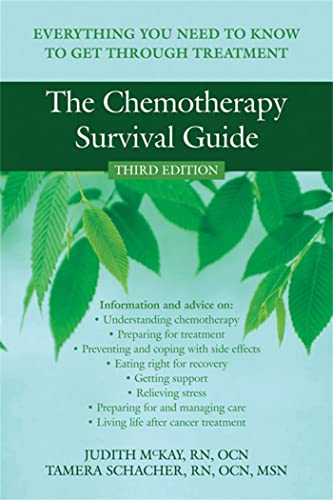
The Chemotherapy Survival Guide: Everything You Need to Know to Get Through Treatment: McKay, Judith, Schacher RN OCN MSN, Tammy
The Chemotherapy Survival Guide: Everything You Need to Know to Get Through Treatment [McKay, Judith, Schacher RN OCN MSN, Tammy] on Amazon.com. *FREE* shipping on qualifying offers. The Chemotherapy

Sea-Band Anti-Nausea Acupressure Wristband for Motion & Morning Sickness, 1 Pair, Gray
Completely natural, Sea-Band uses acupressure wristbands to gently restore balance to your body. No drugs. No side effects. Clinically tested. <strong>Suitable for most types of sickness and nausea</s

Biotene Oral Rinse Moisturizing Mouthwash for Dry Mouth Relief, Mint, for Children & Adults, 16 fl oz : Biotene Liquid
Formulated using a mouth moisturizing ... breath, stickiness in the mouth, dryness in the mouth and chapped lips. This <strong>gentle sugar free and alcohol</strong> ......
Evidence & Sources
Promising research with growing clinical support from multiple studies
- National Cancer Institute (NCI)
- American Society of Clinical Oncology (ASCO)
- National Comprehensive Cancer Network (NCCN)
- National Center for Complementary and Integrative Health (NCCIH)
- Society for Integrative Oncology (SIO)
- Journal of Clinical Oncology
- CA: A Cancer Journal for Clinicians
- JAMA Oncology
This content is for informational purposes only and does not constitute medical advice. Always consult a qualified healthcare provider before starting, stopping, or changing any supplement or medication regimen.