

Chemotherapy side effects and Herbal remedies
Chemotherapy can trigger a cluster of side effects—nausea and vomiting, oral mucositis and skin reactions, peripheral neuropathy, fatigue, insomnia, diarrhea, and constipation—that can undermine treatment tolerance and quality of life. Many patients explore herbal options alongside standard supportive care. The evidence base is mixed: some plant-based therapies have randomized clinical data, while others remain preliminary or chiefly supported by traditional use. Among the best-studied pairings, ginger has moderate evidence from randomized trials for reducing acute chemotherapy-related nausea when used with guideline-directed antiemetics. Honey (especially when used as an oral rinse) has strong guideline support for preventing oral mucositis in patients receiving head-and-neck chemoradiation, though findings are more mixed in other settings. Calendula cream has shown benefit for radiation dermatitis in one notable randomized trial, with later studies mixed; small studies also suggest benefit for hand–foot syndrome from capecitabine. For fatigue, American ginseng has moderate-quality randomized data suggesting improvement over several weeks. For insomnia and stress-related symptoms, ashwagandha shows emerging evidence in the general population and early oncology studies. For chemotherapy-induced peripheral neuropathy (CIPN), the Japanese Kampo formula gosha-jinki-gan has mixed randomized data, with some trials suggesting prevention of oxaliplatin neuropathy and others negative. For diarrhea, berberine-containing herbs show antidiarrheal effects in non-oncology trials and small cancer cohorts but raise important interaction concerns. For constipation, senna is a long-used stimulant laxative with supportive evidence in oncology and palliative care. Mechanistically, herbs may act as antiemetics (gingerols/shogaols modulate serotonergic pathways and gastric motility), mucosal protectants and anti-inflammatories (honey, calendula), neuroprotectants (antioxidant and anti
Updated September 8, 2026This content is for informational purposes only and does not constitute medical advice. Always consult a qualified healthcare provider before starting, stopping, or changing any supplement or medication regimen.
Overlapping Treatments
Ginger (Zingiber officinale)
Moderate EvidenceMay reduce acute chemotherapy-induced nausea and vomiting when added to standard antiemetics; possible benefit for dyspepsia.
Traditional antiemetic and carminative; supports gastric motility and may reduce 5-HT3 signaling.
May increase bleeding tendency with anticoagulants; theoretical CYP interactions are minor at culinary amounts; data strongest for low-to-moderate emetogenic regimens.
Honey (medical-grade; oral rinse)
Strong EvidencePrevents and reduces severity of oral mucositis in head-and-neck chemoradiation; may lessen pain and nutritional impact.
Antimicrobial, anti-inflammatory, and wound-healing properties promote mucosal integrity.
Use pasteurized/medical-grade products; institutional policies vary in neutropenia; avoid in infants (botulism risk).
Calendula (Calendula officinalis) topical
Moderate EvidenceMay reduce radiation dermatitis severity; small studies suggest benefit for hand–foot syndrome with capecitabine.
Anti-inflammatory and epithelial-repair effects support skin barrier recovery.
Evidence mixed across trials; avoid if allergic to Asteraceae.
American ginseng (Panax quinquefolius)
Moderate EvidenceImproves cancer-related fatigue over several weeks in randomized trials.
Adaptogenic effects may modulate HPA axis, inflammation, and mitochondrial function.
May affect blood glucose and bleeding risk; possible CYP interactions; product quality varies.
Ashwagandha (Withania somnifera)
Emerging ResearchEmerging evidence for reduced fatigue, anxiety, and improved sleep in cancer populations; more robust data in non-cancer insomnia.
GABA-mimetic, anxiolytic, anti-inflammatory, and adaptogenic actions may ease sleep disturbance and stress.
Avoid in hyperthyroidism or with sedatives without supervision; rare hepatotoxicity reported; quality/contamination concerns exist.
Gosha-jinki-gan (Kampo formula, TJ-107)
Emerging ResearchMixed evidence for preventing or reducing oxaliplatin-induced peripheral neuropathy.
Proposed neuroprotective, anti-inflammatory, and microcirculatory effects.
Results inconsistent across RCTs; formula contains multiple herbs with interaction potential; monitor for edema or blood pressure changes.
Berberine-containing herbs (e.g., Coptis/Huang Lian, Berberis)
Emerging ResearchAntidiarrheal effects via antisecretory and antimicrobial actions; limited oncology-specific trials.
Berberine modulates gut motility, tight junctions, and microbiota; inhibits intestinal secretion.
Inhibits CYP3A4 and P-gp; may raise exposure/toxicity of some chemotherapies and TKIs; caution with irinotecan (UGT1A1 metabolism).
Senna (Senna alexandrina) stimulant laxative
Moderate EvidenceRelieves chemotherapy- and opioid-associated constipation; widely used in oncology.
Anthraquinone glycosides stimulate colonic peristalsis.
Can cause cramping and electrolyte disturbances; avoid chronic unsupervised use; separate from other meds to reduce interference with absorption.
Medical Perspectives
Two Ways of Seeing Health

Western
scientific · clinical
Western medicine applies science, technology, and clinical experience to treat symptoms through testing, diagnosis, and targeted intervention.
Surgeons · Pharmaceuticals · Clinical trials · Diagnostics 
Eastern
traditional · alternative
Eastern medicine focuses on treating the body naturally by applying traditional knowledge practiced for thousands of years, emphasizing balance and whole-person wellness.
Acupuncture · Herbal medicine · Yoga · Meditation
Gold Bamboo presents both perspectives side-by-side so you can make informed decisions. We don't advocate for one over the other — your health choices are yours.
Two Ways of Seeing Health
Western
scientific · clinical
Western medicine applies science, technology, and clinical experience to treat symptoms through testing, diagnosis, and targeted intervention.
Eastern
traditional · alternative
Eastern medicine focuses on treating the body naturally by applying traditional knowledge practiced for thousands of years, emphasizing balance and whole-person wellness.
Gold Bamboo presents both perspectives side-by-side so you can make informed decisions. We don't advocate for one over the other — your health choices are yours.
Western Perspective
Conventional oncology recognizes that some herbal products can complement supportive care for chemotherapy side effects, but emphasizes variable evidence quality, product inconsistency, and clinically meaningful herb–drug interactions. A few specific pairings—ginger for nausea, honey for oral mucositis, American ginseng for fatigue—have randomized data. Others (e.g., calendula for radiodermatitis, gosha-jinki-gan for neuropathy) have mixed or limited trials. Safety screening focuses on pharmacokinetic interactions (CYP/UGT/P-gp), bleeding risk, hepatotoxicity, and immunomodulation during myelosuppression.
Key Insights
- Guidelines endorse honey for prevention of oral mucositis in head-and-neck chemoradiation; benefit outside this context is less certain.
- Ginger shows moderate efficacy for acute CINV when used with standard antiemetics; it is not a substitute for guideline-directed regimens.
- American ginseng improves cancer-related fatigue in RCTs; dosing, product standardization, and duration remain active research areas.
- Herb–drug interactions can alter chemotherapy exposure (e.g., St. John’s wort induction reduces SN-38 from irinotecan; berberine inhibits CYP3A4/P-gp, potentially increasing drug levels).
- Quality control is critical; contamination/adulteration of botanicals has been documented, and standardized extracts vary across brands.
Treatments
- Ginger for acute nausea (adjunct to antiemetics)
- Medical-grade honey rinses for oral mucositis
- American ginseng for cancer-related fatigue
- Calendula cream for radiation dermatitis/hand–foot syndrome
Deep Dive
From a western clinical standpoint, herbal therapies are viewed through the lens of evidence quality, safety, and pharmacology. The most convinc... From a western clinical standpoint, herbal therapies are viewed through the lens of evidence quality, safety, and pharmacology. The most convincing data exist where randomized controlled trials or guideline endorsements align with plausible mechanisms. In mucosal care, the MASCC/ISOO guidelines support medical-grade honey rinses to prevent oral mucositis in head-and-neck chemoradiation, likely via antimicrobial, anti-inflammatory, and pro-healing effects. This stands out as a rare instance where a natural product receives strong endorsement. For skin reactions, calendula cream reduced radiodermatitis in a landmark randomized trial, though subsequent studies reported mixed results, emphasizing the need for replication and standardized formulations. For nausea and vomiting, ginger has demonstrated modest benefit in RCTs when layered on top of 5-HT3/NK1 antagonists and dexamethasone. Its antiemetic effects are consistent with 5-HT3 modulation and prokinetic activity. However, professional antiemetic guidelines still prioritize pharmacologic regimens, with botanicals considered adjuncts. Cancer-related fatigue has few effective options; American ginseng improved fatigue in a well-conducted RCT and appears safe for many patients, though glucose effects and product variability require monitoring. Insomnia and stress are common; ashwagandha shows promise in non-cancer RCTs and early oncology studies, with caution regarding thyroid function and rare hepatotoxicity. Neuropathy prevention remains challenging. The Kampo formula gosha-jinki-gan has mixed findings for oxaliplatin-induced peripheral neuropathy, mirroring the broader difficulty of CIPN prevention. For bowel symptoms, senna is a pragmatic, evidence-supported stimulant laxative in oncology care. Berberine’s antidiarrheal pharmacology is compelling, yet oncology-specific evidence is sparse and interaction risks—CYP3A4 and P-gp inhibition—temper enthusiasm. Across all categories, herb–drug interactions and product quality are central. Strong examples include St. John’s wort lowering irinotecan’s active metabolite via enzyme induction and green tea catechins antagonizing bortezomib in preclinical work. Clinicians prioritize an accurate medication and supplement list, regimen-specific risk assessment (e.g., irinotecan, taxanes, TKIs), and shared decision-making that integrates patient goals with safety and evidence.
Sources
- Elad S et al. MASCC/ISOO clinical practice guidelines for mucositis. Support Care Cancer. 2020.
- Ryan JL et al. Ginger for chemotherapy-related nausea: RCT. Support Care Cancer. 2012.
- Barton DL et al. American ginseng for cancer-related fatigue: RCT. J Natl Cancer Inst. 2013.
- Pommier P et al. Calendula vs trolamine for radiodermatitis. J Clin Oncol. 2004.
- Mathijssen RHJ et al. St. John’s wort reduces irinotecan active metabolite SN-38. J Natl Cancer Inst. 2002.
Eastern Perspective
Traditional systems view chemotherapy side effects as disruptions of vital balance—digestive fire/agni or spleen–stomach qi (nausea/diarrhea), yin–blood injury (mucositis, skin reactions), depletion of qi/ojas (fatigue), and obstruction of channels (neuropathy). Herbs are chosen to harmonize the middle burner, nourish and moisten tissues, calm the spirit, and move stagnation. Pattern-based formulas are individualized and may be adjusted as treatment cycles progress.
Key Insights
- For nausea and poor appetite, warming aromatics like ginger and pinellia (Ban Xia) harmonize the stomach and descend rebellious qi.
- For mucosal injury and dry heat, demulcents and moistening agents (honey, licorice/Gan Cao, marshmallow) soothe and repair tissues.
- For fatigue and insomnia, qi tonics and adaptogens (ginseng/Ren Shen, astragalus/Huang Qi, ashwagandha) rebuild resilience.
- For neuropathy, formulas such as gosha-jinki-gan (Kampo) and blood-moving/nourishing strategies aim to open the channels and protect nerves.
- Practitioners emphasize timing with chemotherapy cycles, gentle dosing, and close coordination with oncology teams to avoid interactions.
Treatments
- Ginger (Sheng Jiang) and Ban Xia-based formulas for nausea
- Honey (Feng Mi) and licorice (Gan Cao) rinses for mucositis
- Ginseng/Astragalus tonics; Ashwagandha for fatigue/insomnia
- Gosha-jinki-gan for neuropathy prevention in oxaliplatin regimens
Deep Dive
Traditional systems interpret chemotherapy side effects as signs of disrupted balance. In Traditional Chinese Medicine, nausea and anorexia refl... Traditional systems interpret chemotherapy side effects as signs of disrupted balance. In Traditional Chinese Medicine, nausea and anorexia reflect spleen–stomach disharmony with rebellious qi; warming aromatics such as fresh ginger (Sheng Jiang) and pinellia (Ban Xia) are used to harmonize the middle burner and descend qi. Oral mucositis and radiodermatitis resemble yin and fluid injury with heat-toxin; sweet, moistening, and clearing agents—honey (Feng Mi), licorice (Gan Cao), and soothing rinses—are chosen to nourish tissues and relieve pain. Kampo medicine, closely related to TCM, incorporates pattern-specific formulas like gosha-jinki-gan to address neuropathic symptoms by promoting water regulation, microcirculation, and channel patency. Fatigue and insomnia are viewed as depletion of qi and blood with spirit (shen) disturbance. Tonics such as ginseng (Ren Shen) and astragalus (Huang Qi) rebuild vitality, while ashwagandha in Ayurveda is considered a rasayana (rejuvenative) that supports ojas, calms vata, and settles the nervous system for better sleep. Diarrhea is treated by clearing damp-heat and stabilizing the intestines (e.g., Coptis/Huang Lian, a source of berberine), whereas constipation is addressed by moistening the intestines and gently promoting peristalsis (senna or seed-based moistening herbs, tailored to constitution). Contemporary integrative practitioners bridge these frameworks with modern pharmacology: they consider timing within chemotherapy cycles, start with gentle, well-tolerated agents, and coordinate closely with oncology teams to navigate herb–drug interactions. Individualized formulas are adjusted for the patient’s pattern, cancer type, and regimen—avoiding strong immune stimulants during profound neutropenia, respecting hepatic and renal function, and observing for early signs of intolerance. While many traditional choices align with emerging mechanistic insights—antiemetic, anti-inflammatory, mucosal-protective, and neuroprotective actions—practitioners acknowledge that rigorous trials remain limited. This fosters a collaborative model: use herbs where evidence and safety are most favorable (e.g., honey rinses, ginger, selected tonics) and proceed cautiously, monitoring symptoms and laboratory values while prioritizing the integrity of anticancer therapy.
Sources
- Bensky D, Clavey S, Stöger E. Chinese Herbal Medicine: Materia Medica. 3rd ed.
- Ito T et al. Kampo medicine for chemotherapy-induced peripheral neuropathy: reviews and trials. Support Care Cancer. 2018.
- Telles S et al. Withania somnifera in stress and sleep: reviews. Nutrients. 2020.
Evidence Ratings
Honey rinses reduce the incidence and severity of oral mucositis in head-and-neck patients receiving chemoradiation.
Elad S et al. MASCC/ISOO Mucositis Guidelines Update. Support Care Cancer. 2020.
Ginger, as an adjunct to antiemetics, modestly reduces acute chemotherapy-induced nausea.
Ryan JL et al. Ginger RCT in CINV. Support Care Cancer. 2012.
American ginseng improves cancer-related fatigue compared with placebo over several weeks.
Barton DL et al. J Natl Cancer Inst. 2013.
Calendula cream can lessen radiation dermatitis severity versus standard emollient.
Pommier P et al. J Clin Oncol. 2004.
Gosha-jinki-gan may prevent oxaliplatin-induced neuropathy, but results are inconsistent across trials.
Ito T et al. Support Care Cancer. 2018 (systematic review).
St. John’s wort reduces exposure to irinotecan’s active metabolite via CYP3A/UGT induction.
Mathijssen RHJ et al. J Natl Cancer Inst. 2002.
Berberine has antidiarrheal effects, but oncology-specific evidence is limited and interactions via CYP3A4/P-gp are plausible.
Guo Y et al. Clin Pharmacokinet. 2012.
Green tea catechins can antagonize bortezomib activity in preclinical models.
Golden EB et al. Blood. 2009.
Sources
- Elad S, Cheng KKF, Lalla RV, et al. MASCC/ISOO clinical practice guidelines for mucositis (update). Support Care Cancer. 2020.
- Ryan JL, Heckler CE, Roscoe JA, et al. Ginger reduces acute chemotherapy-induced nausea: a randomized trial. Support Care Cancer. 2012.
- Barton DL, Liu H, Dakhil SR, et al. Wisconsin ginseng (Panax quinquefolius) to improve cancer-related fatigue: RCT. J Natl Cancer Inst. 2013.
- Pommier P, Gomez F, Sunyach MP, et al. Randomized trial of Calendula officinalis vs trolamine for prevention of acute dermatitis during irradiation. J Clin Oncol. 2004.
- Ito T, Tsuboi S, Watanabe T, et al. Kampo medicine for chemotherapy-induced peripheral neuropathy: systematic review. Support Care Cancer. 2018.
- Mathijssen RHJ, Verweij J, de Bruijn P, et al. Effects of St John’s wort on irinotecan metabolism: reduced SN-38 exposure. J Natl Cancer Inst. 2002.
- Golden EB, Lam PY, Kardosh A, et al. Green tea polyphenols block bortezomib action in vitro/in vivo. Blood. 2009.
- Guo Y, Li F, Ma X, Cheng X, Zhou H. Inhibition of intestinal CYP3A4 and P-gp by berberine: implications for herb–drug interactions. Clin Pharmacokinet. 2012.
- Candy B, Jones L, Goodman ML, Drake R, Tookman A. Laxatives or methylnaltrexone for opioid-induced constipation in palliative care: Cochrane Review. 2011.
- Greenlee H, DuPont-Reyes MJ, Balneaves LG, et al. Clinical Practice Guidelines on Integrative Therapies for Breast Cancer Patients. JNCI Monographs. 2014.
- National Academies of Sciences. The Health Effects of Cannabis and Cannabinoids. 2017.
- Ladas EJ, Kroll DJ, Oberlies NH, et al. Milk thistle in children receiving chemotherapy: safety and liver function outcomes. Cancer. 2010.
- Saper RB, Kales SN, Paquin J, et al. Heavy metal content of Ayurvedic herbal medicine products. JAMA. 2004.
- Memorial Sloan Kettering Cancer Center. About Herbs database. Accessed 2026.
- Roila F, Molassiotis A, Herrstedt J, et al. 2016 MASCC/ESMO antiemetic guidelines. Ann Oncol. 2016.
- Wang Y, Pan X, Shen Z, et al. Ashwagandha for insomnia and anxiety: randomized trial. Nutrients. 2021.
Related Topics
Recommended Products

Integrative Oncology (Weil Integrative Medicine Library)
Donald I. Abrams Chief, Hematology-Oncology, San Francisco General Hospital Integrative Oncology, UCSF Osher Center for Integrative Medicine Professor of Clinical Medicine, University of California Sa

NOW Foods Supplements, Ginger Root (Zingiber officinale) 550 mg, Digestive Support*, 100 Veg Capsules
Buy NOW Foods Supplements, Ginger Root (Zingiber officinale) 550 mg, Digestive Support*, 100 Veg Capsules on Amazon.com ✓ FREE SHIPPING on qualified orders
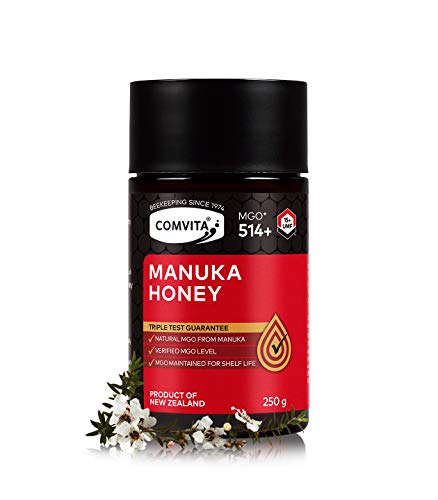
Comvita Manuka Honey UMF 15+ (MGO 514+) - Raw Manuka Honey New Zealand, Pure & Unpasteurized, Superfood for Immune Health, Use in Tea, Wild, Monofloral, Non-GMO - 250g (8.8 oz)
Buy <strong>Comvita Manuka Honey UMF 15+</strong> (MGO 514+) - Raw Manuka Honey New Zealand, Pure & Unpasteurized, Superfood for Immune Health, Use in Tea, Wild, Monofloral, Non-GMO - 250g (8.8 oz
Health Disclaimer
This content is for informational purposes only and does not constitute medical advice. Always consult a qualified healthcare provider before starting, stopping, or changing any supplement or medication regimen.