

Xanax
Also known as: Alprazolam, Anxiety med, Xanax
Overview
Xanax is the brand name for alprazolam, a prescription medication in the benzodiazepine class. It is commonly used in conventional medicine for the short-term management of anxiety disorders and panic disorder, where it acts on the central nervous system to produce a calming, sedative effect. Alprazolam is widely recognized because of both its therapeutic role and its potential risks, including tolerance, dependence, withdrawal, sedation, and misuse. For that reason, it is often discussed not only as a treatment for acute symptoms but also as a medication requiring careful medical oversight.
Anxiety and panic symptoms are common across many populations, and benzodiazepines have historically played a major role in symptom relief because they can work relatively quickly compared with some long-term psychiatric medications. Research indicates that alprazolam can reduce acute anxiety and panic symptoms in appropriately selected patients. At the same time, its benefits must be weighed against concerns about impaired coordination, cognitive slowing, interactions with alcohol or opioids, and the possibility of worsening outcomes when used for extended periods without close supervision.
From a public health perspective, Xanax occupies an important and sometimes controversial place in mental health care. It is effective for some patients, yet it is also associated with emergency visits, nonmedical use, and overdose risk when combined with other sedating substances. This has led many medical organizations to emphasize careful prescribing, individualized assessment, and gradual tapering strategies when discontinuation is needed. Consultation with a licensed healthcare professional is important for anyone with questions about alprazolam use, side effects, or alternatives.
On a broader health topic page, Xanax is best understood as both a legitimate pharmaceutical tool and a high-risk medication class representative. Any comprehensive discussion includes its mechanism, approved uses, side-effect profile, withdrawal concerns, and the ways different medical systems interpret anxiety-related conditions and calming therapies.
Medical Perspectives
Two Ways of Seeing Health

Western
scientific · clinical
Western medicine applies science, technology, and clinical experience to treat symptoms through testing, diagnosis, and targeted intervention.

Eastern
traditional · alternative
Eastern medicine focuses on treating the body naturally by applying traditional knowledge practiced for thousands of years, emphasizing balance and whole-person wellness.
Gold Bamboo presents both perspectives side-by-side so you can make informed decisions. We don't advocate for one over the other — your health choices are yours.
Western Medicine Perspective
Western Medicine Perspective
In conventional medicine, Xanax (alprazolam) is classified as a benzodiazepine anxiolytic. It enhances the effect of gamma-aminobutyric acid (GABA), the brain’s main inhibitory neurotransmitter, by acting at the GABA-A receptor complex. This produces reduced neuronal excitability, which can translate clinically into decreased anxiety, muscle relaxation, sedation, and anticonvulsant effects. Alprazolam has been used particularly for generalized anxiety symptoms, panic attacks, and panic disorder, and its relatively rapid onset is one reason it has been widely prescribed.
Research supports the effectiveness of alprazolam for certain anxiety-related conditions, especially panic disorder and short-term relief of severe anxiety symptoms. However, conventional guidelines generally distinguish between short-term symptom control and long-term management. For chronic anxiety disorders, many guidelines place greater emphasis on approaches such as psychotherapy, especially cognitive behavioral therapy, and on other medication classes with lower dependence potential for sustained treatment. Alprazolam’s short half-life may also contribute to rebound symptoms between doses in some individuals, which is one reason clinicians often monitor its use carefully.
The safety profile is a central part of the western medical discussion. Common adverse effects include drowsiness, dizziness, fatigue, impaired attention, and slowed reaction time. More serious concerns include dependence, misuse, withdrawal syndromes, respiratory depression when combined with opioids or alcohol, and increased fall risk in older adults. Abrupt discontinuation after regular use can be medically dangerous and has been associated with severe withdrawal symptoms, including seizures in some cases. Because of these risks, medical literature and regulatory agencies emphasize close supervision, medication review, and individualized risk assessment.
Western medicine also considers Xanax within the context of prescribing safety, psychiatry, addiction medicine, and emergency care. It is not typically viewed as a standalone answer to anxiety disorders, but rather as one potential component of care in selected situations. The balance of benefit and risk depends on the diagnosis, duration of use, coexisting conditions, other medications, and substance use history.
Eastern & Traditional Perspective
Eastern/Traditional Medicine Perspective
Traditional medical systems generally do not conceptualize Xanax itself as a healing substance within their historical pharmacopeias. Instead, they focus on the underlying patterns associated with anxiety, fear, agitation, insomnia, palpitations, or emotional dysregulation. In Traditional Chinese Medicine (TCM), symptoms that overlap with anxiety or panic may be interpreted through patterns such as Heart Shen disturbance, Liver qi stagnation, Kidney deficiency, or phlegm-heat harassing the mind, depending on the overall presentation. The therapeutic framework traditionally emphasizes restoring balance rather than directly suppressing symptoms through a single sedative agent.
In Ayurveda, anxiety-like states may be associated with imbalance in Vata dosha, especially when there is restlessness, worry, insomnia, or nervous system hypersensitivity. Ayurvedic interpretation often centers on supporting grounding, routine, digestion, and mental steadiness through a combination of lifestyle practices, mind-body methods, and traditional botanicals. Similarly, many naturopathic and integrative traditions frame persistent anxiety as multifactorial, involving stress burden, sleep quality, nervous system resilience, and constitutional vulnerability.
From an eastern and integrative perspective, Xanax may be regarded as a potent modern pharmaceutical that can reduce acute distress, but it is not usually seen as correcting the deeper constitutional or energetic imbalance behind recurrent symptoms. Traditional systems often place greater emphasis on breath practices, meditation, acupuncture, sleep regulation, body-based calming therapies, and herbal traditions historically used to settle the mind. That said, responsible integrative care also recognizes that people taking alprazolam may be doing so under legitimate medical supervision, and any discussion of combining pharmaceuticals with herbs or supplements requires caution because of possible additive sedation or other interactions.
An evidence-informed traditional view therefore tends to respect the short-term symptomatic role of a drug like Xanax while distinguishing that role from broader, individualized approaches to mental and emotional health. Coordination with qualified healthcare professionals is especially important when conventional psychiatric medications intersect with acupuncture, herbal medicine, or supplement use.
Supplements & Products
Recommended Products

Benzodiazepines: How They Work and How to Withdraw (aka The Ashton Manual) eBook : Ashton, C. Heather
C. Heather Ashton ... <strong>This monograph contains information about the effects that benzodiazepines have on the brain and body and how these actions are exerted</strong>. Detailed suggestions on
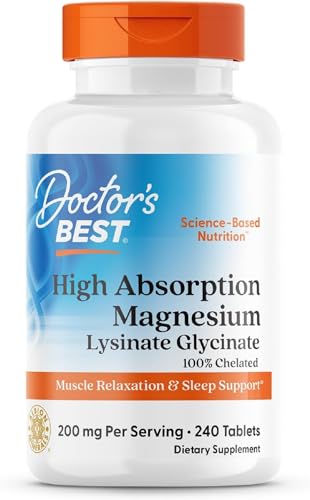
Doctor's Best High Absorption Magnesium Glycinate Lysinate Supplement for Sleep Support - Chelated Magnesium Tablets for Women & Men, 200mg per Serving, Supports Calm & Relaxation, Vegan - 240 Count
Doctor's Best High Absorption Magnesium Glycinate Lysinate Supplement for Sleep Support - Chelated Magnesium Capsules for Women & Men, 105 mg per Serving, Calm Support, Vegan - 120 Veg Caps

Plant Therapy Lavender Essential Oil 100% Pure, Undiluted, Therapeutic Grade, Aromatherapy Diffuser for Relaxation and Body Care, Healthy Skin and Hair, 10 mL (1/3 oz)
Plant Therapy Organic Lavender Essential Oil 100% Pure, USDA Certified Organic, Undiluted, Natural Aromatherapy, Therapeutic Grade 10 mL (1/3 oz)
Evidence & Sources
Supported by multiple clinical trials and systematic reviews
- U.S. Food and Drug Administration (FDA)
- National Institute of Mental Health (NIMH)
- National Institute on Drug Abuse (NIDA)
- American Psychiatric Association
- The Journal of Clinical Psychiatry
- JAMA Psychiatry
- New England Journal of Medicine
- NCCIH
This content is for informational purposes only and does not constitute medical advice. Always consult a qualified healthcare provider before starting, stopping, or changing any supplement or medication regimen.