

Venlafaxine
Also known as: Effexor, venlafaxin
Overview
Venlafaxine is a prescription antidepressant in the serotonin-norepinephrine reuptake inhibitor (SNRI) class. It is widely used in conventional care for major depressive disorder, generalized anxiety disorder, social anxiety disorder, and panic disorder. By affecting serotonin and norepinephrine signaling in the brain, venlafaxine is understood to influence mood, anxiety regulation, stress response, and related physical symptoms such as changes in sleep, energy, and concentration.
This medication is frequently discussed in integrative health settings because it sits at the intersection of psychiatric treatment, side-effect management, and whole-person support for mental well-being. In addition to questions about effectiveness, many people seek information about discontinuation symptoms, sometimes referred to as antidepressant withdrawal, which may occur if the medication is reduced too quickly or stopped abruptly. Commonly discussed concerns include dizziness, nausea, “brain zaps,” irritability, sleep disturbance, and flu-like symptoms. This has made venlafaxine a common topic not only in psychiatry but also in conversations about lifestyle medicine, nutritional status, stress physiology, and mind-body practices.
From a broader health perspective, venlafaxine is best understood as one component of a larger mental health care framework. Research suggests that outcomes in depression and anxiety are often influenced by multiple factors, including genetics, trauma history, medical comorbidities, social context, sleep, substance use, and chronic stress. As a result, discussion of venlafaxine often extends beyond the medication itself to include psychotherapy, behavioral strategies, exercise, nutrition, and supportive complementary approaches. Integrative medicine interest in venlafaxine typically does not treat the drug as inherently opposed to natural care; rather, it examines how conventional pharmacology and broader supportive practices may coexist.
Because venlafaxine acts on neurochemistry and can meaningfully affect blood pressure, mood, and withdrawal sensitivity, it is also a medication that warrants careful clinical supervision. Any questions about starting, changing, combining, or discontinuing venlafaxine are generally best addressed with a qualified healthcare professional familiar with the individual’s psychiatric and medical history.
Medical Perspectives
Two Ways of Seeing Health

Western
scientific · clinical
Western medicine applies science, technology, and clinical experience to treat symptoms through testing, diagnosis, and targeted intervention.

Eastern
traditional · alternative
Eastern medicine focuses on treating the body naturally by applying traditional knowledge practiced for thousands of years, emphasizing balance and whole-person wellness.
Gold Bamboo presents both perspectives side-by-side so you can make informed decisions. We don't advocate for one over the other — your health choices are yours.
Western Medicine Perspective
Western Medicine Perspective
In conventional medicine, venlafaxine is considered an evidence-based antidepressant and anxiolytic medication. Its mechanism involves inhibition of serotonin reuptake at lower doses and increasing norepinephrine reuptake inhibition at higher doses, with relatively weak dopamine effects in some contexts. Clinical trials and guideline reviews indicate that venlafaxine can be effective for several mood and anxiety disorders, and it is often used when symptom patterns include low mood, excessive worry, panic symptoms, or impaired daily functioning. Extended-release formulations are commonly used in practice because they may improve tolerability and adherence.
Conventional assessment of venlafaxine focuses on benefits, side effects, safety, and monitoring. Common adverse effects may include nausea, dry mouth, sweating, insomnia, constipation, sexual side effects, reduced appetite, and dose-related increases in blood pressure. In some individuals, especially early in treatment or during dose changes, clinicians also monitor for agitation, worsening anxiety, or emergence of suicidal thinking, particularly in younger populations. Venlafaxine is also notable for a comparatively recognized risk of discontinuation symptoms, especially because of its relatively short half-life. For this reason, tapering strategies are usually individualized and medically supervised.
From an integrative-conventional standpoint, western medicine increasingly acknowledges that medication response exists within a broader biopsychosocial context. Evidence supports combining pharmacotherapy with psychotherapy, sleep regulation, physical activity, and stress management for many patients with depression or anxiety. Research on adjunctive lifestyle factors such as exercise, mindfulness-based interventions, and nutritional adequacy is growing, though these approaches are generally framed as supportive rather than direct substitutes for indicated psychiatric treatment. Clinicians also pay attention to drug interactions, including the potential for serotonin syndrome when venlafaxine is combined with other serotonergic agents or certain supplements and medications.
Overall, the western model views venlafaxine as a well-established pharmaceutical tool whose value depends on appropriate diagnosis, individualized risk-benefit assessment, and ongoing follow-up. Concerns about withdrawal, side effects, and treatment transitions are taken seriously within standard psychiatric care, and consultation with a licensed prescriber is an important part of safe use.
Eastern & Traditional Perspective
Eastern/Traditional Medicine Perspective
In Traditional Chinese Medicine (TCM), symptoms associated with depression, anxiety, panic, insomnia, and emotional tension are not usually classified by a single drug-centered framework. Instead, practitioners may interpret these patterns through concepts such as Liver qi stagnation, Heart shen disturbance, Spleen qi deficiency, Kidney imbalance, or phlegm-heat affecting the mind. From this perspective, a person taking venlafaxine is not viewed simply as “on a medication,” but as someone experiencing a broader imbalance involving emotion, sleep, digestion, vitality, and stress resilience. Traditional approaches may therefore focus on pattern differentiation and whole-person regulation.
TCM, Ayurveda, and naturopathic traditions often emphasize supportive care around the terrain of mental health rather than direct replacement of prescribed psychiatric medication. Depending on the tradition, this may include acupuncture, meditation, breathing practices, yoga, sleep hygiene, digestive support, structured routines, and individualized dietary approaches. In Ayurveda, depression- and anxiety-related presentations may be discussed in terms of dosha imbalance, impaired nervous system regulation, disturbed sleep, or depletion associated with chronic stress. Naturopathic frameworks commonly examine nutrient status, inflammation, circadian rhythm disruption, and stress load, while also recognizing the importance of coordinated care when psychiatric medications are involved.
An important integrative issue is that many people seek eastern or traditional support because of side effects, emotional blunting, or discontinuation concerns related to venlafaxine. Traditional systems often aim to enhance resilience, calm the nervous system, improve sleep quality, and support digestion and energy during periods of stress or medication transition. However, evidence for specific traditional therapies in the context of venlafaxine use or withdrawal remains limited and heterogeneous. In addition, herbal formulas and supplements may carry interaction risks, particularly when combined with serotonergic drugs.
For these reasons, an eastern/traditional perspective is often most balanced when presented as complementary and individualized, with collaboration between traditional practitioners and conventional clinicians when possible. This is especially relevant in mental health, where abrupt medication changes or poorly coordinated care can create avoidable risks.
Supplements & Products
Recommended Products
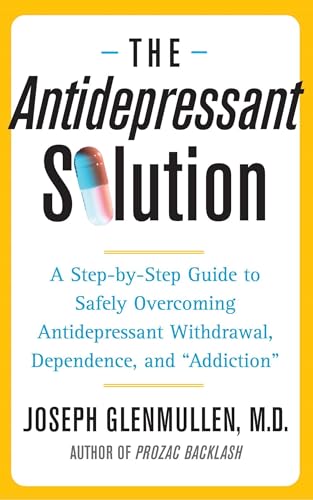
The Antidepressant Solution: A Step-by-Step Guide to Safely Overcoming Antidepressant Withdrawal, Dependence, and "Addiction": Glenmullen, Joseph Joseph
With the FDA's warning that antidepressants may cause agitation, anxiety, hostility, and even violent or suicidal tendencies, these medications are at the forefront of national legal news. Harvar

Nordic Naturals ProOmega, Lemon Flavor - 180 Soft Gels - 1280 mg Omega-3 - High-Potency Fish Oil with EPA & DHA - Promotes Brain, Eye, Heart, & Immune Health - Non-GMO - 90 Servings
Buy Nordic Naturals ProOmega, Lemon Flavor - 180 Soft Gels - 1280 mg Omega-3 - High-Potency Fish Oil with EPA & DHA - Promotes Brain, Eye, Heart, & Immune Health - Non-GMO - 90 Servings on Ama
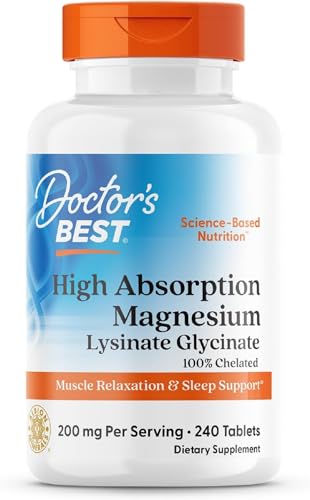
Doctor's Best High Absorption Magnesium Glycinate Lysinate Supplement for Sleep Support - Chelated Magnesium Tablets for Women & Men, 200mg per Serving, Supports Calm & Relaxation, Vegan - 240 Count
Doctor's Best High Absorption Magnesium Glycinate Lysinate Supplement for Sleep Support - Chelated Magnesium Capsules for Women & Men, 105 mg per Serving, Calm Support, Vegan - 120 Veg Caps
Evidence & Sources
Supported by multiple clinical trials and systematic reviews
- U.S. Food and Drug Administration (FDA) Prescribing Information for Venlafaxine/Effexor XR
- National Institute for Health and Care Excellence (NICE) guideline on depression in adults
- American Psychiatric Association Practice Guideline for the Treatment of Patients With Major Depressive Disorder
- Cochrane Database of Systematic Reviews on venlafaxine for depression and anxiety disorders
- StatPearls: Venlafaxine
- National Center for Complementary and Integrative Health (NCCIH) resources on depression and complementary health approaches
- World Federation of Societies of Biological Psychiatry guidelines for unipolar depressive disorders
- The Lancet meta-analysis of antidepressant efficacy and acceptability in adults with major depressive disorder
This content is for informational purposes only and does not constitute medical advice. Always consult a qualified healthcare provider before starting, stopping, or changing any supplement or medication regimen.